
Global Brands Don’t Always Mean Reliability: Which Cars Needed Massive Repairs in 2026
Millions of vehicles faced recalls in 2026 as fire risks raised concerns across the industry.
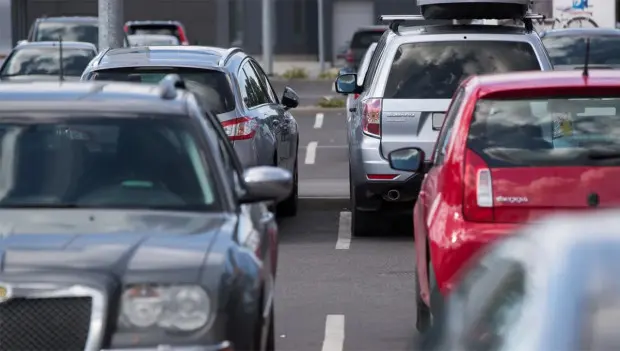
During the first half of 2026, automakers around the world were hit with a new wave of major recall campaigns. The biggest concern was the risk of overheating and potential fires—an issue affecting both electric vehicles and traditional gas-powered cars.
The largest recall came from Stellantis, which announced repairs for around 700,000 vehicles equipped with mild-hybrid systems. The issue is tied to engine design, where overheating could lead to an electrical short and, in extreme cases, a fire.
BMW also launched a major recall involving approximately 575,000 vehicles. In this case, the problem was linked to starter motor wear, which under certain conditions could increase the risk of overheating and ignition.
Hyundai faced one of the busiest recall periods of the year, issuing eight separate recalls in just a few months. Altogether, the campaigns covered more than 1.1 million vehicles, including the popular Palisade SUV.
Electric vehicles were not immune either. Volkswagen recalled more than 100,000 ID-series models over concerns about possible battery overheating. Ford also identified a wiring defect that could cause a short circuit and potentially lead to a fire.
Industry experts say the growing number of recalls is closely tied to the increasing complexity of modern vehicles. Today’s cars rely on more advanced electronics, hybrid systems, and high-voltage components than ever before.
While these technologies improve performance and efficiency, they also raise the bar for engineering precision and create more opportunities for small design flaws to turn into serious safety concerns.
As a result, automakers are being forced to respond faster—even when problems appear only in rare cases. For the market, it sends a clear message: automotive technology is advancing quickly, but the risks that come with it require constant oversight.
You may also be interested in the news:
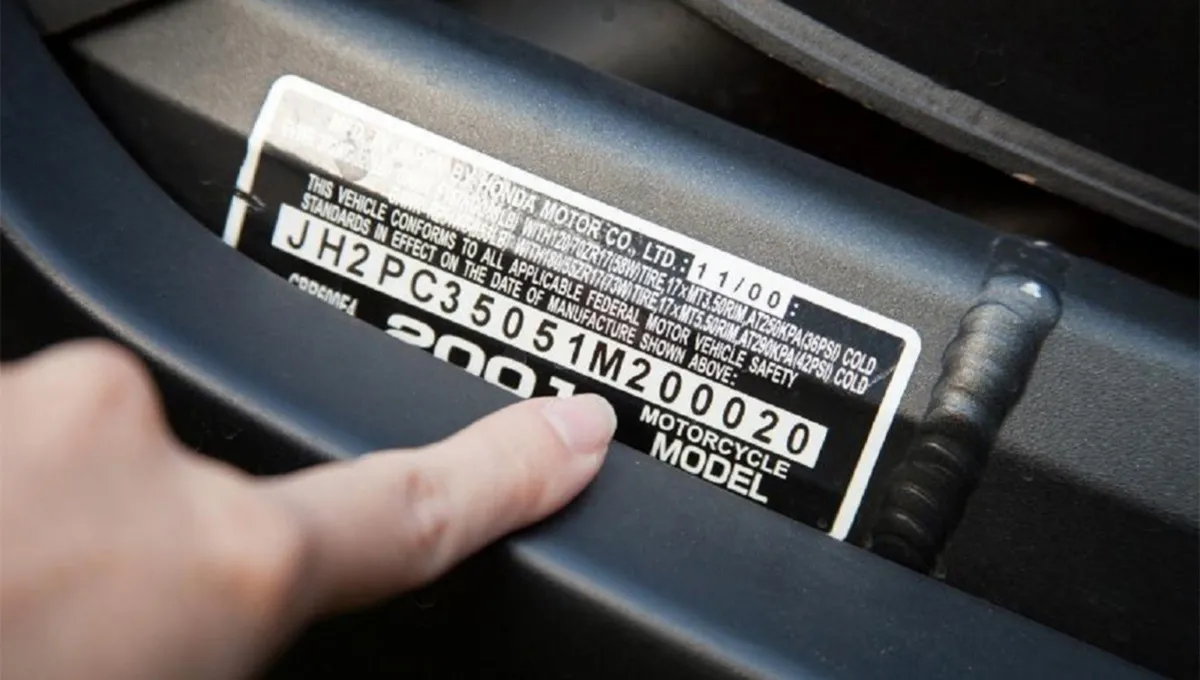
VIN-Based Auto Parts Lookup: Where Buyers Make the Most Mistakes
A VIN helps identify the right replacement part for your vehicle, but it cannot account for every change. Here’s what sellers need to know.
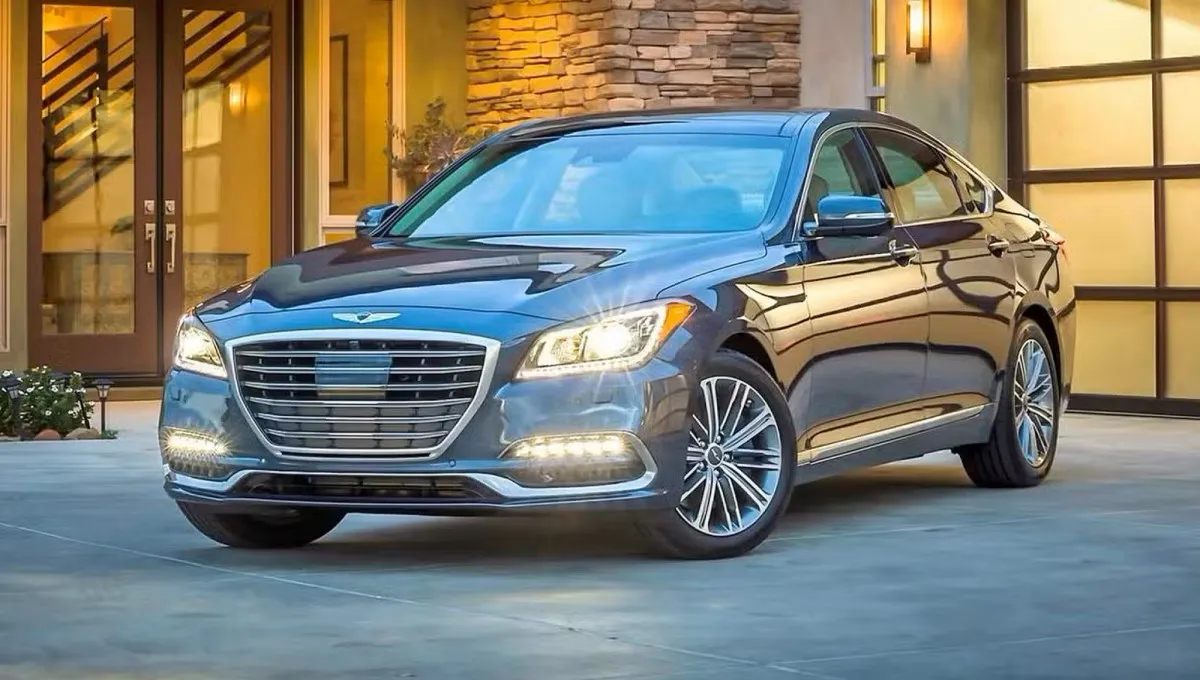
Hyundai Recalls Nearly 95,000 Genesis Sedans Over Fire Risk From Power Seats
Hyundai is recalling 94,622 Genesis sedans after a faulty power seat switch was linked to overheating and potential vehicle fires.
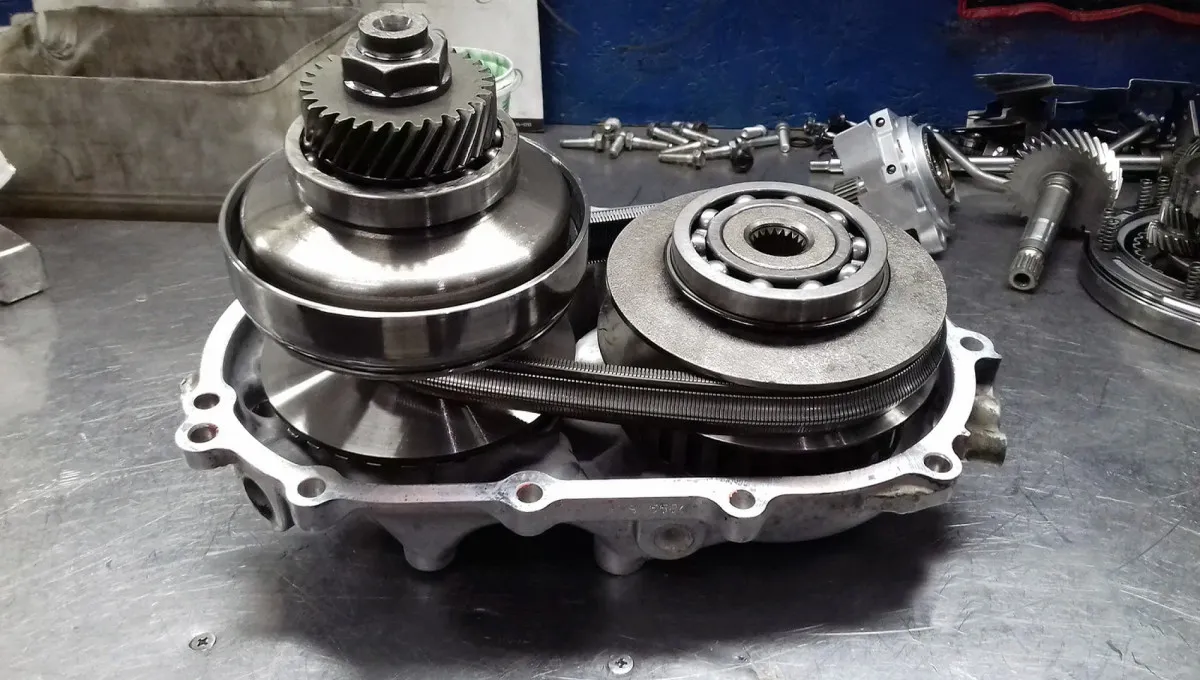
Why Experienced Drivers Still Warn Against Buying a Used Car With a CVT
CVTs offer smooth acceleration and good fuel economy, but expensive repairs and durability concerns make used models risky.
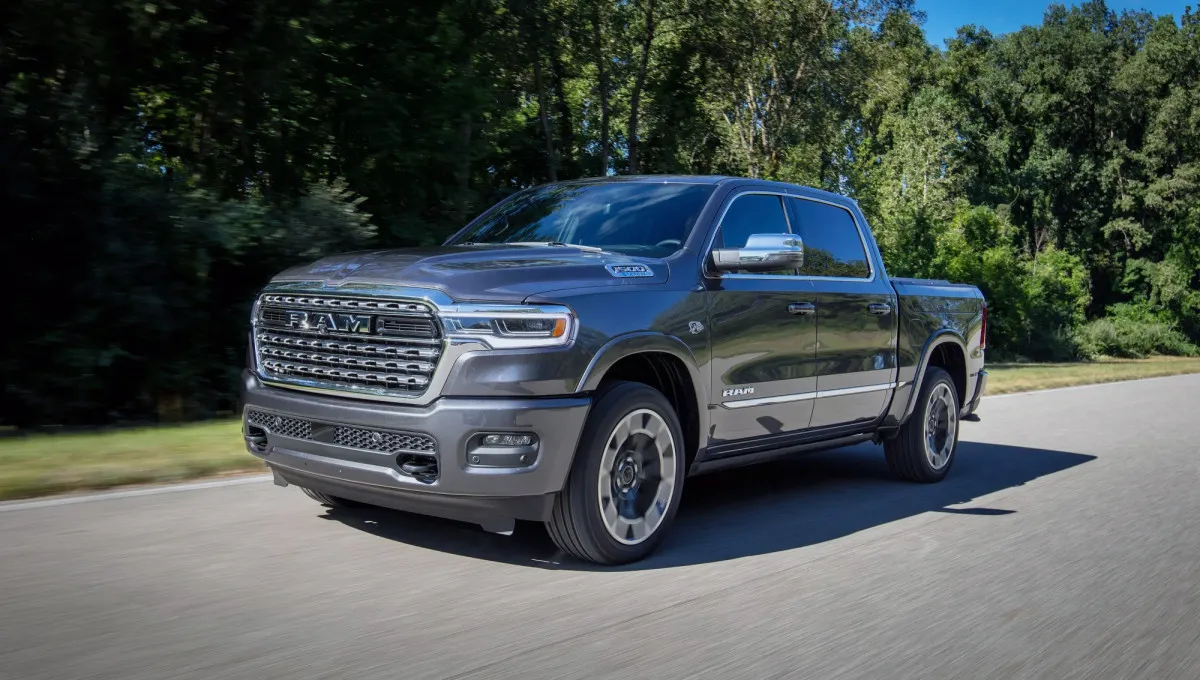
2026 Ram 1500 Recall: 16K Trucks May Have Faulty Tire Pressure Sensors
Ram is recalling 16,385 model-year 2026 Ram 1500 trucks
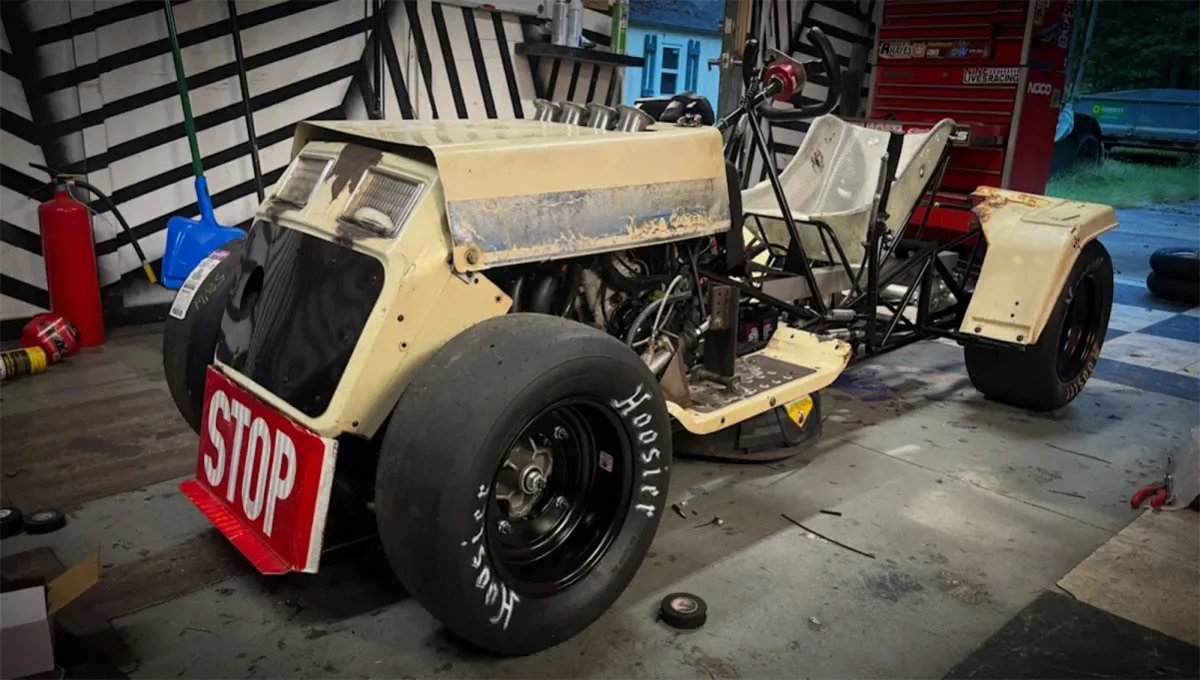
The U.S. Builds the World’s Fastest Lawn Mower
An American-built lawn mower hit 152.8 mph at Arkansas Mile and can still cut grass.