
Apple Is Falling Behind Again: Android Auto Has One Advantage CarPlay Still Lacks
Android Auto updates faster than CarPlay, giving drivers quicker bug fixes, features, and overall improvements behind the wheel.
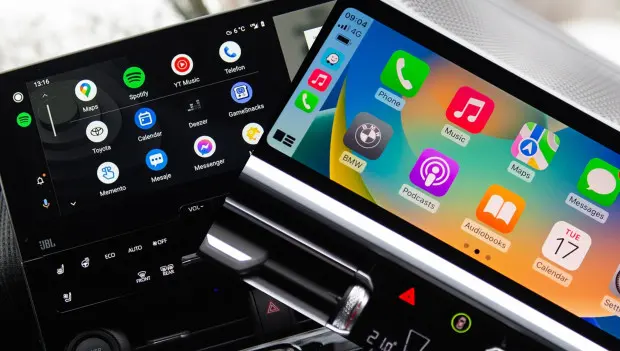
At first glance, Android Auto and Apple CarPlay look almost identical. Both systems support similar apps, offer streamlined interfaces for safer driving, and have become essential tools for navigation, music, messaging, and daily commuting.
But despite all the similarities, Google’s platform still has one huge advantage that Apple seems unwilling to adopt.
It’s not the interface.
It’s not the apps.
It’s the way updates are delivered.
Android Auto works like a regular Android app, which means updates arrive directly through the Google Play Store. Google can release bug fixes, performance tweaks, and new features quickly without waiting for a major operating system rollout.
That update cycle moves surprisingly fast. Google pushed multiple Android Auto builds throughout recent months, including both beta and stable releases, allowing fixes and improvements to reach users almost immediately.
Because the app updates automatically in the background for most users, drivers usually don’t need to do anything manually. New versions simply appear once they’re available.
CarPlay works very differently.
Instead of being updated independently, CarPlay is tied directly to iOS system updates. That means every bug fix, optimization, or feature improvement has to arrive through a full iPhone software update.
And those updates are significantly larger, require device restarts, and usually roll out far less often.

The difference becomes especially obvious whenever bugs appear.
If something breaks in Android Auto, Google can often patch the issue almost overnight through a quick Play Store update. In many cases, these smaller releases focus entirely on stability fixes or device compatibility improvements.
Apple’s process moves slower because CarPlay fixes typically have to wait for the next scheduled iOS update unless the company considers the issue severe enough to justify an emergency release.
As a result, CarPlay users sometimes end up waiting weeks — or even months — for problems to be fixed.
Of course, Apple’s slower update strategy does come with one advantage. The company spends more time testing software internally before releasing it publicly, which usually results in better long-term stability and fewer unexpected issues after installation.
Still, for drivers relying on CarPlay every single day for navigation, calls, and music, long delays between fixes can become frstrating pretty quickly.
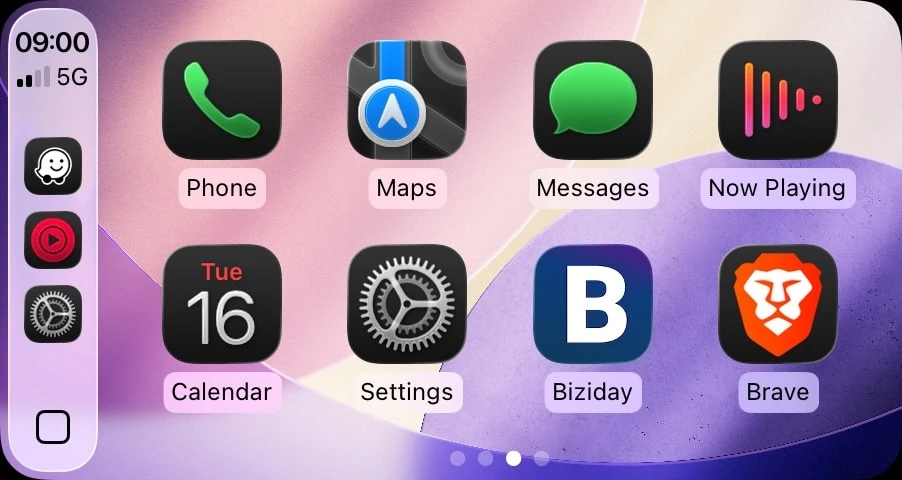
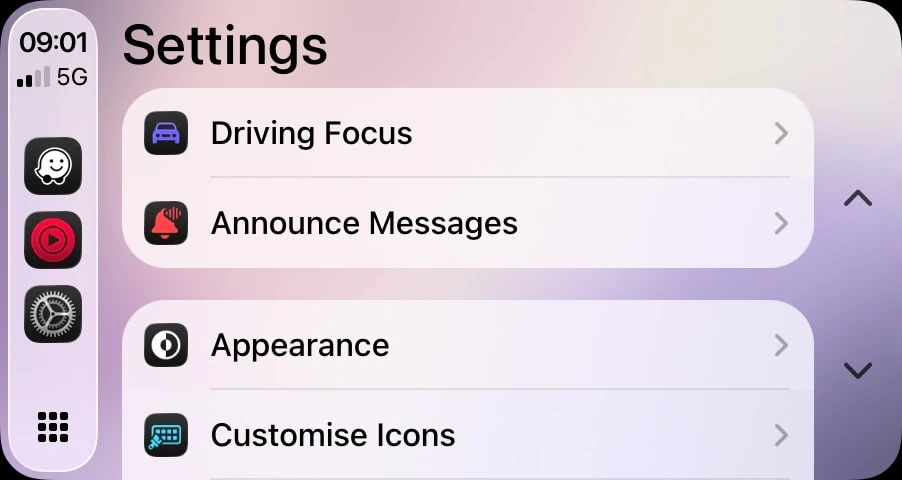
Apple usually introduces major CarPlay improvements once a year alongside large iOS releases in the fall. The latest update added widgets, refreshed icon styles, and several interface upgrades.
Google handles Android Auto differently. While some bigger features remain tied to future Android versions, many updates are deployed independently using server-side rollouts.
One upcoming example is YouTube integration for Android Auto. Google is reportedly preparing support for in-car video playback, although the feature is expected to require devices running Android 17.
The biggest advantage of Google’s system remains speed. Smaller bug fixes and general performance updates can arrive rapidly without forcing users through massive operating system installs.
That doesn’t mean Android Auto is perfect. Despite Google’s aggressive release pace, bugs still occasionally slip through testing and create problems for drivers worldwide. Managing software across countless Android phones, hardware combinations, and vehicle systems makes the proces far more complicated than Apple’s tightly controlled ecosystem.
Even so, Android Auto’s faster servicing model continues to feel more flexible and modern, especially as infotainment systems become increasingly important inside today’s vehicles.
Meanwhile, Google is already preparing a major redesign focused around immersive Google Maps navigation, with the rollout expected to begin later this year.
Apple, at least for now, still appears comfortable doing things the old-fashioned way — even if many drivers wish CarPlay moved a little fastr.
You may also be interested in the news:

Dangerous Rhythms Behind the Wheel: How Music Can Affect Driving
The songs drivers love most can influence speed, attention and risk-taking, potentially turning a routine trip into a dangerous one.
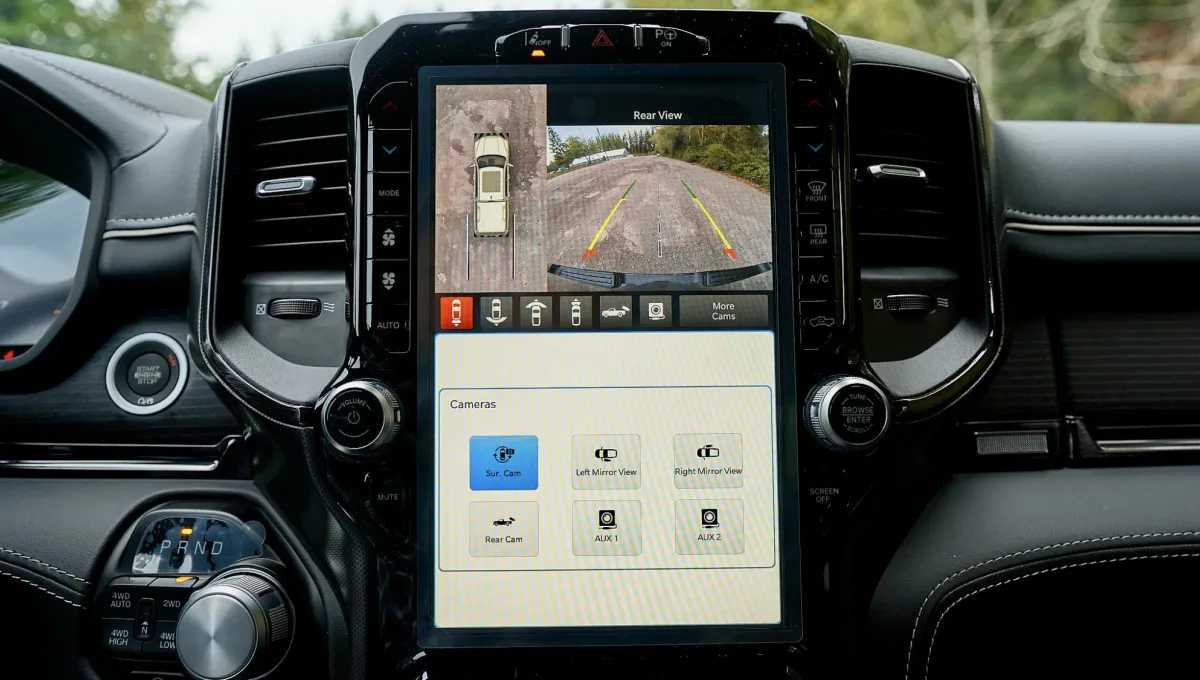
Chrysler Recalls More Than 239,000 Ram 1500 Trucks Over Rearview Camera Problem
Software can prevent the rearview camera image from appearing when Ram 1500 trucks enter Reverse.

Update Your Rivian R1 and Get the New Operating System, Now Available to First-Generation Owners
Rivian’s 2026.31 update brings RivianOS 2 to every R1T and R1S, extending the same software platform powering the newer R2.
Mitsubishi Recalls 67K Outlanders—A Backup Camera Failure Could Put Drivers at Risk
Mitsubishi is recalling more than 67,000 Outlander SUVs because a software glitch can prevent the rearview camera from displaying an image.
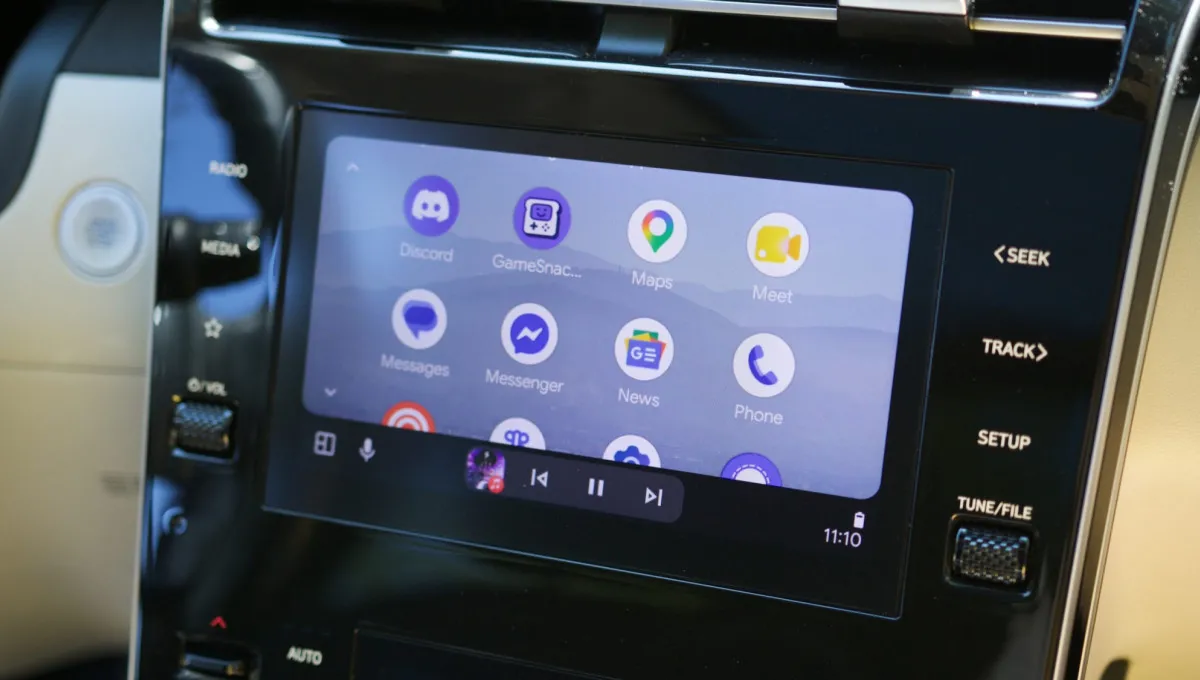
Android Auto finally fixes a connection bug that made it nearly unusable
The latest Android Auto 17.4 update fixes a connection bug that made everyday drives frustrating for affected users.