
Why Every Modern Car Has a Shark Fin on the Roof
That small bump on your car’s roof is no longer just a styling cue—it’s become a hub for vital technology.

Twenty years ago, a car without a long external antenna was a rarity. Metal rods protruding from fenders, roofs or trunk lids were a common sight, serving one simple purpose: picking up radio signals.
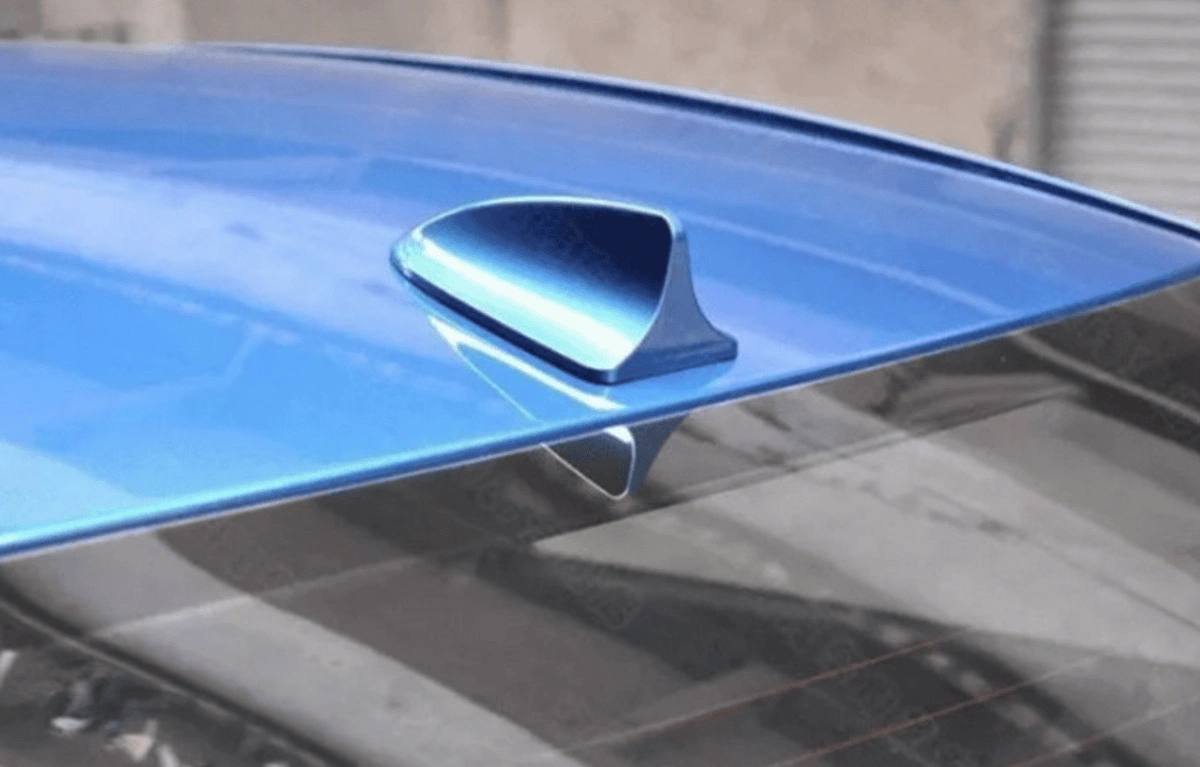
But as automotive electronics and communications technology evolved, the traditional whip antenna gradually disappeared. In its place came a small module that enthusiasts quickly nicknamed the “shark fin.” While it resembles the dorsal fin of its ocean namesake, the compact housing conceals far more technology than most drivers realize.
Today, shark-fin antennas can be found not only on luxury vehicles, but on mainstream cars as well. In fact, many people now consider them an essential part of modern automotive design without ever thinking about what they actually do.
Why Automakers Moved Away From Traditional Antennas
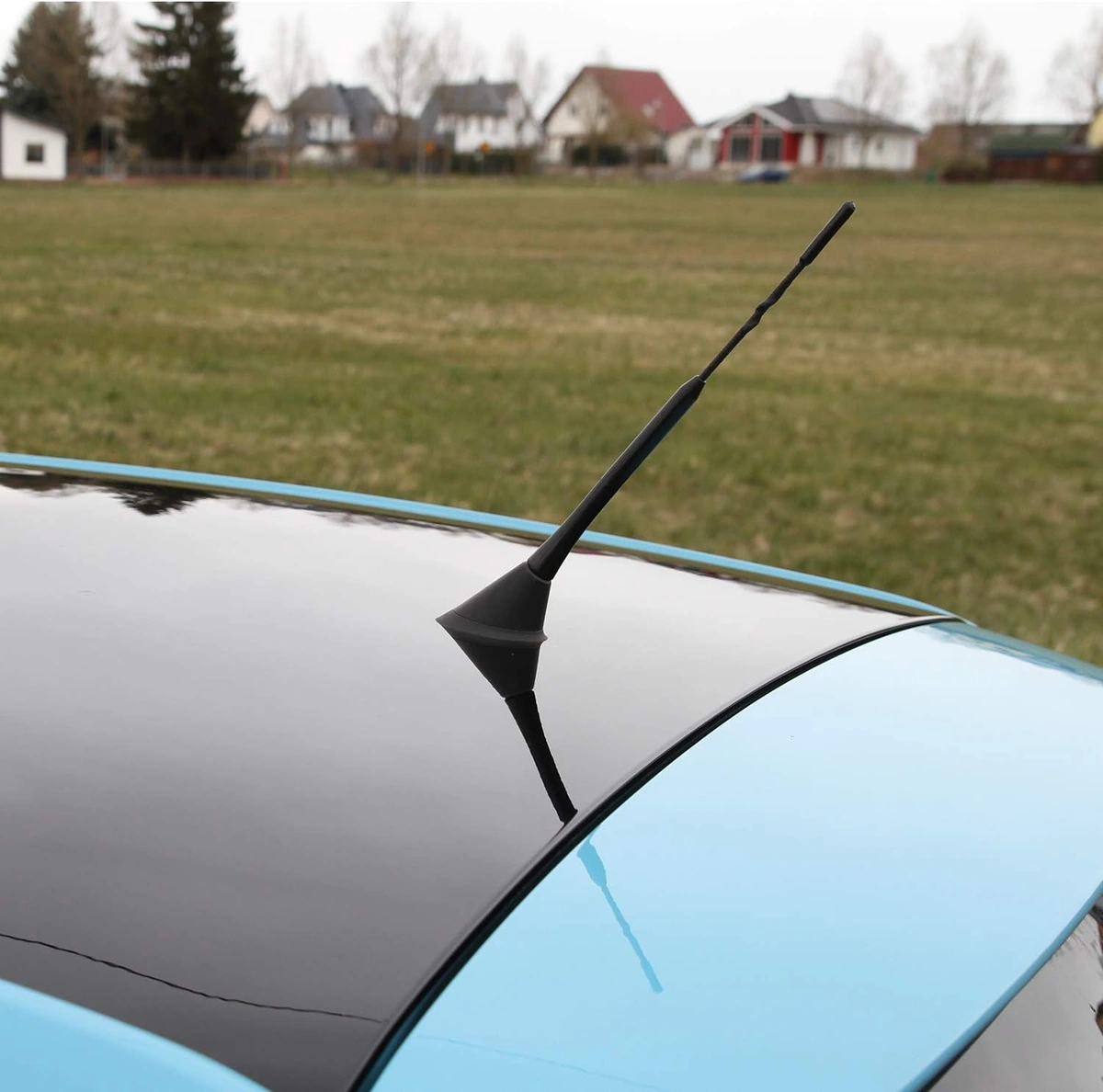
The biggest reason behind the change was the increasing complexity of vehicle electronics.
In the past, cars mainly needed a radio antenna. Modern vehicles, however, constantly communicate with multiple signal sources at once. Stable operation requires support for:
- GPS navigation;
- Satellite services;
- Cellular communications;
- Telematics systems;
- Internet connectivity;
- Streaming and multimedia functions.
Installing several separate antennas around the body would be both impractical and unattractive. Engineers came up with a much cleaner solution: combining multiple antennas inside one compact module mounted at the highest point of the vehicle.
The roof turned out to be the ideal location. Signals encounter fewer obstructions from metal body panels, allowing communications to remain stable even under difficult conditions.
As a result, shark-fin antennas gradually replaced conventional mast antennas, which were more vulnerable to weather and physical damage.
What's Hidden Inside a Shark Fin?
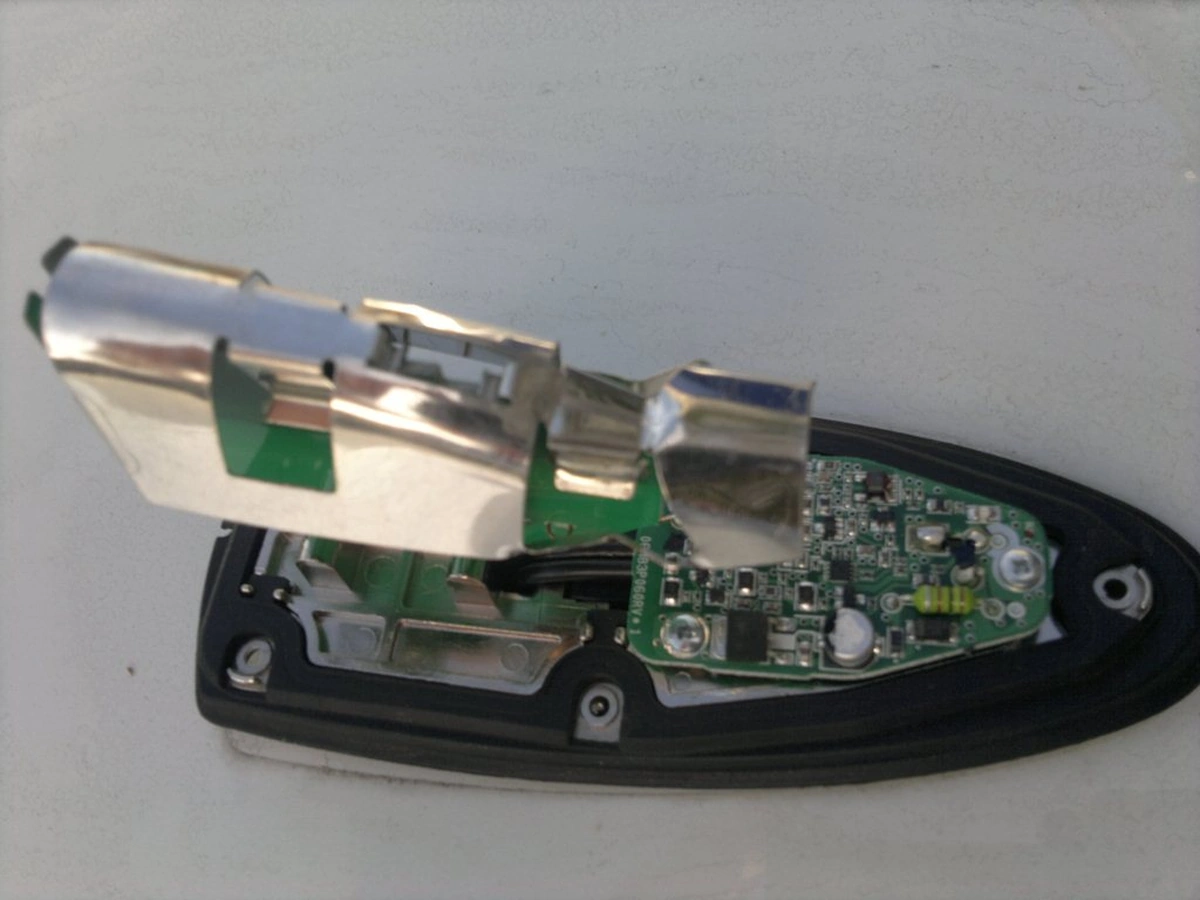
Many motorists assume the plastic housing contains nothing more than a radio antenna. In reality, the technology inside is far more sophisticated.
Modern shark-fin modules may house several antennas and communication components simultaneously. Depending on the vehicle, they can support:
- AM and FM radio;
- GPS navigation;
- Cellular connections;
- Satellite communication services;
- Built-in Wi-Fi systems.
On newer vehicles, this tiny component also enables emergency assistance services, remote vehicle diagnostics and communication with cloud-based platforms operated by automakers.
In other words, the shark fin has become an integral part of a car's digital ecosystem. Without it, many connected-car features would either stop functioning entirely or operate with significant limitations.
Better Aerodynamics and Less Noise

Aerodynamics played a role in the transition as well.
Traditional metal antennas create additional drag, especially at highway speeds. Eliminating them won't dramatically improve fuel economy on its own, but in an industry where engineers fight for tiny gains in efficiency, every detail matters.
Replacing a protruding metal rod with a compact, streamlined housing simply makes sense.
The new design also reduces wind noise. Conventional antennas could whistle or vibrate at higher speeds, while the enclosed shark-fin structure avoids those problems.
Some experts argue that the aerodynamic benefits are occasionally overstated by marketing departments. Nevertheless, the low-profile shape integrates more smoothly into the airflow surrounding the vehicle.
Improved Durability
Reliability was another major factor.
Traditional antennas were easily damaged by automatic car washes, low-hanging tree branches and careless parking. They were also common targets for vandalism, forcing owners to replace broken components.
The shark fin proved much more practical. Its sealed housing protects sensitive electronics from rain, snow, dirt and ultraviolet radiation. Since the module barely protrudes above the roofline, it's far less likely to suffer mechanical damage.
As automobiles evolve into rolling computers, dependable communications systems have become increasingly important. Protecting antenna hardware is now critical.
From Engineering Solution to Styling Feature
Over time, the shark fin became more than just a technical necessity—it became part of automotive design.
What initially appeared to be an unusual engineering solution eventually evolved into a styling element. Designers now use the shark fin to emphasize a vehicle's sporty and modern character.
Not everyone is convinced. Some enthusiasts believe the roof-mounted fin gives cars a more contemporary and recognizable appearance, while others argue vehicles would look cleaner without the extra protrusion.
Either way, the market has already spoken. Automakers have almost completely abandoned traditional antenna designs in favor of compact integrated modules.
An Important Piece of the Connected-Car Future
The automotive industry is moving rapidly toward fully connected transportation. Future vehicles will continuously exchange information with cloud platforms, roadside infrastructure and even other cars.
That means antenna systems will only become more important.
Today, the shark fin already supports navigation, telematics, safety systems and remote vehicle functions. In the years ahead, experts expect antenna modules to become even smaller and more capable. Eventually, they may disappear from sight altogether, integrated directly into body panels.
For now, though, the tiny shark fin remains one of the most recognizable symbols of modern automotive technology.
What looks like a simple design flourish is actually a sophisticated communications hub, bringing together radio reception, navigation, internet services and connected-car functions. It protects sensitive hardware, contributes to aerodynamic efficiency and reflects the industry's biggest trend: transforming the automobile into a high-tech device on wheels.
You may also be interested in the news:
You Hit ECT PWR and Your Toyota Suddenly Wakes Up: What That Mysterious Button Really Does
This little button can change the way a Toyota drives, but plenty of owners have no idea what actually happens when they press it.
Toyota Wanted a Reliable Engine — It Accidentally Built a 2,000-HP Monster
Toyota engineers may have gone too far with durability — and accidentally created the ultimate engine for hot-rodding.

It Confuses Many Drivers: What Does the Road Sign With a Thumbs-Up Mean?
This unusual sign appears near highway entrances, tunnels and other locations where roadside stops can create serious safety hazards.
We Know What the Button Behind Your Gas Pedal Does — And It's Even Found in Manual-Transmission Cars
Modern cars are packed with hidden features, and one small button behind the accelerator pedal can serve a surprisingly important purpose.

The Worst Cars in the World: A History of Automotive Failures and Disappointments
The auto industry has produced countless groundbreaking models, but some cars became infamous for all the wrong reasons.