
Kimera Unveils 972-HP Hypercar Powered by a Koenigsegg-Built V8
The new Kimera K39 blends Group C racing inspiration with nearly 1,000 horsepower and cutting-edge Italian engineering technology.
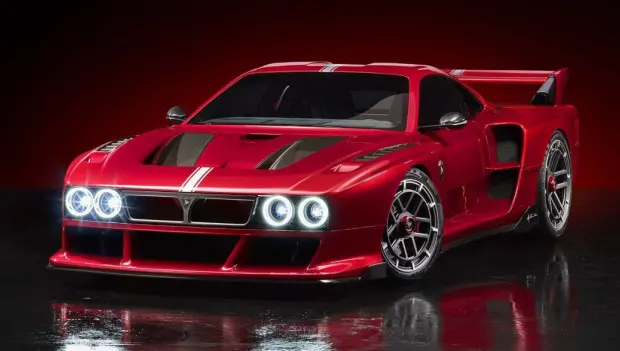
Italian boutique manufacturer Kimera Automobili has officially stepped into the hypercar world. At the prestigious Concorso d’Eleganza Villa d’Este in Italy, the company revealed the all-new Kimera K39 — the brand’s first completely original vehicle developed entirely from scratch.
Until now, Kimera had built its reputation on modern reinterpretations of legendary 1980s Lancia rally cars, including the EVO37 and EVO38. The K39, however, marks a dramatic shift in direction. This isn’t a restomod or retro-inspired remake. It’s a full-blown modern hypercar designed to compete in the ultra-exclusive upper tier of performance machines.
And for such an ambitious debut, Kimera partnered with one of the biggest names in the hypercar industry.
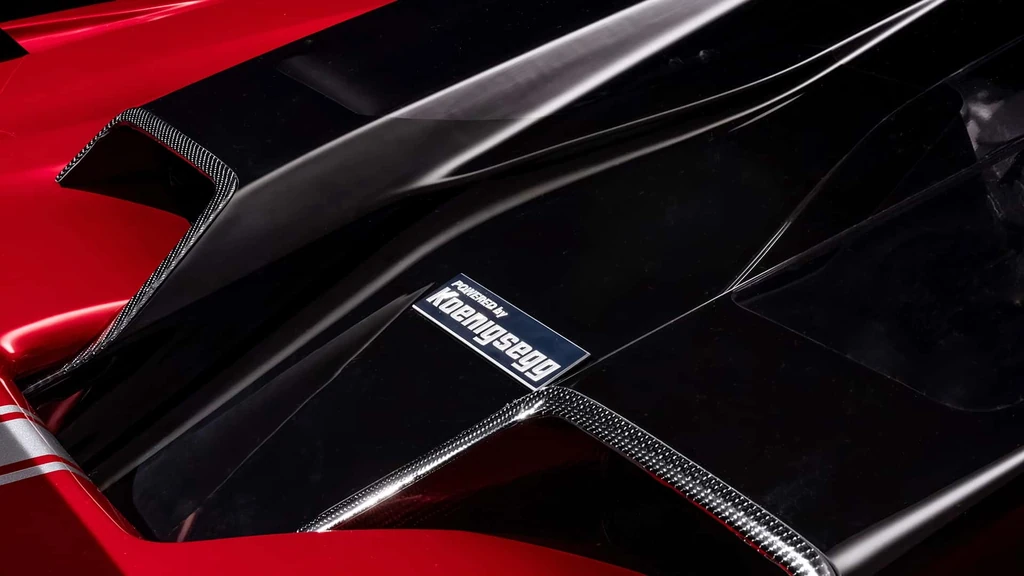
The centerpiece of the K39 is a specially adapted twin-turbocharged 5.0-liter V8 developed alongside Koenigsegg. The engine produces 972 horsepower at 7,350 rpm and delivers 885 lb-ft of torque. Redline arrives at a screaming 8,250 rpm.
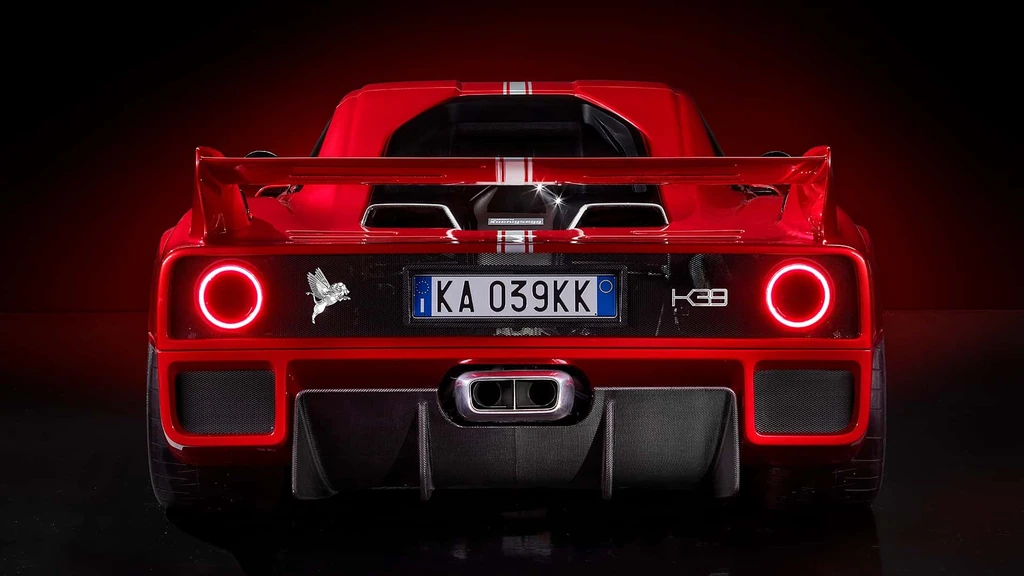
According to Kimera, the engine was specifically recalibrated to match the character of the car. Unlike some ultra-aggressive Koenigsegg applications focused purely on raw numbers, the K39 emphasizes throttle response, linear power delivery, and a more analog driving experience.
Despite its old-school personality, the powertrain fully complies with modern emissions standards and even supports over-the-air software updates.
Kimera also brought in Dallara, one of Italy’s most respected motorsport engineering firms, to help develop the car.
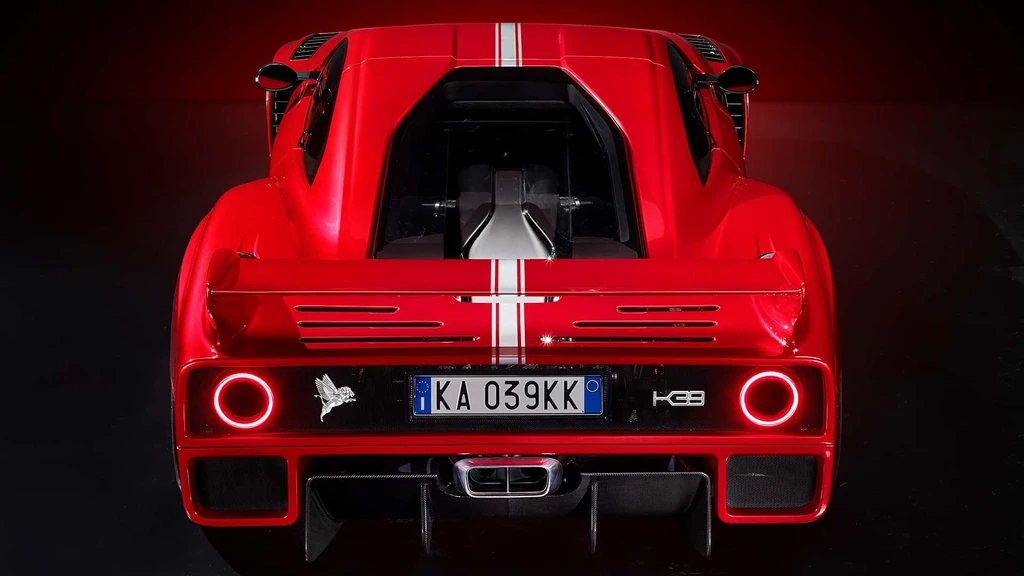
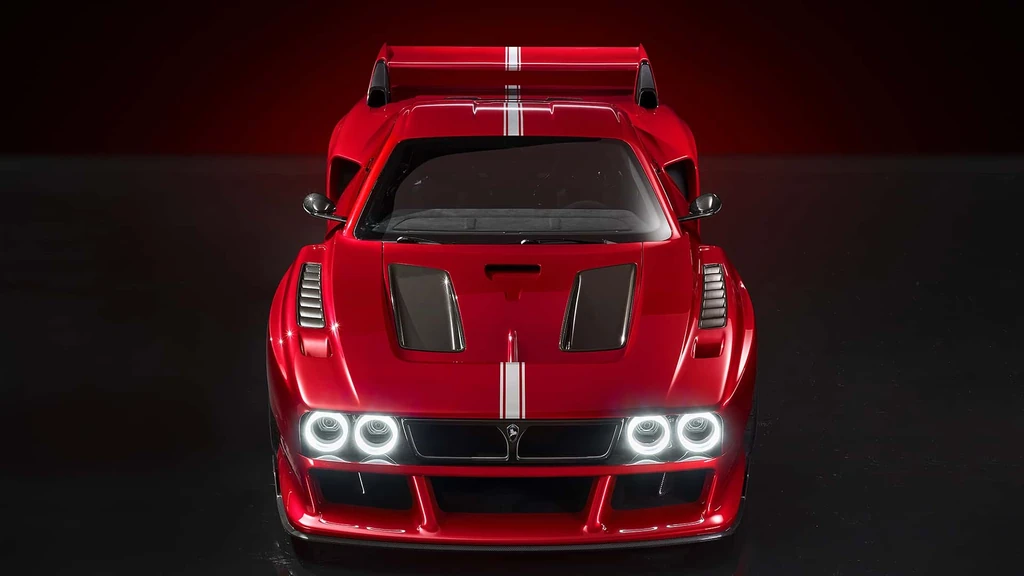
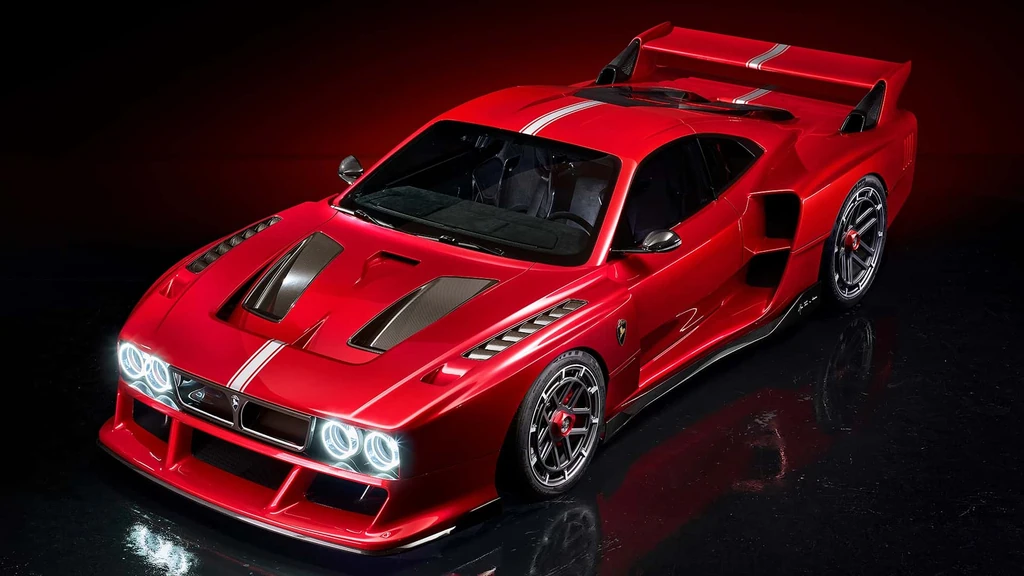
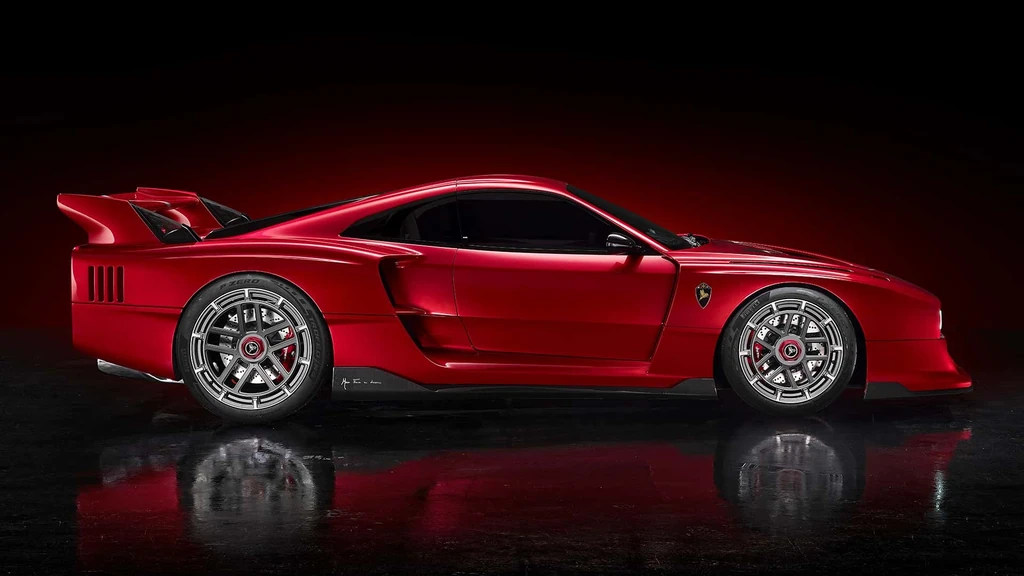
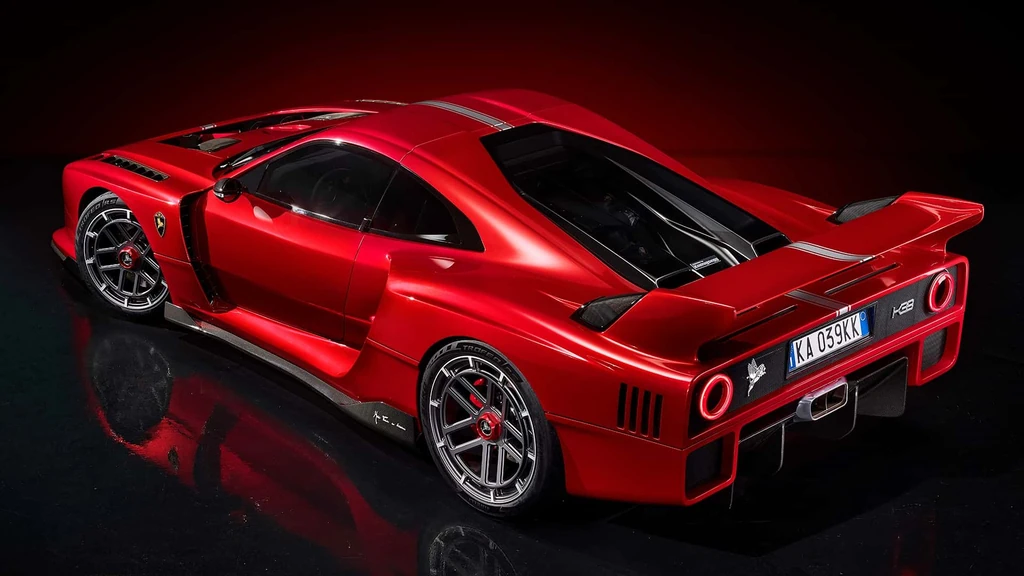
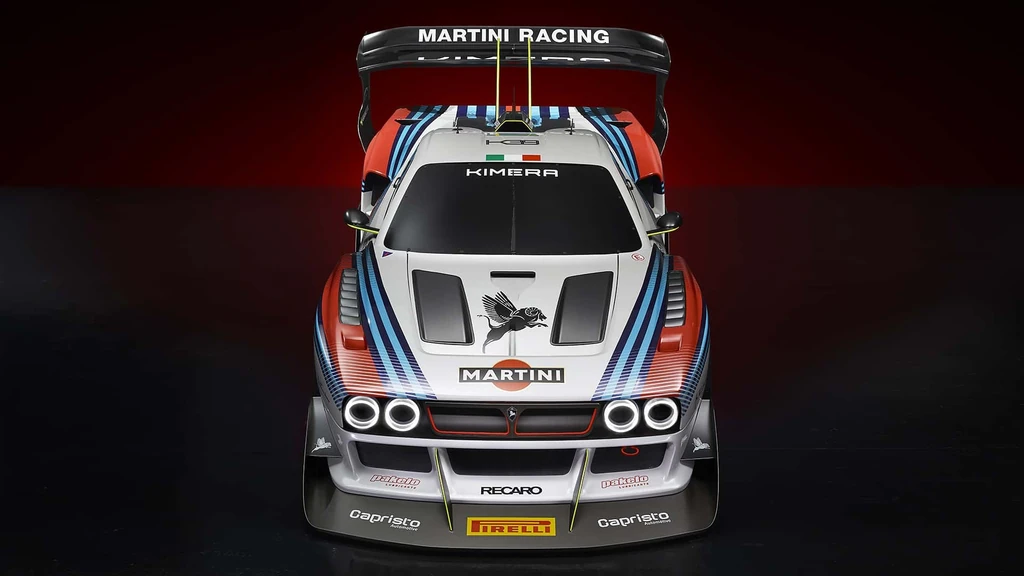
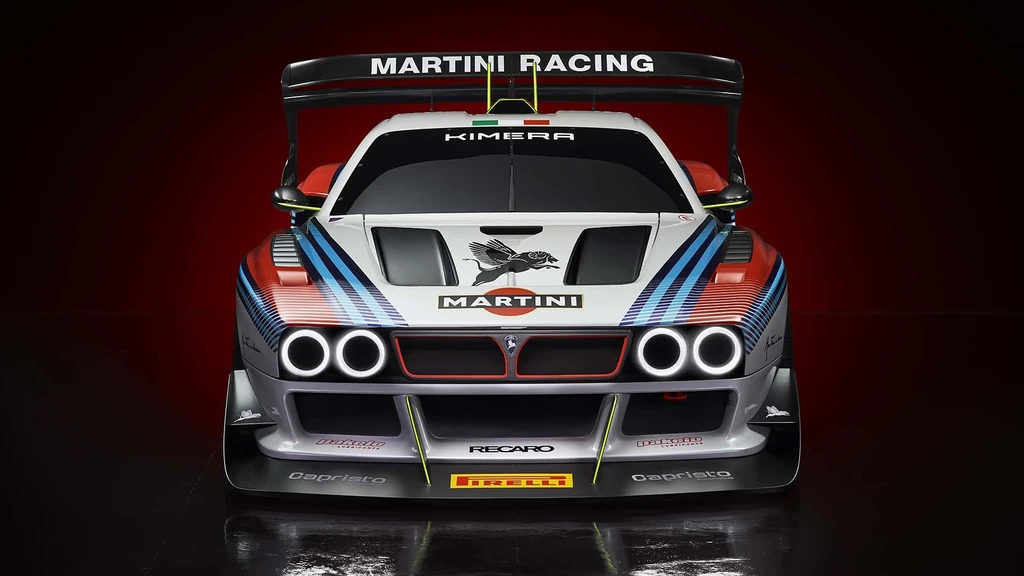
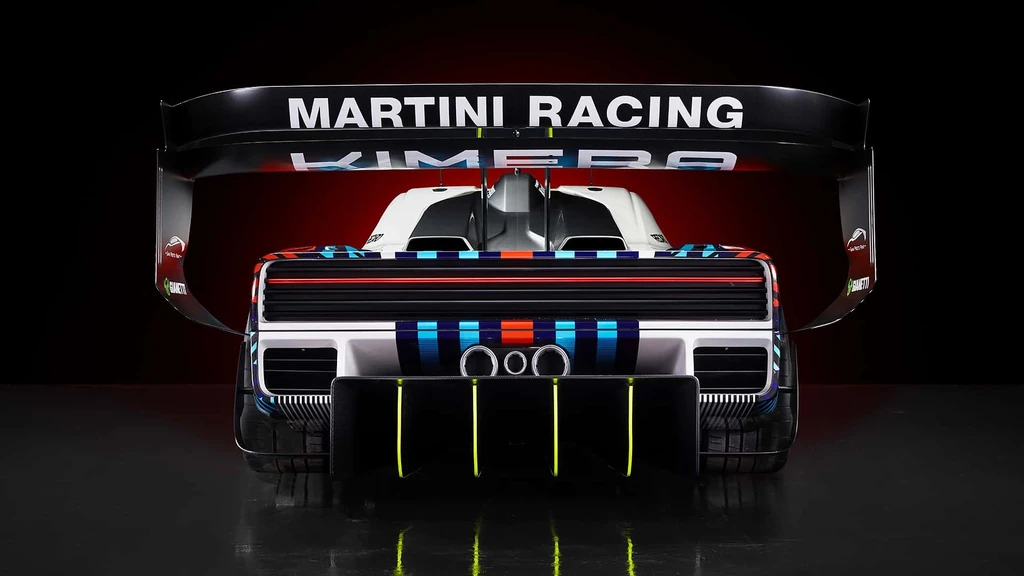
Visually, the K39 takes heavy inspiration from 1980s World Sportscar Championship racers — especially the iconic Group C era and classic Le Mans prototypes. The hypercar sits extremely low, stretches long across the pavement, and wears dramatic aerodynamic bodywork throughout.
There are clear design connections to earlier Kimera projects, particularly in the front and rear styling, but everything here feels more aggressive, more futuristic, and far more extreme.
Aerodynamics played a central role from the beginning. The front end uses an S-duct system to manage airflow, while the massive rear wing draws obvious inspiration from vintage endurance racers. Even the lighting elements are integrated directly into the aerodynamic structure of the body.
Alongside the standard model, Kimera also unveiled a dedicated Pikes Peak version featuring an even more aggressive aero package and chassis setup optimized for hill-climb competition. Surprisingly, the car still remains fully street legal.
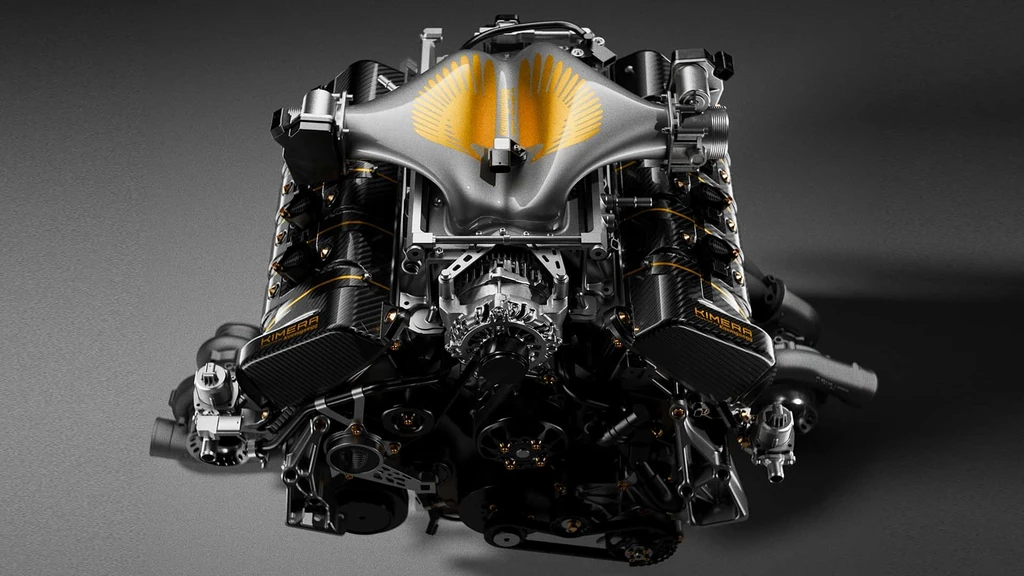
Like every Kimera model, the K39 will be exceptionally rare. Before the public unveiling even took place, the company had already allocated more than 20 cars to selected customers. The first ten buyers will also gain access to the exclusive Pikes Peak specification.
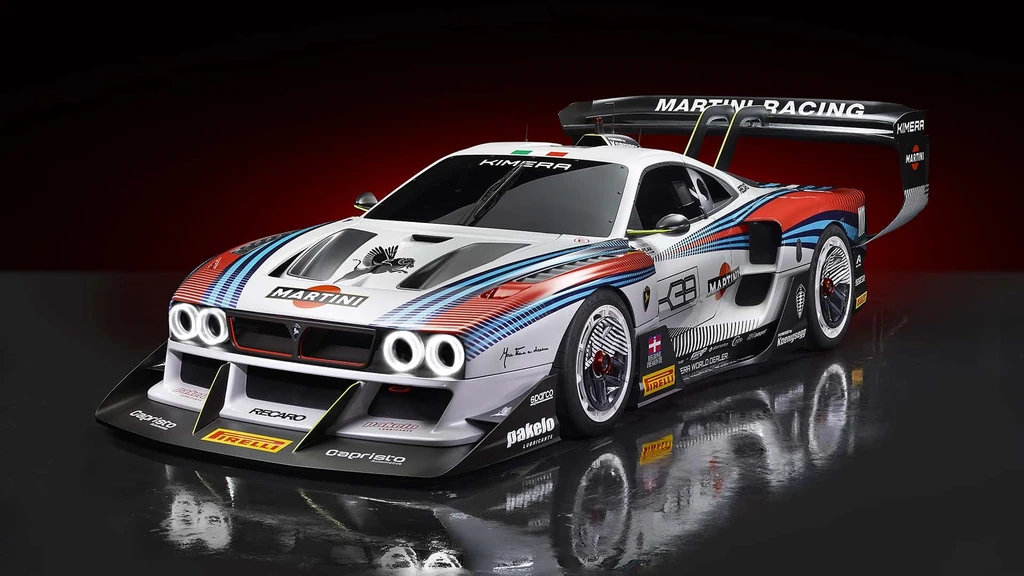
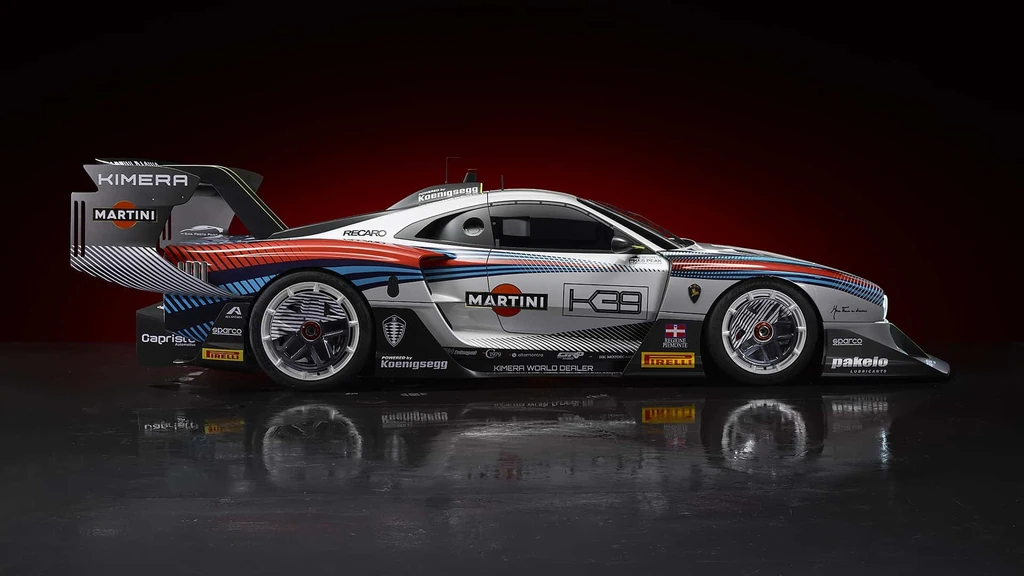
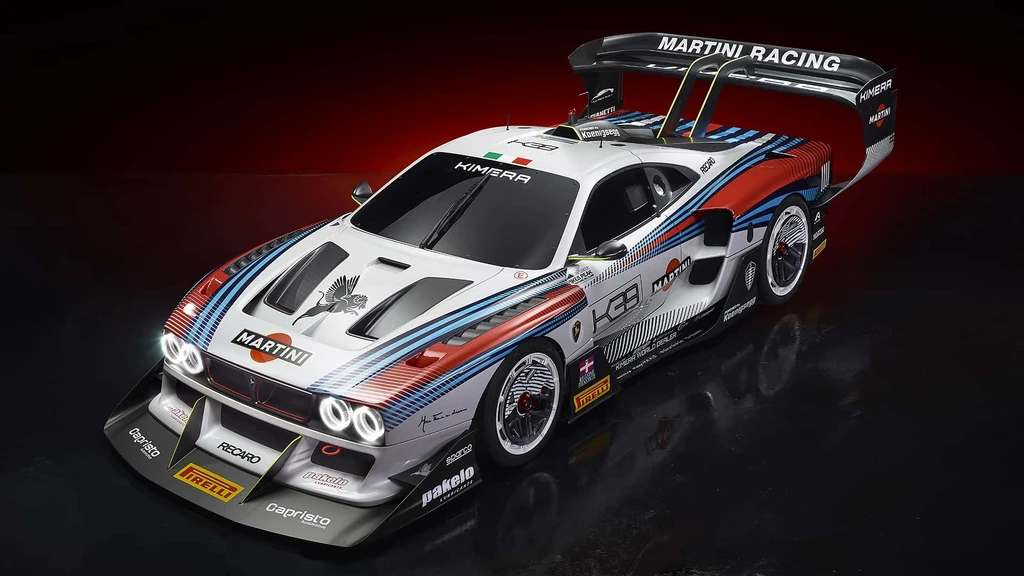
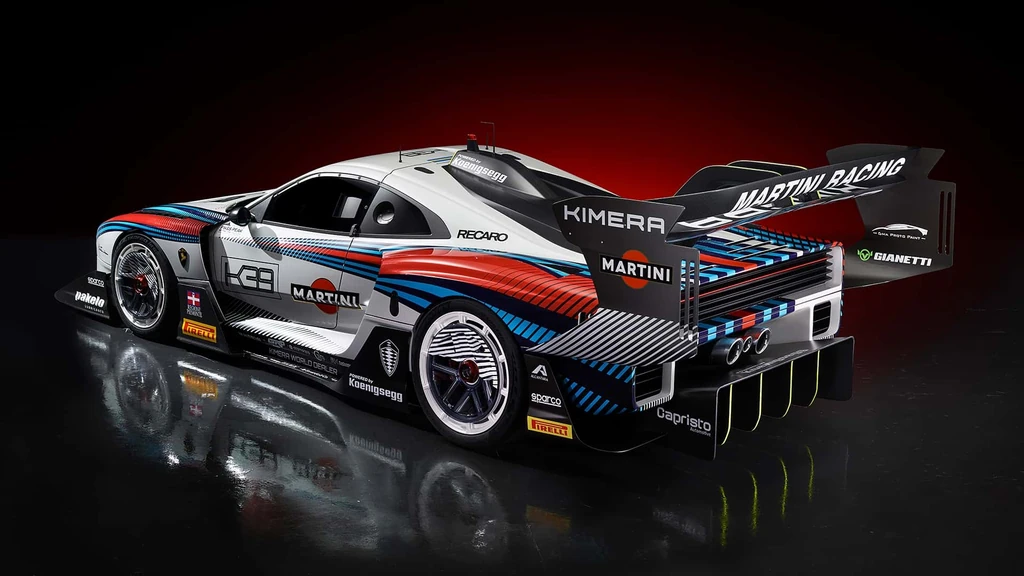
Following its Villa d’Este debut, the K39 will begin a global tour with appearances planned at major automotive events including the Goodwood Festival of Speed, Monterey Car Week, Spa-Francorchamps, and Le Mans Classic.
At Le Mans Classic, company founder Luca Betti is expected to personally drive the historic race car that inspired the K39’s creation — a symbolic link between motorsport’s past and its future.
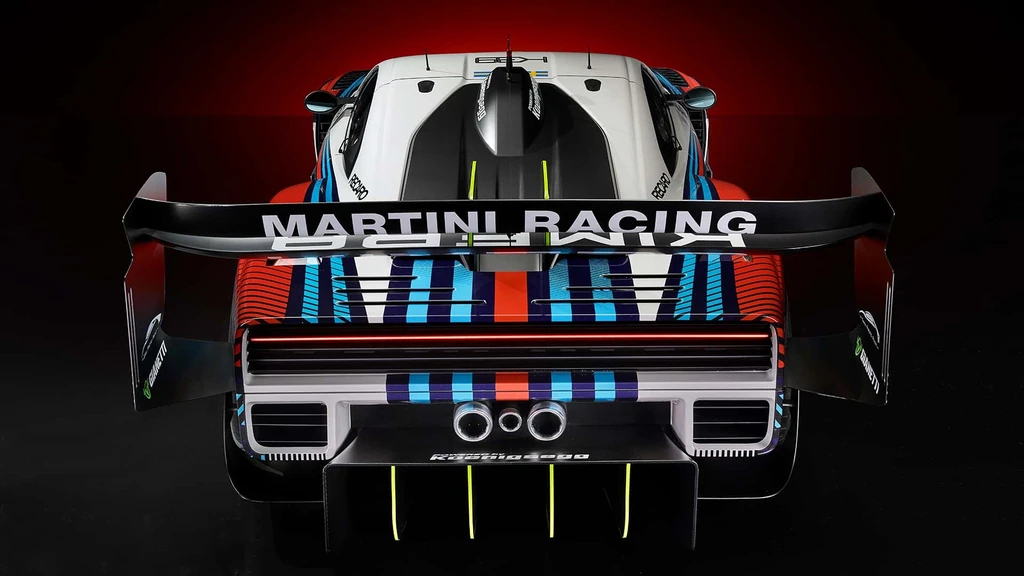
For Kimera, this project goes far beyond nostalgia. The company is clearly trying to establish its own identity in the modern hypercar world.
And launching that mission with a nearly 1,000-horsepower V8 tied to Koenigsegg is certainly one way to get everyone’s attention.
You may also be interested in the news:
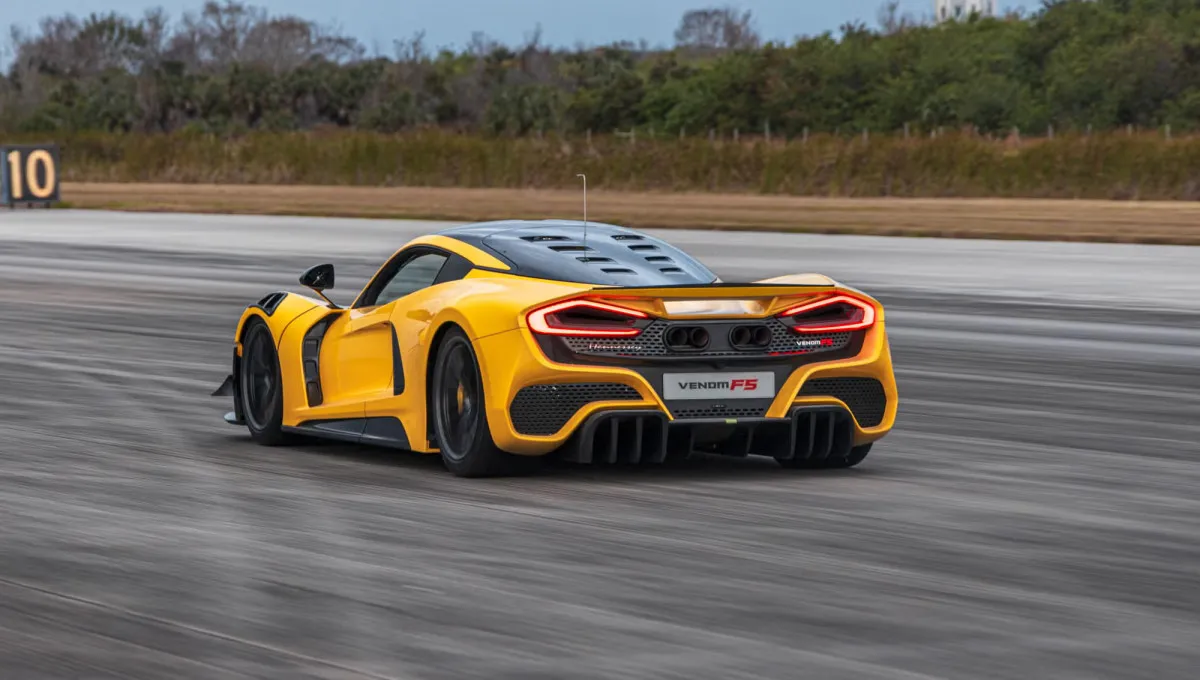
Experts Name the Two Most Powerful Production Sports Cars in the U.S.
American sports cars continue to impress with their horsepower, speed and innovative engineering, with two models standing above the rest.
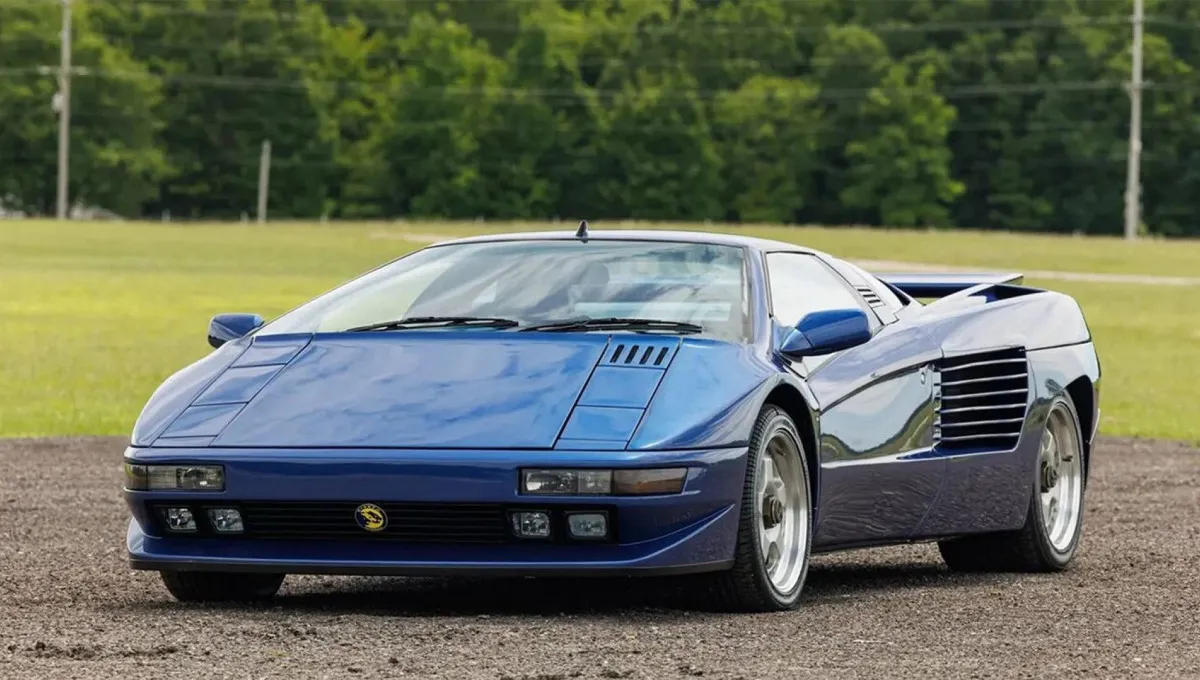
The “Hypercar Among Supercars”: The Story of the Unique Cizeta Moroder With a V16 Engine
In the world of automotive exotica, few cars are as mysterious and ambitious as the Italian Cizeta V16T.
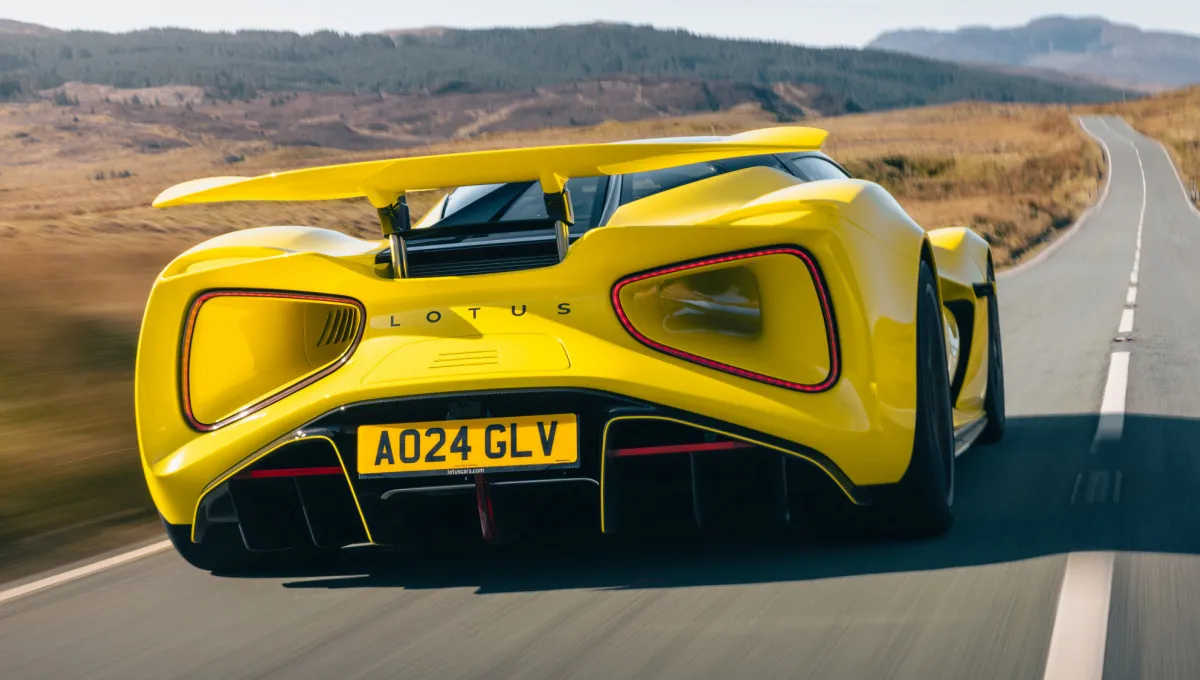
6 Most Incredible Hypercars: You’re Almost Never Going to See Them on the Road
Today’s most extreme performance cars are hypercars, combining staggering power, cutting-edge technology and production numbers measured in the hundreds.