
Honda Recalls Nearly 100,000 Vehicles Over Airbag Defect That Could Increase Injury Risk
A faulty seat sensor has prompted Honda to recall thousands of vehicles nationwide.

Honda has announced a recall affecting nearly 100,000 vehicles after discovering a defect that could cause airbags to deploy when they shouldn't.
According to federal safety regulators, the issue involves the front passenger seat's occupant detection system. A component inside the seat weight sensor may crack after prolonged exposure to humidity, potentially creating an electrical short circuit that interferes with the system's ability to correctly identify who is sitting in the seat.
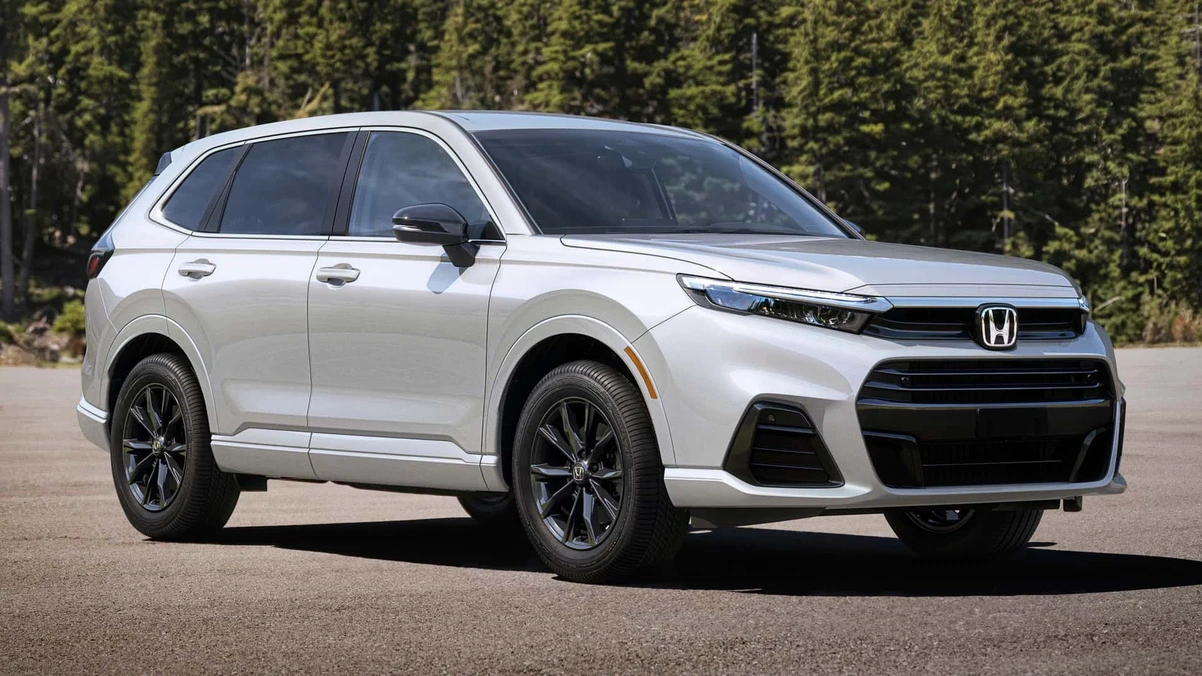
The concern is particularly serious because the defect could trigger deployment of the front passenger airbag and knee airbag during a crash even when the seat is occupied by someone for whom airbag activation should be suppressed.
Honda says this could include infants in child safety seats, young children, or smaller passengers who fall below the system's deployment threshold. In those situations, unintended airbag deployment could increase the risk of injury rather than reduce it.
The recall covers a wide range of Honda and Acura models produced over multiple years, including:
- Honda Civic (2016-2022)
- Honda Accord (2016-2022)
- Honda Accord Hybrid (2017-2022)
- Honda Civic Hatchback (2017-2021)
- Honda Civic Type R (2017-2018, 2021)
- Honda CR-V (2017-2022)
- Honda Pilot (2017-2022)
- Honda Ridgeline (2017-2021, 2023, 2025)
- Acura MDX (2017-2020, 2022-2026)
- Honda Odyssey (2018-2026)
- Honda Fit (2018-2020)
- Acura TLX (2018-2021, 2023)
- Honda HR-V (2019-2021)
- Honda Passport (2019-2021)
- Honda Insight (2019-2022)
- Acura RDX (2019-2024)
- Honda CR-V Hybrid (2020-2022)
Honda reports receiving 228 warranty claims potentially related to the issue as of May 14. Despite those claims, the company says it has not received any reports of injuries or fatalities connected to the defect in the United States between February 2021 and October 2025.
The root cause has been traced to a capacitor located within the sensor's printed circuit board. Under certain conditions, moisture exposure can cause the component to crack, eventually leading to sensor malfunction.
To correct the problem, Honda and Acura dealerships will replace the affected seat weight sensor with an updated component at no cost to owners.
Owners of impacted vehicles will receive notification letters beginning July 6. Once notified, they will be instructed to schedule an appointment with an authorized dealer for the repair.
The recall affects some of Honda's most popular models, including the Civic, Accord, CR-V, and Pilot, meaning tens of thousands of drivers may need to visit their local dealership in the coming months.
While no injuries have been linked to the defect so far, Honda is urging owners not to ignore the recall notice. Occupant detection systems play a critcal role in modern airbag operation, and even a small malfunction can have serious consequences during a collision.
Customers seeking additional information can contact Honda customer service at 1-888-234-2138 or Acura customer service at 1-800-382-2238.
For now, Honda says the repair is straightforward, but addressing the issue promptly remains the safest cours of action for affected owners.
You may also be interested in the news:
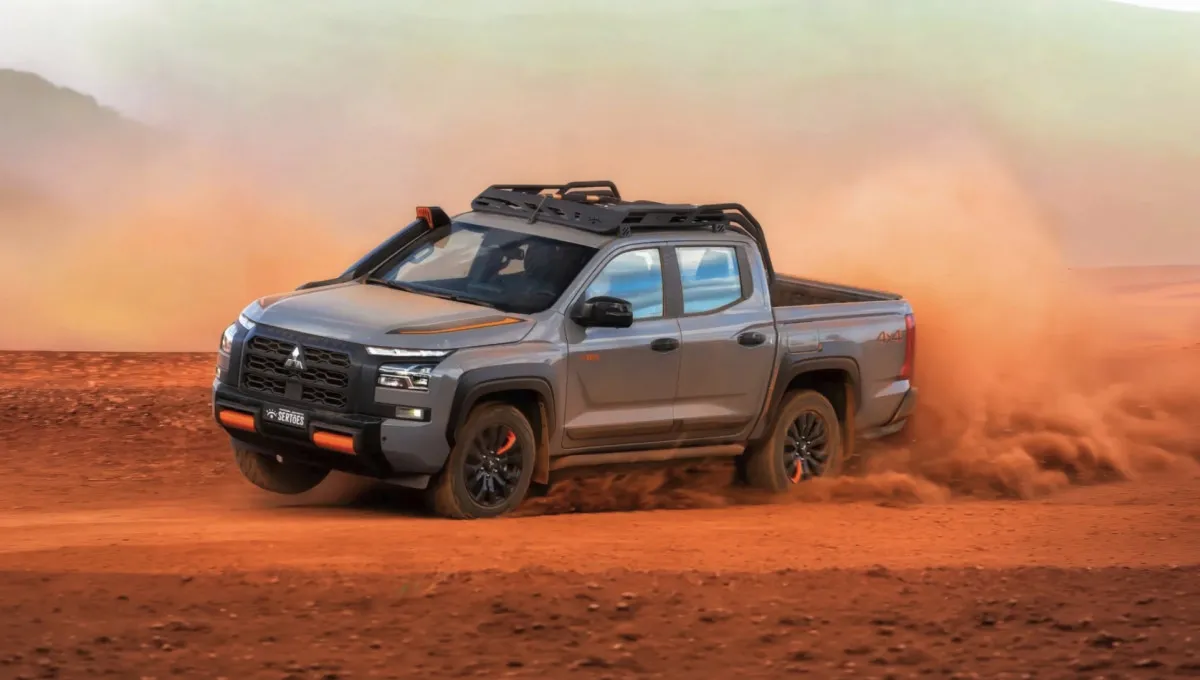
Honda Could Launch a Mitsubishi-Based Midsize Pickup in 2028
Honda could enter the midsize pickup market with a rebadged Mitsubishi Triton, expanding its Southeast Asian lineup as early as 2028.
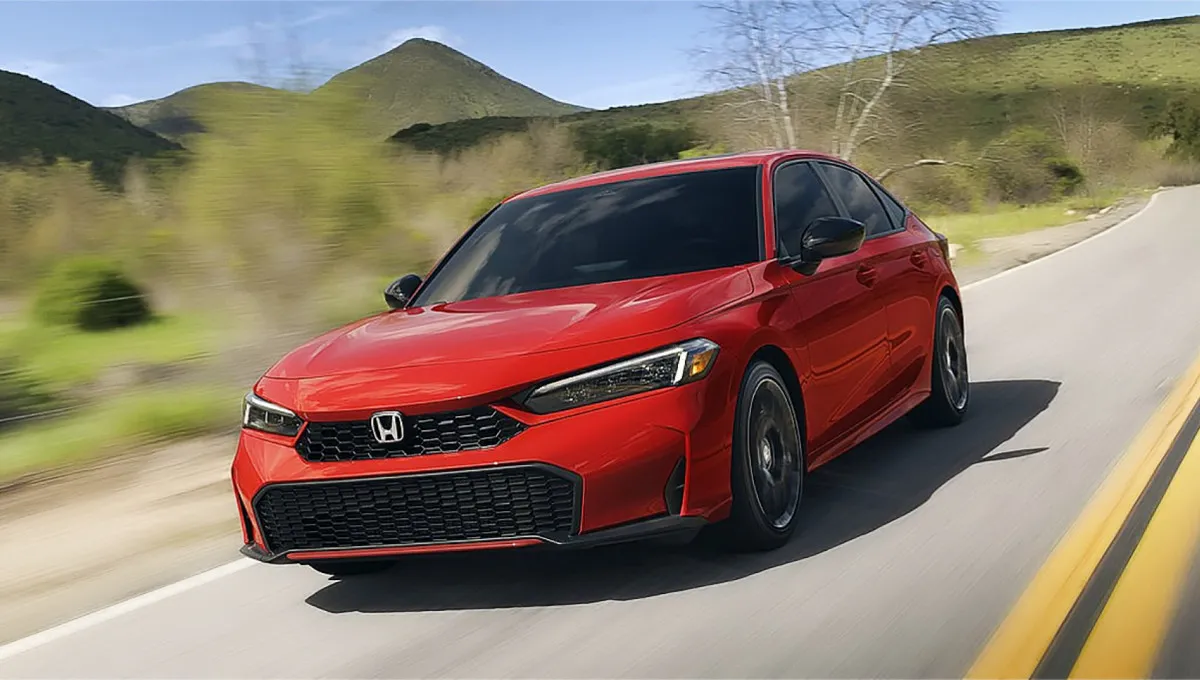
The 2027 Honda Civic Just Got More Premium — And It Still Starts Under $27,000
Honda has updated the Civic for the U.S. market, adding premium features and new driving technology without significantly raising prices.
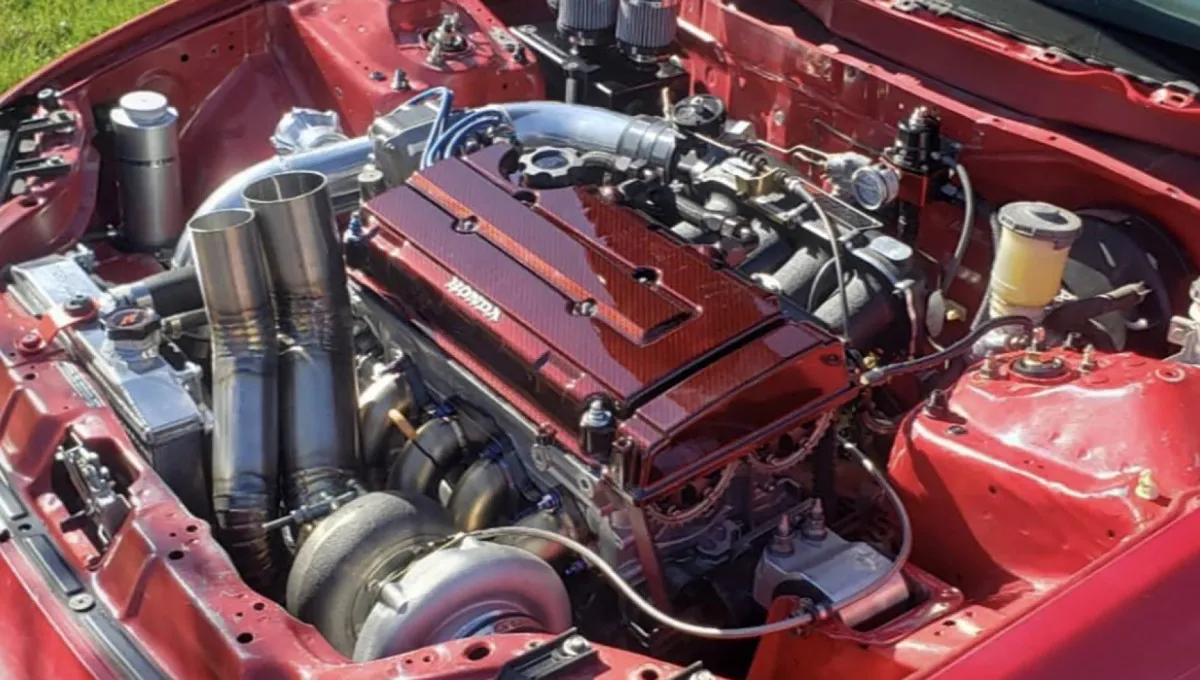
Honda K-Series Engines Can Go Past 300,000 Miles — Here's Why They're So Reliable
How long can a Honda K-series engine last, and what makes this family of Japanese engines so durable?
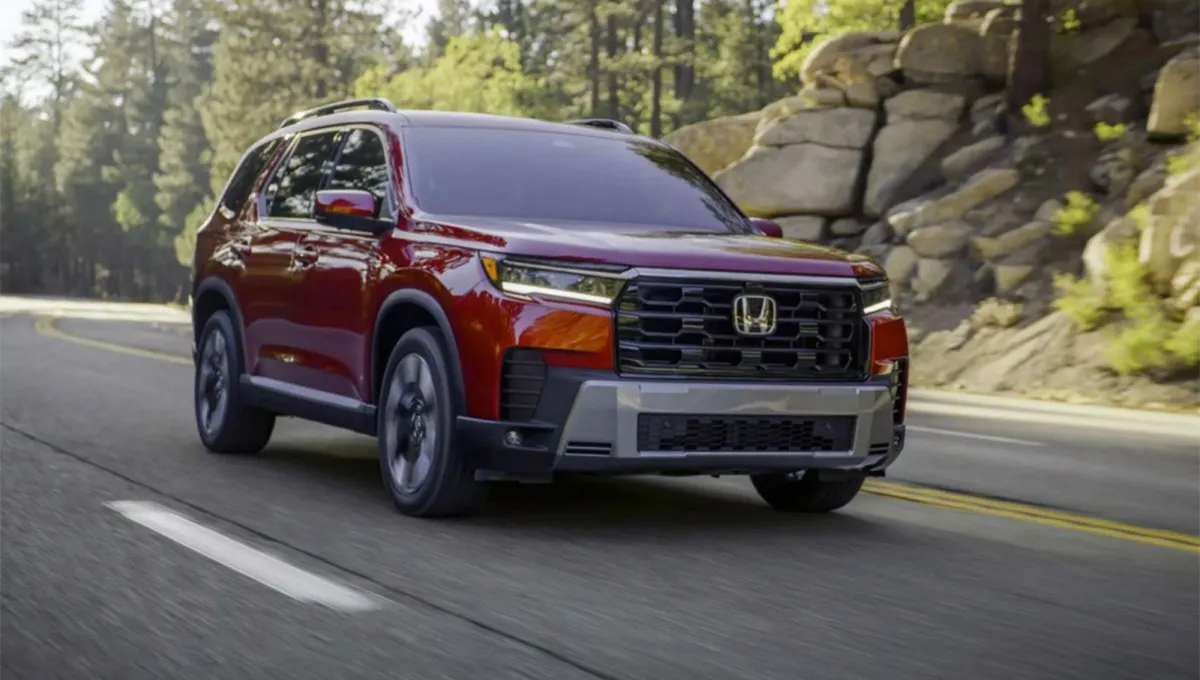
Honda May Be Building an SUV So Big It Could Rival America’s Biggest Three-Row Models
Honda could be preparing a much larger three-row SUV, potentially stretching nearly as long as a full-size American SUV.
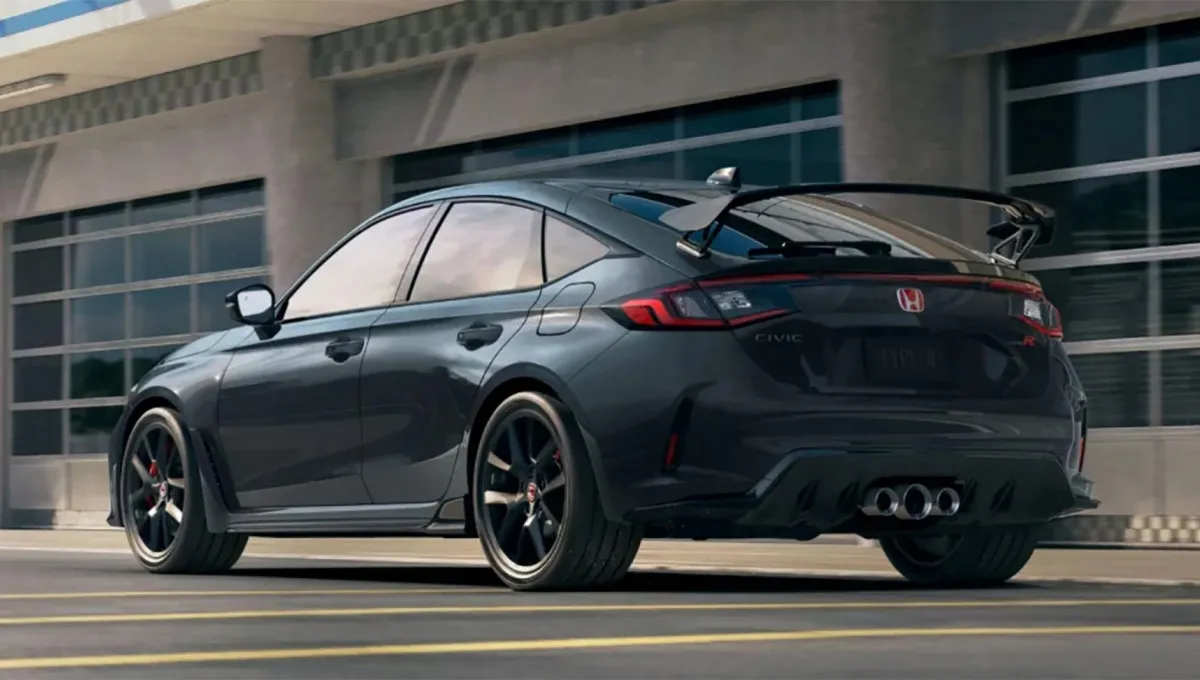
Updated Honda Civic Type R Arrives in the U.S. at $48,695 With Sharper Handling and More Comfort
Official pricing and specifications have been announced.