
The Car That Changed American Automotive Design
As Detroit's extravagant tailfin era faded, one luxury sedan quietly reshaped the future of American cars.

Among America's luxury automakers, Cadillac long held the crown. The brand not only set the standard for engineering and prestige but also defined automotive styling for decades. Its iconic tailfinned models remain some of the most recognizable vehicles ever produced. Lincoln, by comparison, often played second fiddle, following Cadillac's lead rather than setting its own direction. That changed dramatically in the early 1960s, when Lincoln found itself in financial trouble and bet its future on a single car capable of challenging Cadillac head-on. The result was arguably the finest Lincoln ever built—and one of the most influential American automobiles of its era.

The company's troubles stemmed largely from the expensive Continental Mark II and the disappointing Mark III, which reportedly saddled Lincoln with losses totaling around $60 million by the beginning of the decade. Faced with mounting financial pressure, Ford executives made a bold strategic decision: reduce Lincoln's lineup to a single model, the Continental.
Having learned a costly lesson from the ambitious but expensive Mark II, engineers were instructed to use as many existing Ford components as possible. The new Continental was built on a modified version of the Ford Thunderbird's body-on-frame platform. Its 300-horsepower V8 engine and three-speed transmission were carried over from the previous Mark III, as were the power-assisted drum brakes.

While engineers faced strict budget limitations, Lincoln's design team was given far more freedom. By the late 1950s, many industry insiders recognized that buyers were growing tired of the flamboyant excess of Detroit's tailfin era. Simpler, cleaner styling was beginning to gain favor, and Lincoln embraced that shift completely.
The new Continental featured crisp lines, restrained proportions, and an elegant, minimalist appearance. Sharp body creases added visual interest, while a full-width grille integrated the round headlights into a cohesive front-end design. Beneath its understated appearance was a practical advantage: straight, clean surfaces tended to age far more gracefully than the dramatic curves and decorative flourishes that dominated previous American luxury cars.

When the Lincoln Continental debuted for the 1961 model year, it was backed by an aggressive marketing campaign. Advertisements emphasized that its refined styling would appeal to sophisticated buyers who appreciated European-inspired design and conservative luxury.
Lincoln also highlighted the car's quality. The company offered an impressive two-year warranty, an unusually confident move for the era. That confidence was based on extensive testing and quality control procedures. Most of the Continental's major components had already been proven in production vehicles, and each part underwent thorough inspection before assembly. The cars themselves were assembled with a high degree of hand-finishing, followed by final inspections and a 12-mile road test.
The strategy worked.

For just over $6,000, buyers received a beautifully built luxury sedan with distinctive styling, excellent equipment, and a level of craftsmanship that rivaled anything from Cadillac. Few customers cared that some of the mechanical components came from less expensive Ford products.
The Continental became a commercial success, with production reaching 25,160 units—an impressive figure for a luxury car in that segment.
More importantly, its influence extended far beyond Lincoln showrooms. The Continental helped usher in a new era of American automotive design, proving that clean, geometric styling could be every bit as desirable as chrome-heavy excess. In doing so, it helped redefine the look of American cars for years to come.
You may also be interested in the news:
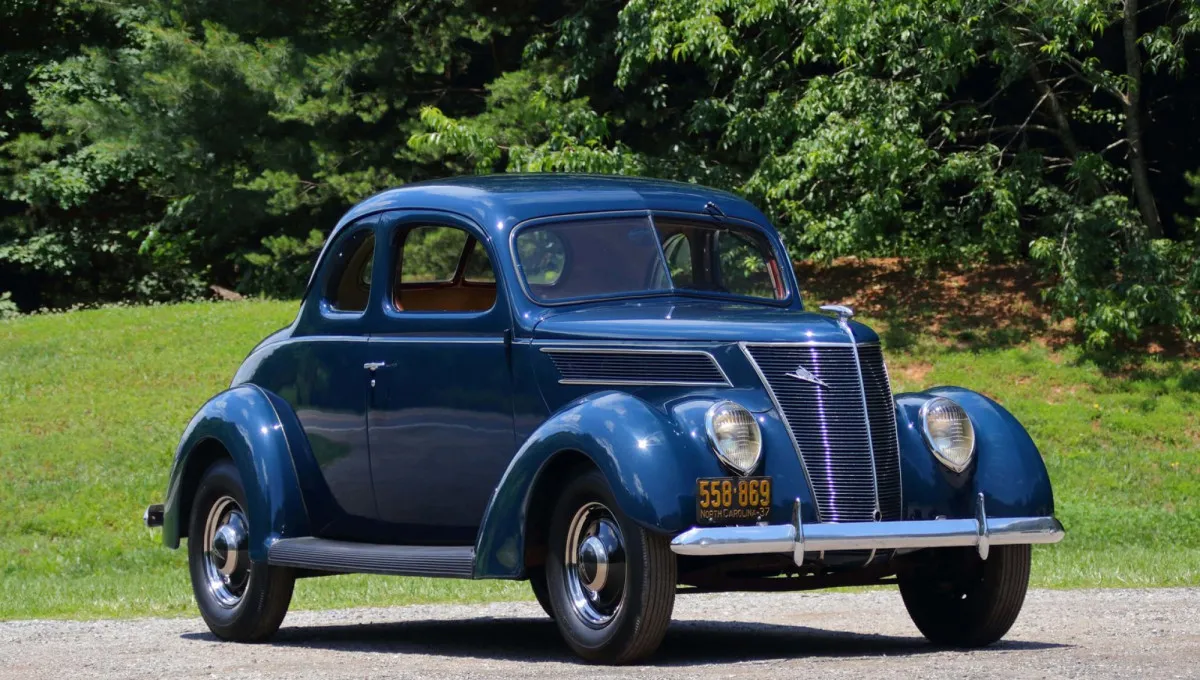
The 1937 Ford Was a Quality Car at an Affordable Price — Here’s What Made It Stand Out
The 1937 Ford featured several major changes and improvements. Let’s take a closer look.

Two Ferrari F40s Spotted on Google Maps Turn Out to Be Pontiac Fiero Replicas
Two Ferrari F40 lookalikes spotted on Google Maps in Spain turned out to be replicas built on an American sports car.
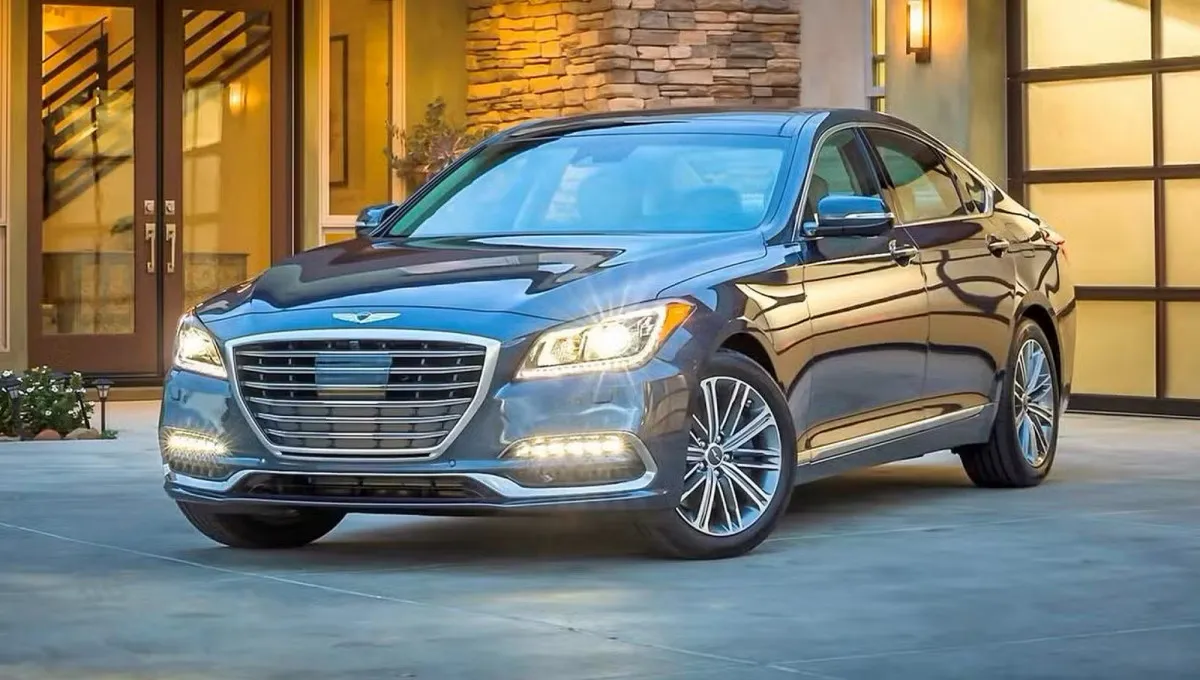
Hyundai Recalls Nearly 95,000 Genesis Sedans Over Fire Risk From Power Seats
Hyundai is recalling 94,622 Genesis sedans after a faulty power seat switch was linked to overheating and potential vehicle fires.
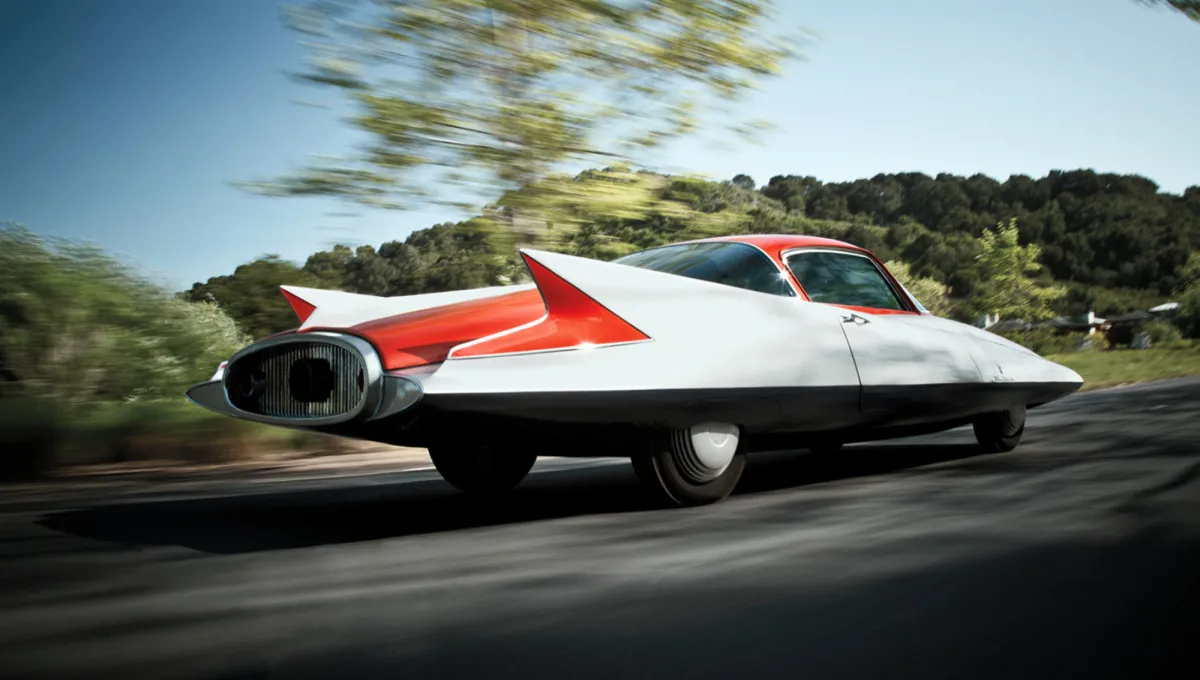
10 Concept Cars From the 20th Century That Look Like They Came From the Future
From futuristic cockpits to rocket-inspired bodies, these 10 vintage concept cars pushed design boundaries and still look spectacular today.
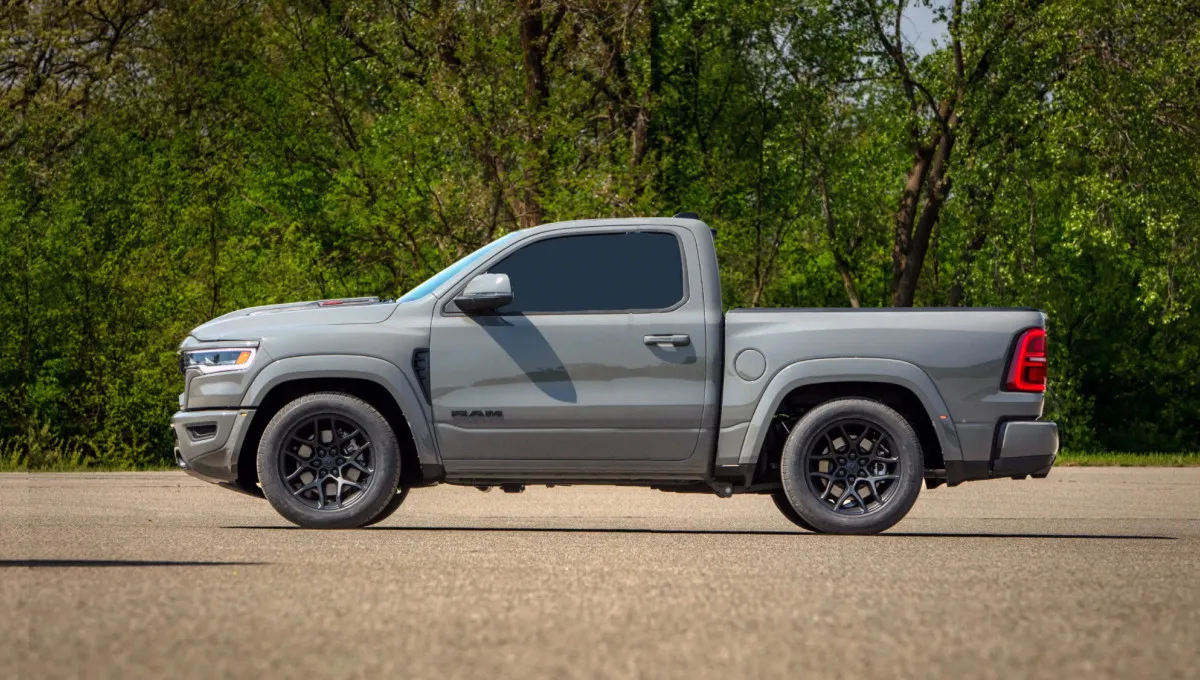
2027 Ram 1500 Rumble Bee: Pricing, Options and How to Build Yours
The 777-HP Ram Rumble Bee Is Coming — But You Can Buy the New Hemi Truck Now