
EU Proposes Scrapping Tariffs on U.S. Goods in Exchange for Lower Car Duties
The European Commission has proposed eliminating tariffs on U.S. industrial goods in return for lower American duties on European-made cars.
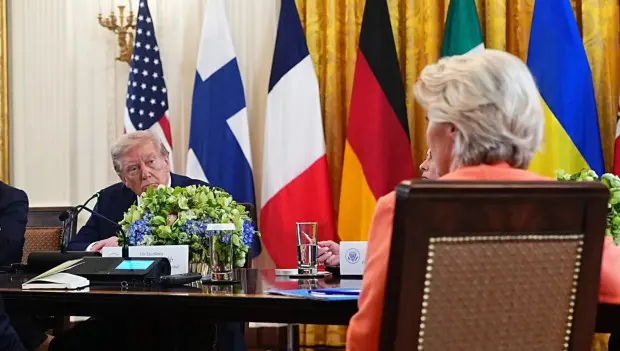
The European Commission has proposed eliminating tariffs on U.S. industrial goods in return for lower American duties on European-made cars. The move is part of a trade agreement reached between the EU and the United States last month.
The proposals, unveiled on August 28, mark the EU’s first step toward implementing the framework deal struck on July 27 between President Donald Trump and European Commission President Ursula von der Leyen. That agreement called for the EU to adopt a 15% tariff rate to avoid a broader trade war.
Under the terms, the U.S. agreed to cut its tariffs on cars imported from Europe from 27.5% to 15%, effective August 1—the first day of the month in which the EU presented its legislative proposal.
The deal ended a standoff between the world’s two largest trading and investment partners. Still, it is an asymmetric arrangement: the EU must lower tariffs and expand purchases of American energy, while the U.S. maintains duties on about 70% of European exports.
The impact of lifting tariffs on industrial goods may be limited, as roughly two-thirds of such goods are already exempt. The EU’s average tariff on U.S. products is just 1.35%, according to the Brussels-based think tank Bruegel, though cars remain subject to a 10% duty.
The EU’s proposal also covers some agricultural products, including zero tariffs on potatoes, lower duties on tomatoes, and low- or no-tariff quotas for pork, cocoa, and pizza. Meat, poultry, rice, and ethanol were excluded from the deal.
The legislative proposal must be approved by a majority of the EU’s 27 member states and the European Parliament, a process that could take several weeks.
Supporters note that while higher U.S. tariffs remain in place, the agreement provides unique terms for the EU. Existing duties—such as 2.5% on cars and up to 20% on cheese—will not be added on top of the new 15% rate. Certain products, including aircraft, cork, and generic medicines, are exempt from the 15% tariff, while steel, aluminum, and copper remain subject to a 50% rate.
The deal has little impact on digital services. However, President Trump last week threatened additional tariffs on countries that impose digital taxes or regulations.
You may also be interested in the news:
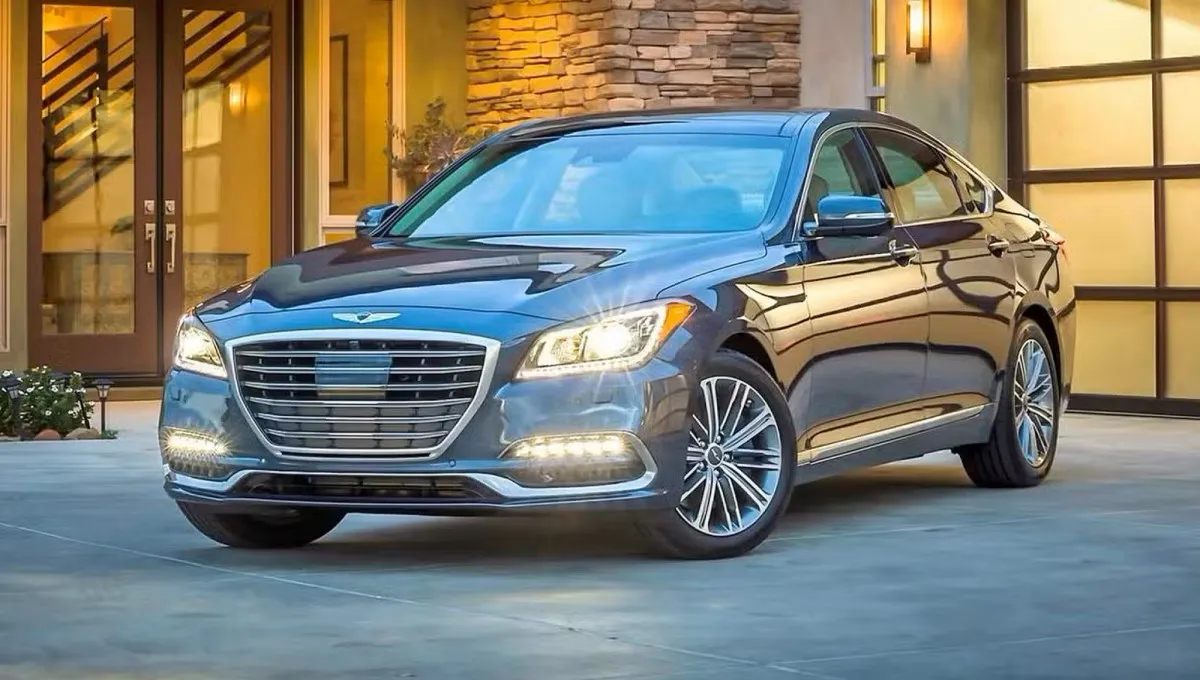
Hyundai Recalls Nearly 95,000 Genesis Sedans Over Fire Risk From Power Seats
Hyundai is recalling 94,622 Genesis sedans after a faulty power seat switch was linked to overheating and potential vehicle fires.
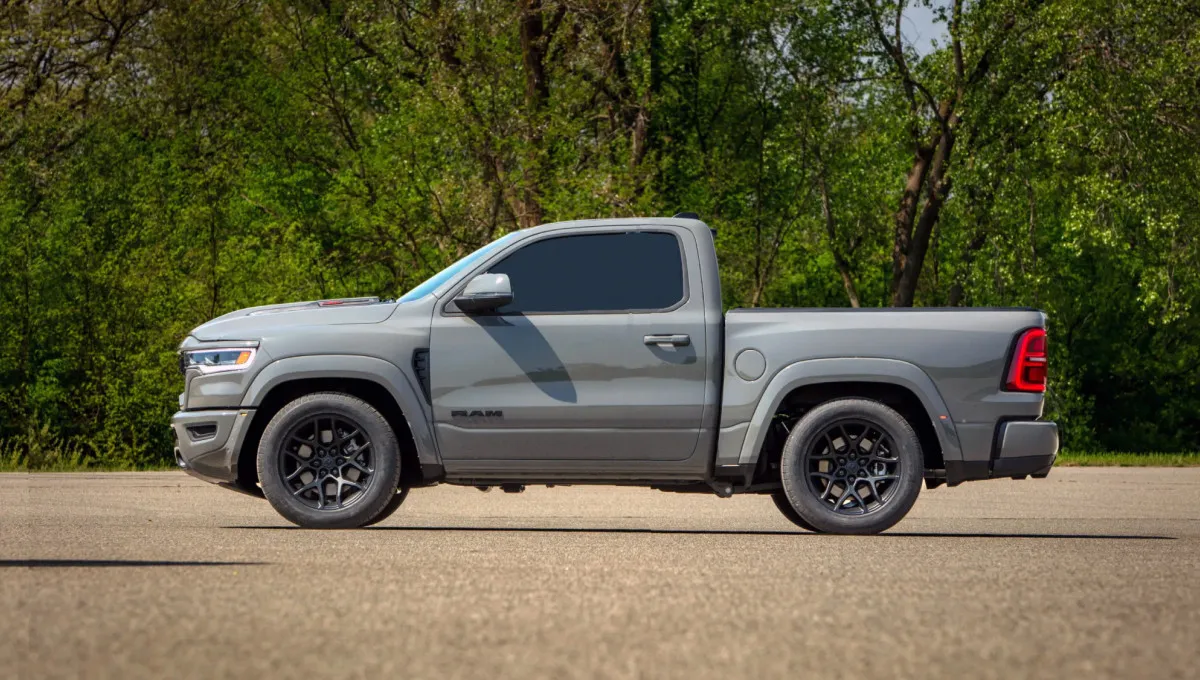
2027 Ram 1500 Rumble Bee: Pricing, Options and How to Build Yours
The 777-HP Ram Rumble Bee Is Coming — But You Can Buy the New Hemi Truck Now
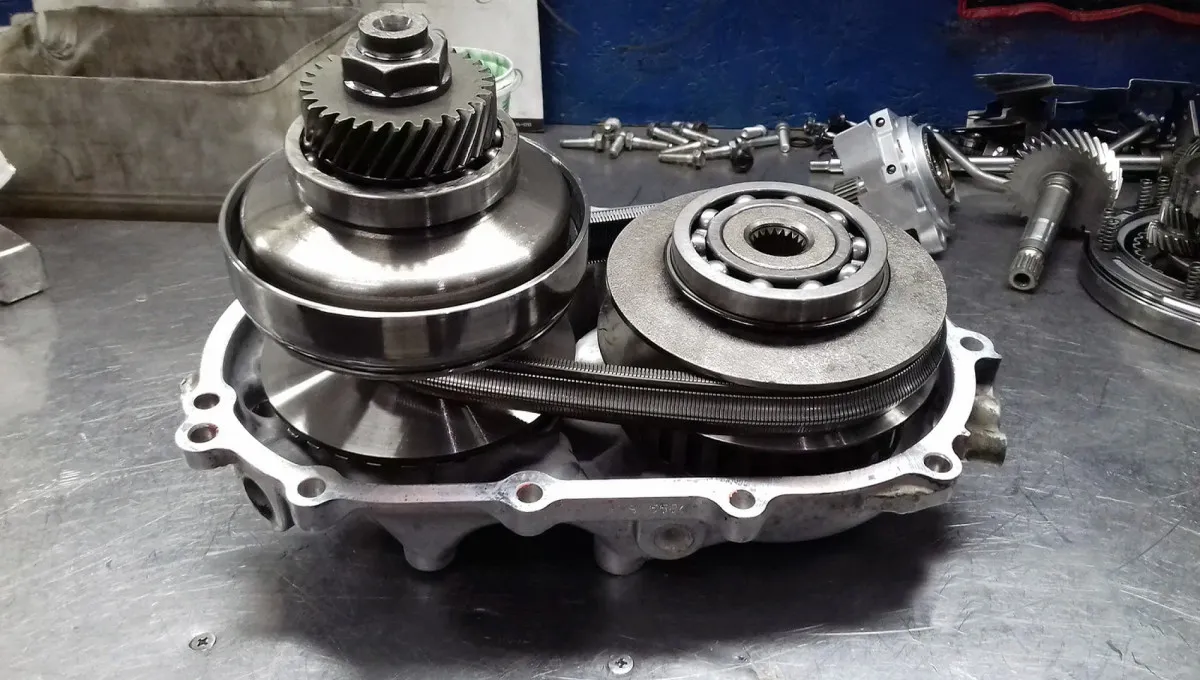
Why Experienced Drivers Still Warn Against Buying a Used Car With a CVT
CVTs offer smooth acceleration and good fuel economy, but expensive repairs and durability concerns make used models risky.
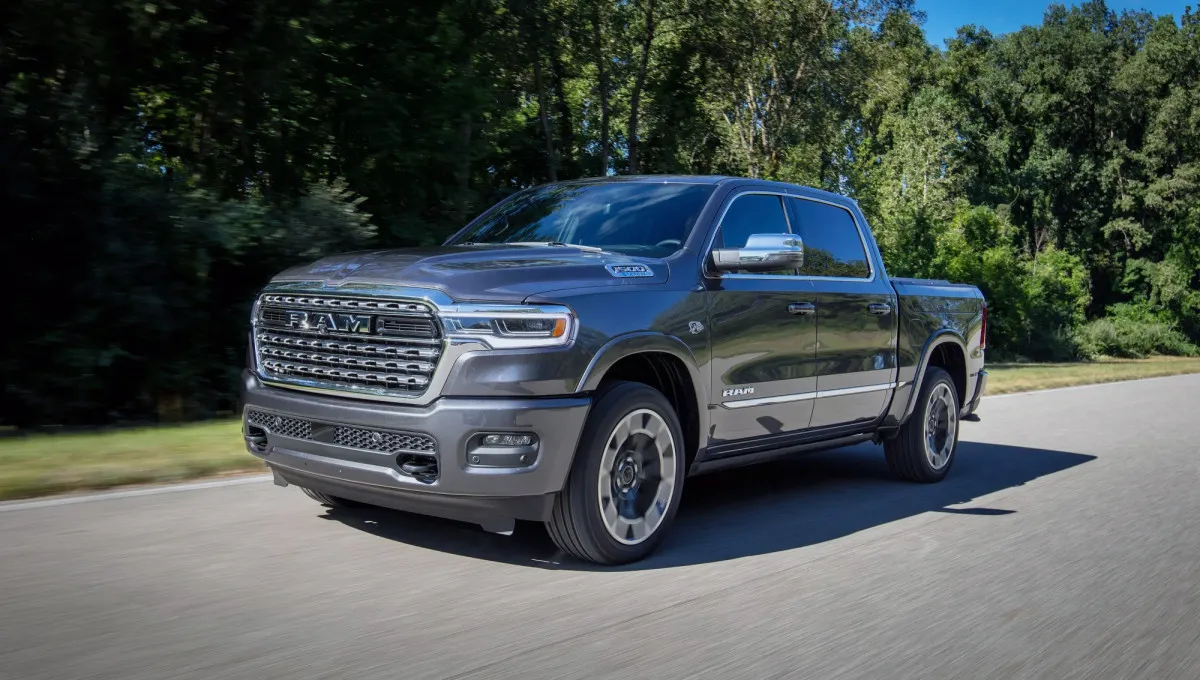
2026 Ram 1500 Recall: 16K Trucks May Have Faulty Tire Pressure Sensors
Ram is recalling 16,385 model-year 2026 Ram 1500 trucks

Harley-Davidson Riders Could Face $2,500 Fines Under New Law Targeting ‘Weaving’ on Roads
Arizona’s new motorcycle law targets lane splitting, exposing repeat offenders to steep fines, possible jail time, and license suspensions.