
Five Curious Facts About Police Cars You Probably Haven’t Heard Before
Not so long ago, police cars were wrapped in mystery.
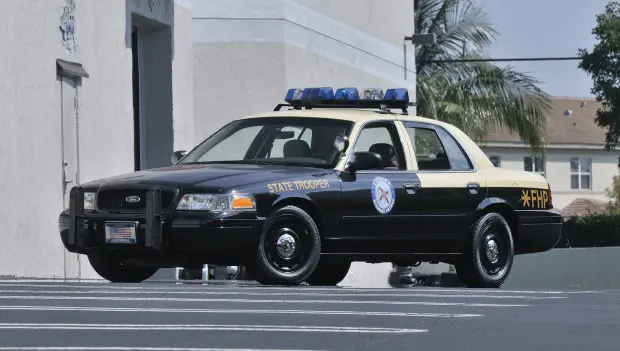
Not too many years back, patrol vehicles carried a kind of mystique — the sort of machines surrounded by rumors and half-truths. They’ve evolved a lot since then, becoming far less secretive, yet plenty of lesser-known and genuinely interesting details remain.
The “Electric Cop”

It may sound unbelievable today, but one of the very first police cars was actually electric. Officers in Akron, Ohio, put it into service in 1899. The vehicle ran on a pair of 4-horsepower electric motors and topped out at about 25 km/h (around 15 mph). That was more than enough for its main job at the time: rounding up intoxicated troublemakers. In fact, that’s exactly what the first police car was built to do.
A Street-Fight Hero

Thanks to its performance for the era, the Ford Model B is often viewed as the first true police interceptor. Introduced in 1932 and powered by a 3.6-liter V8, it quickly spawned a long list of bold variations. What makes its story even more colorful is that both police officers and gangsters of the time loved the Model B.
Muscle Cars in Uniform

Believe it or not, the compact AMC Javelin really did serve on a police fleet in 1971. It packed a 6.6-liter V8 and was used for routine patrol duty in Alabama. And that wasn’t the end of the muscle-car era in law enforcement. Departments later adopted specially prepared versions of the Ford Mustang and Chevrolet Camaro as well.
Kevlar-Armored Doors on a Legend

The Ford Crown Victoria P71 Police Interceptor is easily one of the most recognizable — and most widely used — police cars in America. Interestingly, it wasn’t the fastest or the most powerful in the fleet. Structurally, it was closer to a truck or SUV, riding on an extremely sturdy frame. Its biggest selling point: it was remarkably affordable. Yet it still came with some surprising touches, such as Kevlar panels inside the doors, allowing officers to use an open door as a shield in a shootout.
Hard to Steal

Hollywood loves the trope of a stolen squad car — but modern police vehicles are far less vulnerable than movies suggest. Many are equipped with a system called Runlock, which keeps the engine running only if the original key is present. Try to drive off without it, and the car simply shuts itself down.
These bits of history and technology show that police cars have never been as ordinary as they look — and some of their most interesting features still fly under the radar.
You may also be interested in the news:
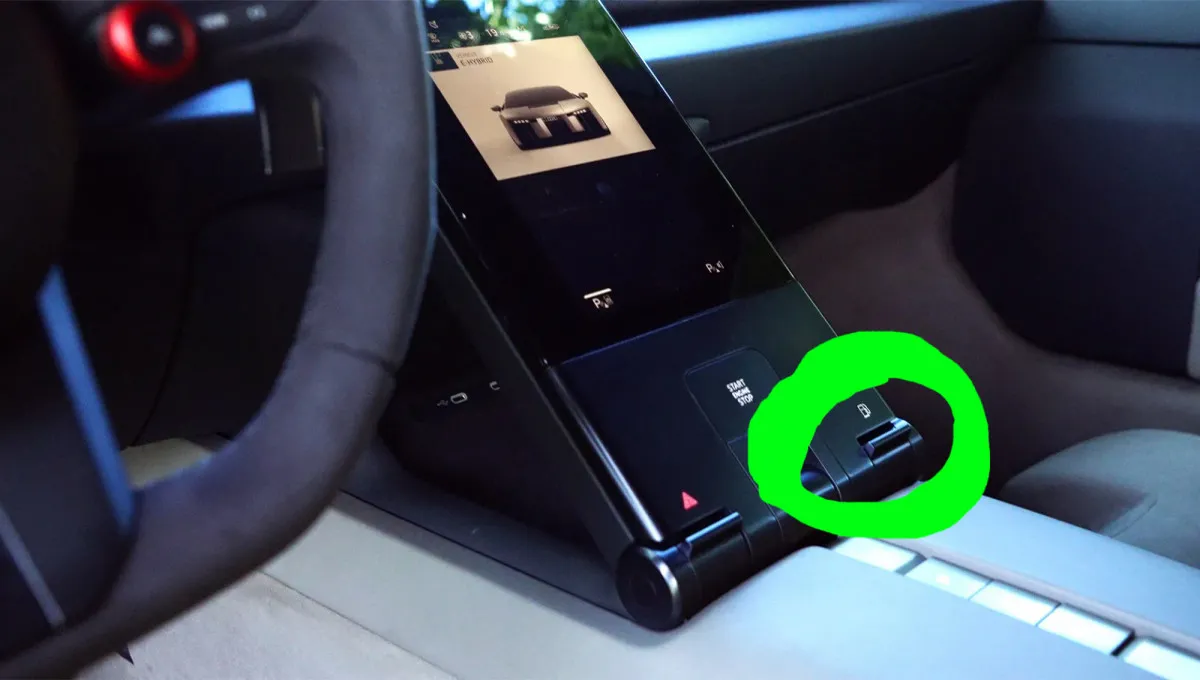
Solving the Mystery of the Audi Nuvolari’s Massive Fuel Door Button
Audi’s striking Nuvolari supercar has an unusually large fuel door button, and its placement may reveal an unexpected connection.
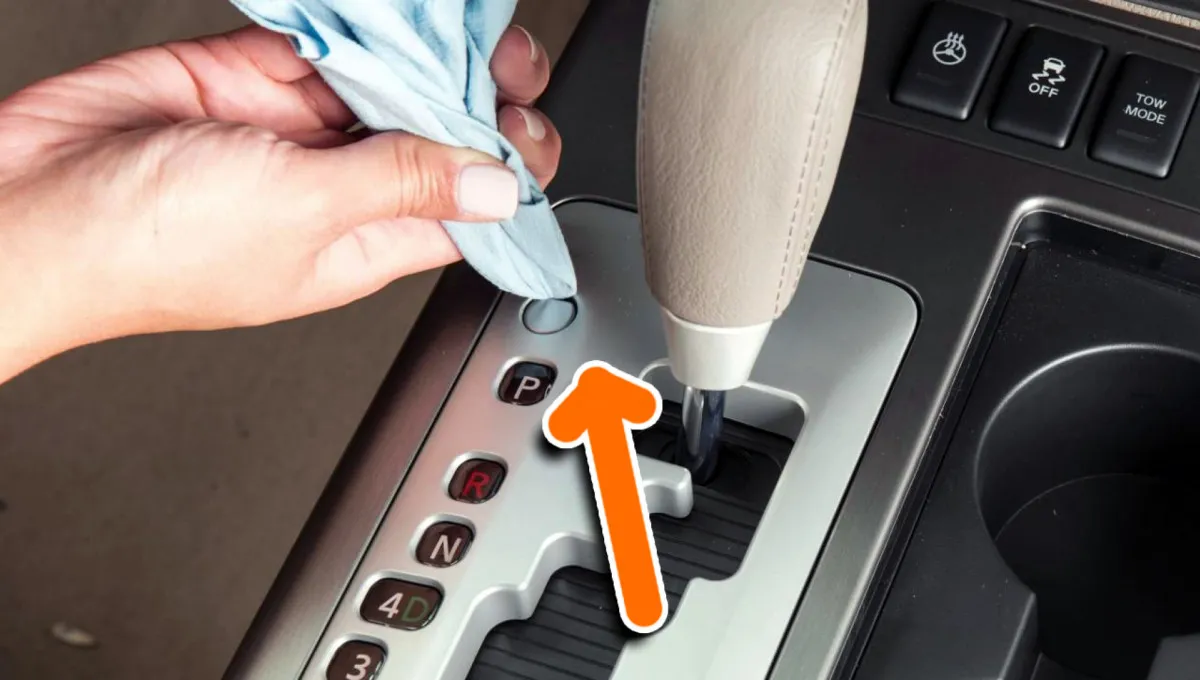
Tow Truck Driver Reveals a Hidden Car Feature That Could Save Your Life in an Emergency
A professional tow truck driver revealed a little-known feature that can help drivers move a disabled vehicle to safety.
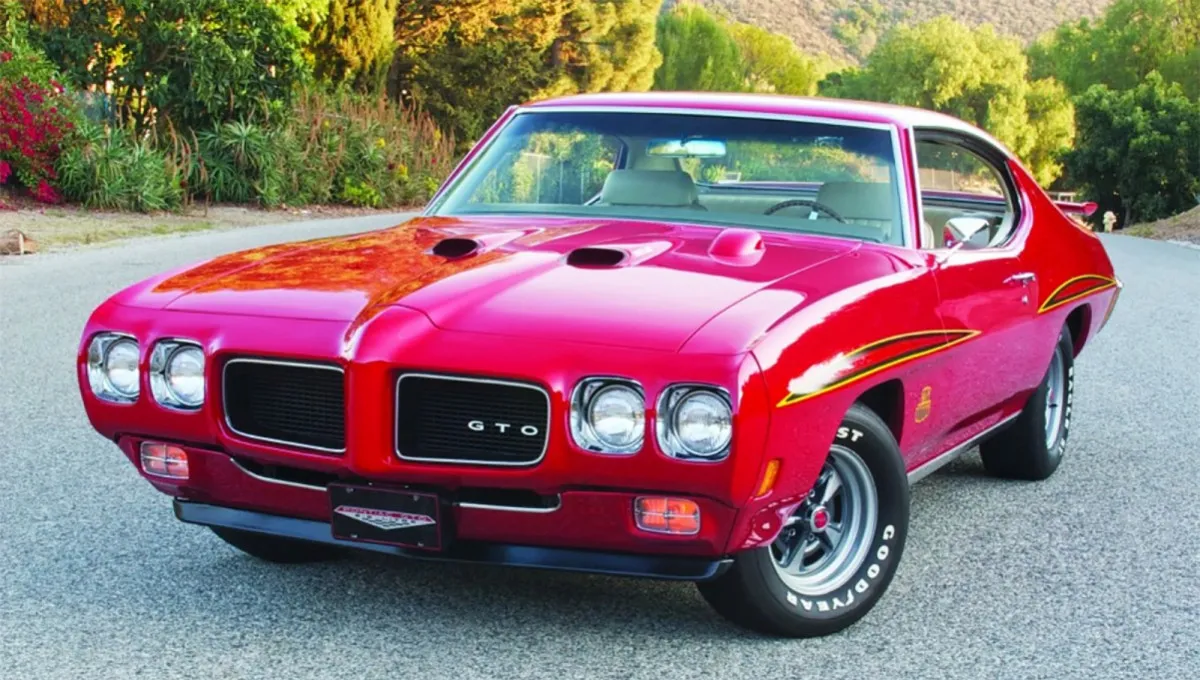
Pontiac's 1970 GTO Had a Wild Exhaust Option—Only 233 Cars Got It
Pontiac offered an unusual exhaust system for the 1970 GTO, but the factory option didn't last long.
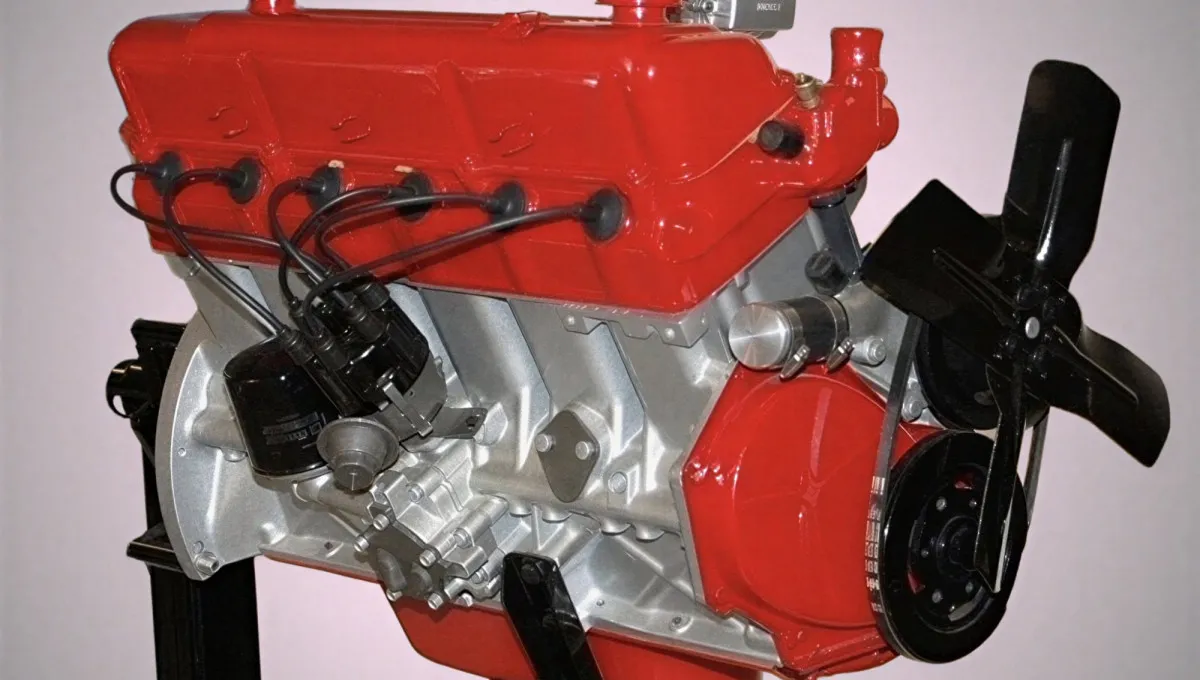
Chrysler's Aluminum Slant 6 Engine: The Lightweight Experiment of 1961–1963
Chrysler built more than 50,000 cars with an aluminum-block Slant 6 before production challenges brought the project to an end.
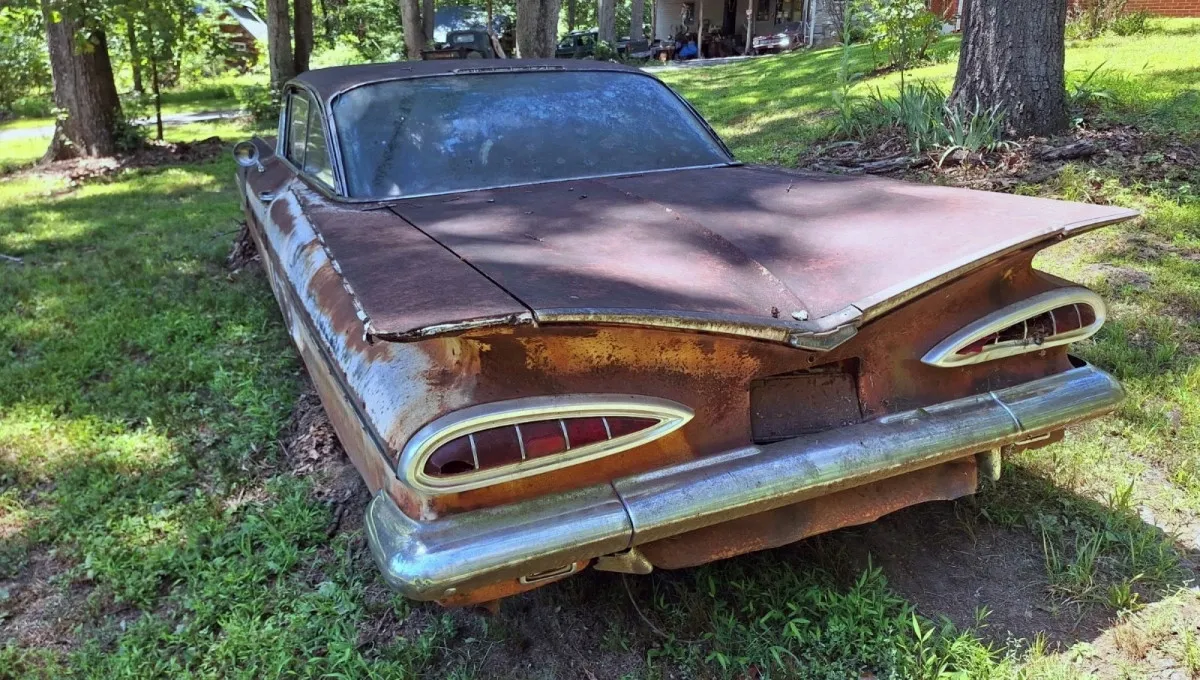
1959 Chevy Impala Parked in a Farm Begs for Restoration As Owner Decides To Let It Go
This 1959 Chevrolet Impala has landed online with one big mission: it must convince a skilled restoration guy to give it a second chance