
Cultural Phenomenon: Soviet Cars Are Finding a Surprising New Fan Base in America
Interest in Soviet-built vehicles is surging across the United States as collectors embrace their rugged simplicity and Cold War-era character.
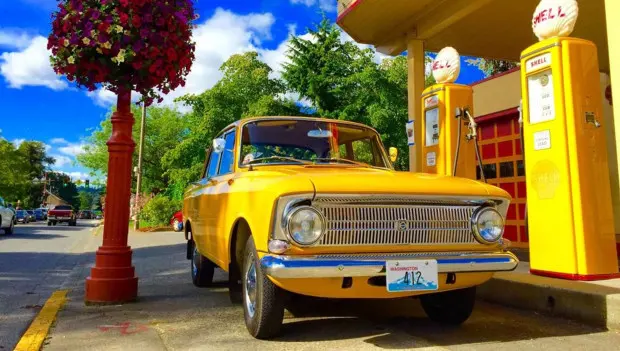
An unusual automotive trend is gaining momentum in the United States: American collectors are increasingly hunting down cars built behind the Iron Curtain. According to several enthusiast publications, models like the Lada, Volga, and Niva have evolved from quirky curiosities into legitimate collector vehicles. Across the country, a growing ecosystem of specialty clubs, importers, restoration shops, and even museums is now dedicated to preserving Soviet-era machinery.
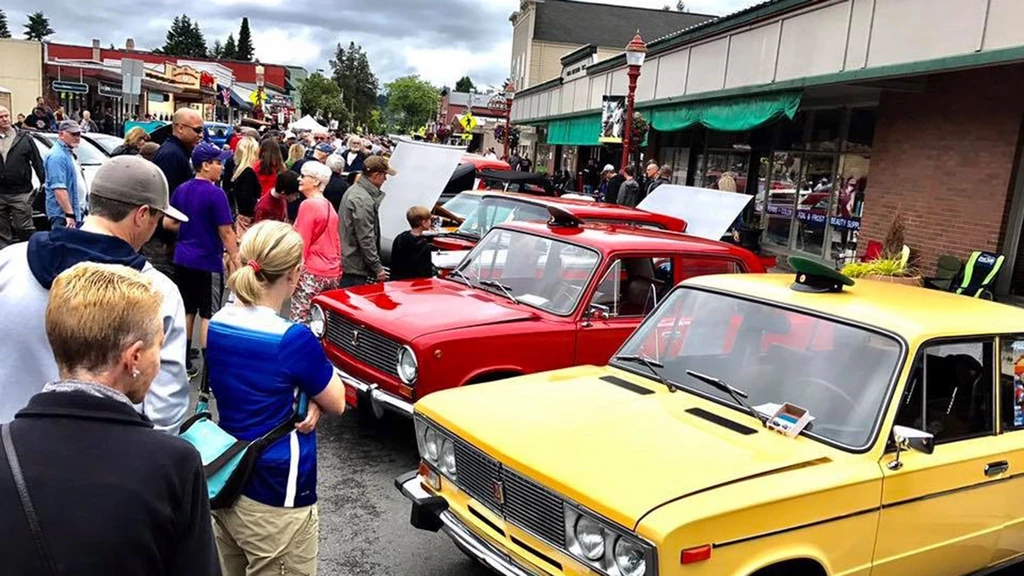
Much of the boom has been fueled by America’s “25-year import rule.” Under U.S. law, vehicles older than 25 years are exempt from modern Federal Motor Vehicle Safety Standards and EPA emissions requirements. That loophole has opened the door for enthusiasts to legally import classic Soviet vehicles that were once impossible to register for public roads in the United States.

Collectors say the appeal comes from the cars’ unapologetically analog nature. In an era dominated by EVs, touchscreens, and complex software systems, many American drivers are drawn to the mechanical simplicity and easy repairability of older Soviet models. Representatives from auction house Gooding & Company described the appeal perfectly when a 1984 Lada Niva crossed the block at Pebble Beach in 2025, calling it “an opportunity to own a genuine cultural artifact.”
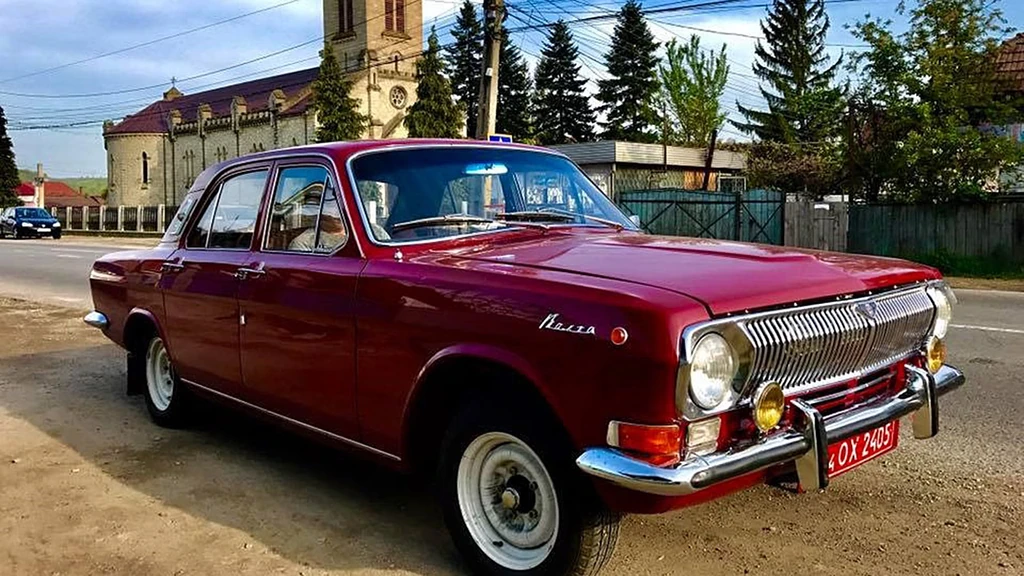
The biggest star of the movement remains the Lada Niva, often referred to in Western enthusiast circles as “the most honest SUV ever built.” Well-preserved examples typically sell for between $10,000 and $20,000, though rare low-mileage models can command considerably higher prices. Beyond the Niva, collector garages from California to Florida are increasingly home to VAZ-2101 sedans, GAZ-21 and GAZ-24 Volgas, as well as rugged UAZ-469 off-roaders prized for their raw, utilitarian character.
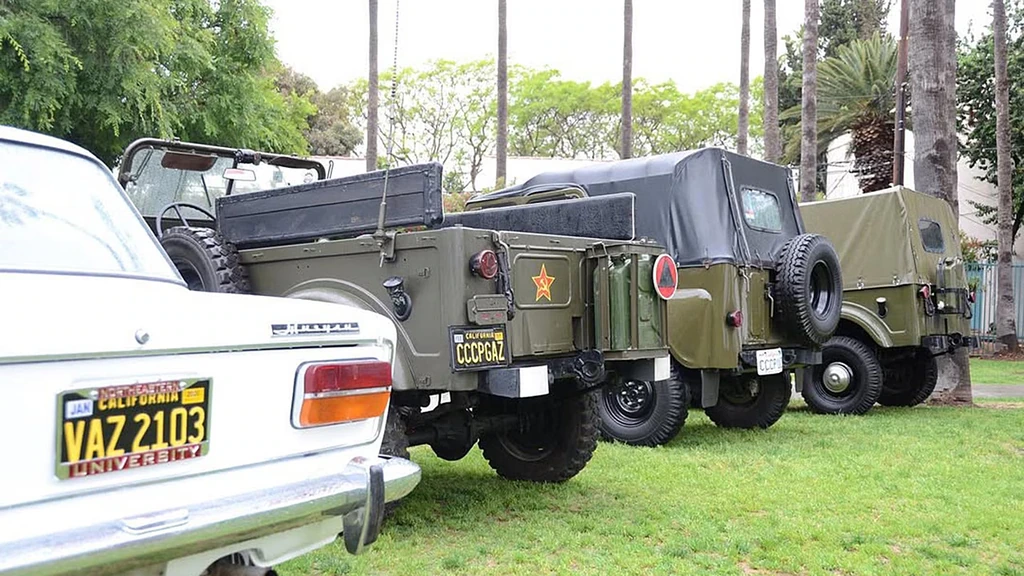
Immigrants from former Soviet republics still make up the majority of buyers, using these vehicles as a way to preserve a connection to their past. But industry observers estimate that roughly 10 percent of the market now consists of American-born collectors with no personal ties to the Soviet era. For them, owning a Moskvich or classic Lada is about chasing a driving experience that stands apart from the usual muscle cars and modern luxury SUVs — turning Soviet automobiles into unexpected collectibles in an increasingly digital automotive world.
You may also be interested in the news:
5 of the Most Beautiful Chevrolet Cars: Timeless Designs With Stunning Silhouettes
Which Chevrolet models deserve to be called the most beautiful?
Nissan Restarts US-Made Murano, Pathfinder, Frontier Sales in Canada
Nissan resumed Canadian sales of three U.S.-built models, but tariffs keep supply below earlier levels.
41,748 Ford SUVs and Trucks Recalled—Your Headlights Could Suddenly Stop Working
Ford recalls 41,748 vehicles after contaminated LED chips threaten required headlight performance on newer models.

The Sheriff Knew She Was Speeding—Then This Blonde Driver Turned the Ticket Against Him
A sheriff pulls over a Ferrari for speeding, but the driver's bizarre logic quickly turns the traffic stop against him.

Stellantis Patents System That Lets an EV Drop Its Battery and Drive Away
A new patent details an emergency system that could let an EV disconnect its high-voltage battery and move away from danger.