
Start-Stop System Falls Out of Favor: U.S. Automakers Lose Incentives for Installing It
The U.S. will no longer grant incentives to automakers for equipping vehicles with Start-Stop systems.
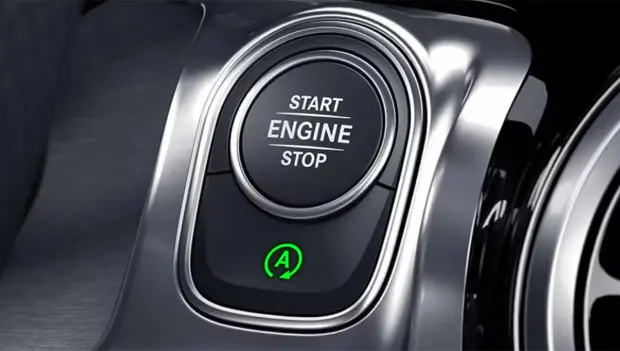
Automakers in the United States will no longer receive regulatory incentives for equipping vehicles with Start-Stop systems, following a decision by the U.S. Environmental Protection Agency (EPA). So what’s changing?
The EPA is rescinding a 2009 decision that outlined measures aimed at reducing greenhouse gas emissions. As part of that move, automakers will no longer earn so-called “eco bonuses” for installing Start-Stop systems in their vehicles. Studies have shown that the feature has never been especially popular with many drivers.
According to the agency, the decision eliminates existing greenhouse gas emissions standards for vehicles — as well as related regulatory incentives for auto manufacturers.
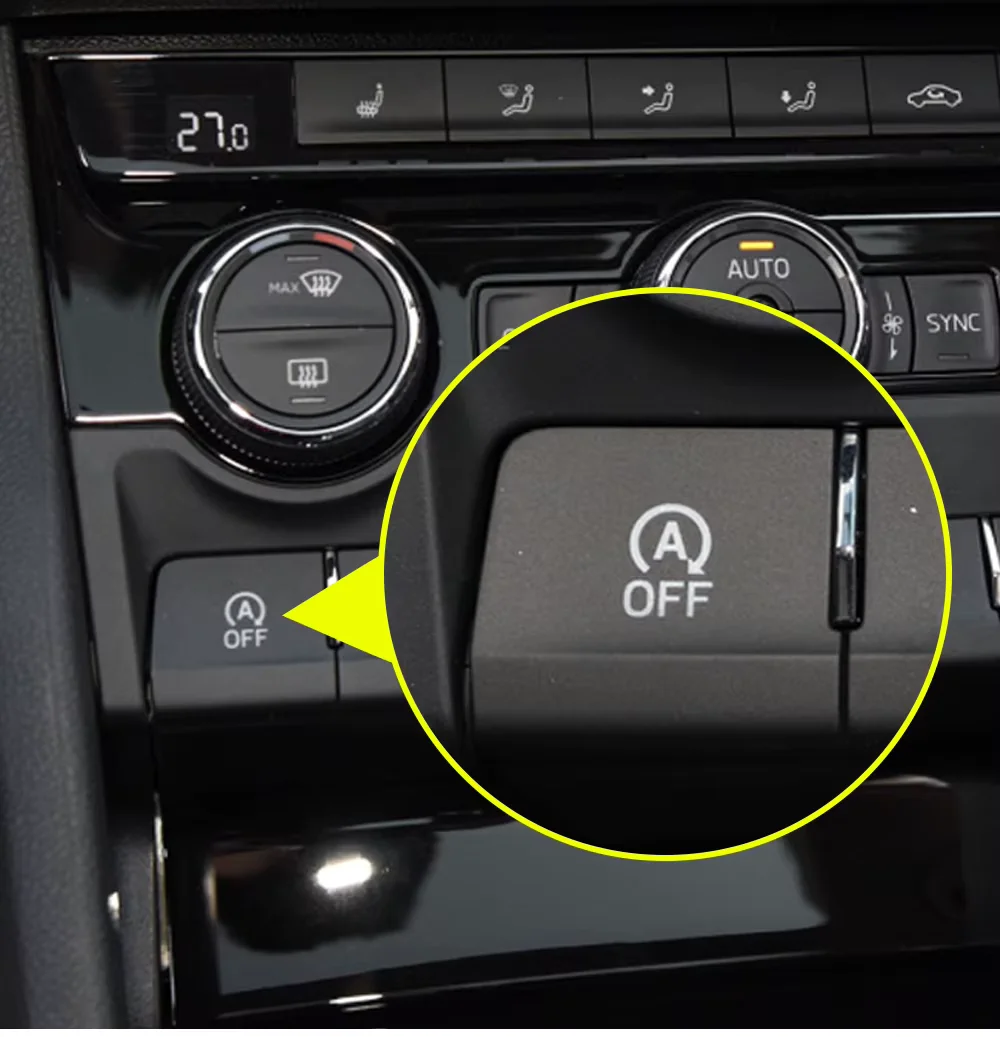
Many drivers dislike Start-Stop systems because of how they operate. In most vehicles, the feature automatically reactivates every time the engine is restarted, meaning drivers who prefer to turn it off must manually disable it after each ignition cycle.
The most likely outcome for the U.S. market is not the immediate disappearance of the technology. Start-Stop systems require reinforced starters, upgraded alternators, and higher-capacity batteries, while key vehicle systems remain powered even when the engine is shut off. Instead of phasing the feature out entirely, automakers are more likely to revise the operating logic — potentially giving drivers the ability to permanently deactivate Start-Stop if they choose.
You may also be interested in the news:
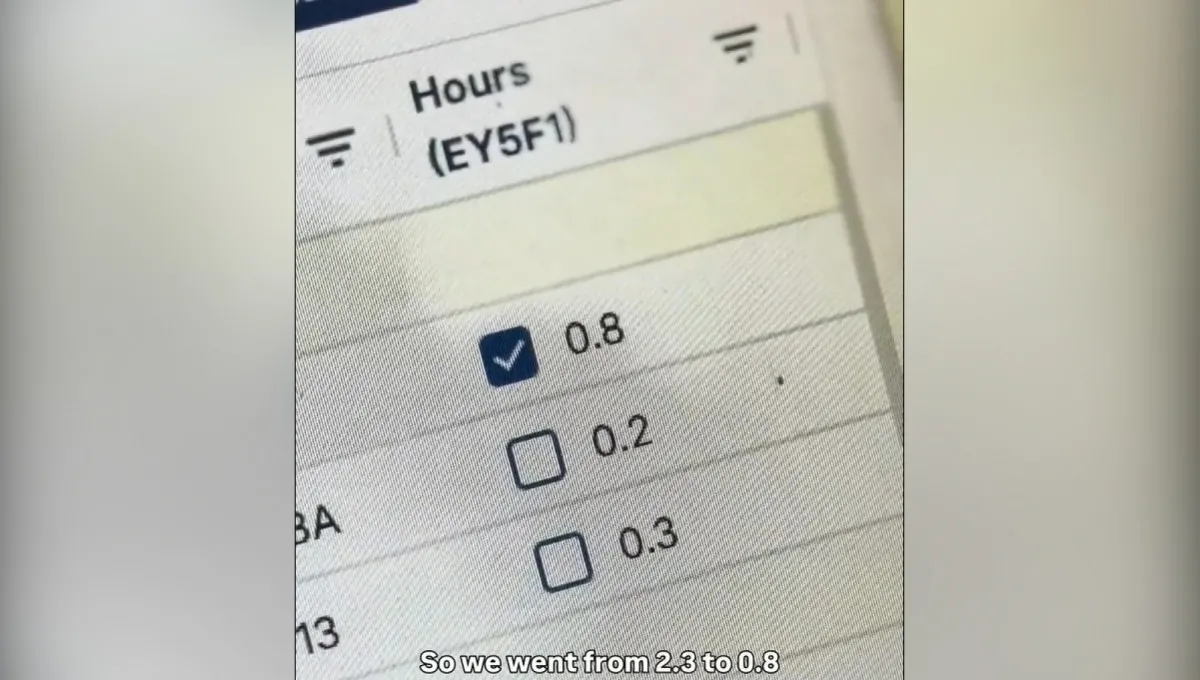
Toyota Technician Walks Away After Viral TikTok Exposes a Nearly 3x Pay Cut on One Repair
A Toyota technician with 11 years of experience quit after a viral TikTok sparked a dispute over repair pay.
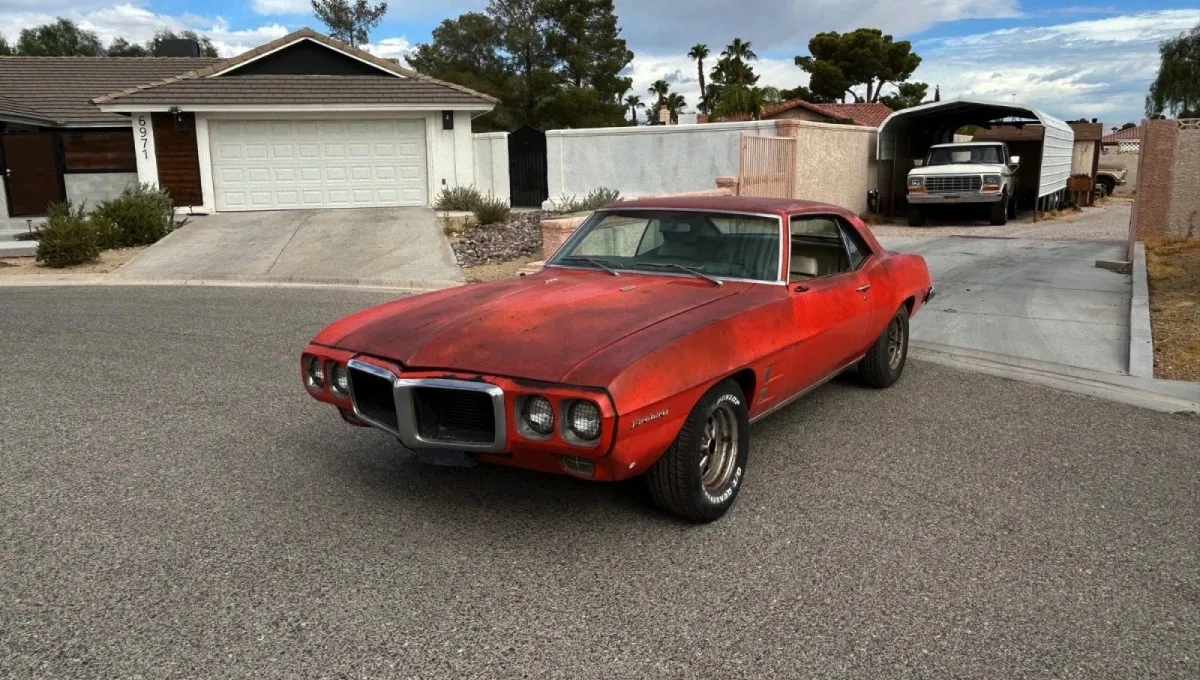
This 1969 Pontiac Firebird Has Sat for Years—But Its Original Paint and Running V8 Survived
This 1969 Pontiac Firebird still wears original paint, runs, and now needs a complete restoration.
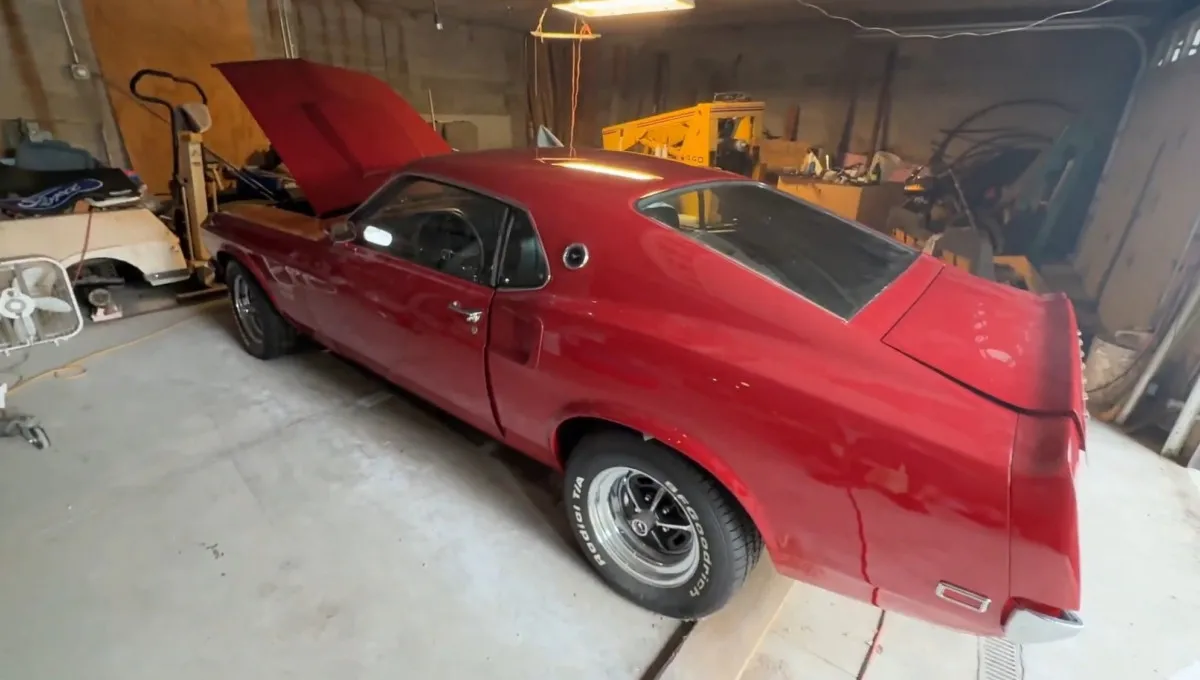
Late Owner’s 1969 Ford Mustang Boss 429 Sat Hidden in a Wisconsin Garage for Years
A rare 1969 Boss 429 emerged from a Wisconsin garage after years hidden beneath a dusty cover.
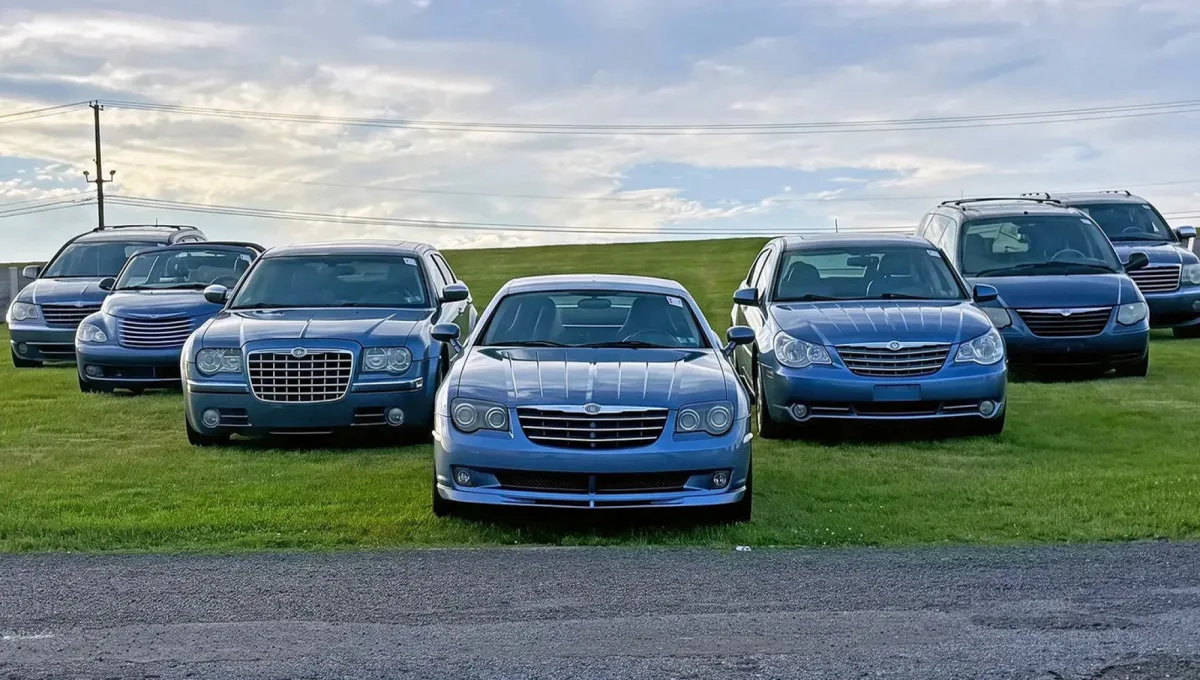
He Bought Seven 2007 Chryslers in the Exact Same Color — Then People Started Asking Why
Every model is different, yet together they represent Chrysler’s entire 2007 lineup in one unusual collection.
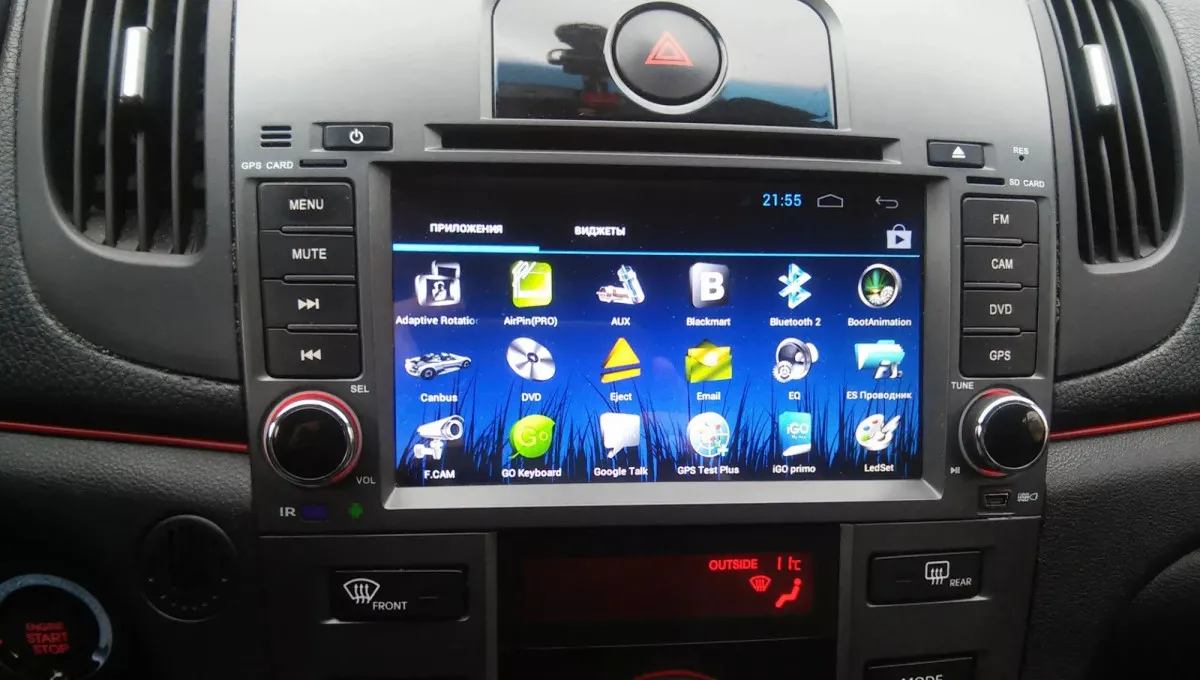
Your Old Car Can Feel New Again With These 7 Upgrades That Actually Make a Difference
Modernizing an Older Car: Better Audio, Navigation, Safety and Everyday Tech. An older car does not have to feel outdated when a few smart upgrades can transform everyday driving.