
U.S. Scraps Rules That Backed Start-Stop Systems, Creating New Headaches for Automakers
It remains unclear how automakers will respond to the rollback and what it could mean for future vehicle technology.
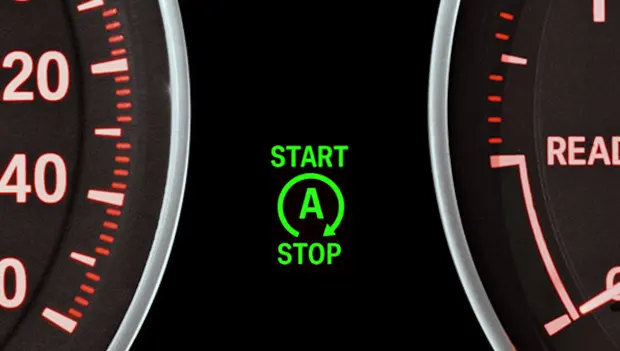
Back in May 2025, Environmental Protection Agency Administrator Lee Zeldin signaled his intention to unwind one of the most debated automotive practices of the past decade: the Start-Stop system. On February 12, that effort moved forward, as the rules underpinning its scientific and regulatory justification were rescinded—effectively pulling the foundation out from under the technology.
There’s a certain irony here. The United States is now leading the charge against a feature that many drivers have already grown used to, accepting both its pros and cons. Yet the idea itself is deeply tied to American automotive history and past crises.
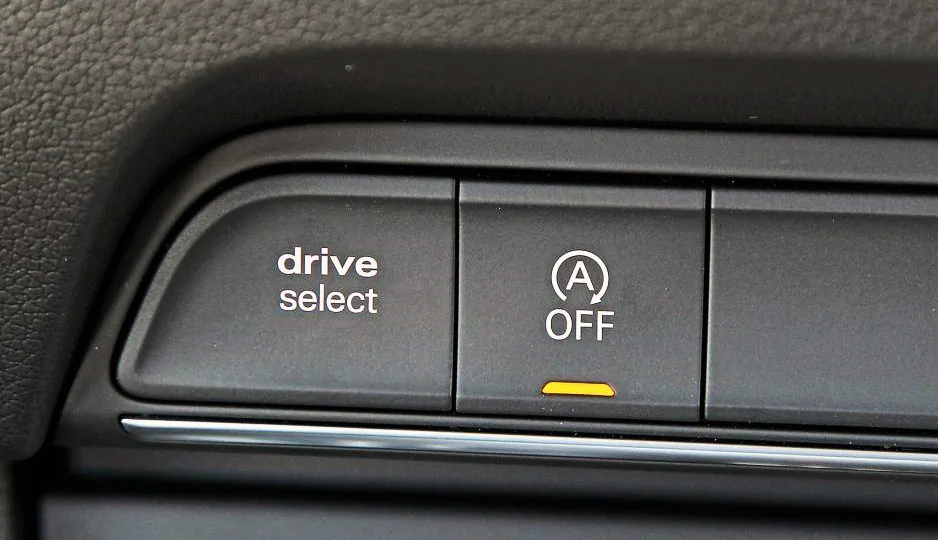
Many assume Start-Stop is a recent invention, but that’s not the case. As far back as 1974, Toyota introduced a similar concept in the U.S. market with the Toyota Crown. That version included a switch that shut down and restarted the inline-six engine to conserve fuel while idling. At the time, engineers estimated fuel savings of around 10 percent—no small benefit during the U.S. oil crisis.
European automakers later explored similar systems. Volkswagen developed its own approach, and by the 1980s models like the Fiat Regata offered comparable solutions. However, Start-Stop became mainstream less because of technical evolution and more due to tightening environmental regulations. Over the past decade, the system has become nearly universal, and in the U.S., brands even received regulatory credits for equipping vehicles with it.
Still, criticism has followed the technology. While it can reduce fuel consumption, it may increase wear on the engine and starter. Turbocharged engines present another concern: in certain conditions, oil circulation can stop before the turbocharger has fully cooled down—despite the unit potentially spinning at temperatures approaching 1,600 degrees Fahrenheit.
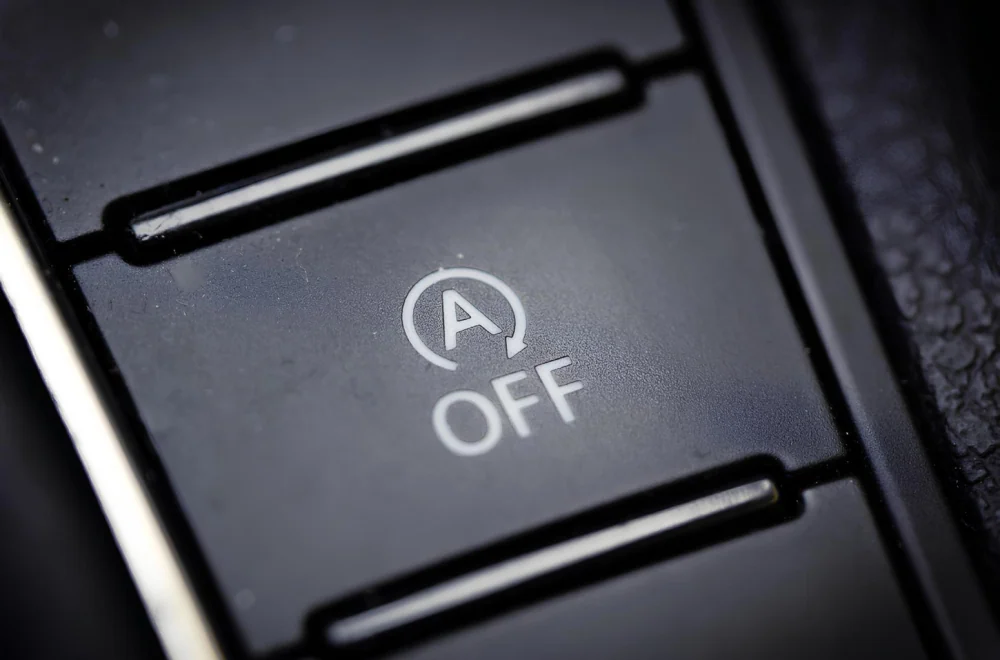
The Trump administration’s move is widely seen as a response to a segment of drivers who found the system annoying. For many, the frustration wasn’t about cost but about having to manually disable it after every restart, since the feature defaults to “on.”
Globally, however, Start-Stop systems are estimated to save roughly 3 billion gallons of fuel annually and cut carbon dioxide emissions by around 30 million metric tons. The U.S. remains one of the world’s largest sources of greenhouse gas emissions, particularly in the transportation sector.
How automakers will react remains uncertain. Many are already pivoting toward electrification, but in a market where EVs still represent a minority of sales, regulatory reversals add fresh uncertainty. Several companies—including some based in the United States—have voiced opposition to the administration’s direction. Experts at University of Washington have even compared some of the rhetoric surrounding the issue to arguments denying basic scientific principles.
Legal battles may also lie ahead. California is widely seen as a key potential challenger. There’s even discussion of a future in which a single federal emissions standard gives way to a patchwork of state and regional rules—an outcome that could make compliance significantly more complicated for automakers.
You may also be interested in the news:
Honda May Be Building an SUV So Big It Could Rival America’s Biggest Three-Row Models
Honda could be preparing a much larger three-row SUV, potentially stretching nearly as long as a full-size American SUV.
His Passenger Left a Bag With a Passport Inside—What This Uber Driver Did Next Touched Millions
An Uber driver drove back to return a forgotten bag, turning a ride into kindness.
A Little Boy Spotted a Bearded Biker at the Store—What Happened Next Felt Like a Christmas Miracle
A biker with a white beard turned an ordinary grocery run into a Christmas memory one little boy won't forget.
Ford Recalls 41,748 Vehicles After Headlights Can Suddenly Lose Critical Functions
Ford is recalling more than 41,000 vehicles after a headlight defect was found to potentially reduce visibility and increase crash risk.
AI Took Over a Real Car. What Happened Next Was a Wake-Up Call
An American engineer handed several AI models control of a real car, and their driving performance fell short of expectations.