
10 Supercars the Public Didn’t Understand: They Arrived at the Wrong Time
Which supercars were ahead of their time—and met with a lukewarm reception?
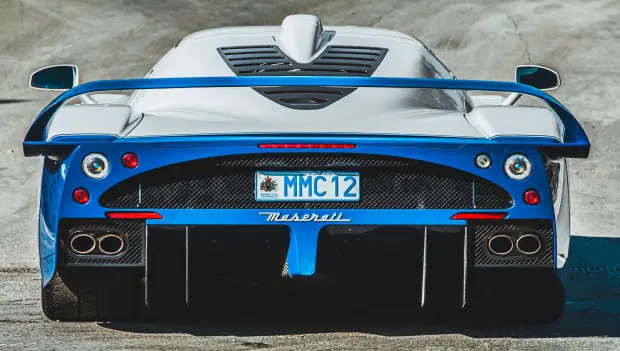
A supercar is an unfair thing. Some models become legends before anyone even sees them on the road: the right badge, a thunderous V12, perfect timing—and suddenly there’s a line of eager fans. Others aren’t so lucky. They may be fast, technologically advanced, daring in design—but the public shrugs, journalists grumble, sales stall, and the car slips into history labeled as “strange.”
1. Bugatti EB110
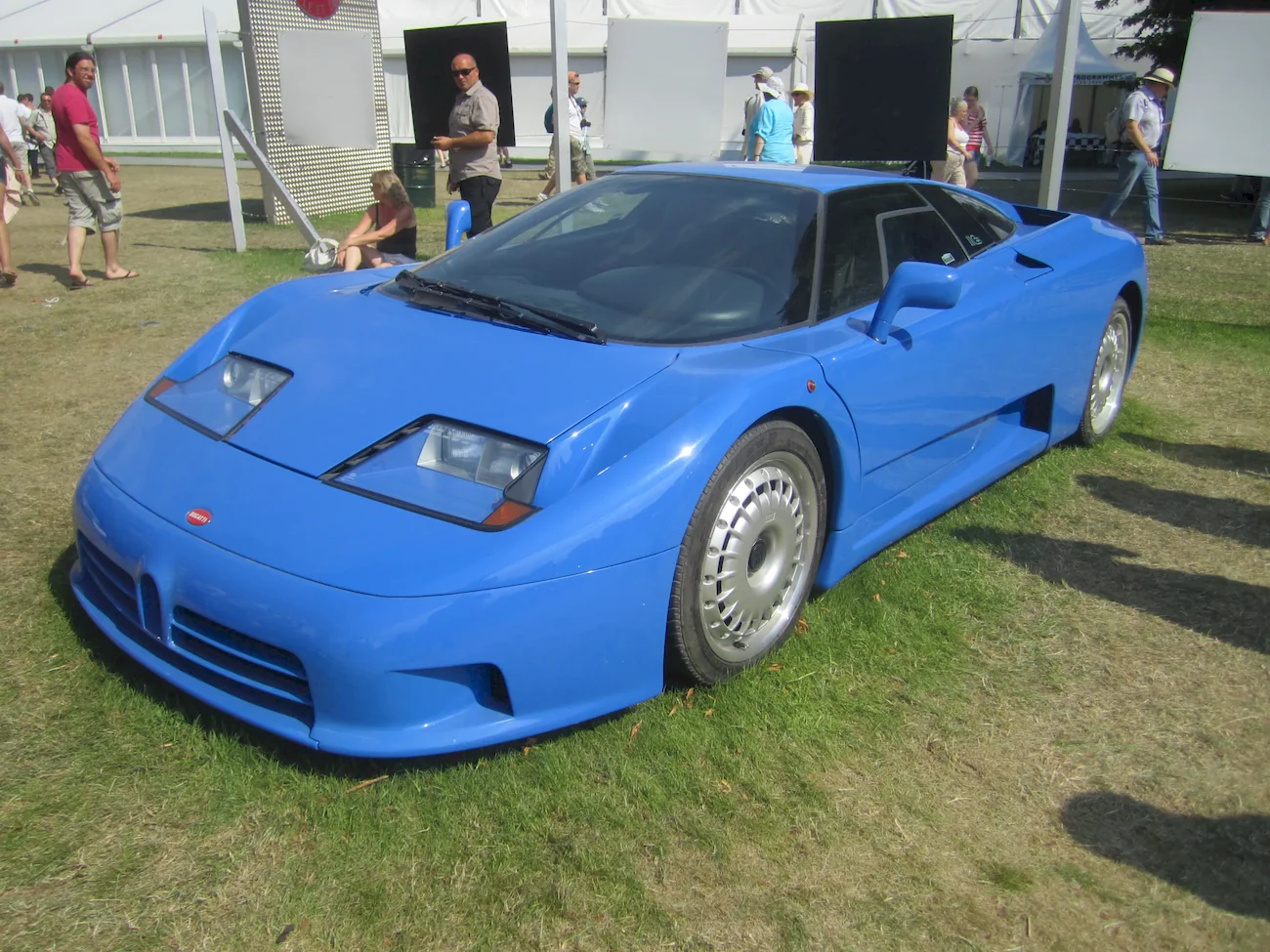
This is one of the most tragic stories: the car was genuinely ahead of its time. All-wheel drive, a carbon-fiber chassis, four turbochargers, and engineering ambition turned up to the max. But the supercar market isn’t just about technology—it’s about timing and confidence.
The EB110 struggled: economic headwinds, the company’s fate, a steep price tag, and fierce competition all hit at once. As a result, one of the most serious supercars of the 1990s became “that Bugatti before the Veyron” that not everyone remembers.
Still, it’s worth recalling the EB110’s strengths:
- All-wheel drive
- Carbon-fiber monocoque
- Quad-turbocharged engine
2. Vector W8
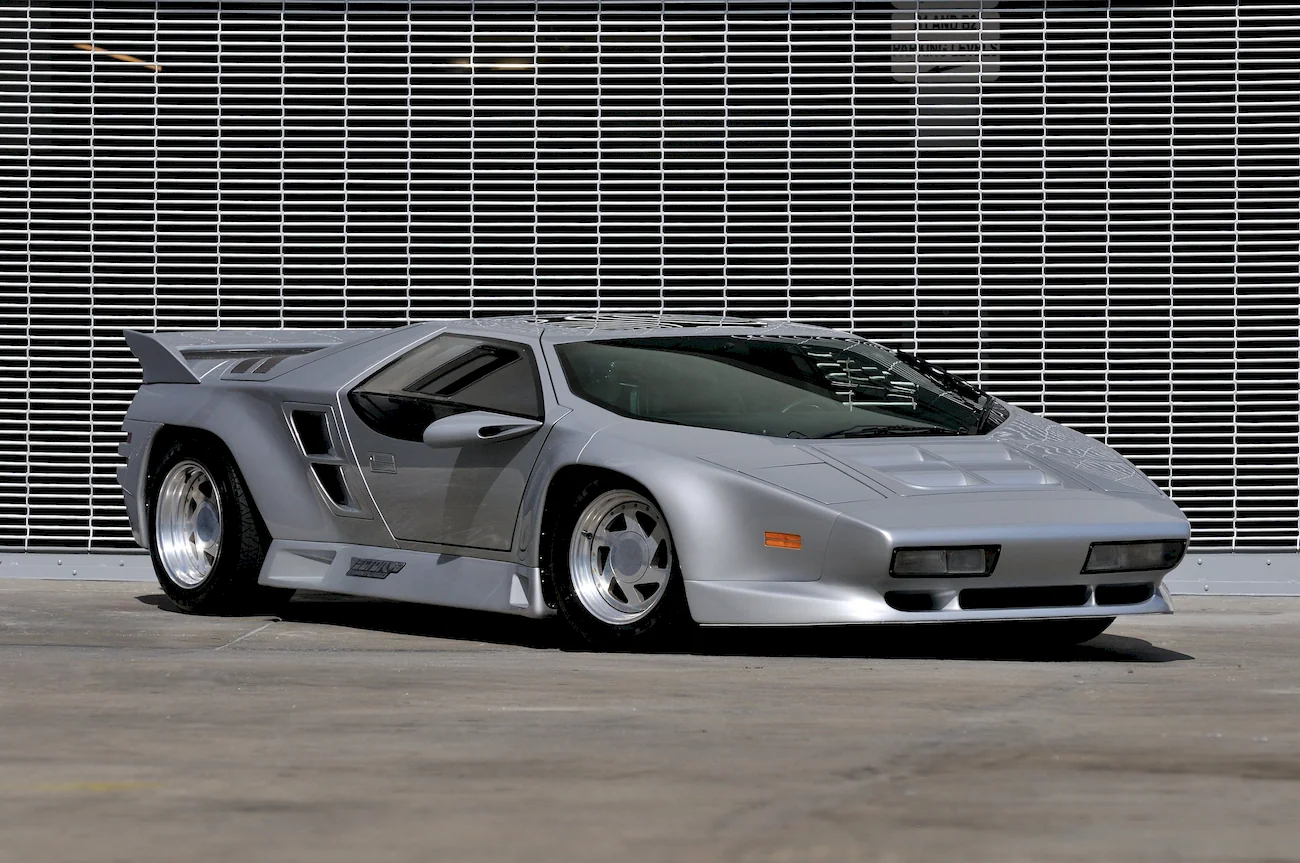
An American supercar that tried to speak Europe’s language—while shouting in its own voice. Angular, “from the future” styling, aerospace-inspired details, and an attempt to build a hypercar in the 1980s before the term even existed. But the public wasn’t ready to take a “Ferrari from Los Angeles” seriously. Vector looked too bold, and at the time, the world was strict with boldness that lacked the “right” pedigree.
3. Cizeta-Moroder V16T
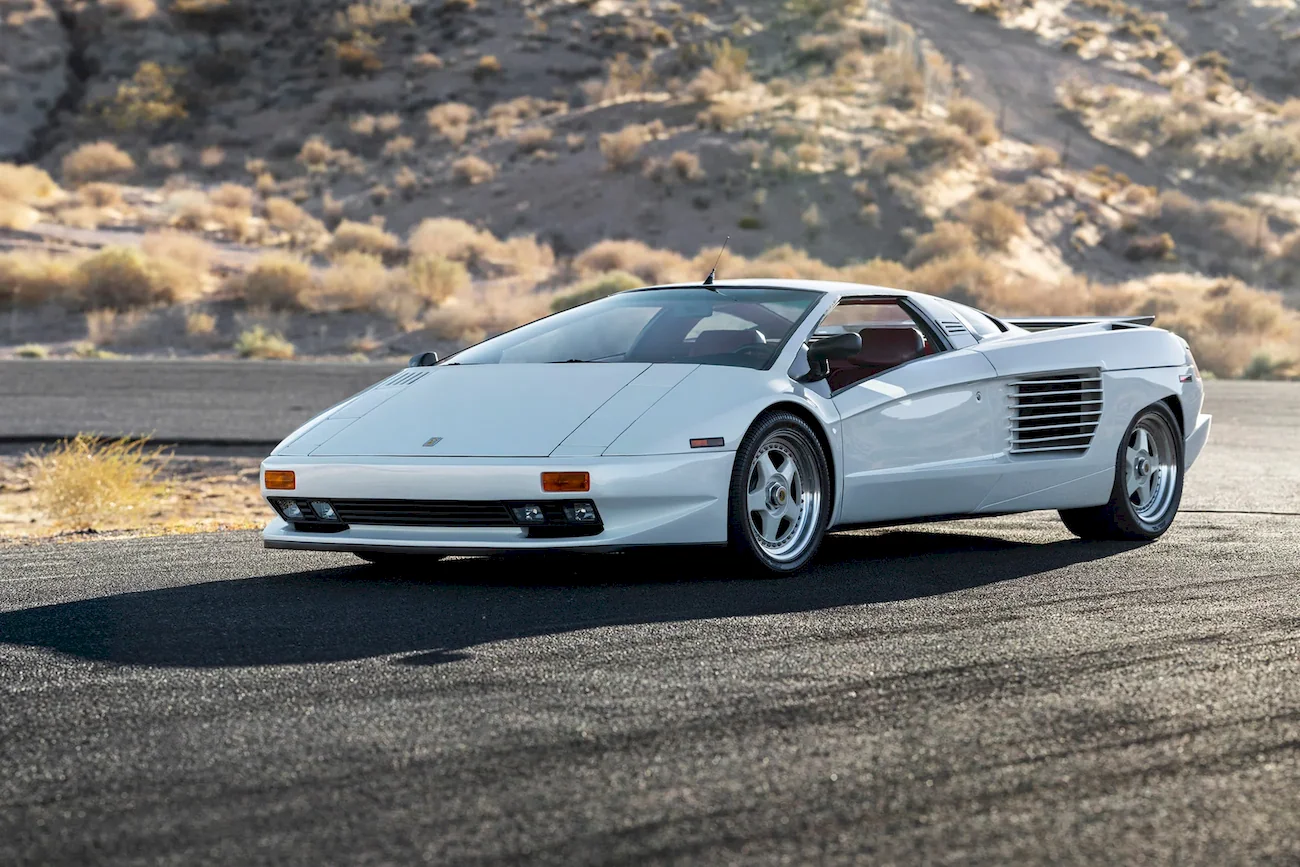
If any car was unlucky, it was this one. A V16 engine, design roots in a legendary Italian school, drama, rarity, and a soundtrack to match. Yet the project was too independent, too complex, and too disconnected from market realities.
It’s a dream supercar for those who love strange masterpieces, but to the broader public it felt like an obscure myth. And myths without strong brand backing rarely sell.
4. Porsche 928
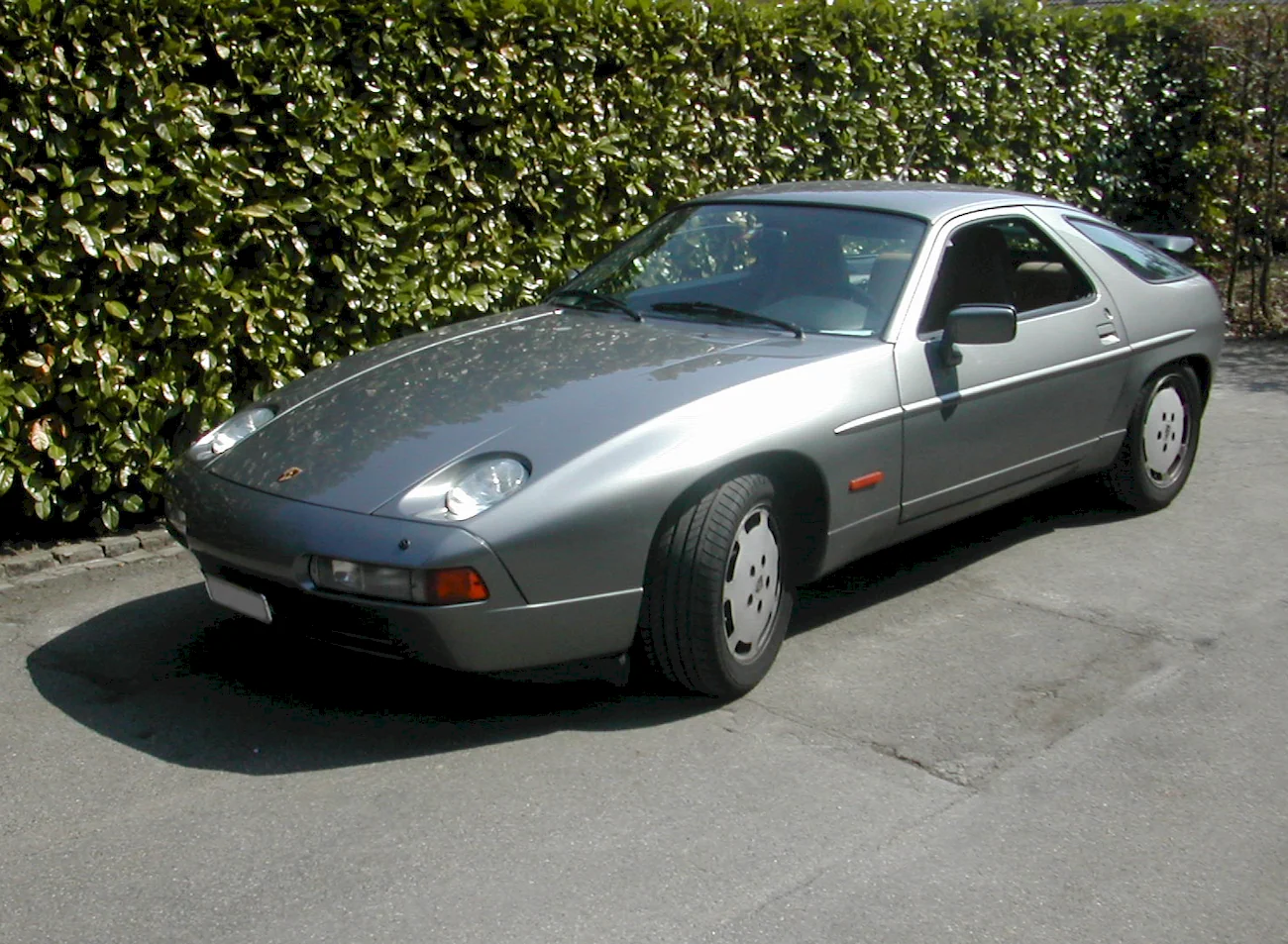
Engineers loved it, as did drivers who appreciate balance. But brand loyalists couldn’t forgive one thing: it wasn’t a 911. In the public imagination, Porsche meant rear-engine tradition, while the 928 offered something different—a front-mounted V8, grand touring comfort, and speed without hysteria.
A car that could have been the brand’s future instead became a “parallel branch.” Not because it was bad—because it was too bold for fan faith.
5. Maserati MC12
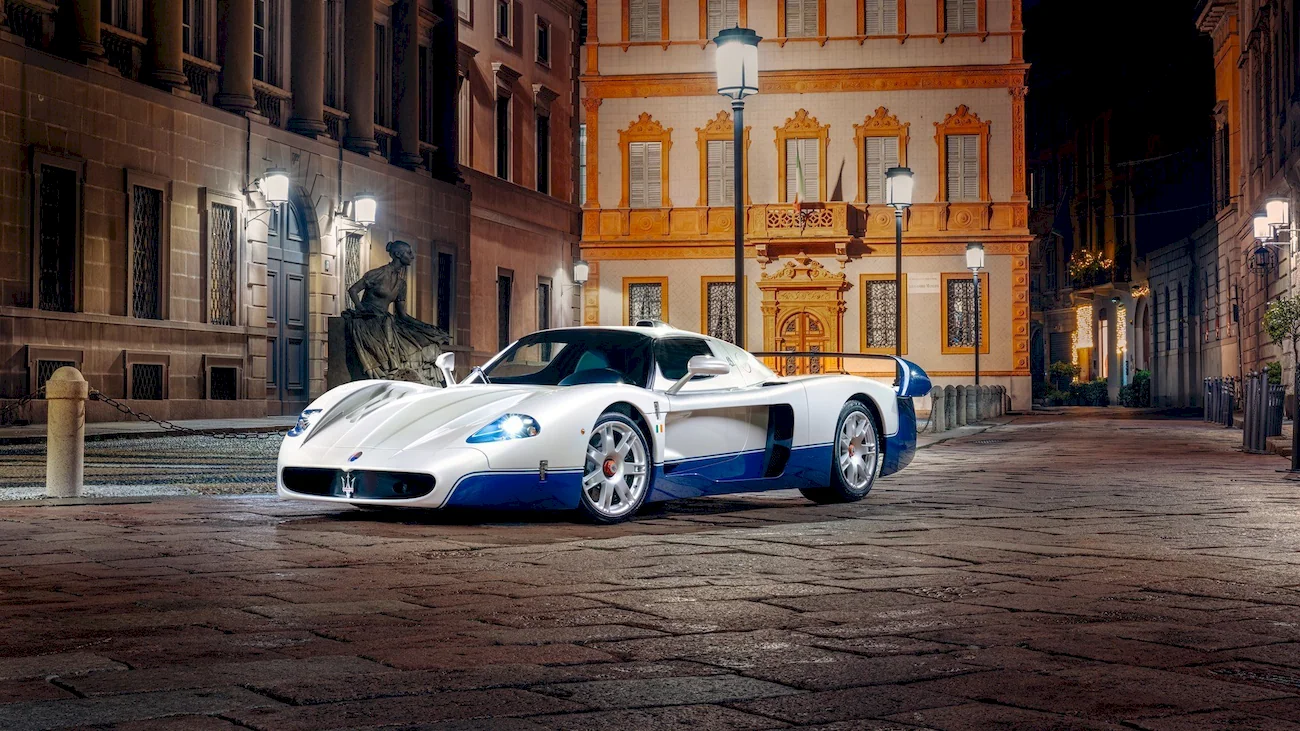
A supercar built for racing, yet it seemed strange to the public: essentially a close relative of a very famous Ferrari, just wearing a different suit. It was rare, loud, and brutally effective, but always carried a “second-place” aura—despite being far more race-focused and exclusive in character.
The paradox: too hardcore and too detached from the brand’s romantic legend at the same time.
6. Honda NSX / Acura NSX
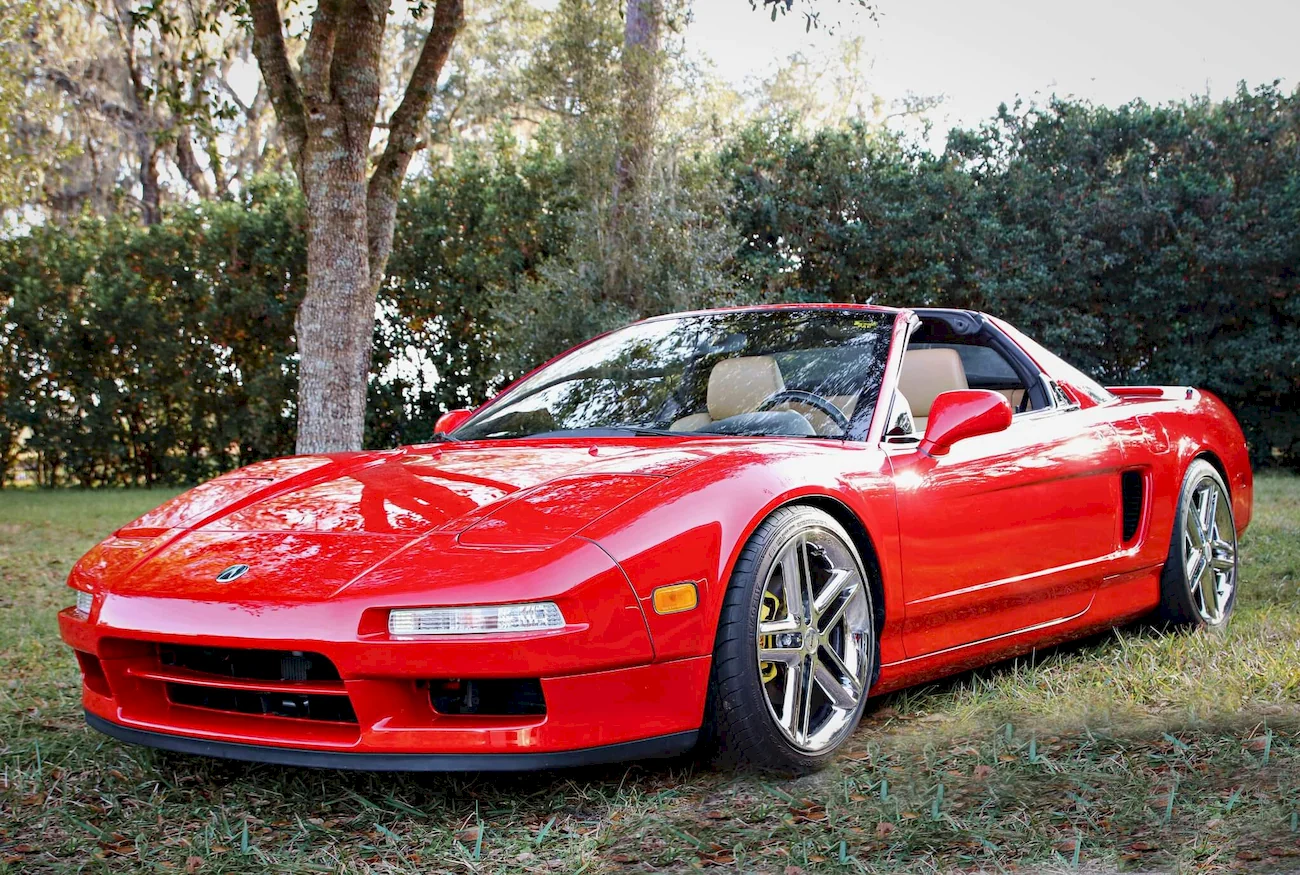
Today, the NSX is an icon. But at launch, many thought it was “too perfect.” Too comfortable. Too reliable. Too user-friendly. People were used to supercars being temperamental—as if suffering were part of the price.
The NSX said, “You can go fast without pain.” That cultural shock initially prevented it from becoming a dream object for buyers driven purely by emotion.
Advantages that unexpectedly became drawbacks:
- High reliability and easy maintenance
- Everyday usability and comfort
- Predictable handling without a “wild” edge
7. Lamborghini Jalpa
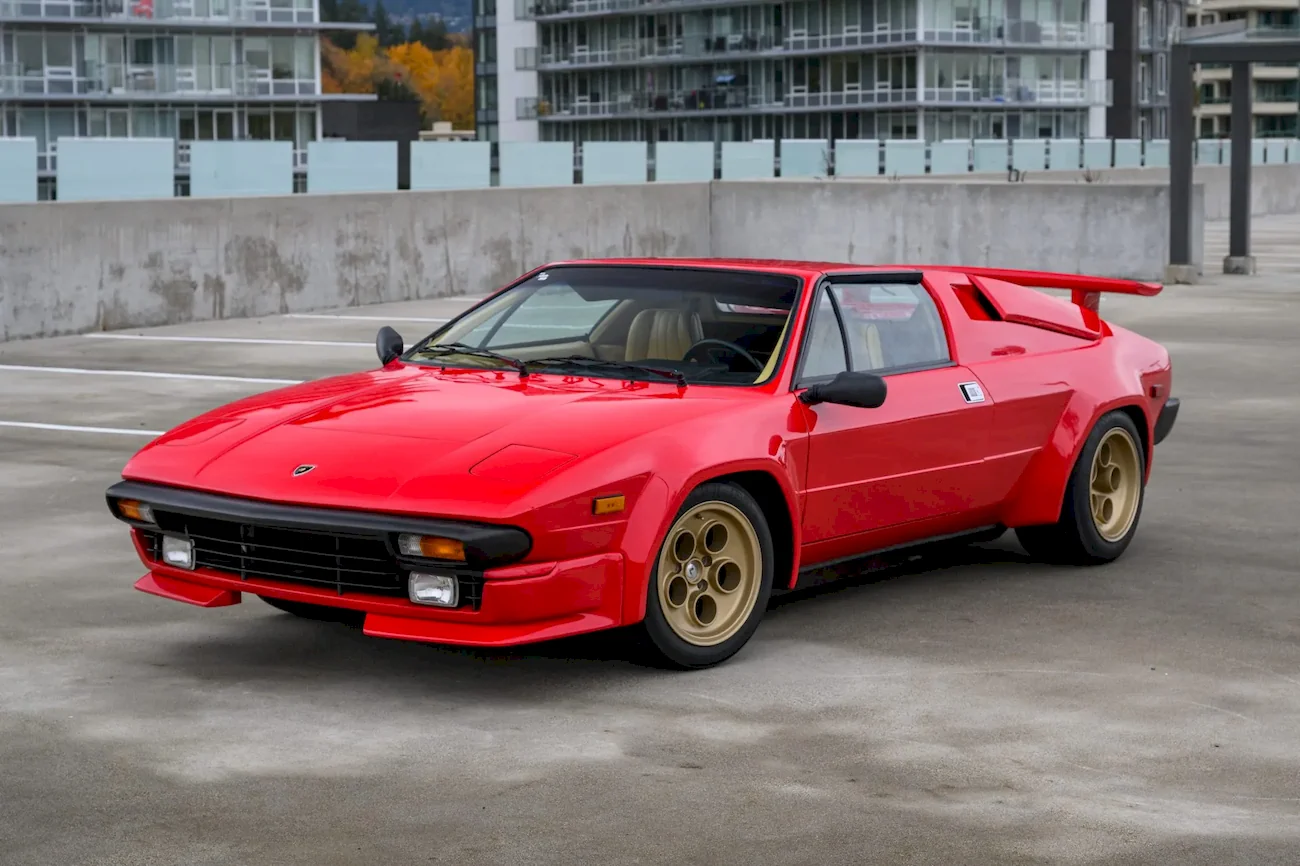
When you hear Lamborghini, you expect wild design, thunder, and theater. The Jalpa was more compact and grounded—and that’s exactly why it often wasn’t taken seriously. It wasn’t outrageous enough to become iconic, nor mainstream enough to become popular.
A classic case: a normal car from a brand no one expects to be normal.
8. Ferrari Mondial
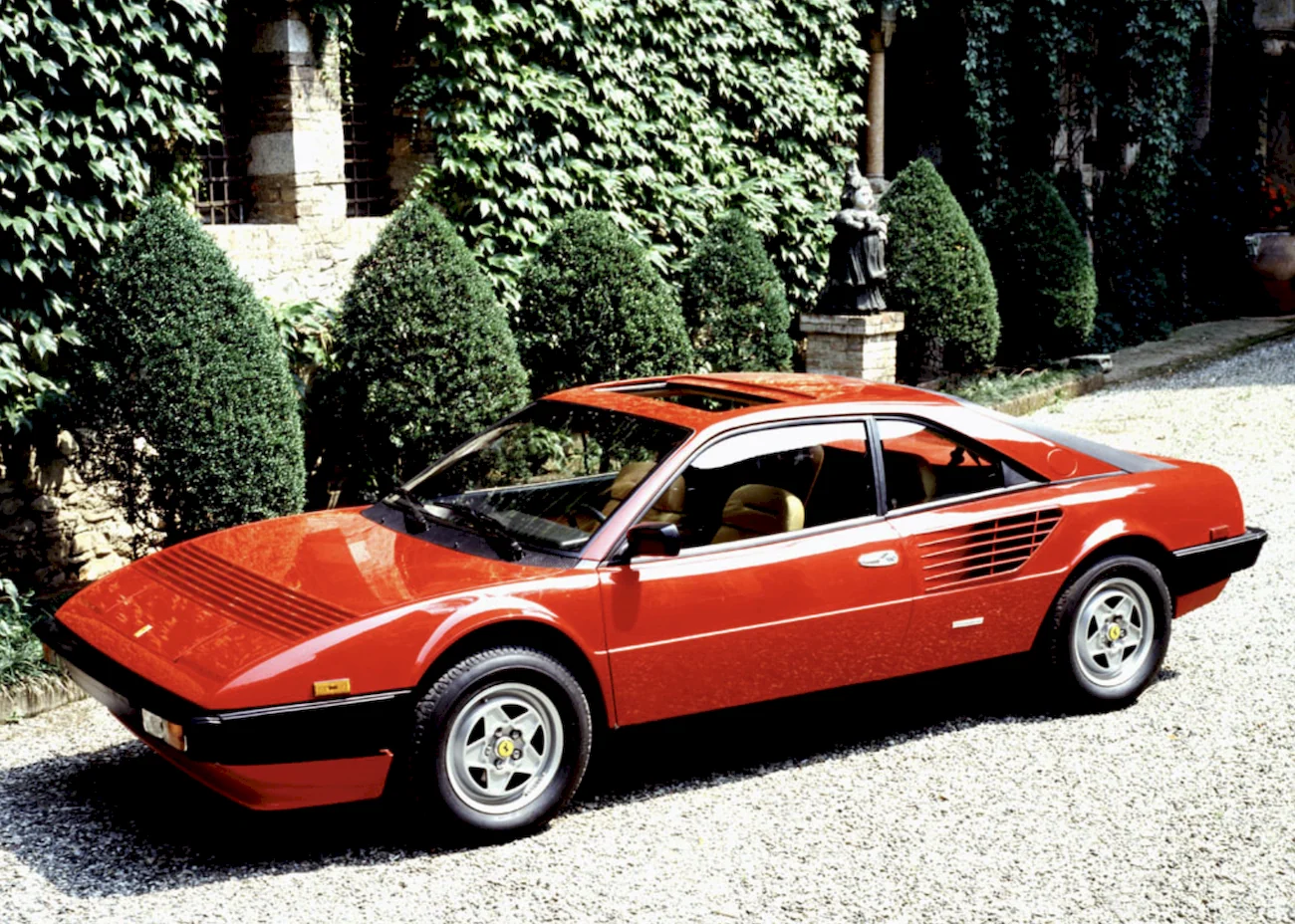
Perhaps one of the most reputationally awkward Ferraris. Yes, it wasn’t the most powerful. Yes, it didn’t look as aggressive as its siblings. But it had an idea: a Ferrari you could live with—carry rear passengers (at least in theory), drive long distances, and not suffer every day.
The public, however, didn’t want a “comfortable Ferrari.” They wanted a poster on the wall. The Mondial missed the cultural moment.
Main reasons for the negative perception:
- Restrained, angular styling that clashed with classic Ferrari lines
- A 2+2 layout seen as compromise rather than advantage
- Modest performance by brand standards of the era
9. BMW M1
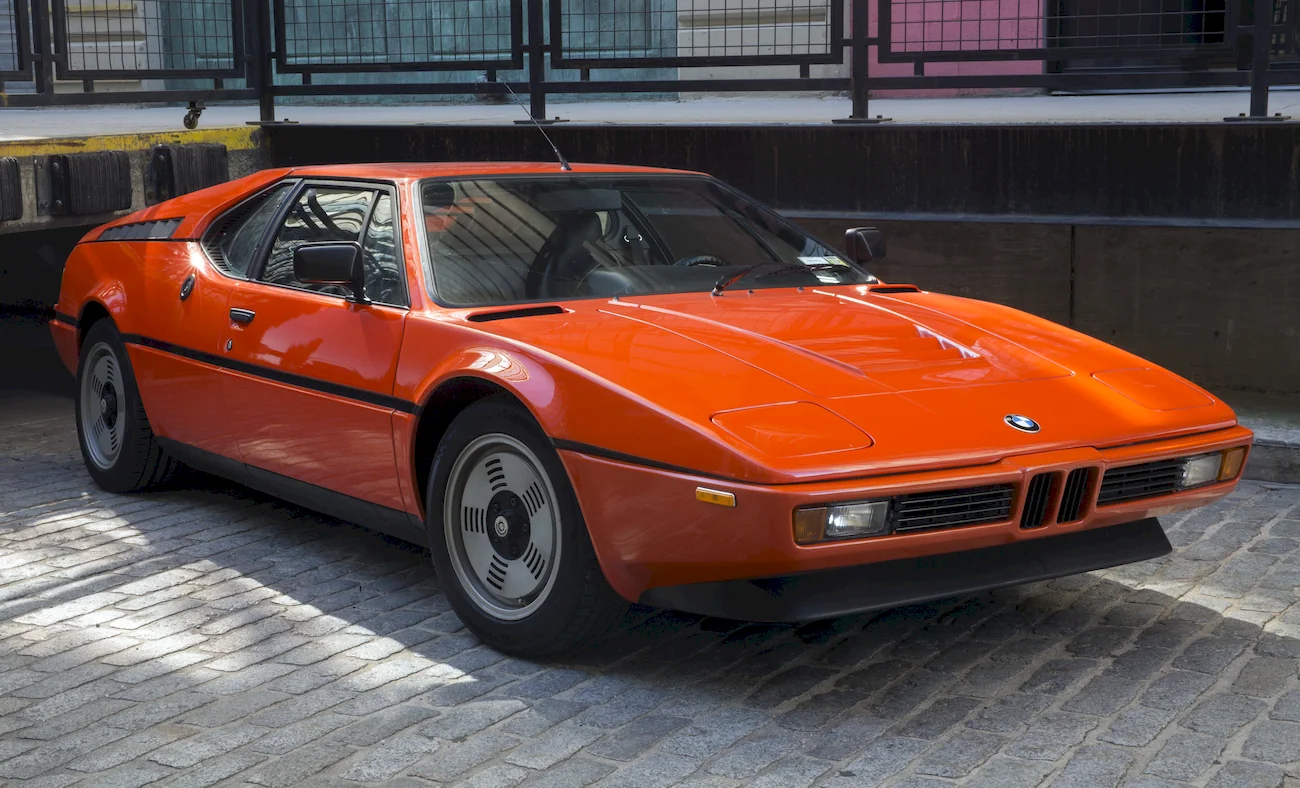
A BMW supercar sounds like a guaranteed success. But in the late 1970s, the public didn’t quite understand why a brand known for sedans and coupes suddenly needed a mid-engine exotic. The M1 was honest, fast, and technically “correct”—yet too rational for those chasing emotion, and too unconventional for traditional BMW buyers.
Today it’s revered. Back then, it puzzled people.
Factors working against the M1:
- A high sticker price for BMW’s customer base
- Complex and prolonged production
- Lack of clear market positioning
10. Jaguar XJ220
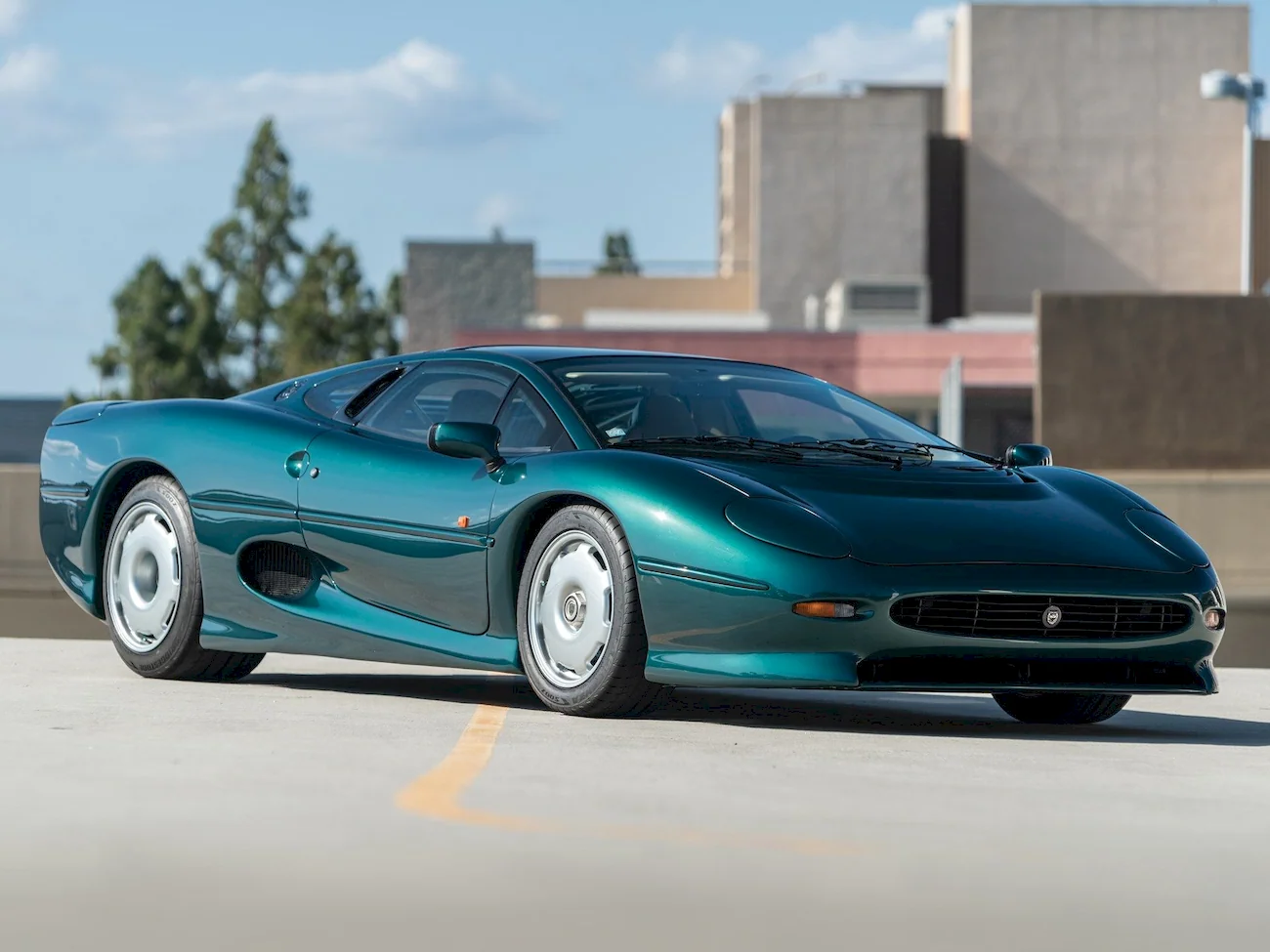
It was expected to be the future king of speed—a V12-powered British monster. Then reality intervened: a different engine, stricter purchase terms, and a changing world.
In the end, the XJ220 became a hostage to expectations. On its own, it was incredibly fast and stunningly beautiful. But people viewed it through the lens of “that’s not what was promised.” The car didn’t fail—the dream built around it cracked.
You may also be interested in the news:
Not Ford, BMW or Audi: Mechanic Names the Car Brand That Almost Never Breaks Down
Auto repair professionals reveal which models rarely suffer major failures and which ones repeatedly end up on the lift.

What Does a Flashing Red Traffic Light Mean? Can You Keep Driving?
Drivers must come to a complete stop at the stop line before deciding whether it is safe to proceed.
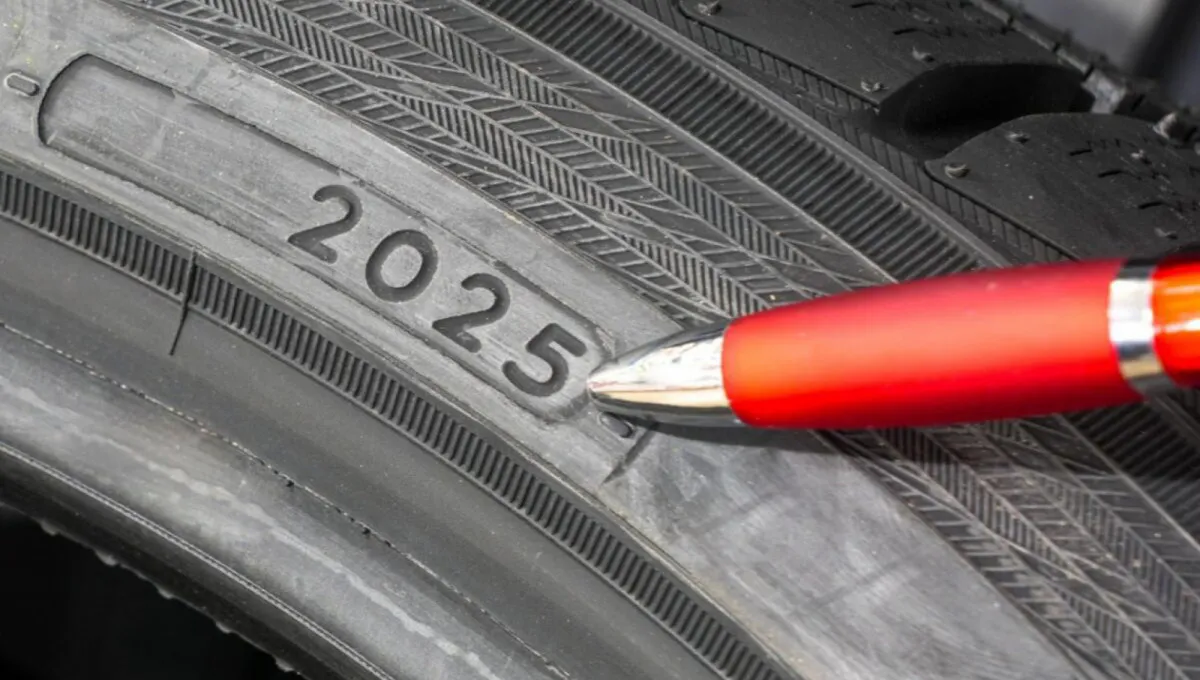
Why You Should Check a Tire’s Manufacturing Date Before Buying
Tire buyers should check more than size, tread, and brand because rubber changes with age, even without visible wear.

Four Car Features Modern Drivers Are Starting to Miss
New cars keep adding technology, but some simple features that drivers once relied on are disappearing.
The Sheriff Knew She Was Speeding—Then This Blonde Driver Turned the Ticket Against Him
A sheriff pulls over a Ferrari for speeding, but the driver's bizarre logic quickly turns the traffic stop against him.