
Donut Lab’s Solid-State Battery Delivers Eye-Opening Charging Results in First Independent Test
Donut Lab turned heads at CES 2026 when it revealed plans to bring what it calls the first commercially available solid-state battery to market.
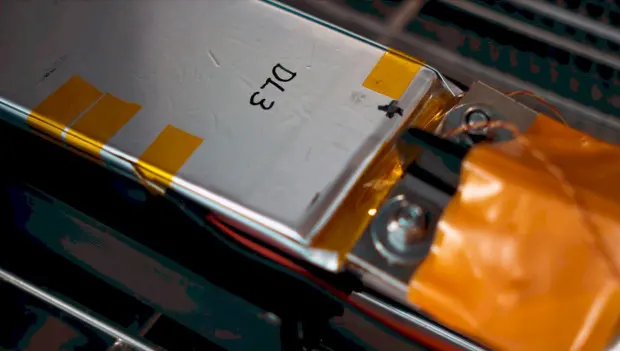
When Donut Lab stepped onto the stage at CES 2026, few expected the announcement it delivered. The Northern European startup claimed it was ready to ship a commercial solid-state battery — and backed that statement with bold numbers: up to 100,000 charge cycles, energy density rated at 400 Wh/kg, and the ability to reach 50% charge in under 10 minutes.
Given the ambitious nature of those promises, skepticism quickly followed. Now, the company has released data from its first independent evaluation, highlighting a charging rate of 11C — a figure that easily ranks among the fastest ever reported.
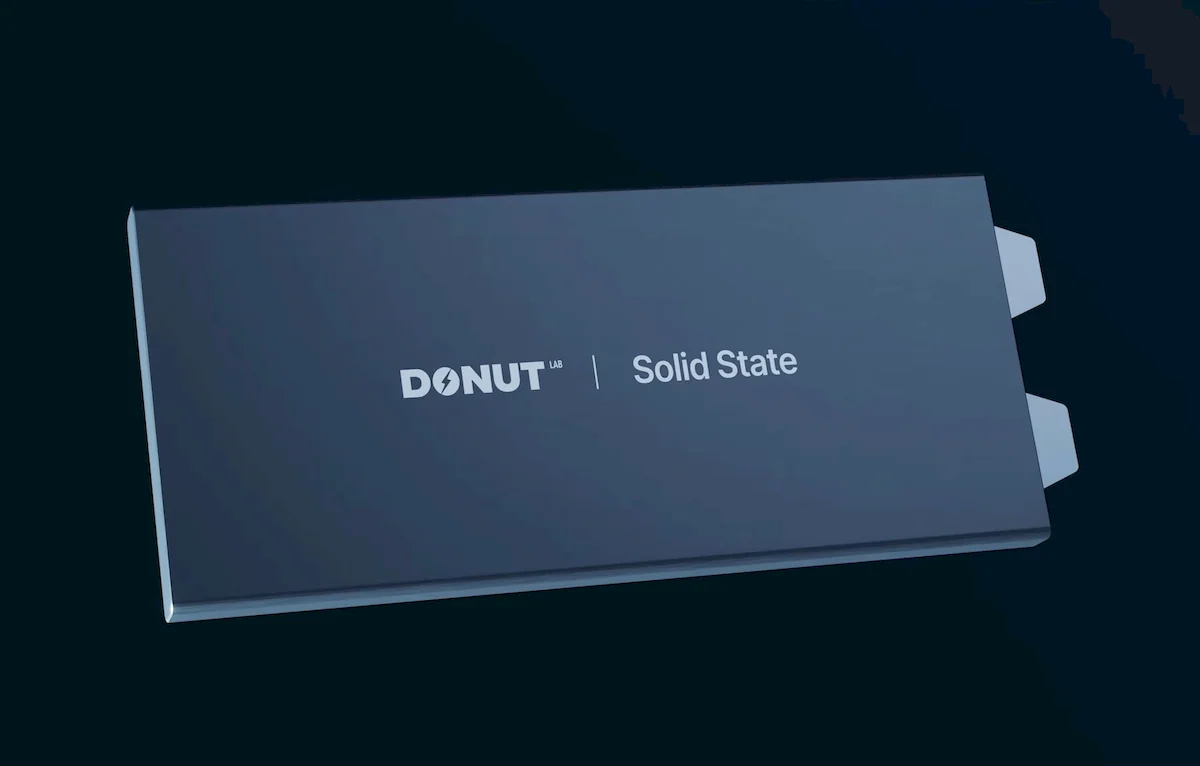
Solid-state battery (SSB) cells have long been described as the “holy grail” of energy storage. In theory, they offer higher energy density, improved safety, and longer service life compared to conventional liquid-electrolyte lithium-ion packs. In practice, however, technical hurdles have kept most solid-state projects confined to labs and pilot lines.
That’s why Donut Lab’s announcement raised eyebrows. The company is a spinoff of Verge Motorcycles, and its new battery is slated to debut in one of Verge’s electric motorcycles. Both brands operate in niche segments, which made the breakthrough claims even harder for many observers to accept — especially considering that industry heavyweights such as CATL and BYD are only expected to begin solid-state trials in the near future.
Among the headline specifications was an energy density of 400 Wh/kg — roughly double that of the 4680 cells used by Tesla. Donut Lab also stated that its battery could endure up to 100,000 cycles while remaining less expensive to produce than today’s lithium-ion alternatives.
Another attention-grabbing claim centered on charging speed. Early statements suggested a full recharge in about five minutes. Later clarification showed that the Verge TS Pro equipped with the pack would regain roughly 300 km (186 miles) of range in 10 minutes — about half the battery’s total capacity. Verge noted that charging speeds were intentionally moderated to give riders time for a short break.
Critics were quick to question whether a battery could realistically deliver across every metric at once. Some experts argued that while certain figures might be technically feasible, achieving all of them simultaneously would push the limits of current materials science. Donut Lab’s response was simple: wait for third-party verification.
The first independent charging test was carried out by the VTT Technical Research Centre of Finland. While the evaluation focused solely on charging behavior — not longevity or energy density — the results were noteworthy. The battery demonstrated sustained 11C charging capability. For comparison, many advanced lithium-ion cells on the market today peak around 6C.
In practical terms, 11C suggests the battery can theoretically reach a full charge in under five minutes. During testing, the pack moved from 0% to 80% in less than 10 minutes while maintaining 100% of its capacity. In another run, it achieved 0–80% in under five minutes, with capacity retention at 99%. Those figures are significant, as rapid charging typically accelerates cell degradation.
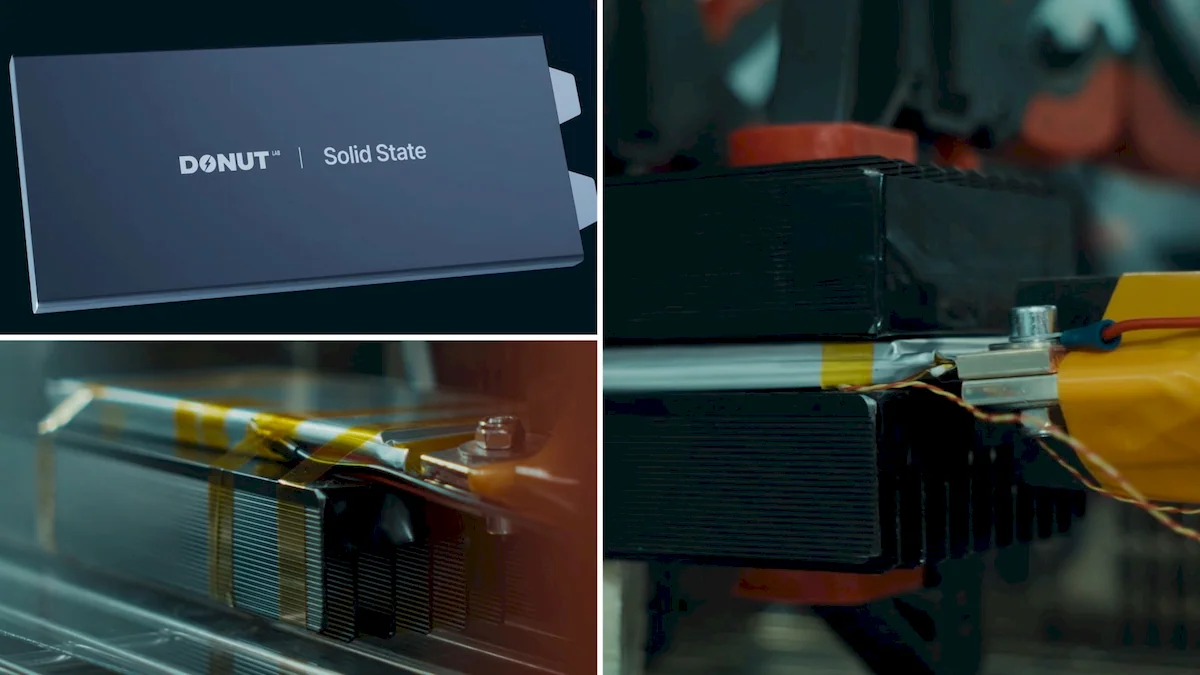
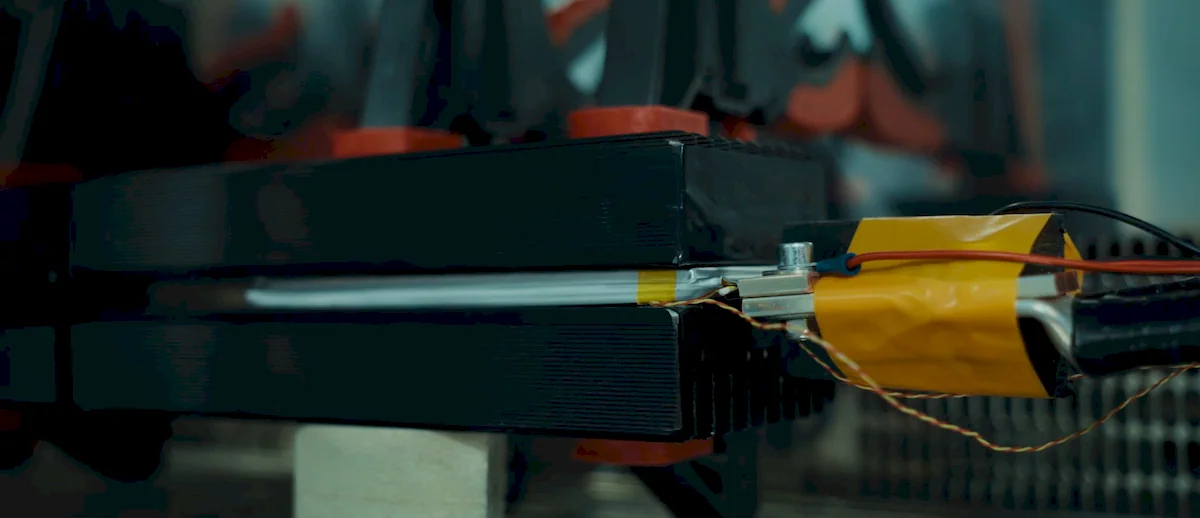
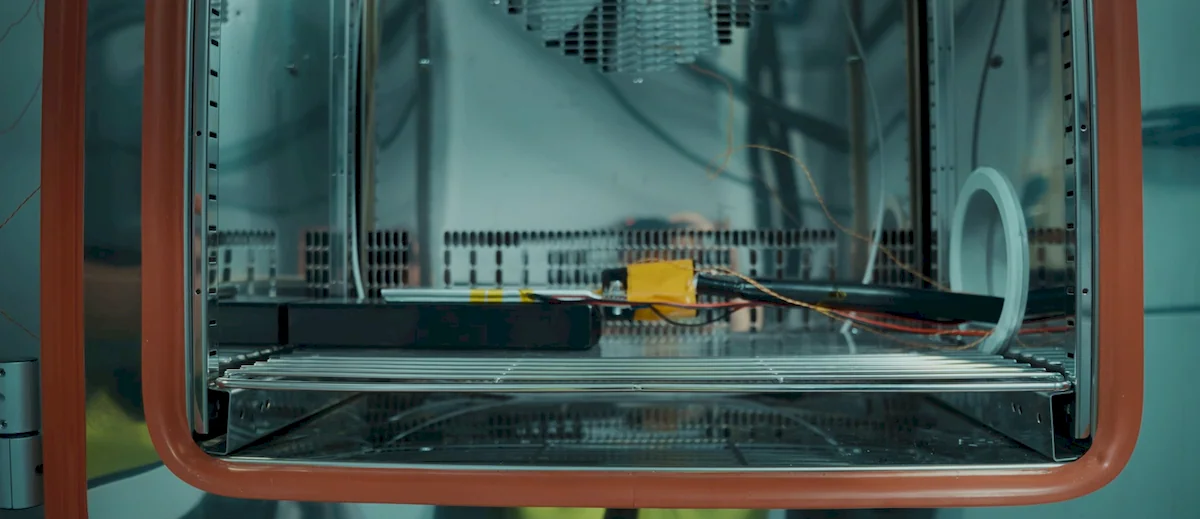
Cooling requirements also proved interesting. The battery managed high charging rates using only passive cooling. Tests were conducted with two cooling plates and then with a single metal plate beneath the cell. Results showed that 5C charging — equivalent to a full recharge in about 12 minutes — was achievable with just one plate. However, the 11C test exceeded 90°C (194°F) when limited to a single plate, preventing completion under that configuration.
While the charging performance stands out, other headline claims remain unverified by independent testing. Energy density, extreme-temperature capability, and especially the projected 100,000-cycle lifespan still need outside confirmation. Donut Lab has indicated that additional third-party evaluations are in the pipeline as part of its “I Donut Believe” campaign.
You may also be interested in the news:
BYD Patents a Battery That Is Cooled by Literally Submerging It in Liquid
A new BYD patent describes a battery architecture that uses dielectric fluid to cool battery modules while keeping electrical components dry.
AI Took Over a Real Car. What Happened Next Was a Wake-Up Call
An American engineer handed several AI models control of a real car, and their driving performance fell short of expectations.
3 Signs Your Car Battery Is About to Die — And the Warning Signs Drivers Often Miss
A failing car battery rarely dies without warning, and these three signs can give drivers time to act before getting stranded.
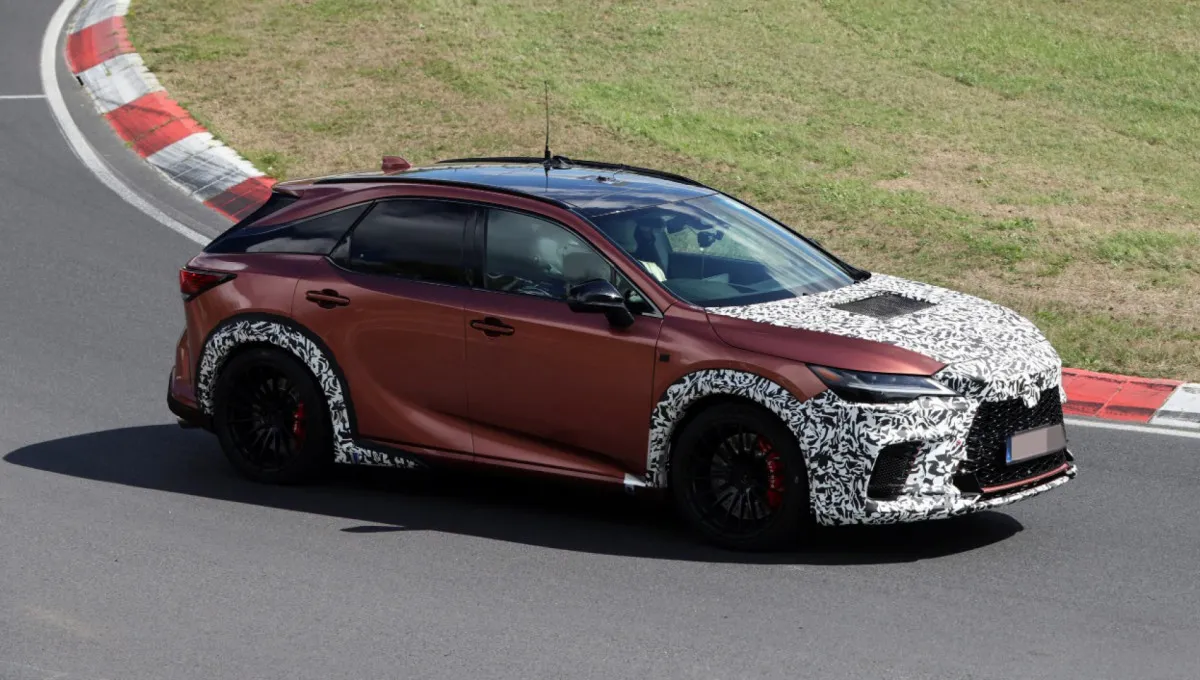
2028 Lexus RX Morizo RR Spy Photos Reveal a Hood Vent and Aggressive New Seats
The Lexus RX Morizo RR is back at the Nürburgring, revealing a functional hood vent and its sport-focused interior.
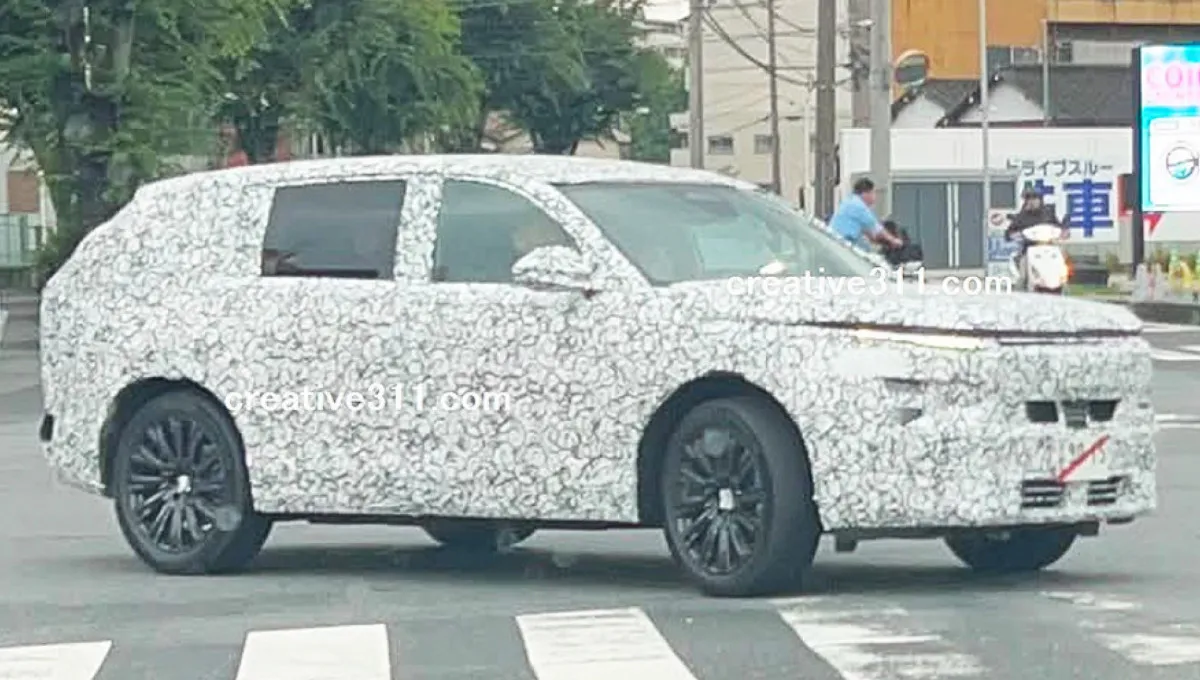
Honda's New 7-Seat Luxury SUV Gets a Projected Price
Honda is preparing a new Avancier three-row SUV aimed at buyers seeking more space, comfort and upscale features.