
2026 Jeep Grand Cherokee First Drive: Incremental Gains in a Crowded SUV Field
Jeep’s refreshed midsize SUV adds sharper styling, updated tech and a new turbo engine, but major changes remain limited.
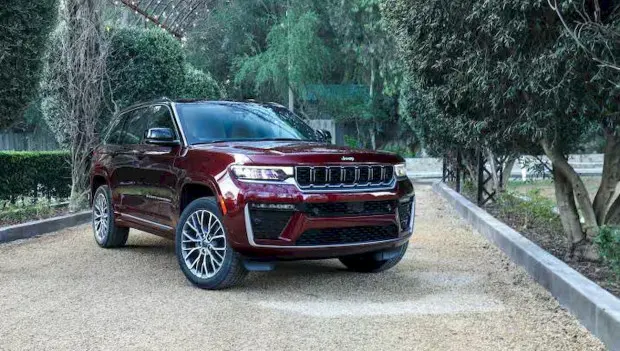
Few nameplates in the SUV world carry the same weight as the Jeep Grand Cherokee. It wasn’t the segment’s original pioneer, but it helped define what a modern SUV could be — comfortable on pavement, capable off it, and practical enough for everyday family duty. Its long-running success played a major role in pushing automakers toward the crossover-heavy lineups we see today.
For 2026, Jeep introduces a round of updates that includes subtle exterior tweaks, upgraded in-car technology, and a new turbocharged four-cylinder engine. The question is whether those revisions are enough to keep pace with increasingly competitive rivals — and to smooth over lingering criticism of the outgoing model. A short stint behind the wheel offered some early answers.
A Midcycle Refresh, Not a Reinvention
Jeep’s year is already off to a busy start. Shortly before driving the Grand Cherokee, I sampled the redesigned Jeep Cherokee hybrid, which arrives fully overhauled. In contrast, the Grand Cherokee enters 2026 with more restrained updates. The fifth-generation model has been on sale since 2021, making this refresh right on schedule.
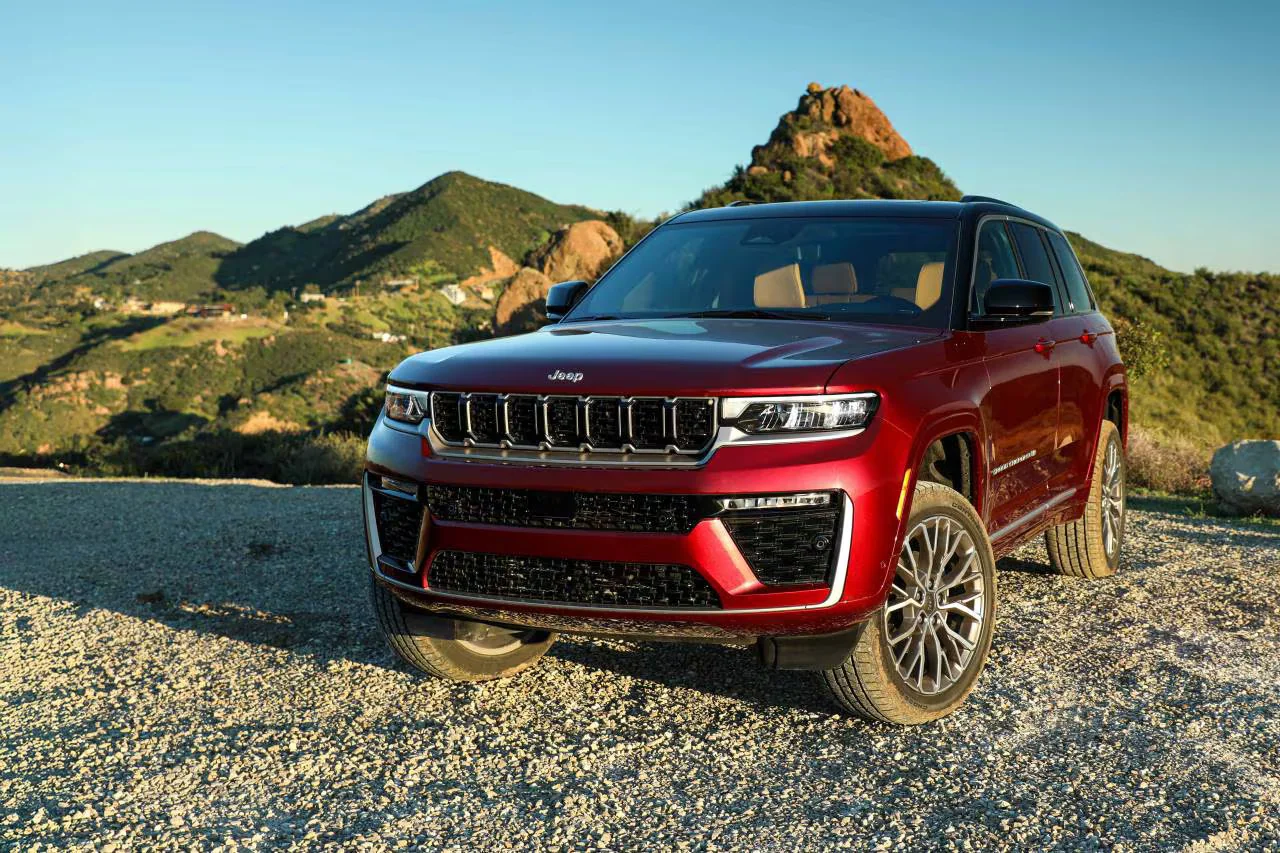
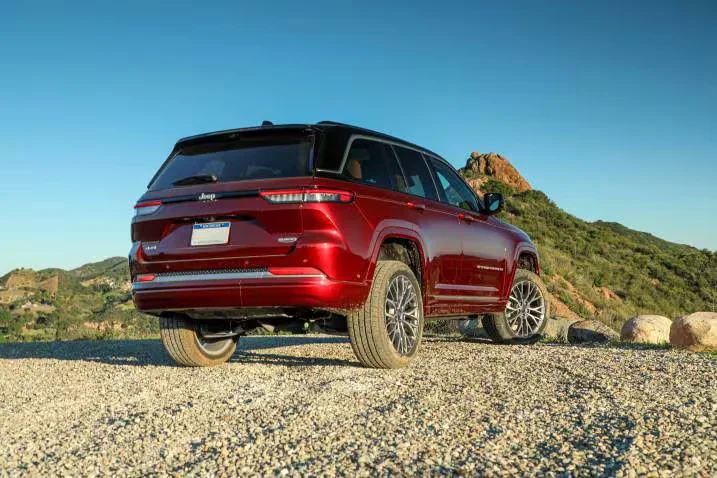
Visually, changes are modest. The front fascia has been revised, and Jeep’s signature seven-slot grille remains, though its outline has been reshaped slightly. New headlights and a reworked front bumper give it a fresher look, while updates to the rear bumper round out the exterior tweaks. Overall, however, the SUV’s profile remains largely unchanged.
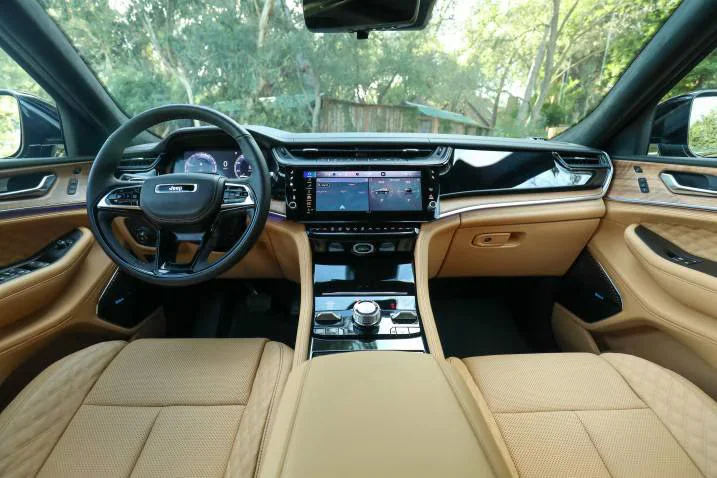
Inside, the layout will feel familiar to returning owners. The biggest difference centers on the infotainment system. Base trims continue with an 8.4-inch touchscreen, while upgraded models now feature a 12.3-inch display, replacing the previous 10.1-inch unit. The interface itself carries over, but during my drive the larger screen appeared crisper and quicker to respond.
A New Engine Takes the Spotlight
The most significant update for 2026 sits beneath the hood. Jeep has streamlined the lineup to two gas engines, as the 4xe plug-in hybrid has been discontinued. The entry-level Laredo keeps its 3.6-liter V6, producing 293 horsepower and 260 lb-ft of torque. This engine has powered numerous Stellantis models for well over a decade and remains a proven performer.
New this year is a 2.0-liter turbocharged inline-four delivering 324 horsepower and 332 lb-ft of torque. It surpasses the V6 in output, though it doesn’t replace the punch once offered by the retired Hemi V8. Efficiency improves, with the turbo four rated at 26 mpg combined (21 city/26 highway). Jeep notes that while regular fuel is acceptable, maximum performance requires premium. Both engines pair with an eight-speed automatic transmission. Rear-wheel drive is standard on most trims, with four-wheel drive available.
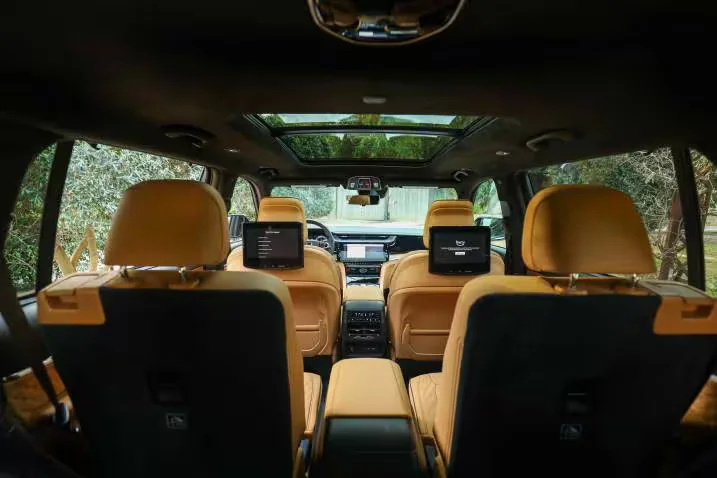
These updates apply to both the standard two-row model and the three-row Jeep Grand Cherokee L, so buyers needing extra passenger room won’t miss out on the improvements.
On the Road
My drive took place in the hills around Malibu, where steep grades and sweeping canyon roads can quickly expose drivetrain weaknesses. Overall, the new turbocharged engine leaves a favorable first impression.
Like many small-displacement turbo engines, it feels slightly subdued from a standstill. There’s a brief pause before boost builds, making it seem less eager than the V6 at very low speeds. Once moving, however, the turbo four comes alive. Midrange acceleration is strong, and the engine feels well matched to the Grand Cherokee’s size. The exhaust note even carries a subtle growl that adds personality.
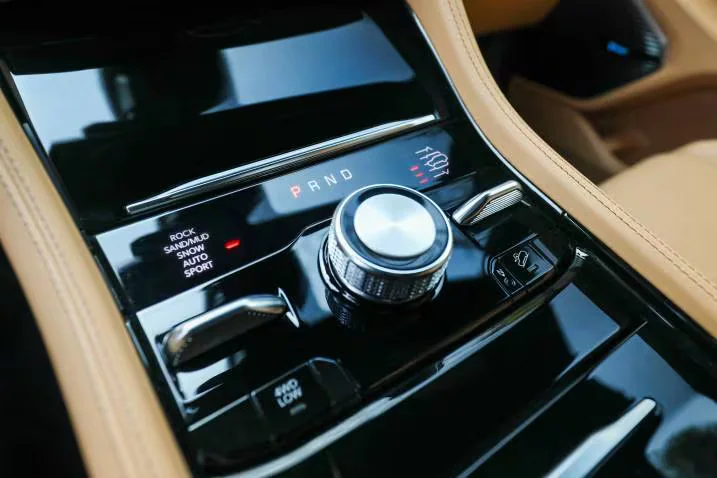
The eight-speed automatic shifts smoothly in most situations, though it occasionally upshifts too quickly. During highway passing or uphill climbs, I noticed a hesitation before it kicked down a gear. It’s not a dealbreaker, but it stands out. Even so, the new powertrain shows promise and doesn’t reveal any glaring shortcomings in early testing.
Still Comfortable, Still Competitive — But Not Class-Leading
Beyond the engine, much remains the same. The seats lean firm, though they provide adequate support and adjustment. Interior space is respectable, but second-row legroom trails some competitors. Cargo capacity is average for the class. One highlight is towing capability: properly equipped, the Grand Cherokee can tow up to 6,200 pounds, a strong figure for a midsize SUV.
Pricing starts at $40,410 for a rear-wheel-drive Laredo. Moving up the trim ladder raises the sticker quickly. The range-topping Summit tester I drove, equipped with standard four-wheel drive and a hands-free driving system, came in at $66,180. That’s higher than comparably equipped rivals from brands like Ford Motor Company and Hyundai Motor Company.
The refreshed Grand Cherokee remains a solid, well-rounded SUV. The updates are welcome, particularly the new engine. Still, the improvements feel evolutionary rather than transformative. In a segment crowded with capable options such as the Subaru Outback, Honda Passport, Toyota 4Runner, and Hyundai Palisade, the Jeep holds its ground — but it doesn’t quite set the pace.
You may also be interested in the news:
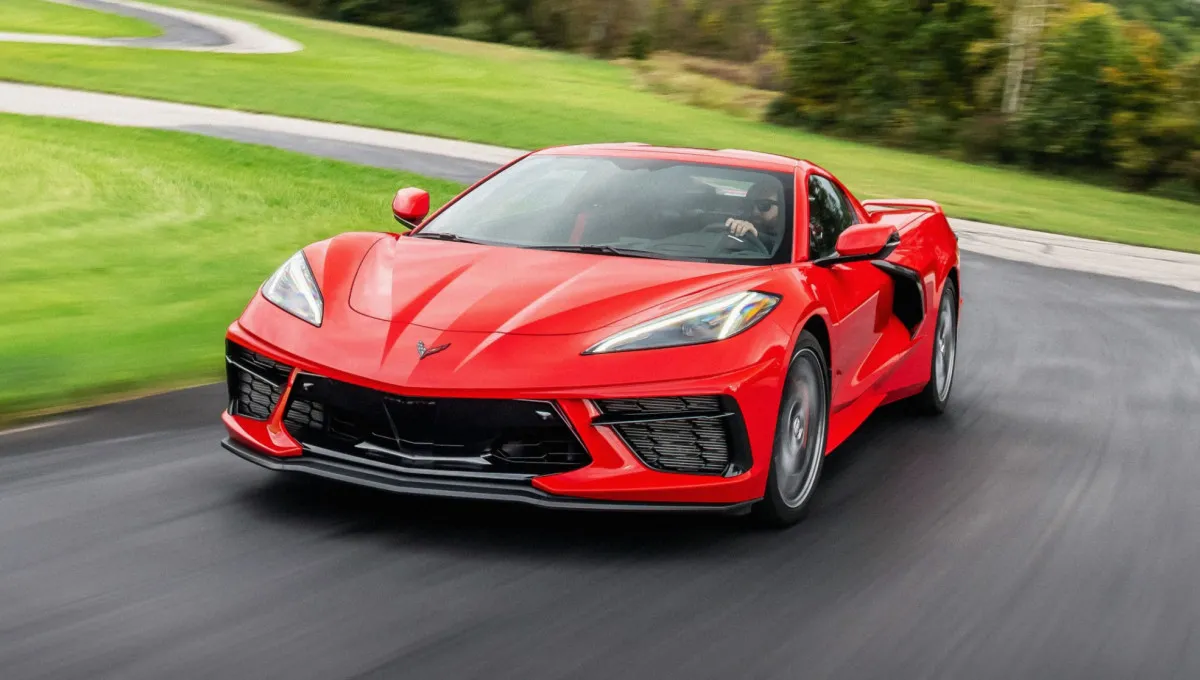
5 of the Most Beautiful Chevrolet Cars: Timeless Designs With Stunning Silhouettes
Which Chevrolet models deserve to be called the most beautiful?
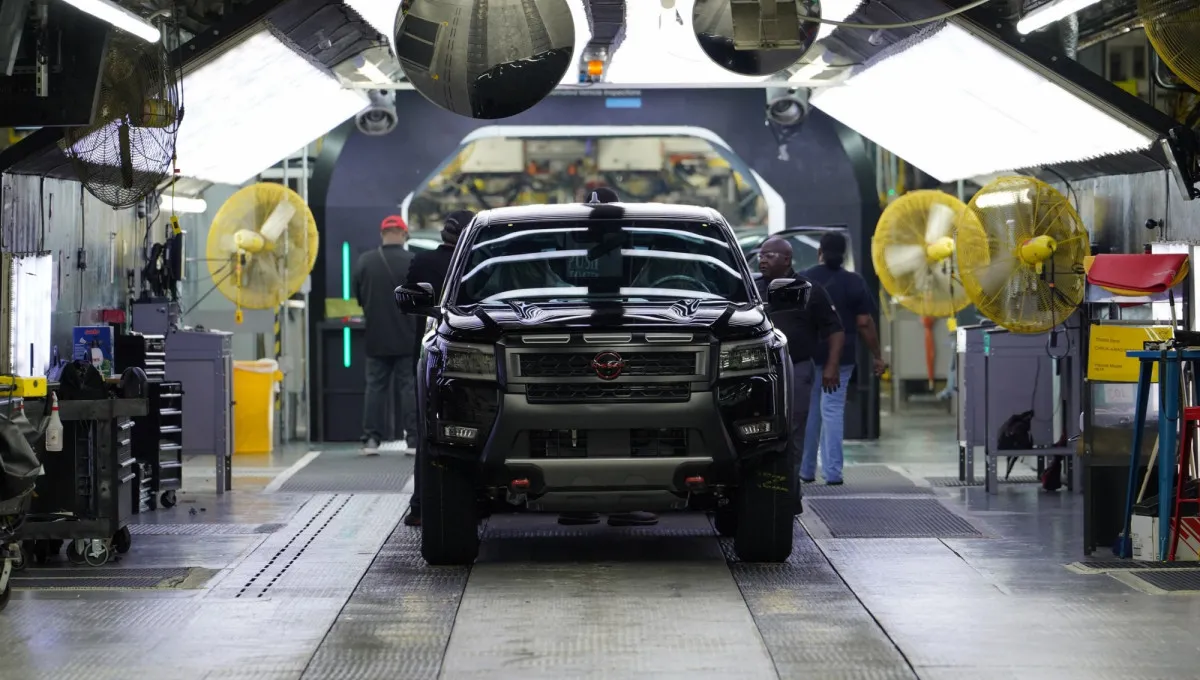
Nissan Restarts US-Made Murano, Pathfinder, Frontier Sales in Canada
Nissan resumed Canadian sales of three U.S.-built models, but tariffs keep supply below earlier levels.
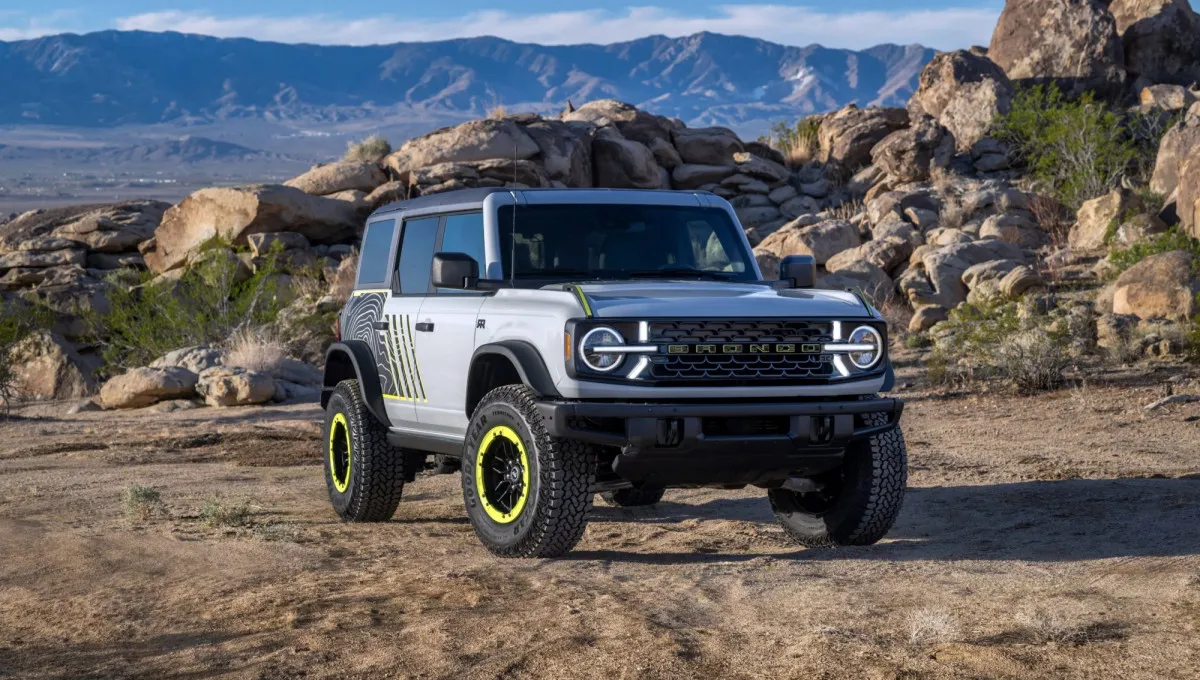
2027 Ford Bronco RTR Priced From $50,495—Undercuts Bronco Raptor by $31,500
Ford has set the starting price for the 2027 Bronco RTR, with orders expected to open later this year.
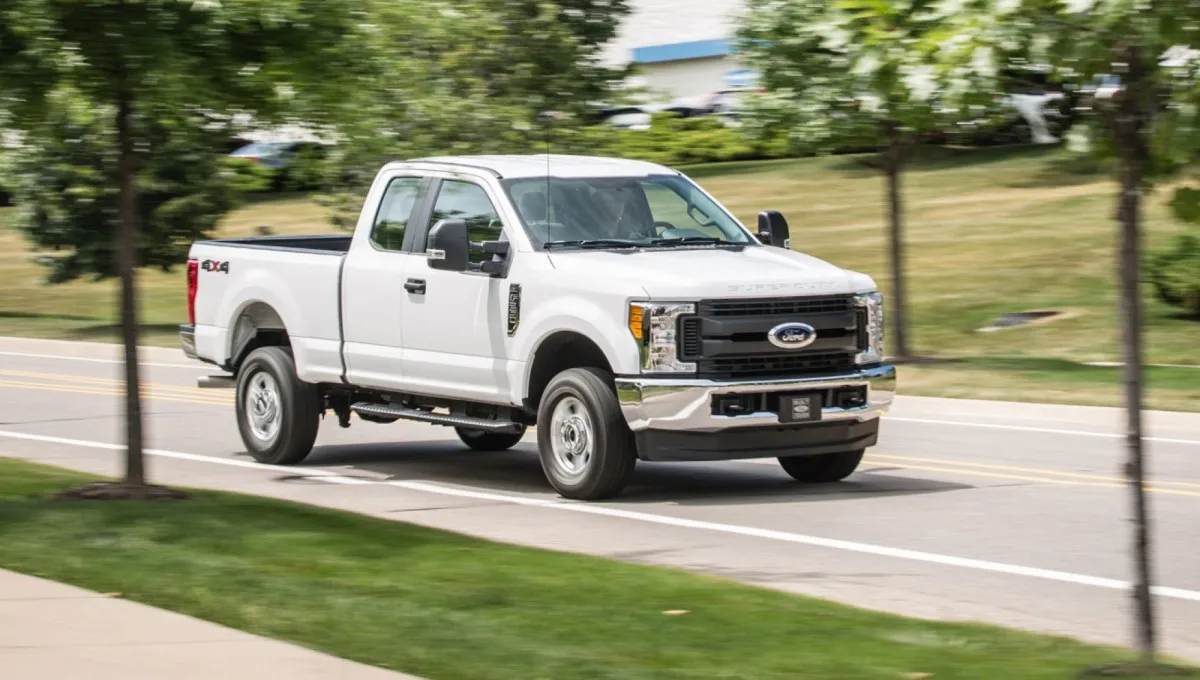
41,748 Ford SUVs and Trucks Recalled—Your Headlights Could Suddenly Stop Working
Ford recalls 41,748 vehicles after contaminated LED chips threaten required headlight performance on newer models.
The Sheriff Knew She Was Speeding—Then This Blonde Driver Turned the Ticket Against Him
A sheriff pulls over a Ferrari for speeding, but the driver's bizarre logic quickly turns the traffic stop against him.