
Why the Volkswagen Thing Never Truly Found Its Place in America
Volkswagen’s quirky open-top Thing looked perfect for California beaches, but American buyers never fully embraced the unusual machine.
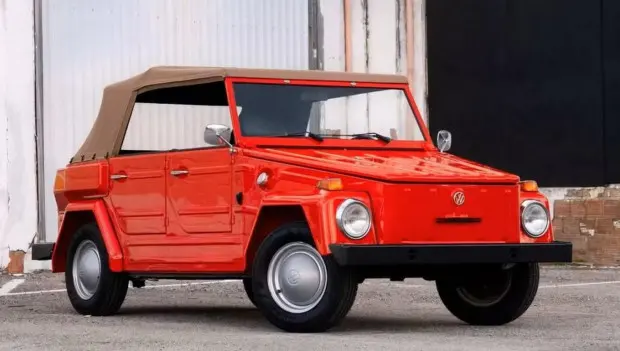
Back in 1973, Volkswagen tried to win over American buyers with a vehicle unlike anything else on the road. The Volkswagen Thing was boxy, minimalist, and completely unconventional. Its doors could be removed, and the windshield folded flat onto the hood.
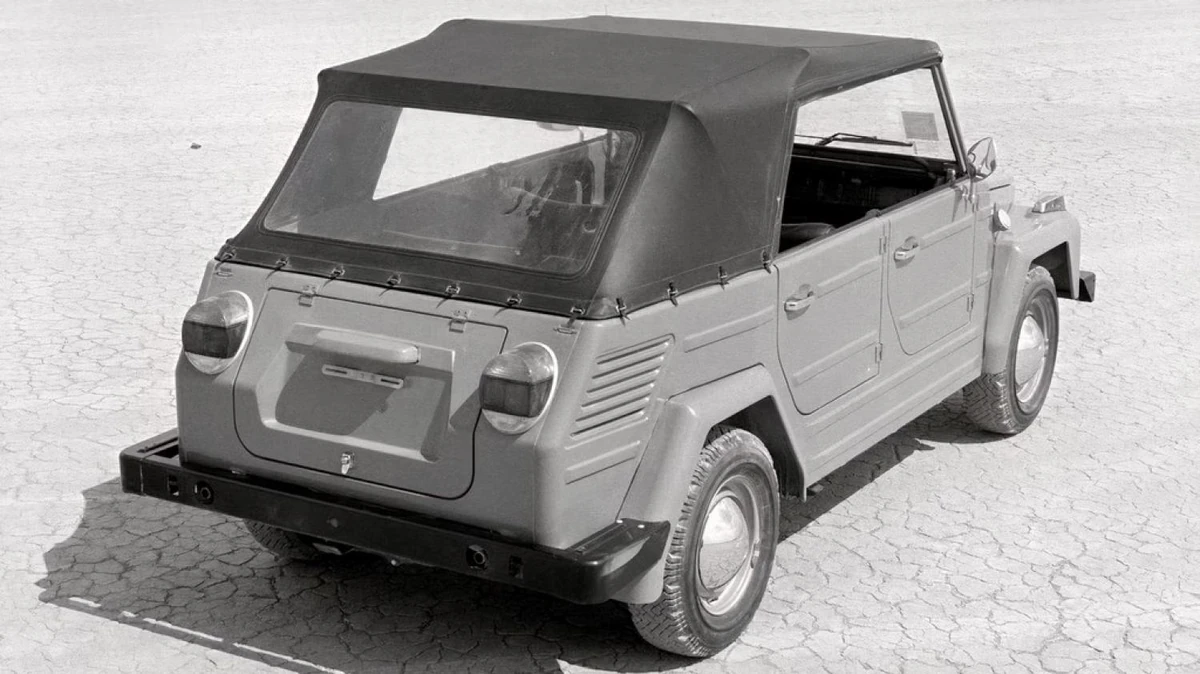
At first glance, it looked like a rugged military off-roader ready to storm the beach alongside serious 4x4s. But underneath the tough exterior was essentially the heart of the classic Volkswagen Beetle — rear-wheel drive, no low-range gearbox, and very limited off-road capability. That raised an important question: was the Thing a brilliant marketing idea or a major miscalculation?
Born From Military Roots
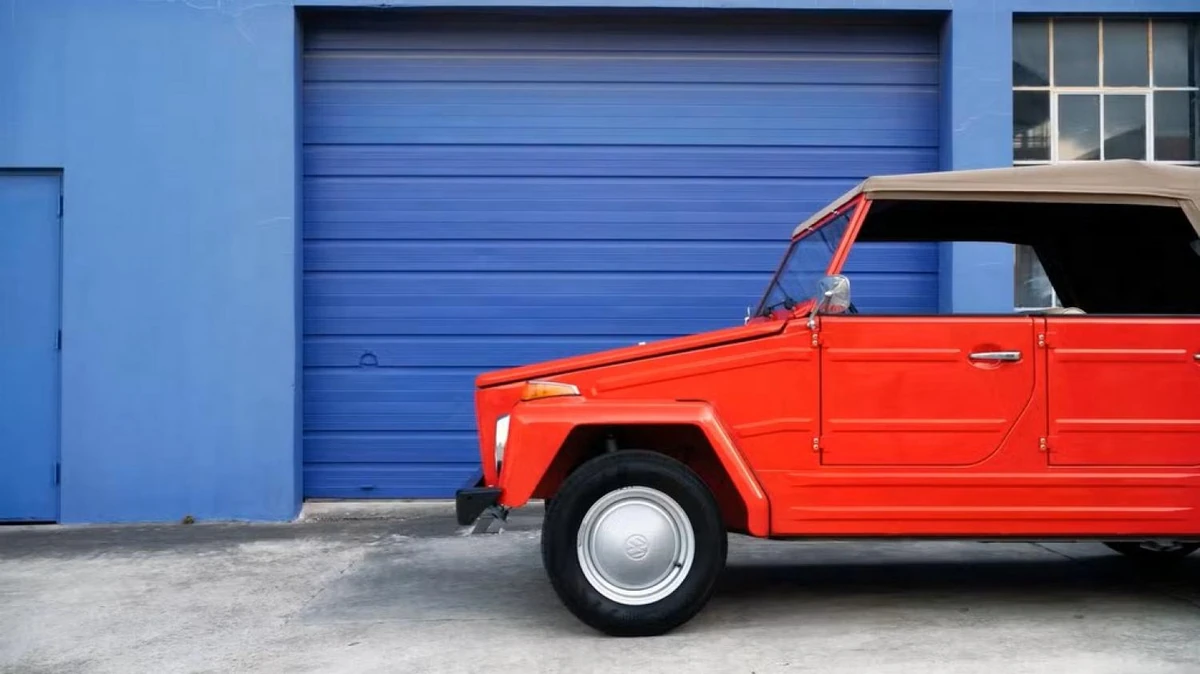
Volkswagen engineers reportedly struggled to come up with a proper name for the vehicle before settling on the oddly simple “Thing.” The model was intended to breathe new life into the company’s aging lineup in the early 1970s.
The vehicle was based on the military-spec Type 181, originally developed for NATO forces as a lightweight and easy-to-repair transport vehicle. With a few cosmetic updates, Volkswagen transformed the utilitarian machine into a fun, affordable lifestyle vehicle aimed at everyday consumers.
Advertising campaigns painted a carefree picture of the Thing cruising along beaches and tackling sand dunes while delivering a sense of freedom and adventure. Americans initially responded well, especially since the $2,950 sticker price made it one of the cheapest open-top utility vehicles on the market at the time.
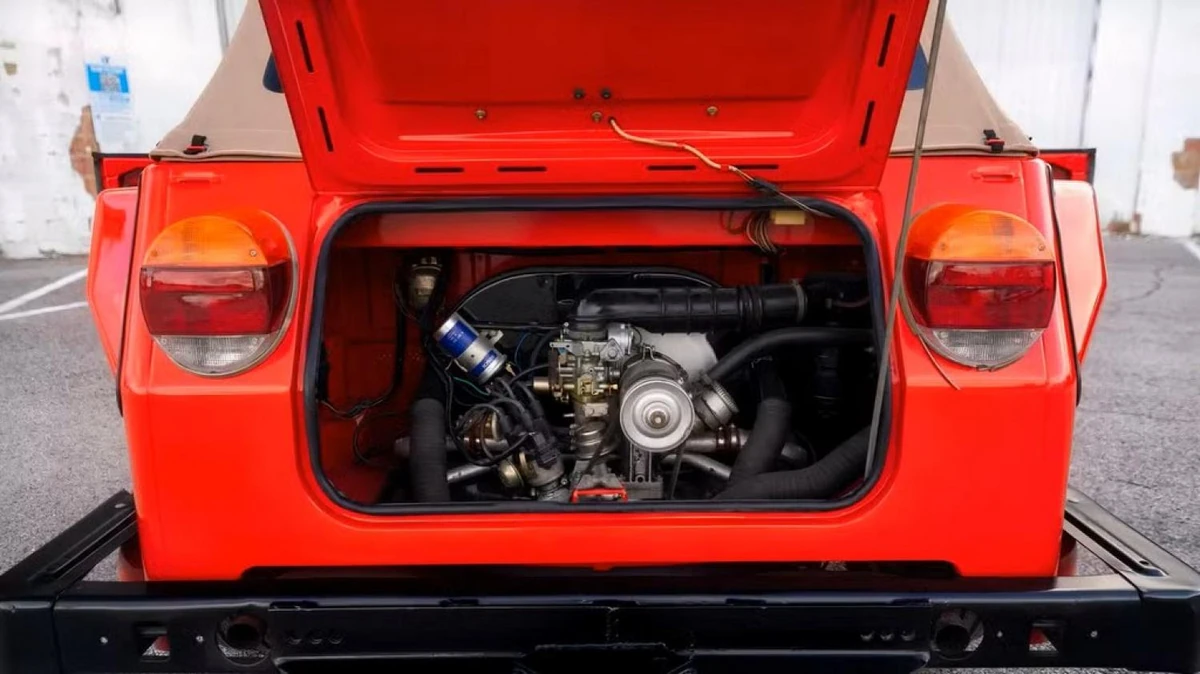
Volkswagen also kept development costs low by borrowing heavily from existing models. The Thing used the same platform, suspension, and air-cooled engine found in the Beetle.
A Complicated Heritage
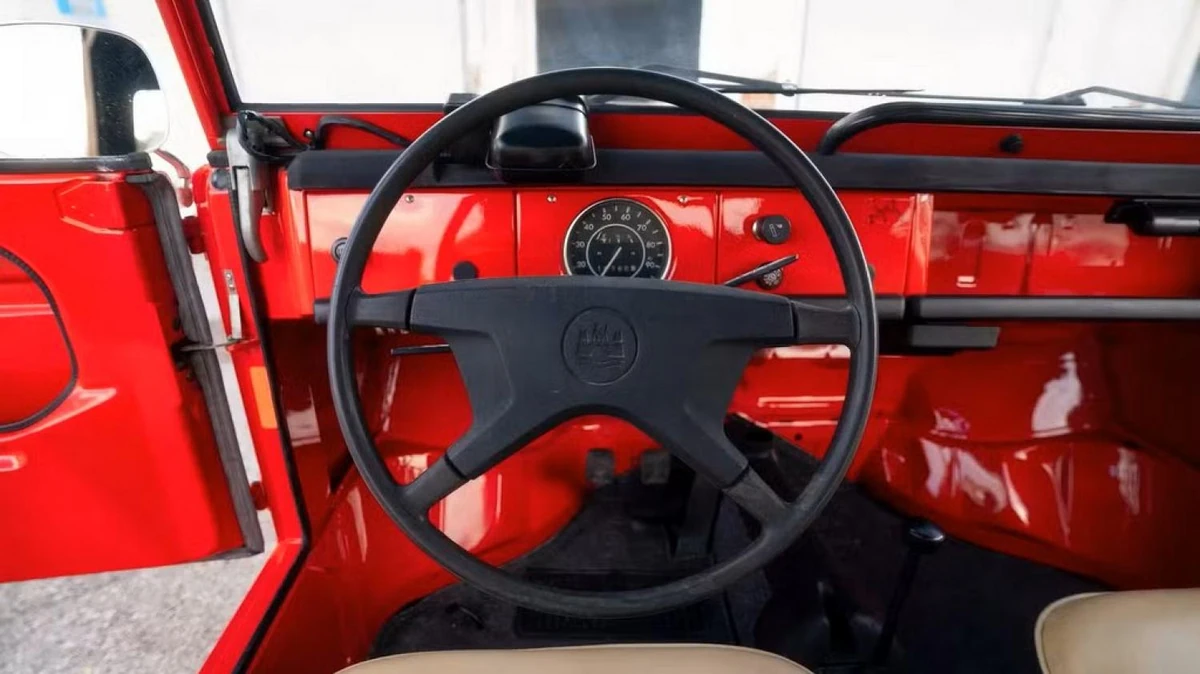
Despite its fun-loving image, the Thing had surprisingly deep military roots. Its origins traced back to the Type 82 Kübelwagen, a lightweight military vehicle developed by Ferdinand Porsche for the German military during World War II as a counterpart to the American Willys Jeep.
The Kübelwagen was lightweight and agile, featuring a rear-mounted air-cooled engine and specialized gearing that helped it navigate rough terrain surprisingly well.
After the war, West Germany needed a more modern replacement, which eventually led to the development of the Type 181. However, the civilian version sold in America lost much of its off-road hardware. Unlike later military Type 183 variants, the U.S.-market Thing lacked four-wheel drive and serious trail capability.
Many buyers in places like Malibu probably had no idea the rugged-looking body sat on essentially the same underpinnings as Volkswagen’s compact economy car.
The Timing Couldn’t Have Been Worse
The Thing’s launch in 1973 initially generated plenty of attention, but bad timing quickly became a problem. Shortly after it arrived in dealerships, the oil crisis reshaped the American auto market almost overnight.
Consumers suddenly prioritized fuel economy and practicality above everything else. While the Thing’s 1.6-liter engine wasn’t particularly thirsty, performance was modest at best. Top speed barely reached about 68 mph, making highway driving less than ideal.
Ultimately, though, government regulations dealt the final blow. In 1975, new U.S. safety standards required stronger doors and improved crash protection. The Thing’s lightweight steel construction could not meet the tougher regulations without significant redesigns.
Volkswagen chose not to invest in updating the vehicle because sales volume simply did not justify the expense. After selling roughly 25,000 units over two years, the company quietly pulled the model from the American market.
From Forgotten Oddity to Collector Favorite
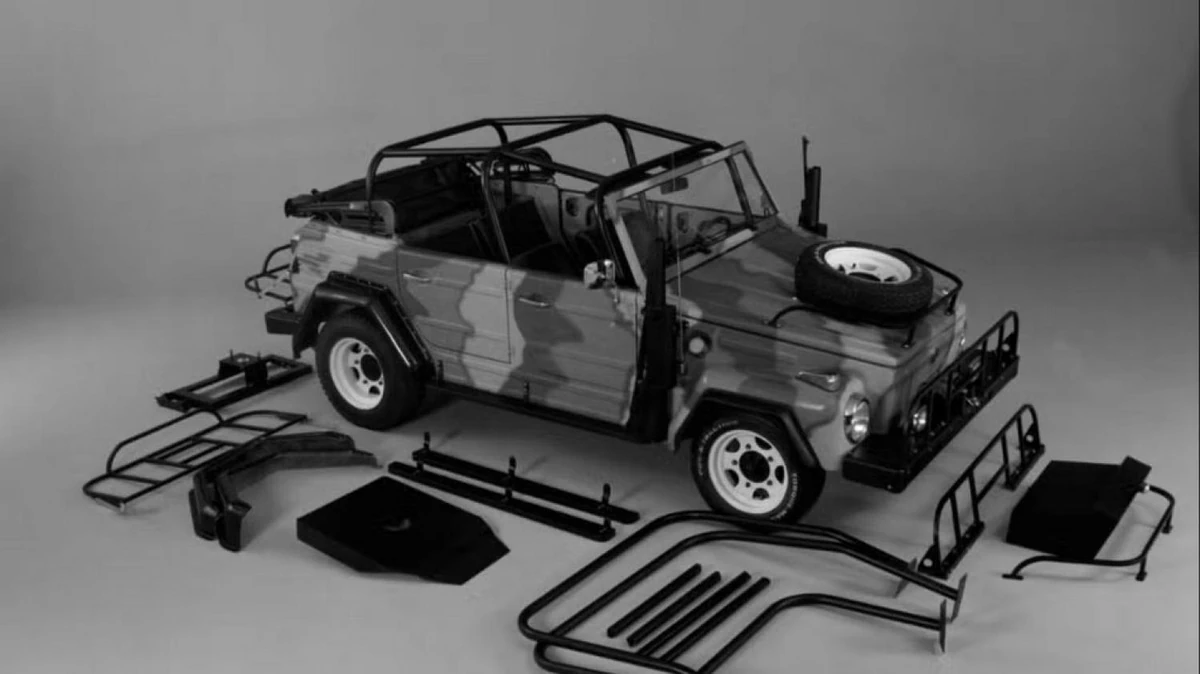
Although the Thing disappeared from U.S. showrooms, production continued in Mexico and Indonesia through 1980. In those markets, the vehicles served in police fleets and tourist areas such as Cancun.
Today, the Volkswagen Thing has experienced a surprising comeback among collectors and enthusiasts. Its unusual styling, simple mechanical design, and relative rarity have made it increasingly desirable.
Well-preserved examples now regularly sell for anywhere between $20,000 and $40,000 at auctions. Some owners transform them into desert toys, while others convert them into EVs, proving the quirky platform still offers plenty of creative potential decades later.
In many ways, the Volkswagen Thing became an automotive paradox. It promised off-road freedom but was ultimately built more for pavement than rugged terrain. It was neither refined nor truly capable off-road, yet its honesty and playful simplicity gave it a personality few modern vehicles can replicate.
Half a century later, that character may be far more valuable than genuine off-road performance ever was.
You may also be interested in the news:
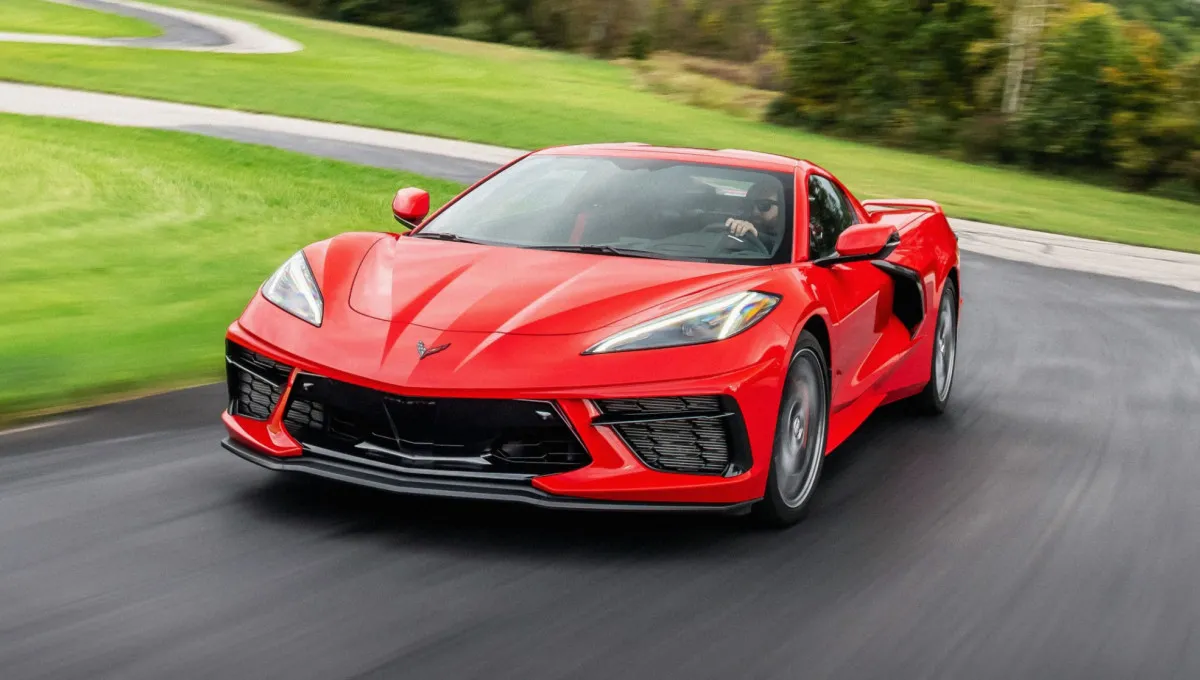
5 of the Most Beautiful Chevrolet Cars: Timeless Designs With Stunning Silhouettes
Which Chevrolet models deserve to be called the most beautiful?
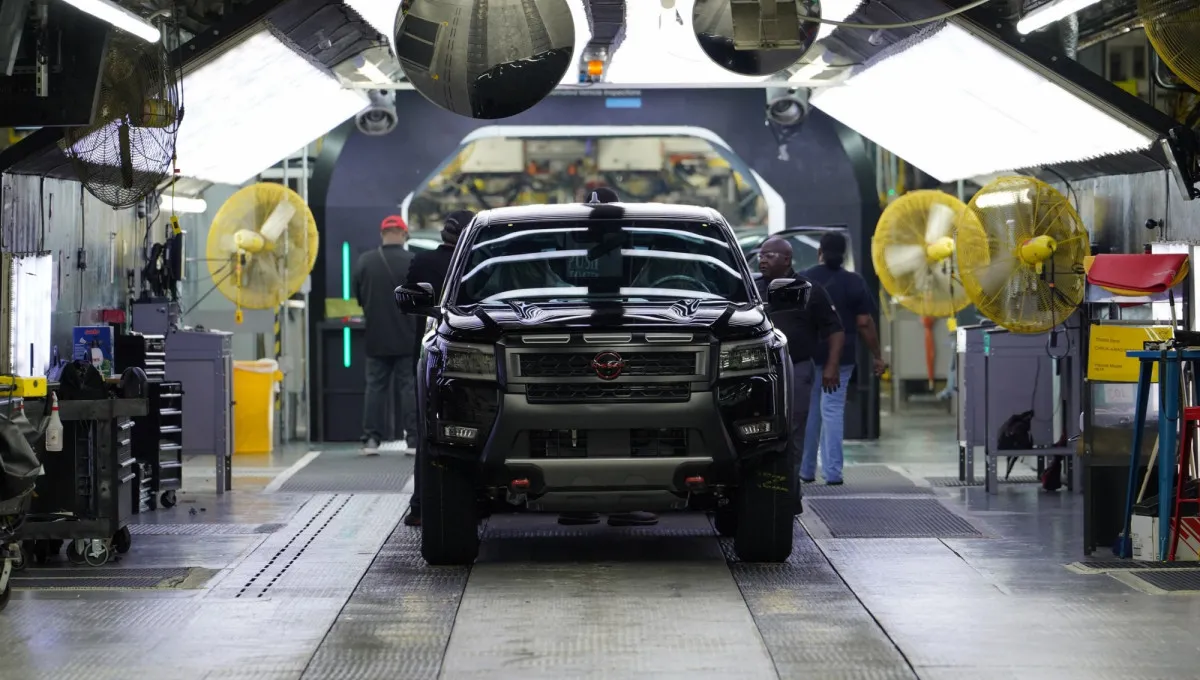
Nissan Restarts US-Made Murano, Pathfinder, Frontier Sales in Canada
Nissan resumed Canadian sales of three U.S.-built models, but tariffs keep supply below earlier levels.
41,748 Ford SUVs and Trucks Recalled—Your Headlights Could Suddenly Stop Working
Ford recalls 41,748 vehicles after contaminated LED chips threaten required headlight performance on newer models.

The Sheriff Knew She Was Speeding—Then This Blonde Driver Turned the Ticket Against Him
A sheriff pulls over a Ferrari for speeding, but the driver's bizarre logic quickly turns the traffic stop against him.

Stellantis Patents System That Lets an EV Drop Its Battery and Drive Away
A new patent details an emergency system that could let an EV disconnect its high-voltage battery and move away from danger.