
Scout Has 150,000 Reservations — And a Huge Problem With VW Own Dealers
Scout Motors hasn’t begun full production of its pickups and SUVs yet — but it has already amassed a massive reservation list.
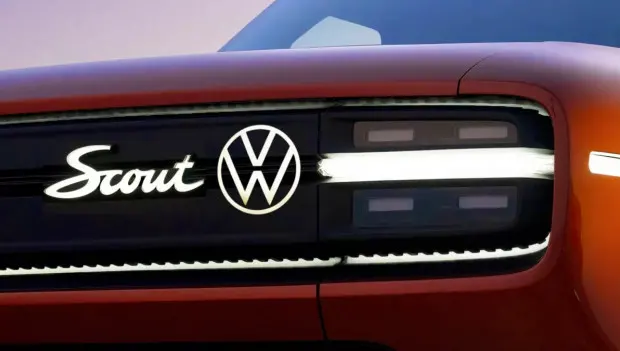
Volkswagen’s new electric sub-brand Scout has not yet started full-scale production of its upcoming models, but it has already collected more than 150,000 reservations for the Terra pickup and Traveler SUV. That early success has reignited a long-running conflict between automakers and their franchised dealer networks.
This week, two Volkswagen dealership groups filed a class-action lawsuit in federal court in Virginia. The case is being handled by law firm Hagens Berman. The plaintiffs argue that Volkswagen is violating existing dealer franchise agreements by planning to sell Scout vehicles directly to consumers online, bypassing traditional dealership showrooms.
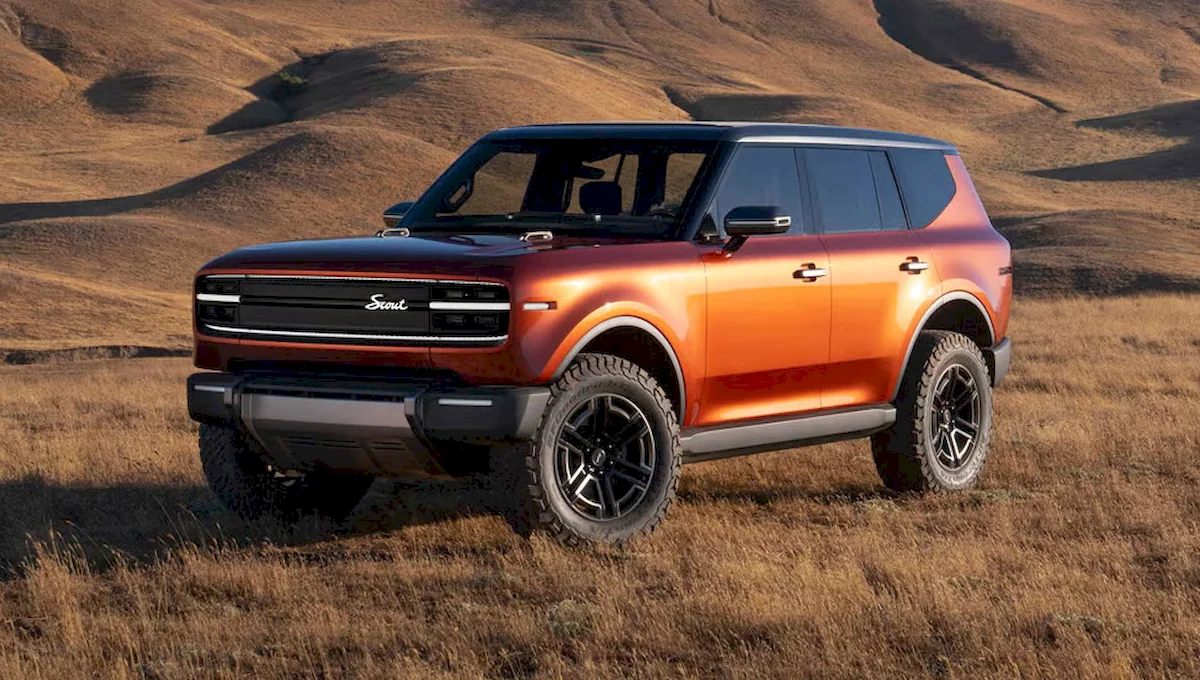
According to the complaint, Volkswagen allegedly attempted an end-run around franchise laws by establishing Scout Motors as a formally separate entity. The lawsuit describes Scout as essentially a “shell” company created to sidestep dealer obligations and move sales outside existing franchise agreements.
The filing claims Scout is effectively an extension of Volkswagen, and that its direct-to-consumer online sales model represents a “blatant” breach of contract. Hagens Berman managing partner Steve W. Berman stated that Volkswagen was fully aware of its legal commitments to dealers but chose a strategy that excludes them from the transaction.
The case is being led by Sunrise Imports LLC of Long Island, New York, and Curran Volkswagen Inc. of Stratford, Connecticut. The plaintiffs are asking the court to certify a nationwide class representing Volkswagen dealers across the United States. Their argument centers on the premise that franchise agreements require vehicle sales to go through authorized dealerships — not directly to customers.
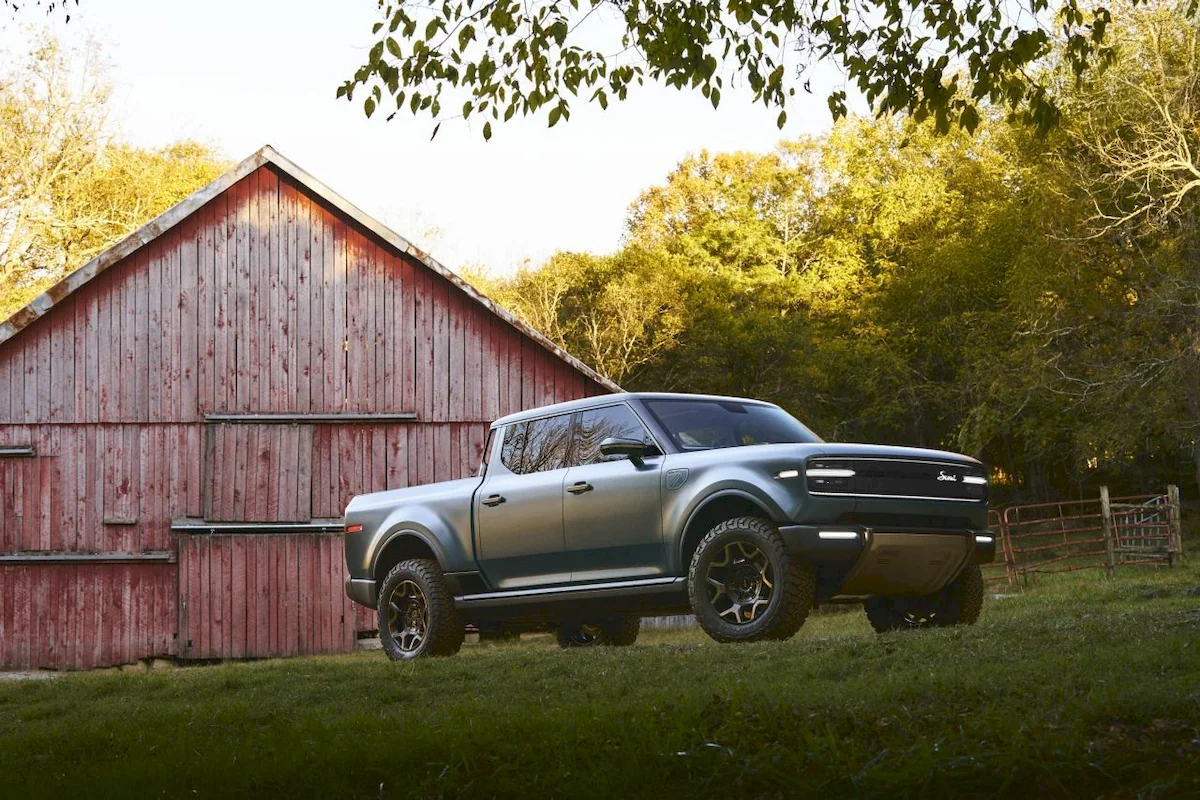
According to the dealers, the financial stakes are significant. Reservations for the Terra and Traveler are placed online with a separate fee. Dealers claim this structure deprives them not only of vehicle sales revenue but also of profits tied to financing, servicing, repairs, and future trade-in transactions.
Volkswagen and Scout have previously defended the strategy, emphasizing Scout’s independence from the existing VW dealer network. Brand executives argue that direct sales streamline the launch process and simplify the buying experience.
The legal battle is not new. Similar challenges to Scout’s direct-sales model have surfaced in California, Colorado, and Florida, where courts are also weighing whether Scout should be considered a truly independent brand or an extension of Volkswagen.
You may also be interested in the news:
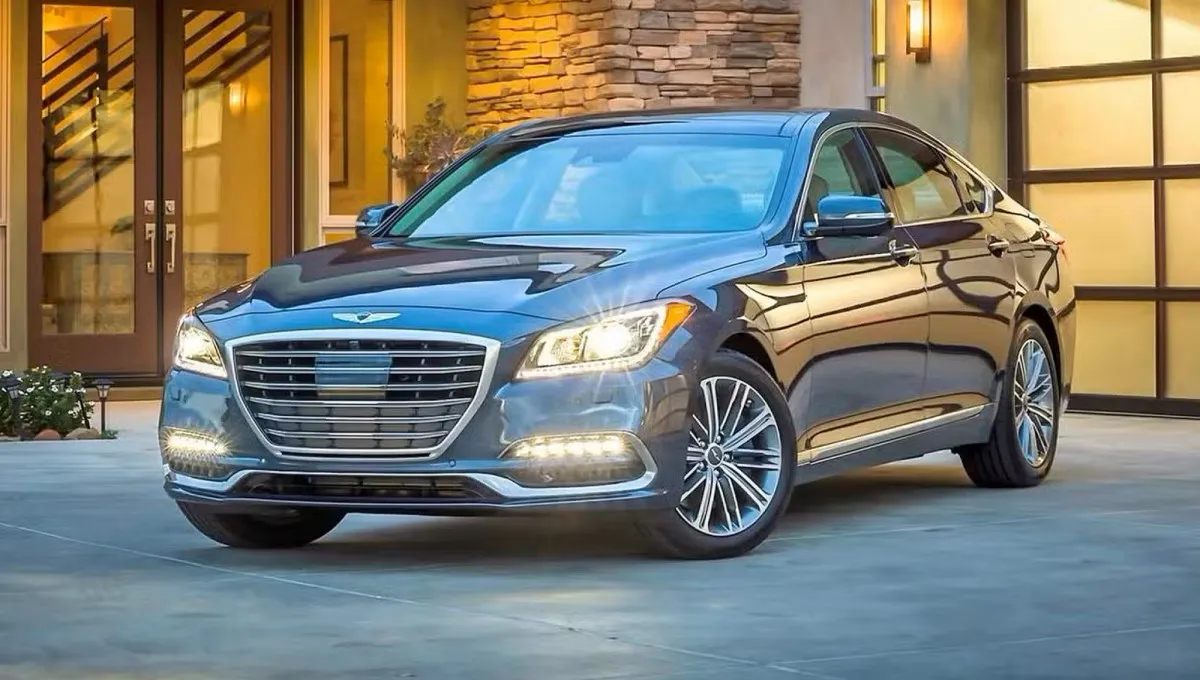
Hyundai Recalls Nearly 95,000 Genesis Sedans Over Fire Risk From Power Seats
Hyundai is recalling 94,622 Genesis sedans after a faulty power seat switch was linked to overheating and potential vehicle fires.
2027 Ram 1500 Rumble Bee: Pricing, Options and How to Build Yours
The 777-HP Ram Rumble Bee Is Coming — But You Can Buy the New Hemi Truck Now
Why Experienced Drivers Still Warn Against Buying a Used Car With a CVT
CVTs offer smooth acceleration and good fuel economy, but expensive repairs and durability concerns make used models risky.
2026 Ram 1500 Recall: 16K Trucks May Have Faulty Tire Pressure Sensors
Ram is recalling 16,385 model-year 2026 Ram 1500 trucks
Harley-Davidson Riders Could Face $2,500 Fines Under New Law Targeting ‘Weaving’ on Roads
Arizona’s new motorcycle law targets lane splitting, exposing repeat offenders to steep fines, possible jail time, and license suspensions.