
How Much Fuel Your Car’s AC Really Uses: Mechanics Debunk a Common Myth
Tests show that running your car’s air conditioning does increase fuel consumption—but far less than many drivers typically believe.
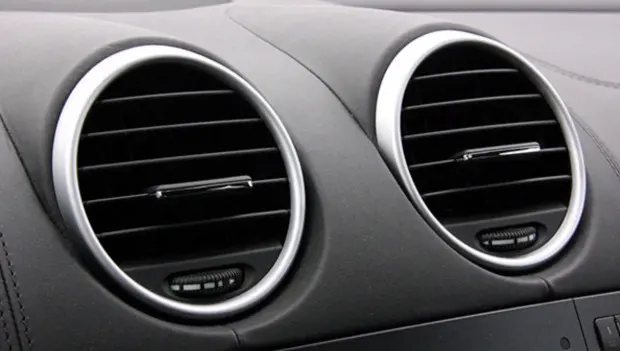
Using the air conditioning in your car does increase fuel consumption, but not nearly as much as many drivers assume. According to testing by the ADAC (Germany’s largest automobile club), fuel use typically rises by about 10% to 15% on average—far less than the dramatic figures often mentioned in everyday driving conversations.
To study the issue, specialists ran controlled tests using a Volkswagen Passat. Engineers simulated three typical driving situations: city traffic at about 31 mph, highway cruising around 62 mph, and engine idling. During the test, the vehicle’s cabin temperature was cooled from about 77°F down to roughly 72°F.
The results showed that the effect of air conditioning depends heavily on driving conditions. In city driving, fuel consumption increased by about 20%, which works out to roughly an extra 0.24 gallons per 62 miles. On the highway, the increase was much smaller—about 6%, or around 0.08 gallons per 62 miles.
The biggest fuel impact occurred when the engine was idling. In that situation, the air conditioning system used up to about 0.1 gallons of fuel per hour, which could raise overall fuel consumption by nearly 70% while the car isn’t moving.
Experts say modern air conditioning compressors are far more efficient than those used in vehicles from the early 2000s, which helps explain why the impact on fuel economy has decreased over time. At the same time, air conditioning can actually improve safety. A cooler cabin helps drivers stay focused, and the system also clears fogged-up windows more quickly.
Specialists recommend using AC wisely to keep fuel consumption reasonable. It helps to air out the cabin before starting your drive, avoid setting the temperature extremely low—around 70°F to 73°F is generally considered comfortable—and skip turning the system on during very short trips when it won’t have time to cool the interior effectively.
Regular use of the air conditioning system is also important for maintenance. Running it at least once every few weeks helps keep internal components lubricated and may prevent costly repairs later on.
You may also be interested in the news:

Why Experienced Drivers Put Socks on Their Car Mirrors in Fall: The Clever Trick Explained
An old pair of socks can help reduce frost buildup on your side mirrors overnight, saving time on cold mornings when every minute counts.

How to Clean Your Windshield Without Streaks: Experts Recommend This Simple DIY Mix
The secret to a streak-free windshield comes down to the right cleaning solution, two microfiber cloths, and the proper drying technique.

Why Some Drivers Keep Bay Leaves in Their Cars — It’s Not Just About Superstition
Can a common kitchen spice help repel bugs, freshen your car’s interior, or even help you relax behind the wheel?
Cold Weather Can Leave You Stranded — 5 Things Every Driver Should Have in Their Car
The first hard freeze can catch drivers off guard. Here's what to keep in your vehicle and how to prepare your battery, tires, and fluids for colder weather.
These 8 Cars Went Over 1 Million Miles — They Just Don’t Build Them Like They Used To
Some cars outlast generations of owners, proving that careful maintenance and durable engineering can deliver extraordinary mileage.