
King of America’s Highways: The Kenworth W900
For more than six decades, the Kenworth W900 has defined long-haul trucking in America, earning legendary status on U.S. highways.
America’s trucking industry has produced countless legendary machines, but few can match the remarkable longevity of the Kenworth W900. For more than 60 years, this heavy-duty tractor has ruled U.S. highways, becoming a symbol of long-haul trucking and a true icon of American culture.
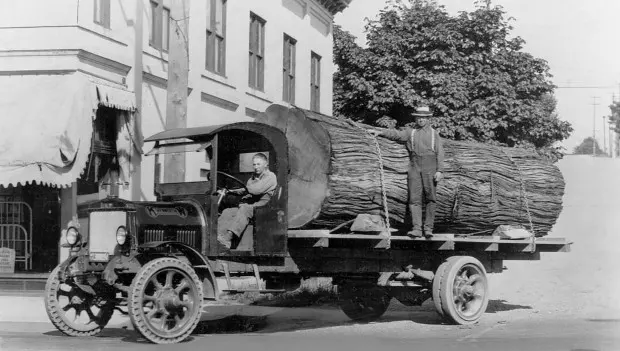
The story of Kenworth dates back to 1912, when brothers George and Louis Gerlinger opened an automobile dealership in Portland, Oregon. Their future, however, lay not in selling vehicles but in building them. Just two years later, they introduced the Gersix truck, a groundbreaking design for its time featuring a steel cab and a powerful six-cylinder engine.
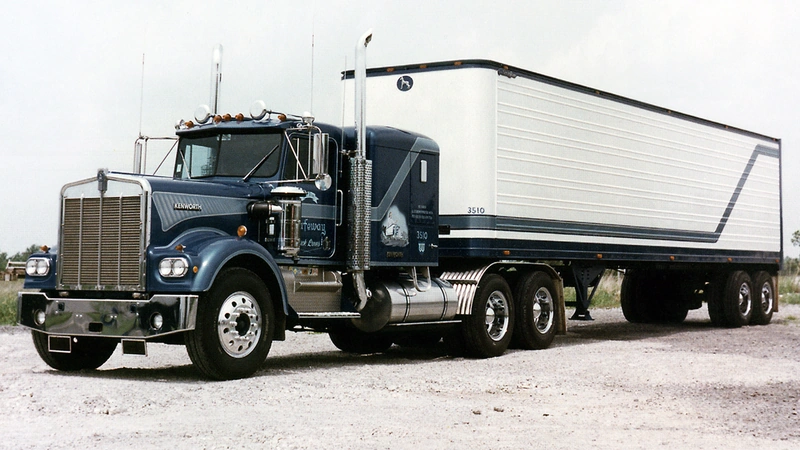
A major turning point came in 1917 when the struggling company was purchased by businessmen Edgar Kent and Captain Frederick Worthington. Their surnames were combined to create the Kenworth name that remains famous today. From the beginning, the company pursued a unique strategy, building trucks to individual customer specifications rather than relying solely on mass-produced models.
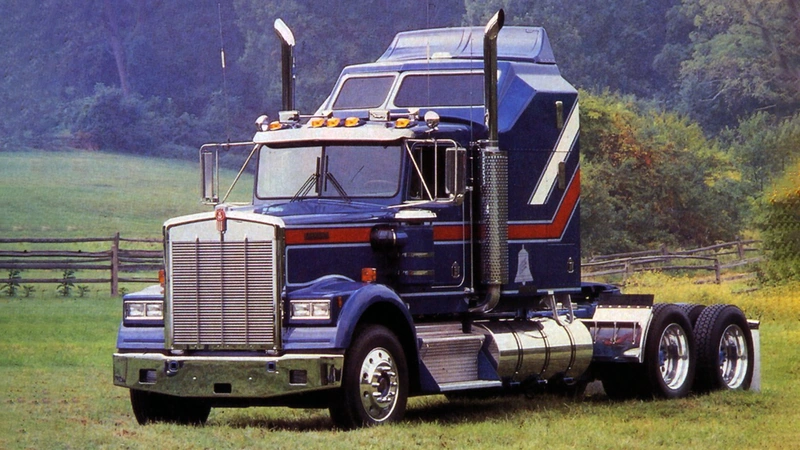
The Great Depression forced Kenworth to adapt and seek new opportunities. In 1933, the company switched to diesel engines, a move that proved highly successful because diesel fuel cost a fraction of gasoline. Around the same time, Kenworth introduced some of the industry’s first sleeper compartments, recognizing the growing demands of long-distance freight transportation.
World War II transformed Kenworth into a military supplier. Nearly 2,000 M1 military trucks rolled off its production lines, requiring the company to temporarily move away from its custom-built philosophy in favor of standardized manufacturing.
The postwar years brought rapid expansion. By the mid-1950s, Kenworth offered more than 30 different truck configurations, including ultra-heavy-duty models capable of hauling payloads of up to 55 tons. Introduced in 1956, the 900 Series laid the foundation for what would become one of the most recognizable trucks in North America.
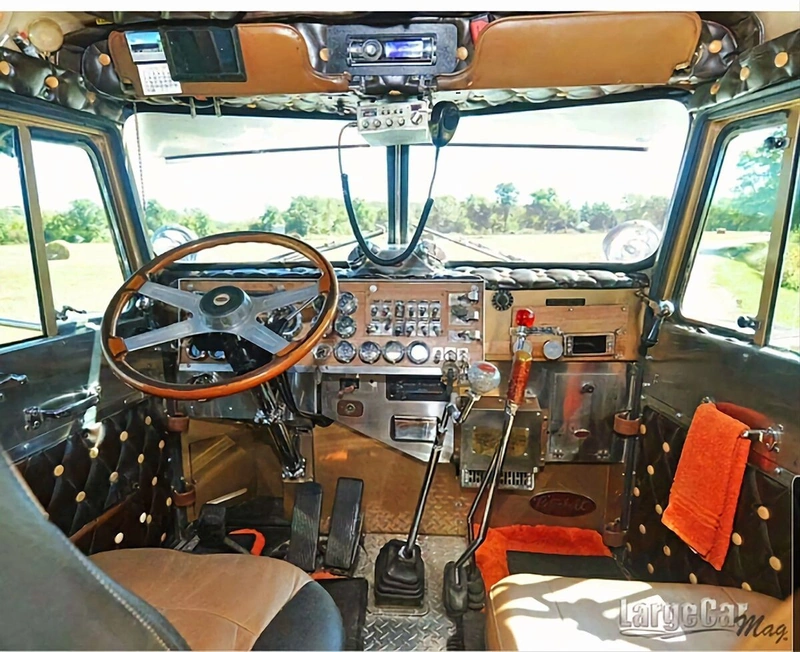
The real breakthrough arrived in 1961 with the launch of the W900. The new truck combined proven durability with modern engineering. Its distinctive butterfly hood provided excellent access to the engine, while the modular design allowed customers to choose from an almost endless range of configurations.
A 1965 update introduced the W900A, featuring a longer hood and a redesigned interior. Buyers could choose from engines supplied by America’s three leading diesel manufacturers, with output ranging from a modest 180 horsepower to an impressive 625 horsepower. Transmission options were equally diverse, allowing customers to tailor each truck to their exact needs.

The W900B, introduced in 1982, brought modern rectangular headlights and a raised cab that improved engine cooling. Updated modular electronics simplified production while preserving the truck’s highly customizable nature.
The 1990s ushered in a new era of driver comfort. The long-hood W900L offered sleeper compartments measuring up to 86 inches in length, effectively turning the truck into a mobile home. Many were equipped with televisions, refrigerators, and premium audio systems, raising the standard for life on the road.
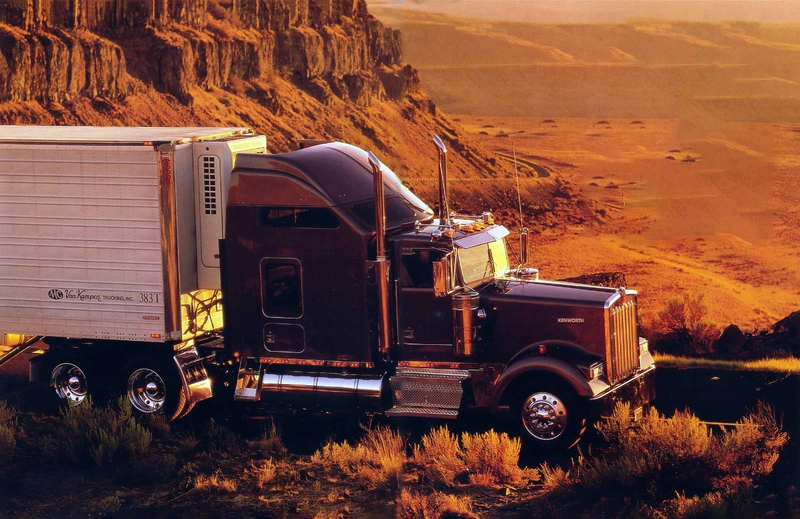
Today, as the trucking industry focuses increasingly on fuel efficiency and stricter emissions standards, the W900 remains true to its roots. Kenworth offers newer and more aerodynamic models, but the W900’s classic styling continues to attract buyers who value tradition, presence, and unmistakable American character above all else.
You may also be interested in the news:
Hyundai Recalls Nearly 95,000 Genesis Sedans Over Fire Risk From Power Seats
Hyundai is recalling 94,622 Genesis sedans after a faulty power seat switch was linked to overheating and potential vehicle fires.
10 Concept Cars From the 20th Century That Look Like They Came From the Future
From futuristic cockpits to rocket-inspired bodies, these 10 vintage concept cars pushed design boundaries and still look spectacular today.
2027 Ram 1500 Rumble Bee: Pricing, Options and How to Build Yours
The 777-HP Ram Rumble Bee Is Coming — But You Can Buy the New Hemi Truck Now
“Are You Sure It’s Chinese?” Who Really Builds China’s Car Engines
Who Really Develops China’s Car Engines?
Why Experienced Drivers Still Warn Against Buying a Used Car With a CVT
CVTs offer smooth acceleration and good fuel economy, but expensive repairs and durability concerns make used models risky.