
Why Porsche Ignition Switches Are on the Left: The Surprising History Behind the Tradition
A famous Porsche racing legend hides a far simpler explanation rooted in postwar engineering practicality.
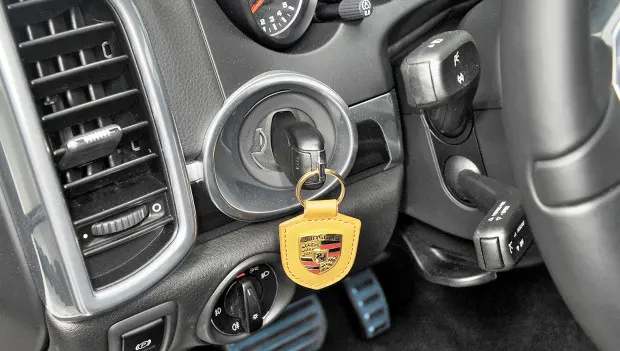
For decades, the unusual placement of the ignition switch on the left side of the steering wheel in many Porsche models has been widely viewed as a tribute to the brand’s racing heritage. But closer research suggests the story is far less glamorous—and far more practical.
Among car enthusiasts, few design quirks spark as much debate as Porsche’s left-side ignition. At first glance it appears to be a small engineering detail, yet it has become a defining characteristic of the brand and the subject of countless stories within the automotive world.
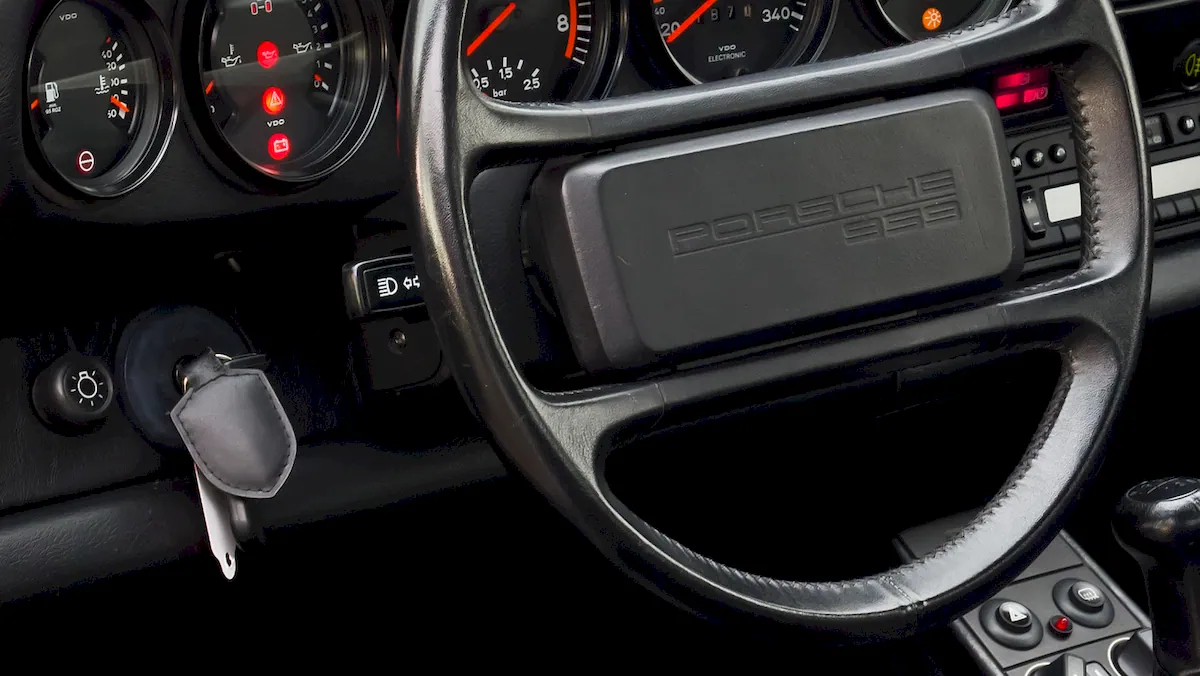
For years, the common explanation pointed to motorsport. According to the popular legend, Porsche engineers positioned the ignition switch on the left so drivers could start the engine with one hand while engaging first gear with the other. The idea was that this would save valuable seconds during the famous 24 Hours of Le Mans endurance race.
That theory stems from the race’s historic “Le Mans start.” Drivers once stood on the opposite side of the track from their cars. When the signal was given, they sprinted across the asphalt, jumped into the driver’s seat, started the engine, and launched immediately. Every second mattered, so the left-side ignition supposedly offered a small advantage.
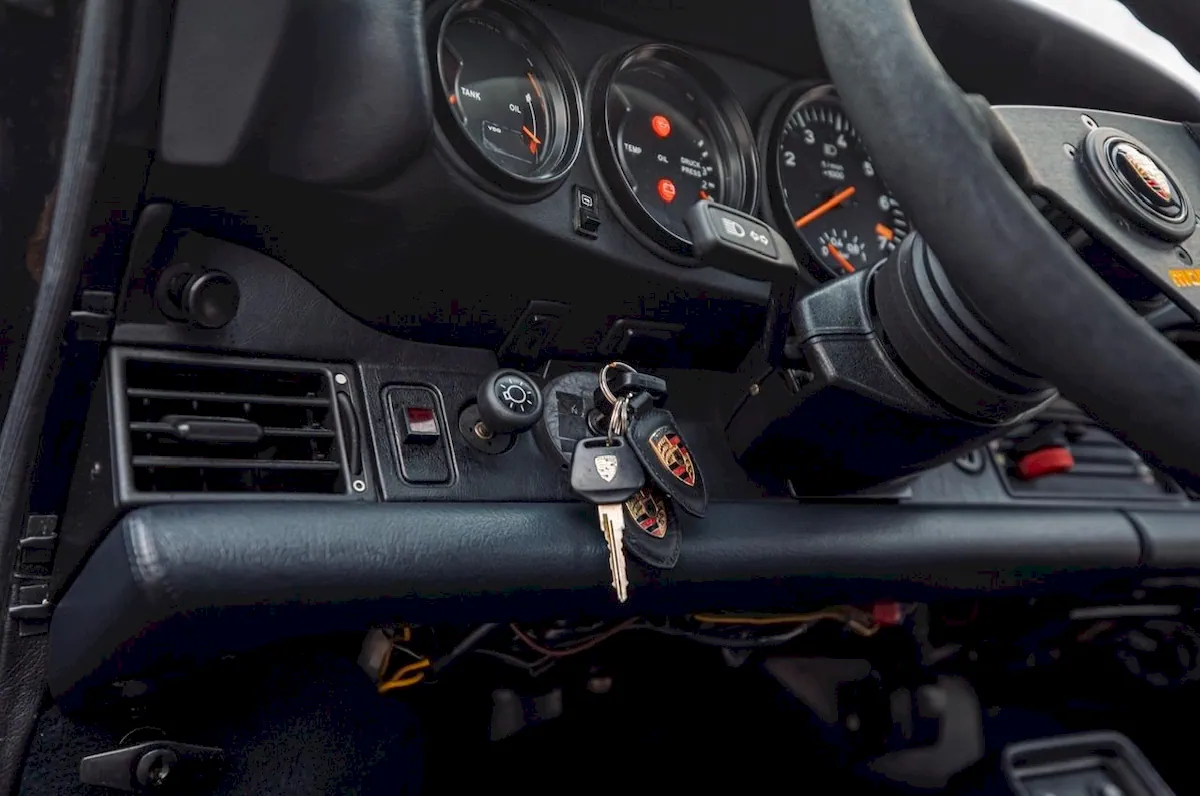
However, a closer look at archival photos and cockpit diagrams from Porsche race cars that competed at Le Mans before 1970 tells a different story. Many of those cars—including the Porsche 907, Porsche 908, and Porsche 917—did not consistently place the ignition switch on the left. In fact, the key was often located on the same side as the gear lever. Only some road models, such as the Porsche 911, Porsche 928, and Porsche 944, regularly featured the left-side layout.
That inconsistency suggests the racing explanation is more myth than reality.
The true origin of the design turns out to be far more mundane. In post-World War II Germany, even small savings mattered—especially when building cars with limited materials and tight budgets. The first road-legal Porsche, the Porsche 356-001, assembled in 1948 in Gmünd, Austria, placed the ignition switch on the left simply to shorten the wiring.
Shorter wiring meant lower cost and slightly less weight. At a time when engineers counted every gram, even about seven ounces could make a difference. According to Klaus Bischof, a curator at the Porsche Museum, documentation from the earliest models confirms the decision was driven by efficiency rather than racing strategy.
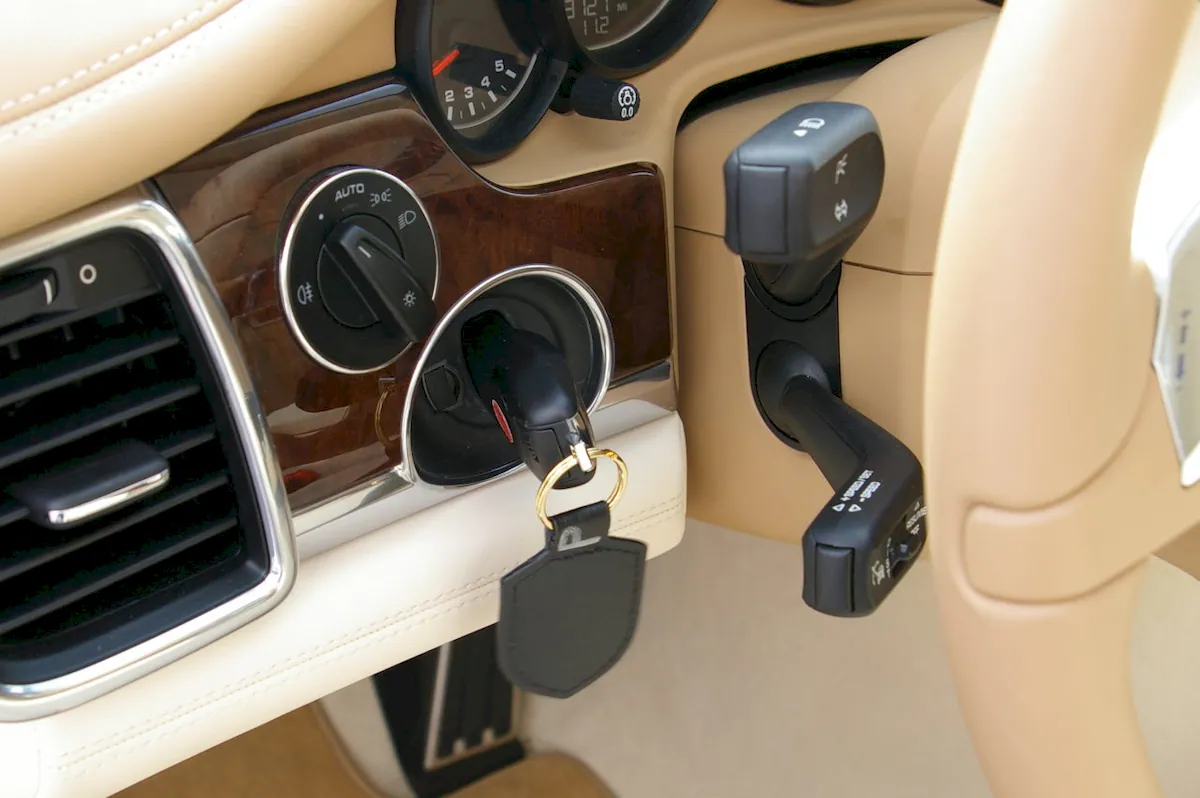
The solution was both practical and necessary. With limited resources in the early years of production, Porsche engineers looked for any opportunity to reduce weight and manufacturing costs. Over time, that simple cost-saving measure evolved into a recognizable brand signature.
Despite the historical evidence, the racing myth refuses to fade. The reason is simple: a dramatic motorsport story is far more appealing than the mundane reality of postwar engineering constraints.
Even today, many Porsche fans still associate the left-side ignition with racing heritage. Yet the tradition continues largely because it has become part of the brand’s identity—a reminder of the era when even the smallest design choices could influence a young company’s future.
You may also be interested in the news:
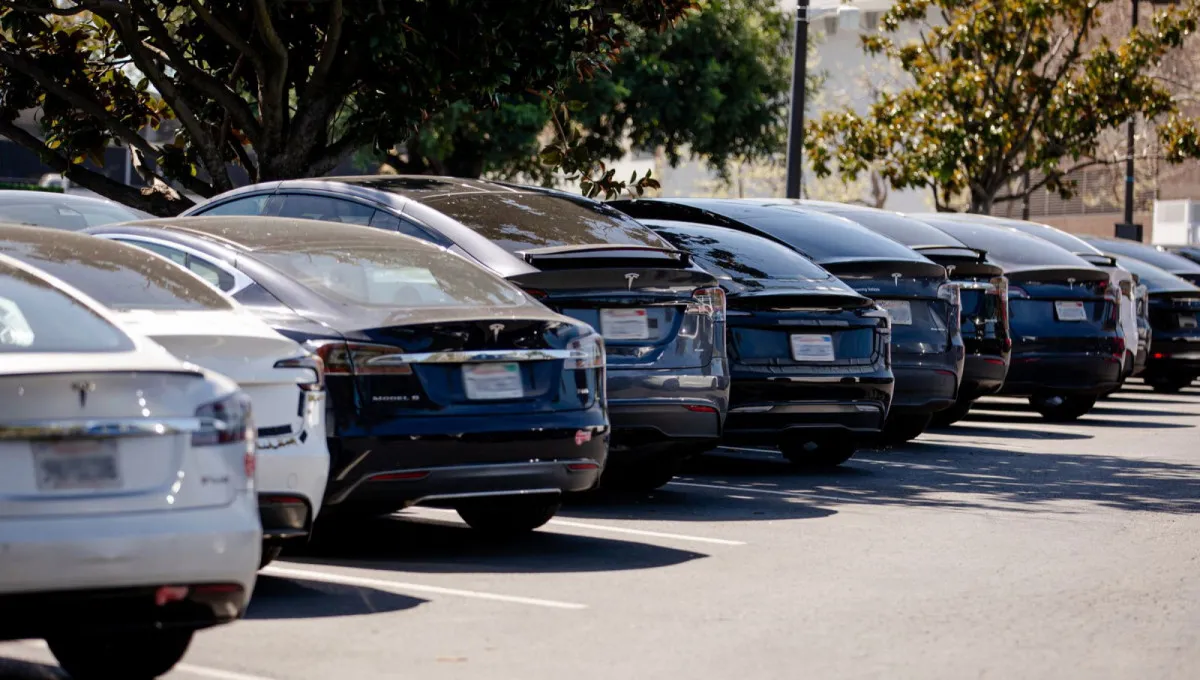
He Sold His House to Buy 20 Teslas—Then Sold 213 of Them in One Year
A car dealer admitted he briefly questioned his decision after betting his property money on a fleet of Teslas.
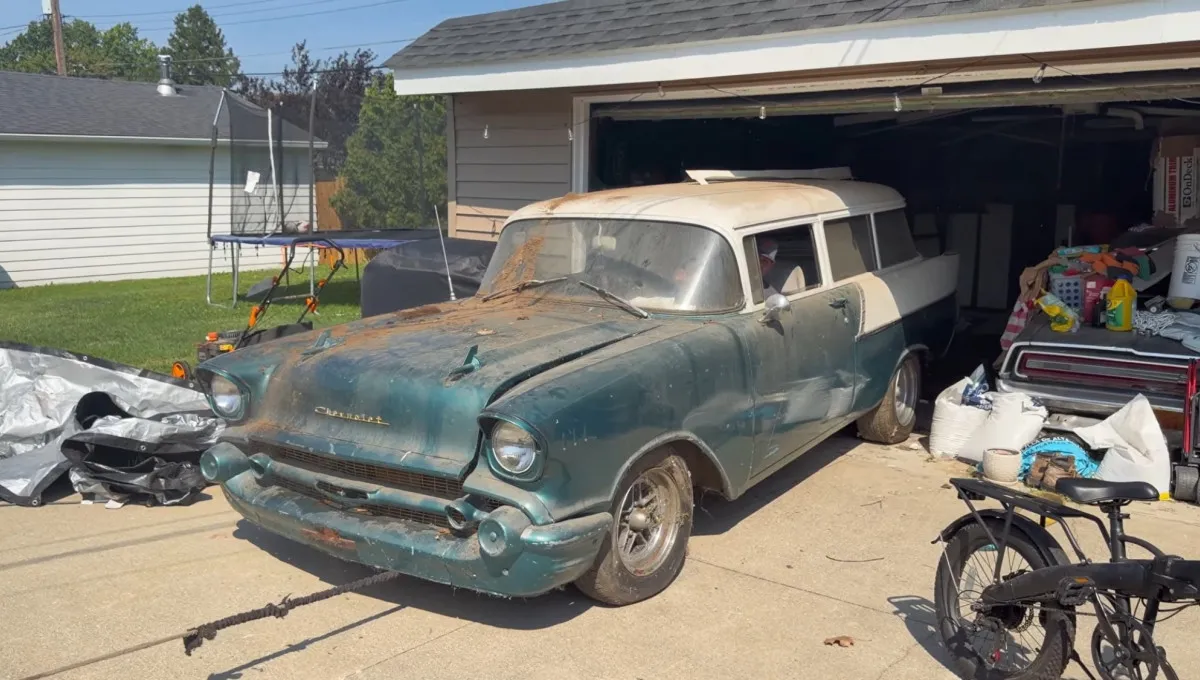
Dad's '57 Chevy Two-Door Wagon Gets First Wash in 30 Years, the Sight Makes Owner Burst Into Tears
A 1957 Chevrolet One-Fifty Handyman sat in a garage for 30 years before its owner’s children arranged a birthday rescue, bringing the classic wagon back to life.

Test Yourself: Toyota’s Famous “Oh, What a …” Slogan — Can You Finish It?
Can You Finish Toyota’s Most Famous Slogan? Millions of Americans Heard This One Growing Up
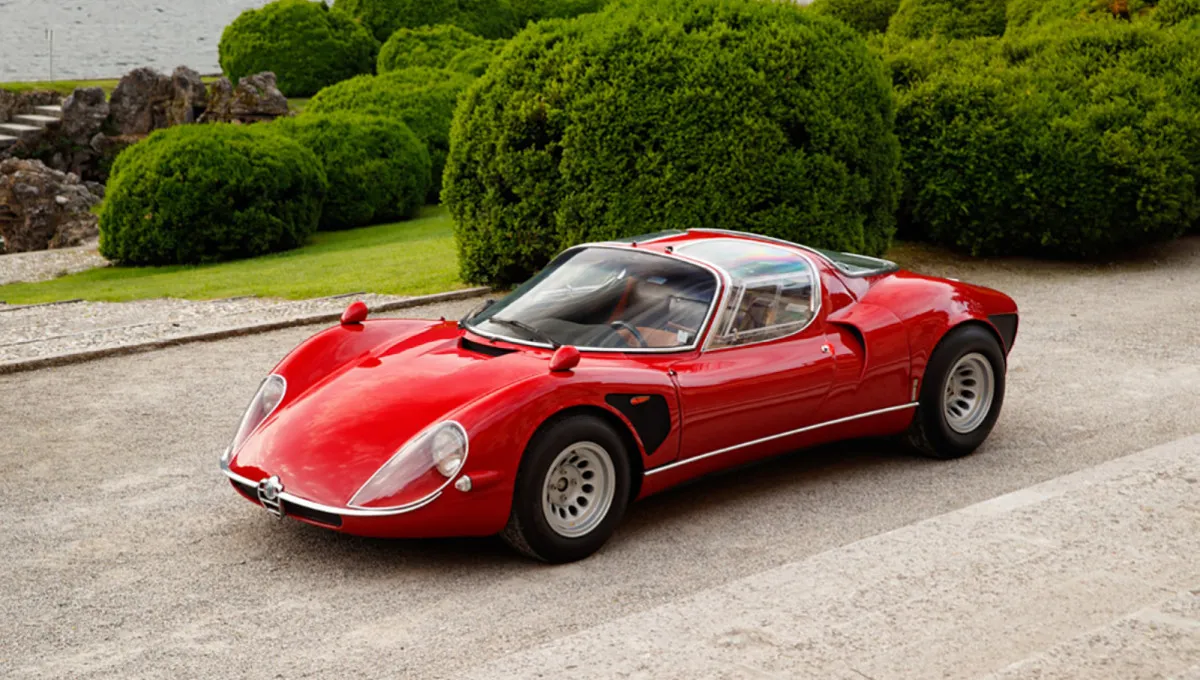
10 Rare Cars From Famous Brands You Probably Never Knew Existed
Some automakers built rare models that vanished into history, leaving collectors chasing them decades later.
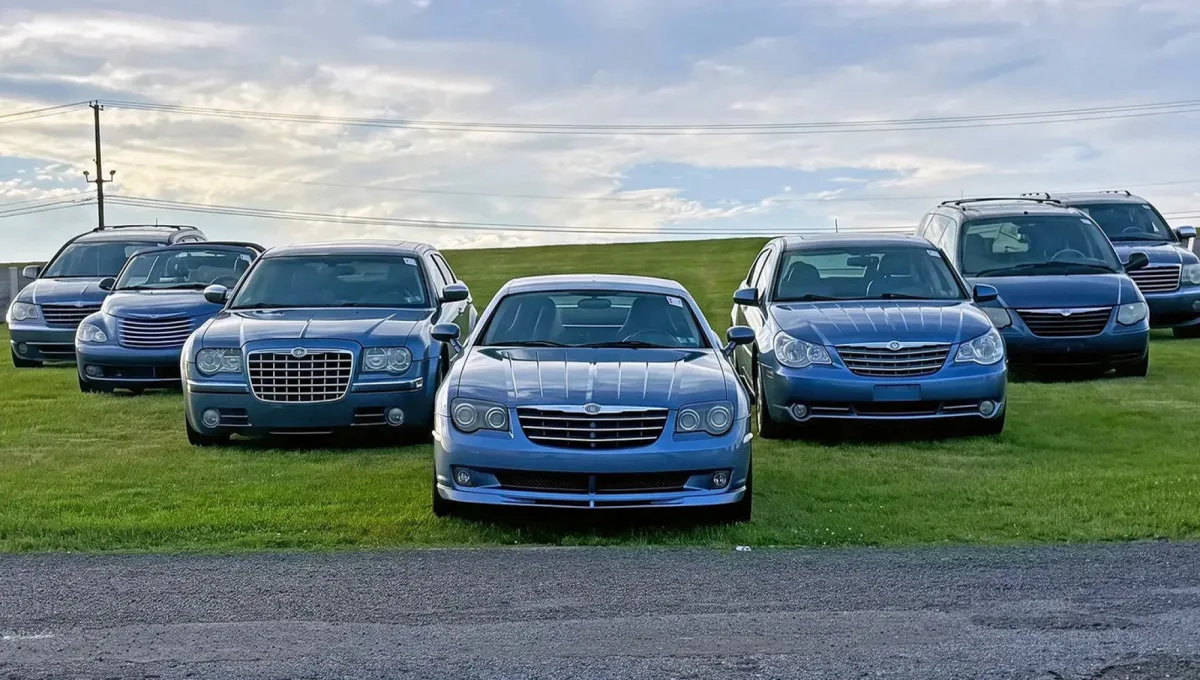
He Bought Seven 2007 Chryslers in the Exact Same Color — Then People Started Asking Why
Every model is different, yet together they represent Chrysler’s entire 2007 lineup in one unusual collection.