
How to Remove Paint From a Car’s Exterior: It Happens More Often Than You Think
Paint splatter on a car can be frustrating, but several simple methods can safely remove it.
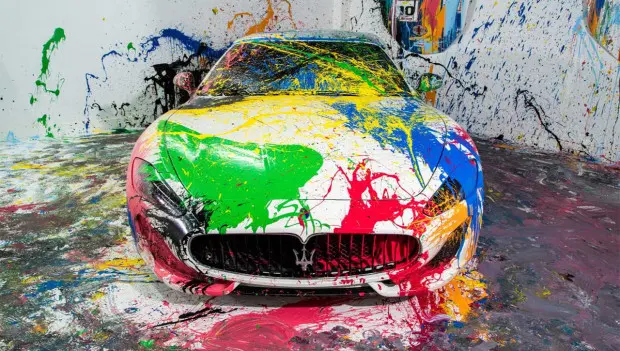
Most car owners put a lot of effort into keeping their vehicles shiny and looking their best. If paint has ever splashed onto your hood or doors, you already know how stubborn it can be to remove. No matter how it happens, paint spots on a vehicle’s exterior are never a pleasant sight.
Professional detailing shops can fix the problem, but that service can be expensive. The good news is that many paint stains can be removed at home with common household products. The key is using the right materials, putting in a bit of elbow grease, and being patient. If the paint is still fresh, it can often be wiped away with a damp cloth. Once it dries, however, removing it becomes much more difficult.
Tips for Cleaning Paint Off Your Car
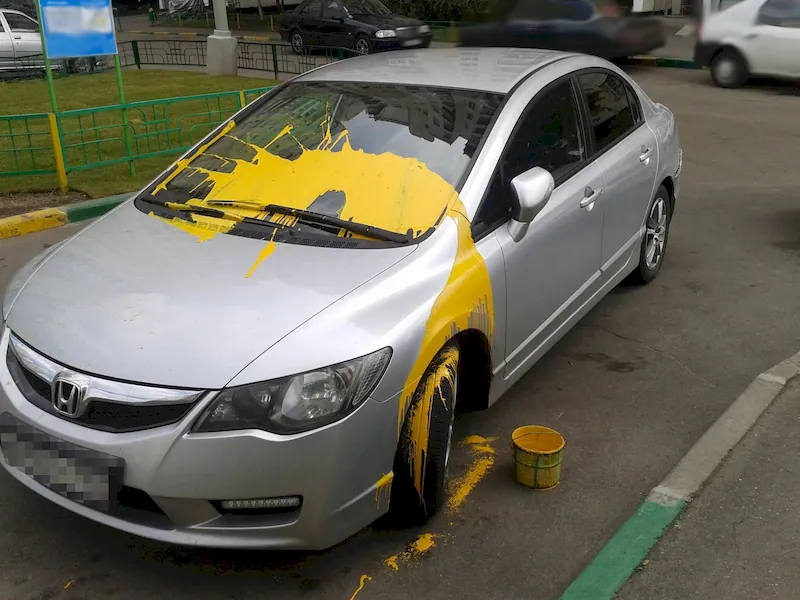
Note: Before starting, outline the affected area with painter’s tape or masking tape. This helps keep the cleaning chemicals from spreading to unaffected parts of the paint.
Removing paint with rubbing alcohol
Apply rubbing alcohol to the splattered area. A spray bottle works well for applying it to dried paint spots. After a few minutes, gently scrub the area with a sponge. Standard isopropyl rubbing alcohol works well for this. You may need to apply light pressure to loosen the paint. Once it softens and becomes sticky, you can carefully scrape it off with your fingernail—just be careful not to scratch the vehicle’s clear coat.
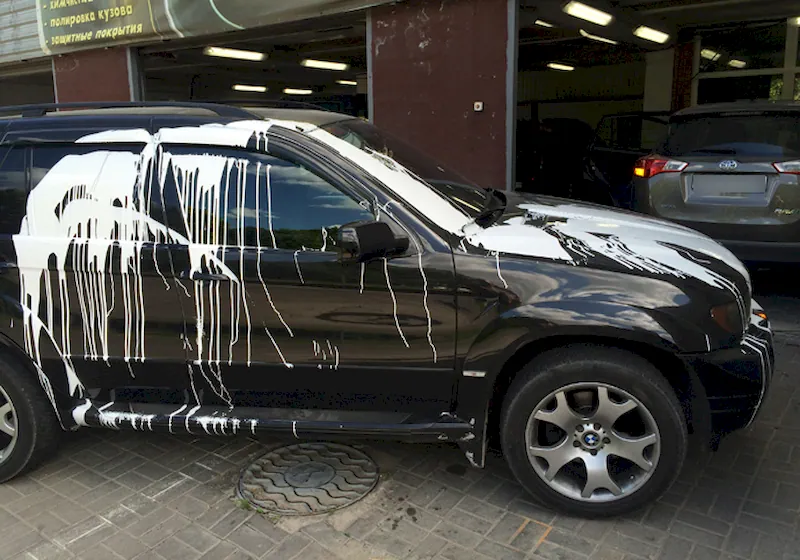
Using an oil-based cleaner
Oil-based cleaning sprays are effective at dissolving paint splatters and sticky residue. After spraying the cleaner on the affected area, wait a few minutes to allow it to break down the paint. Then wipe the surface with a clean towel. These products often lift paint without leaving marks behind.
Removing paint with acetone
Important: Use acetone carefully—it can damage certain plastics, trim pieces, and some rubber components.
Many automotive technicians say nail polish remover can be effective against paint splatter. These products contain solvents such as ethyl acetate or acetonitrile, which can dissolve paint. Apply a small amount of nail polish remover to a clean cloth and gently wipe the stained area.

Using hydrogen peroxide
Hydrogen peroxide (H₂O₂) has many household uses and can help break down certain paint residues. This pale blue, very mild acid generally won’t harm a car’s painted surface when used carefully. Apply a small amount to the paint spot and allow it to soften the residue, then wipe the area with a microfiber cloth.
Final thoughts
There are several ways to remove paint stains from a vehicle’s exterior. The best approach depends on how large and stubborn the stain is. However, always use strong solvents with caution to avoid damaging your car’s paint, plastic trim, or rubber seals.
You may also be interested in the news:
Changing Your Car’s Filters: How to Do Basic Maintenance Yourself Without Damaging the Engine
Changing the oil, engine air filter and cabin air filter yourself can save money, but small mistakes can cause expensive problems.
That Stuff in Your Trunk Is Costing You More Than You Think—Here’s What to Take Out
Carrying unnecessary cargo can quietly increase fuel use, accelerate wear and create an avoidable safety hazard for drivers and passengers.
Your Headlights Are Fogging Up for a Reason: 4 Causes and 5 Steps to Fix Them
Foggy headlights are not always a sign of damage, but persistent condensation can point to a problem that needs attention.
Why Is Your Car’s Suspension Making a Knocking Noise? 5 Symptoms Every Driver Should Know
Five common suspension noises can point to specific problems, helping drivers narrow the cause before inspection.
How to Protect Your Windshield From Flying Rocks: This Simple Trick Could Save You From Replacing It
Keep your distance, slow down and repair chips quickly to help prevent small windshield damage from becoming costly cracks.