
Surprise for Buyers: Model S and Model X Get $15,000 Price Hike
Tesla unexpectedly raised prices on remaining Model S and Model X inventory by a hefty $15,000.
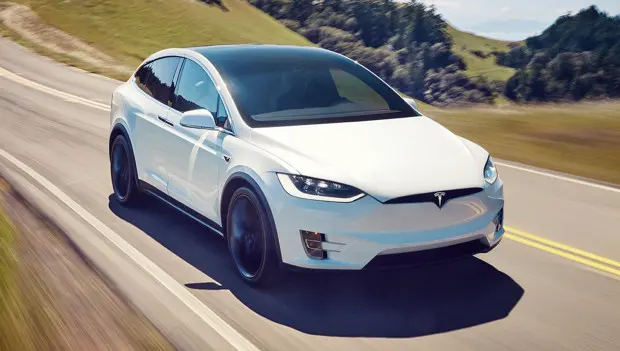
Tesla has unexpectedly added a $15,000 markup to the last remaining units of the Tesla Model S and Tesla Model X currently sitting in inventory. The move has sparked intense debate among fans and industry analysts, especially since the company has not explained the reasoning behind the sudden price increase.
The electric vehicle market is once again drawing attention after Tesla raised prices on the final inventory units of the Model S and Model X by $15,000 overnight. The decision surprised many observers because these vehicles were reportedly discontinued, and fewer than a thousand examples are believed to remain worldwide. As a result of the change, the starting price for the Model S now sits at $109,990, while the Model X begins at $129,900.
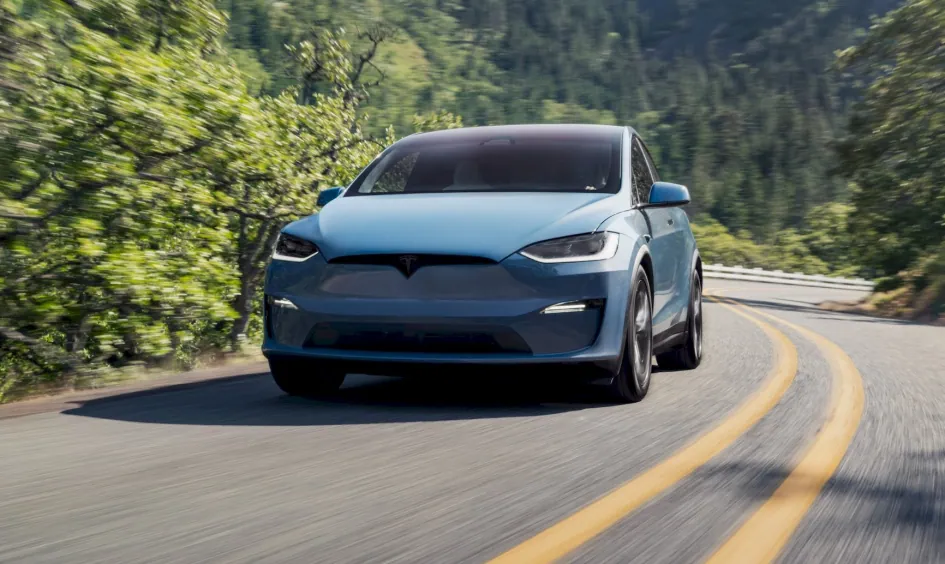
The announcement triggered widespread discussion among car enthusiasts and analysts alike. For years Tesla positioned itself as a transparent alternative to traditional dealerships, often criticizing dealer markups and complicated pricing strategies. This sudden increase, however, has led some observers to compare the move to the very practices Tesla once mocked.
Notably, the new markup is not tied to the so-called Luxe package that previously included lifetime access to Full Self-Driving, Premium Connectivity, free Supercharging, and four years of premium service. Those features were already included with the Model S and Model X before the latest price adjustment. Following changes introduced in February, the package has largely lost its resale value because benefits like FSD and other perks no longer transfer to a new owner. As a result, the real value of these privileges for future buyers is minimal despite the significant price increase.
Reaction to Tesla’s decision has been mixed. Some potential buyers see parallels with traditional dealership markups that brand loyalists once ridiculed. Meanwhile, current owners of the Model S and Model X are welcoming the news, since the higher pricing could push used values upward.
Certain Tesla supporters believe the company is capitalizing on renewed attention after announcing that production of the models would continue, using the buzz to maximize profit on the remaining units. Yet many industry experts remain skeptical that demand for high-end EVs has surged enough to justify the increase. If interest were consistently strong, critics argue, Tesla likely wouldn’t have halted production without a major redesign or refresh.
What makes the situation even more notable is how frequently the price of the Model S has shifted recently. Over the past year and a half, the entry-level price has changed four times. In December 2024, the base version started at $74,990. By January 2025 it rose to $79,990, then climbed again to $84,990 in June. In August, with the Luxe package included, the price reached $94,990. Now it has jumped to $109,990.
The rapid series of adjustments highlights just how quickly conditions can change in the EV market—and how even the most established players can make surprisingly unpredictable moves.
You may also be interested in the news:
Stellantis Just Revealed Nine New Cars Under $40,000 — And Two Could Cost Less Than $30K
Stellantis plans nine cheaper vehicles as high prices leave American shoppers with fewer affordable new-car choices.
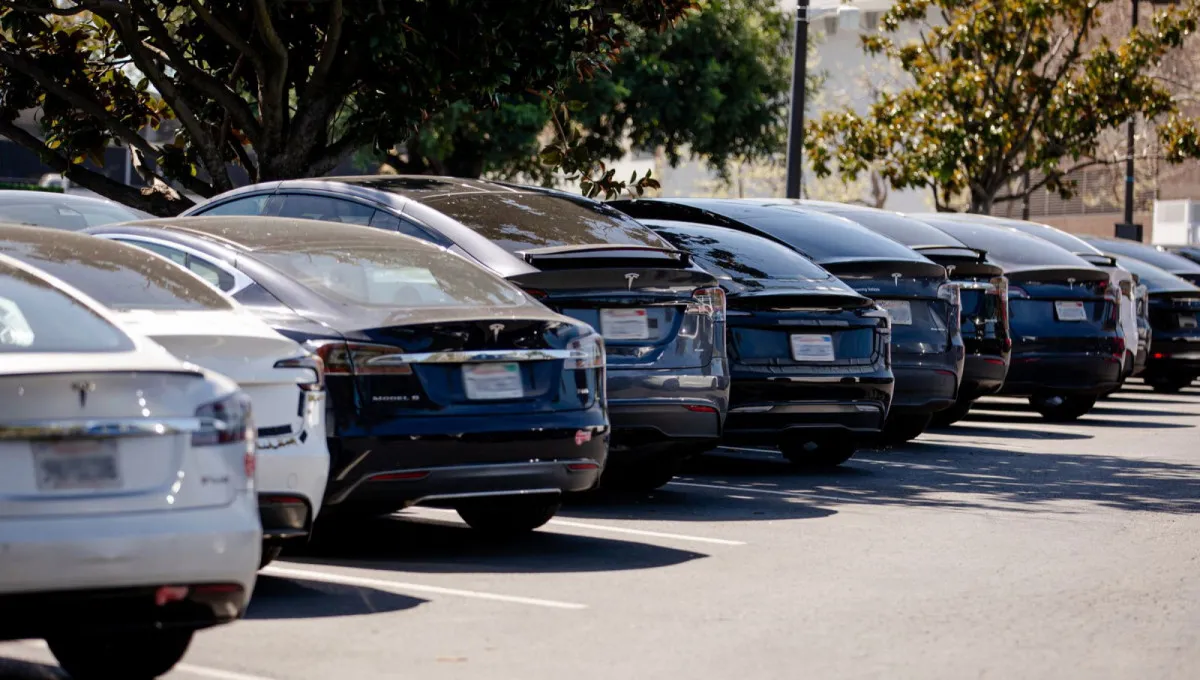
He Sold His House to Buy 20 Teslas—Then Sold 213 of Them in One Year
A car dealer admitted he briefly questioned his decision after betting his property money on a fleet of Teslas.
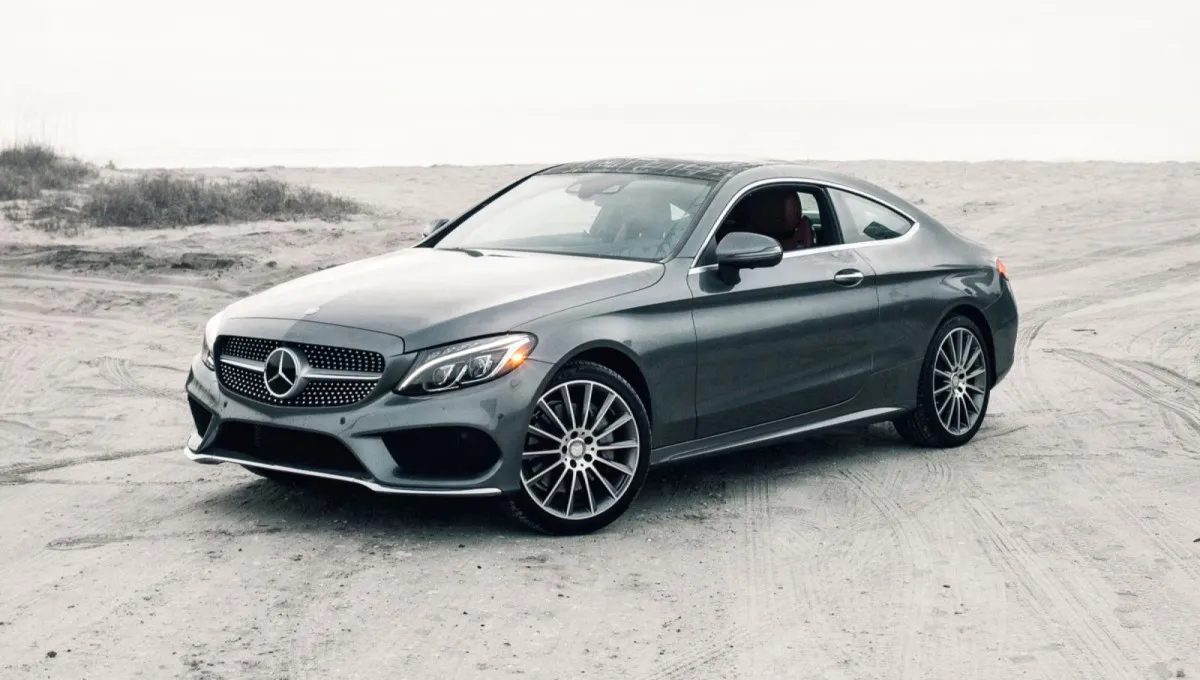
These 5 Mercedes-Benz Models Can Look Like Bargains — Until the Repair Bills Arrive
These five used Mercedes-Benz models have reported issues that could turn an attractive bargain into an expensive ownership headache.
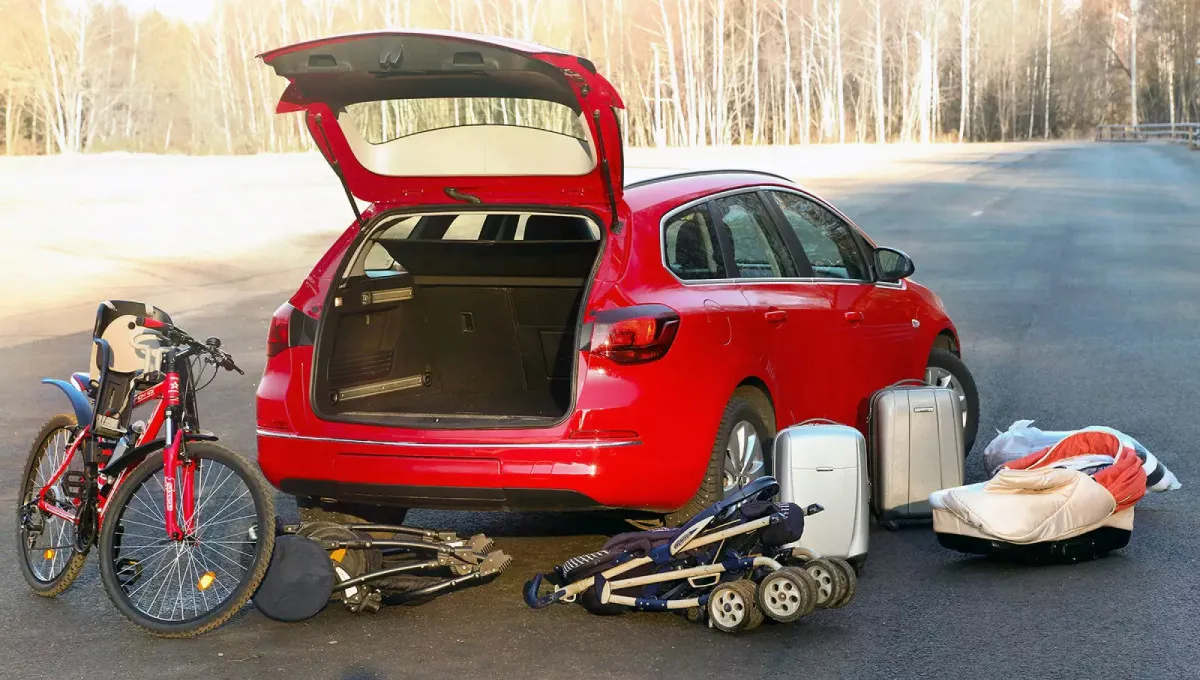
These 10 Used Family Cars Could Save You From Buying the Wrong SUV or Minivan
Shopping for a used family vehicle? These 10 SUVs and minivans offer the practicality American families need every day.
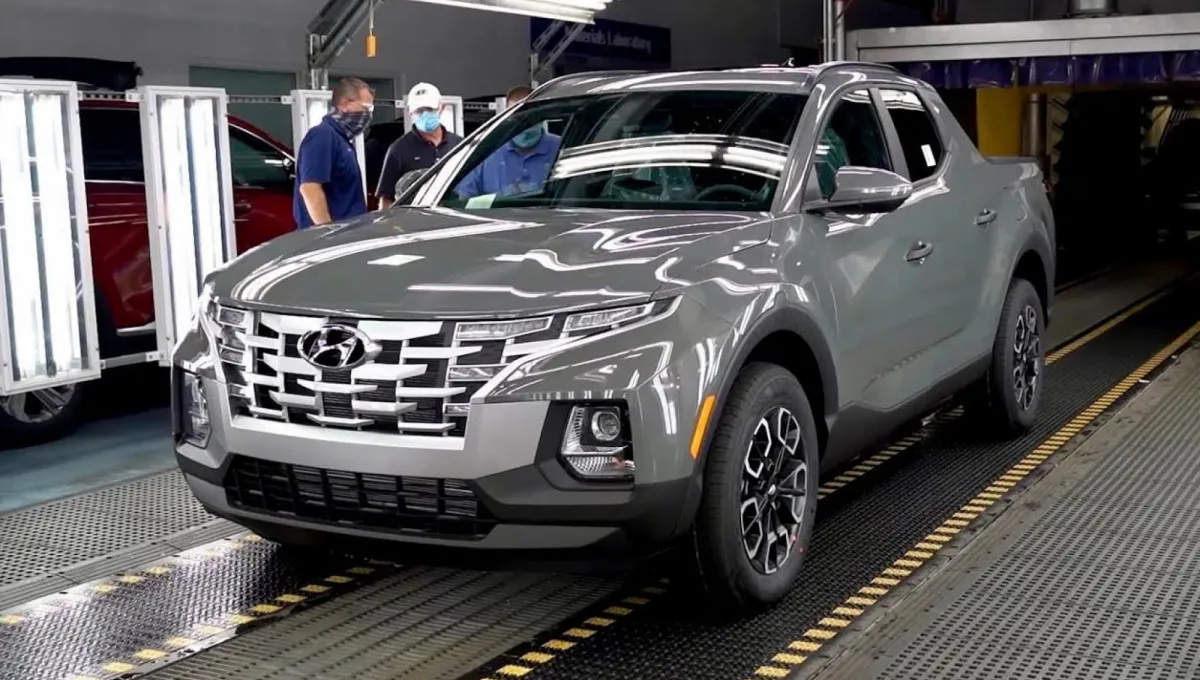
Hyundai Sounds the Alarm: Chinese Automakers Could Be Coming for the U.S. Car Market
The U.S. auto market could face a sharp increase in Chinese competition if Washington eases the trade barriers currently keeping those brands out.