
Why Cars Have an “ABS OFF” Button — and Why Most Drivers Are Confused by It
What the ABS and stability control off switch is really for and when it should actually be used
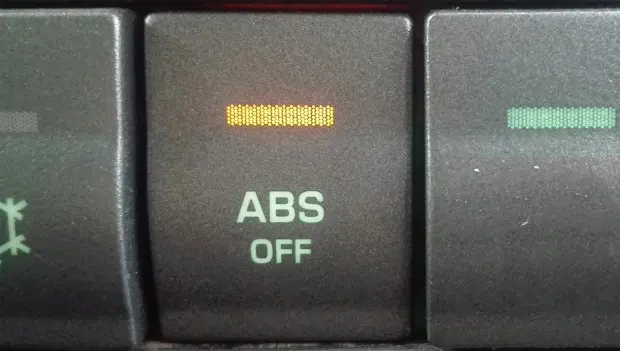
Most drivers see anti-lock braking systems (ABS) as one of the most important safety inventions in automotive history. That’s why many are surprised to find a button on modern dashboards showing a car skidding on a winding road labeled “OFF.” Why would anyone want to disable a system designed to prevent accidents?
In reality, this button doesn’t just turn off ABS. It typically disables stability control and traction control systems as well—often grouped under the broader electronic stability program (ESP). Experts strongly advise against using it unless absolutely necessary.
A risky move in normal driving
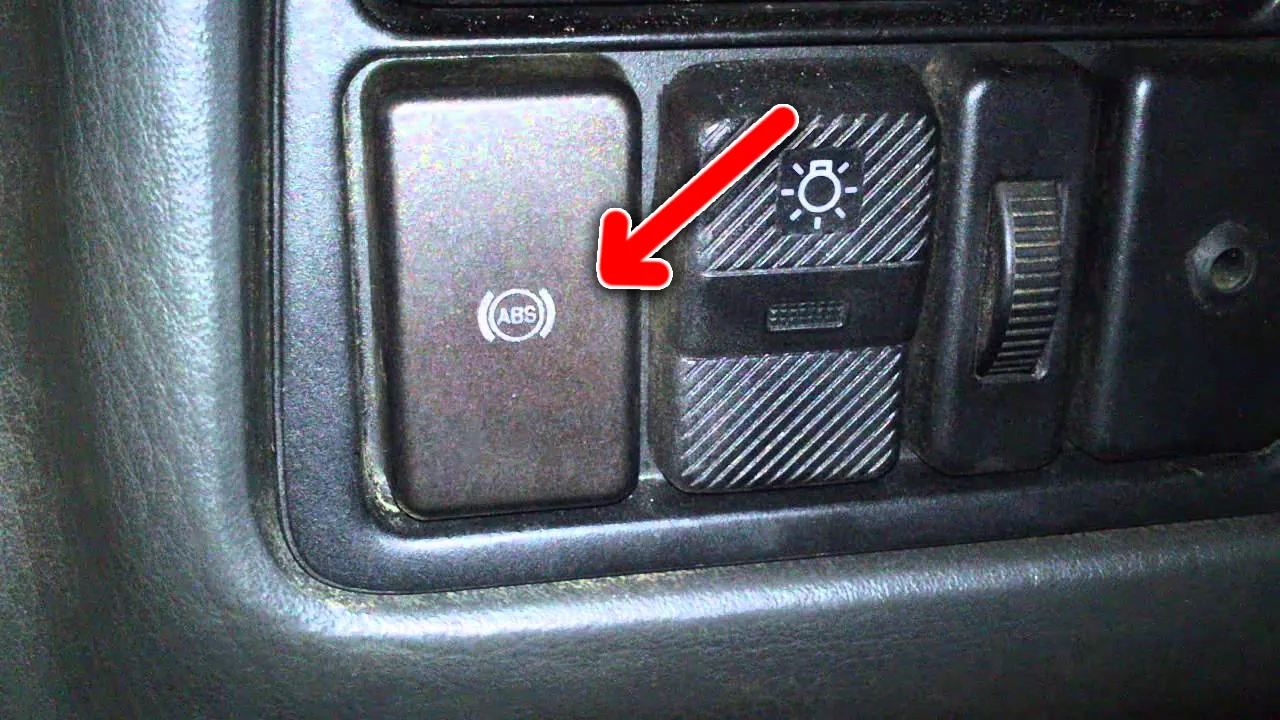
On wet pavement, ice, or snow-covered roads, turning these systems off can quickly make driving far more dangerous. Without ABS and stability control, wheels can lock during hard braking, steering becomes ineffective, and the car can lose directional stability.
Experienced drivers often say stability systems should stay on at all times on public roads, especially in rain or highway conditions.
Why automakers include the feature anyway
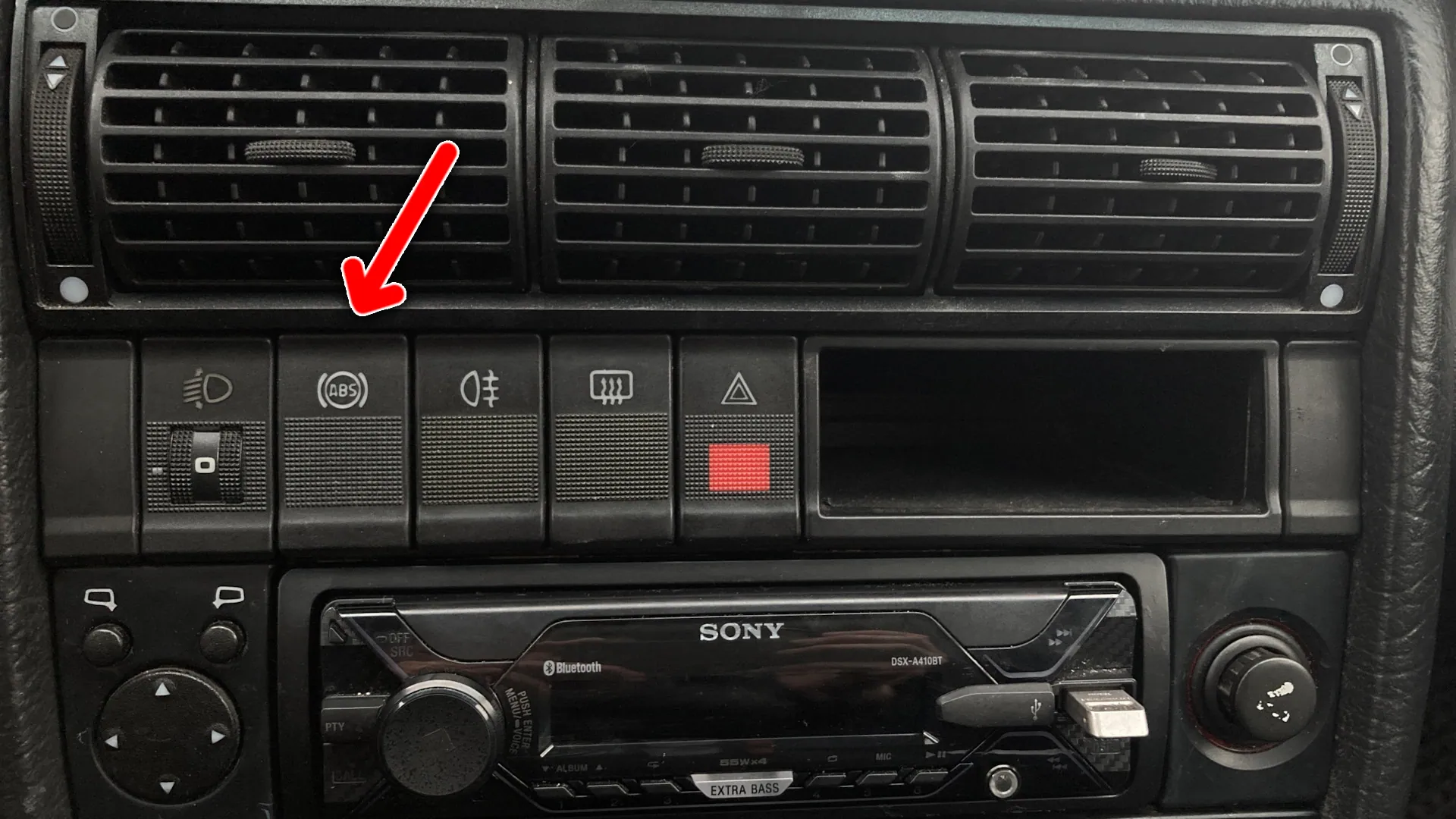
Despite the risks, manufacturers include an “off” option for very specific scenarios where electronic intervention can actually work against the driver.
Deep snow or loose sand
In soft terrain, ABS can prevent wheels from spinning enough to dig through and reach firmer ground. In these cases, some wheel slip is actually helpful, allowing the vehicle to push forward instead of getting stuck.
Off-road driving and steep descents
On rocky or uneven surfaces, ABS may interpret short wheel lockups as emergencies and reduce braking pressure. Experienced off-road drivers often prefer controlled braking techniques, especially on long downhill sections where tire grip matters more than electronic intervention.
Track or performance driving
On closed circuits, skilled drivers may disable ABS to fine-tune braking at the edge of wheel lockup, potentially shortening stopping distances compared to older or less adaptive systems.
Hidden risks
Even in these situations, there are downsides. Trying to free a stuck vehicle with ABS and traction control disabled can put extra strain on the drivetrain. In some cases, excessive wheel spin can damage components like the transmission or clutch system.
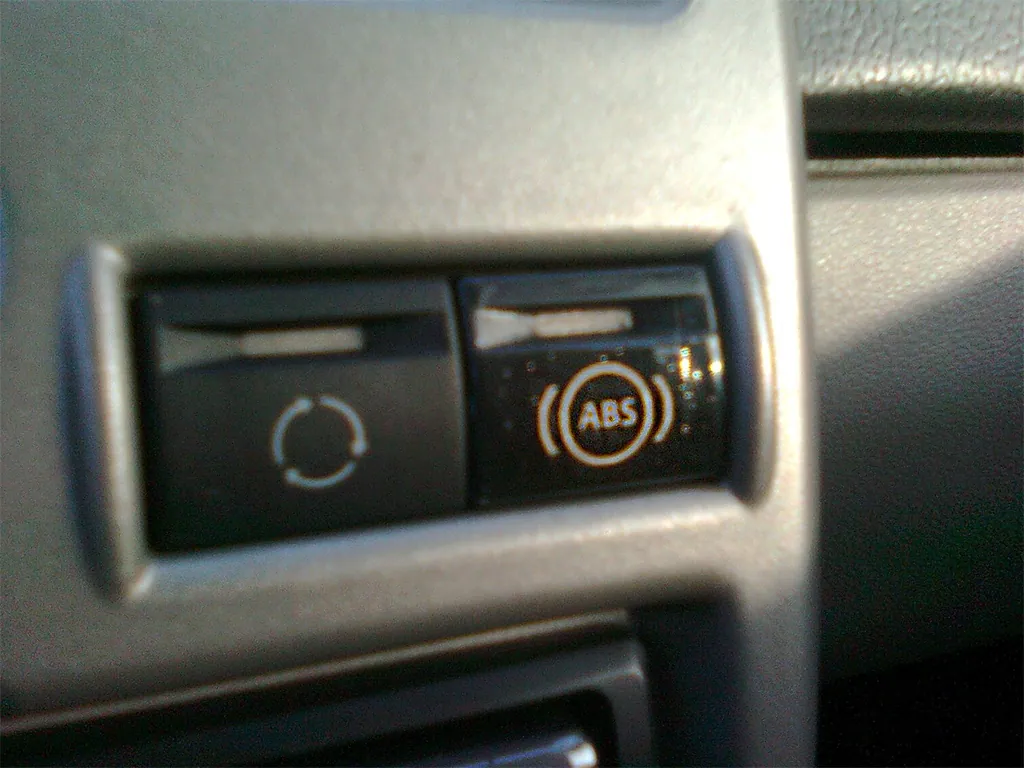
On certain vehicles—especially older models—disconnecting ABS manually can also trigger multiple warning lights and stored fault codes that are difficult to reset later.
The “ABS OFF” button isn’t a design flaw—it’s a tool intended for rare, extreme conditions. For everyday city and highway driving, it should remain off, meaning all safety systems stay active. It should only be used briefly when necessary, such as freeing a stuck vehicle or tackling a steep off-road climb. Once back on normal pavement, the system should be reactivated immediately.
You may also be interested in the news:
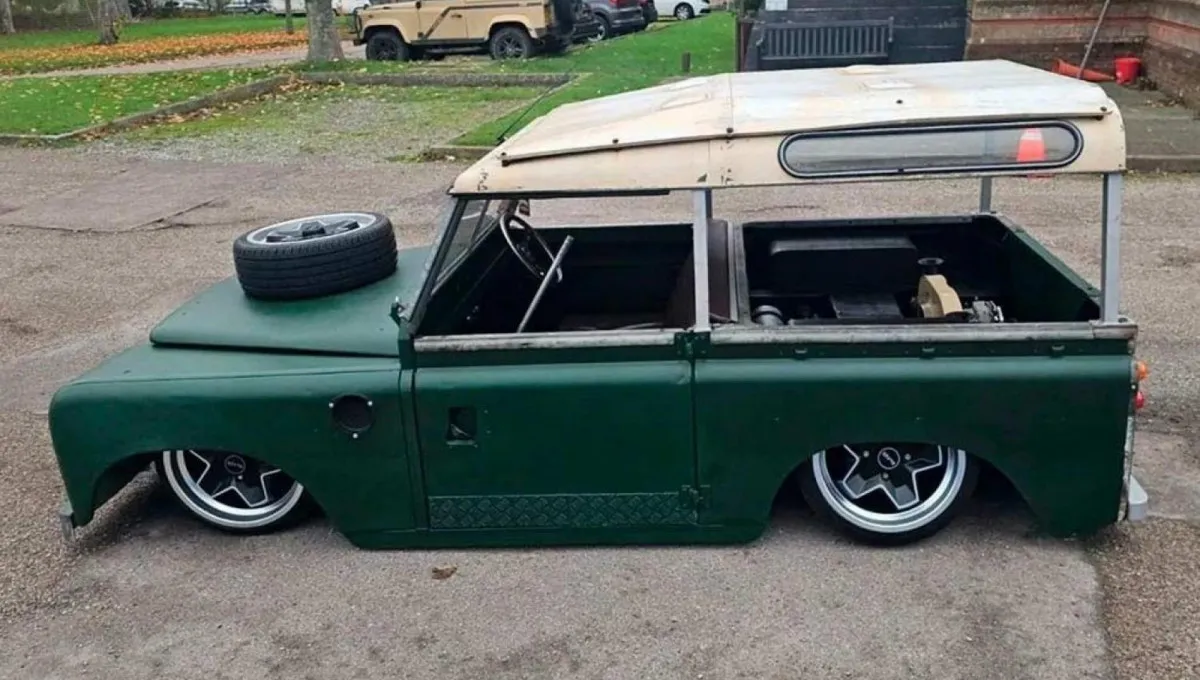
This Land Rover Is So Low It Nearly Scrapes the Road — And It Runs on VW Beetle Hardware
It looks like a classic Land Rover Series III, but this radically lowered custom hides a very different mechanical setup underneath.
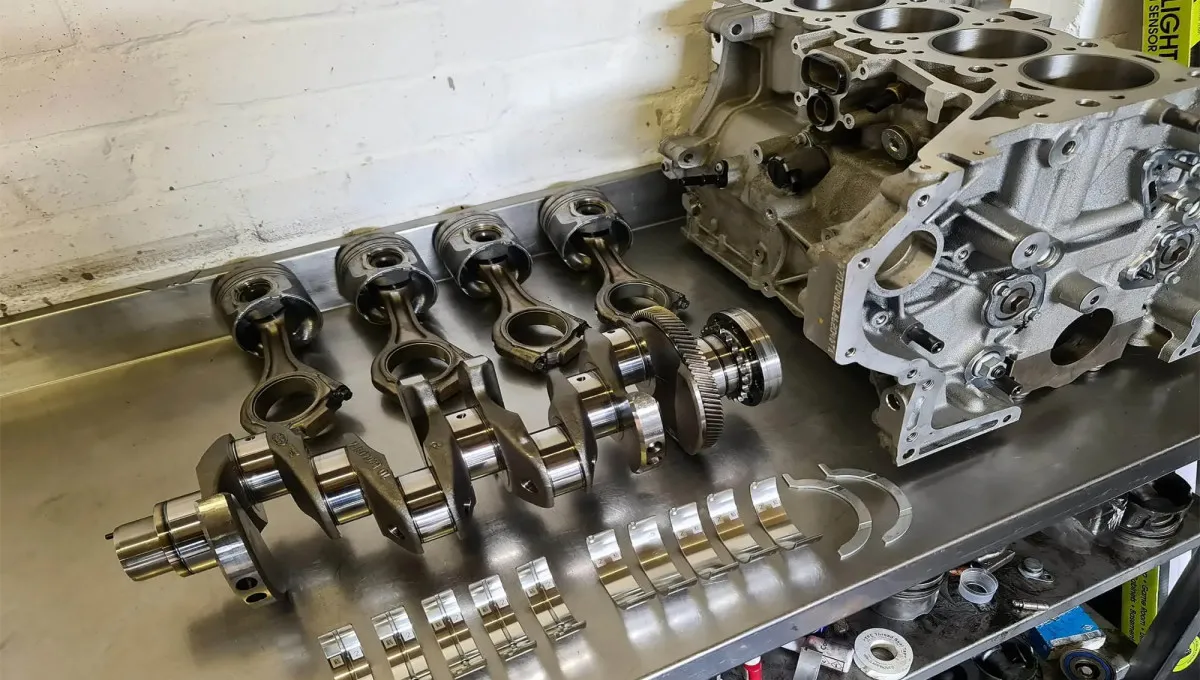
Not Ford, BMW or Audi: Mechanic Names the Car Brand That Almost Never Breaks Down
Auto repair professionals reveal which models rarely suffer major failures and which ones repeatedly end up on the lift.

What Does a Flashing Red Traffic Light Mean? Can You Keep Driving?
Drivers must come to a complete stop at the stop line before deciding whether it is safe to proceed.
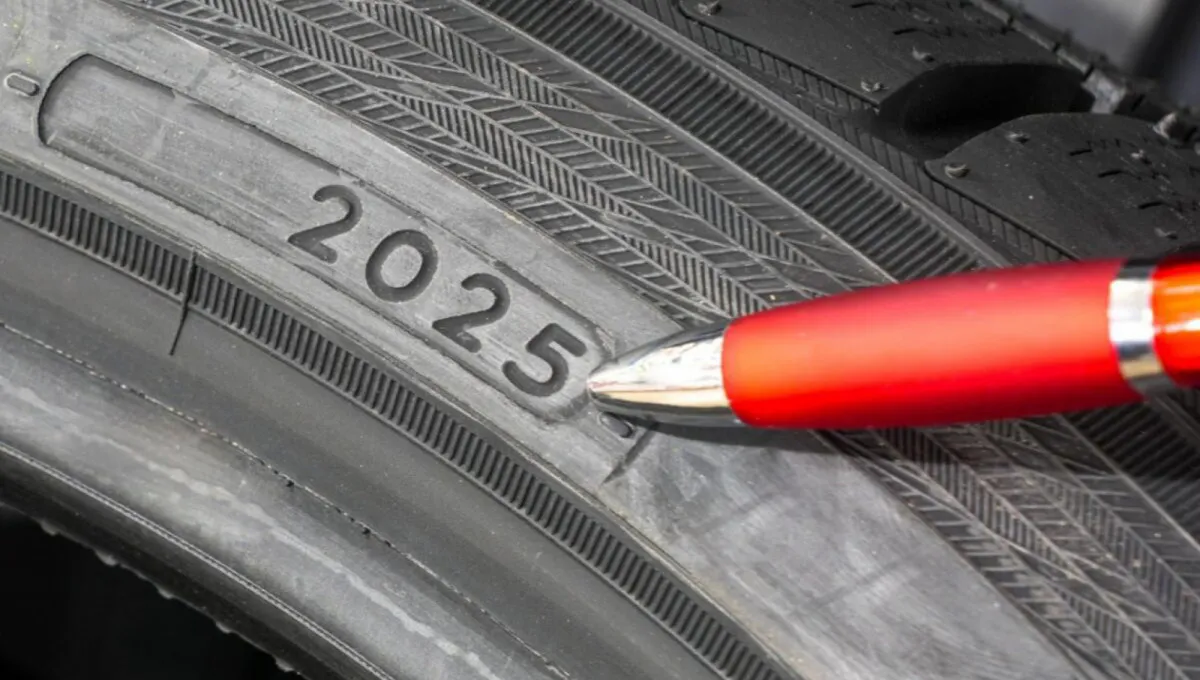
Why You Should Check a Tire’s Manufacturing Date Before Buying
Tire buyers should check more than size, tread, and brand because rubber changes with age, even without visible wear.
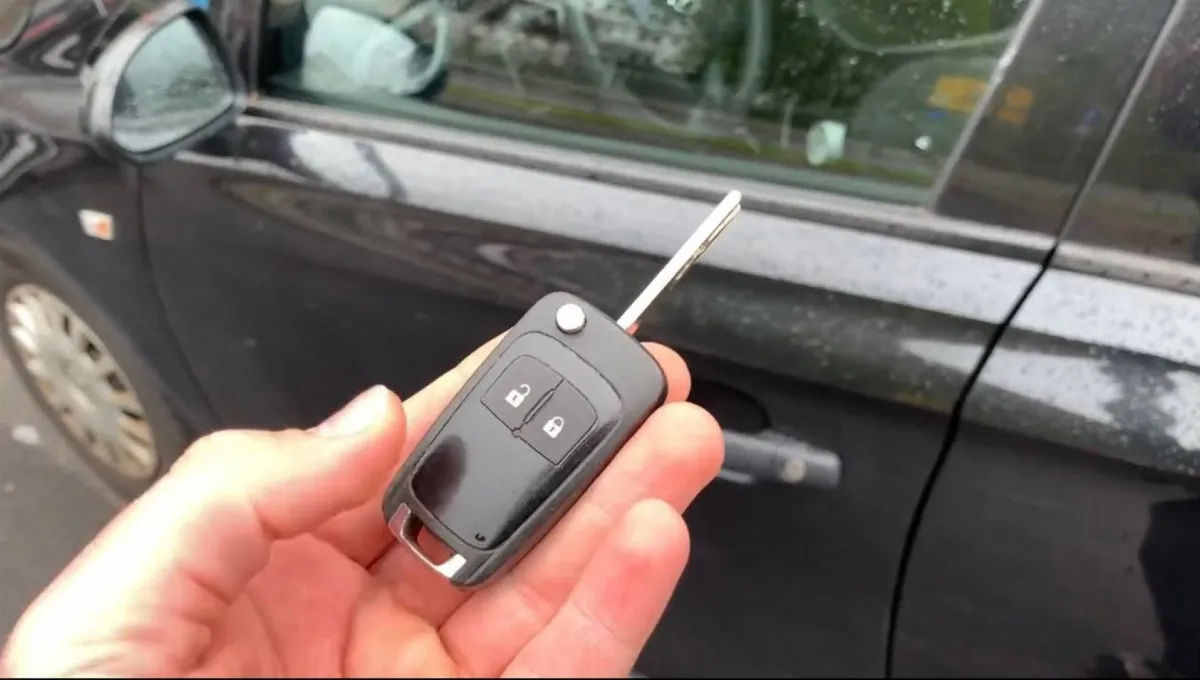
Your Car Sat for a Few Days and Won’t Start: What Could Be Draining the Battery
Your car can sit for days and still drain its battery, even when everything appears switched off.