
Why Is My Car Pulling to One Side When I Hit the Brakes?
A car that pulls to one side under braking is a serious safety risk. Here are the likely culprits and fixes.

The first thing to look at is your brake system. We’re talking about uneven wear on your pads or rotors, a seized caliper, corroded slide pins, or a difference in hydraulic pressure between the wheels. When all that happens, one wheel grabs harder than the other, and the steering wheel tugs—or the whole vehicle darts—to one side.
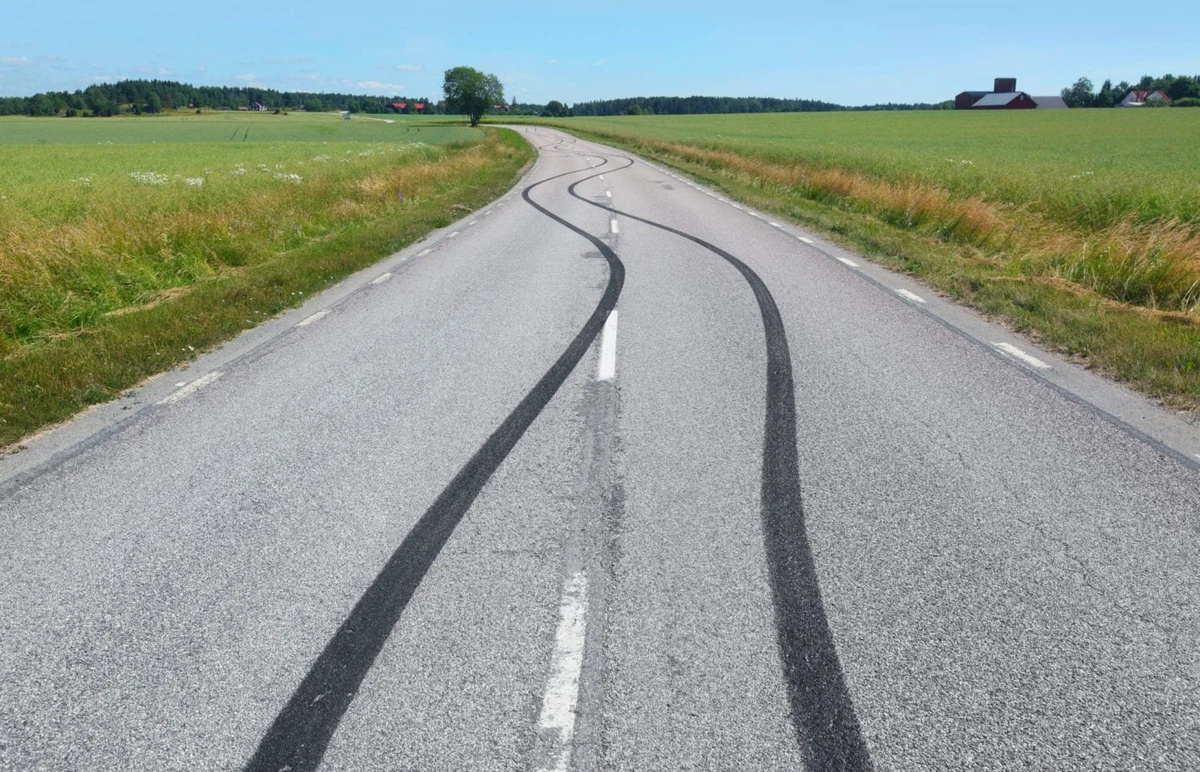
The second major cause has to do with your tires and suspension. Mismatched tire pressures, uneven tread wear, a busted belt inside the tire, or a bad alignment can all cause a pull when you step on the brake pedal. Sometimes, the issue runs deeper, involving worn-out control arm bushings, sloppy ball joints, or a blown shock absorber.
So, what should you do behind the wheel? Don't put off a diagnosis. Start with the simple stuff: check your tire pressures and give the rubber a close visual inspection. After that, you absolutely need to have the brake system checked out. That means looking at the pads, rotors, calipers, soft brake lines, and even the brake fluid level. It’s also smart to put the truck or car on a lift to inspect the suspension and get a proper alignment check.
Even if the pull feels minor right now, it can turn into a total loss of control in a panic stop situation. At the first sign of trouble, your best bet is to take it straight to a shop and fix the root cause rather than waiting for things to get dangerous.
You may also be interested in the news:
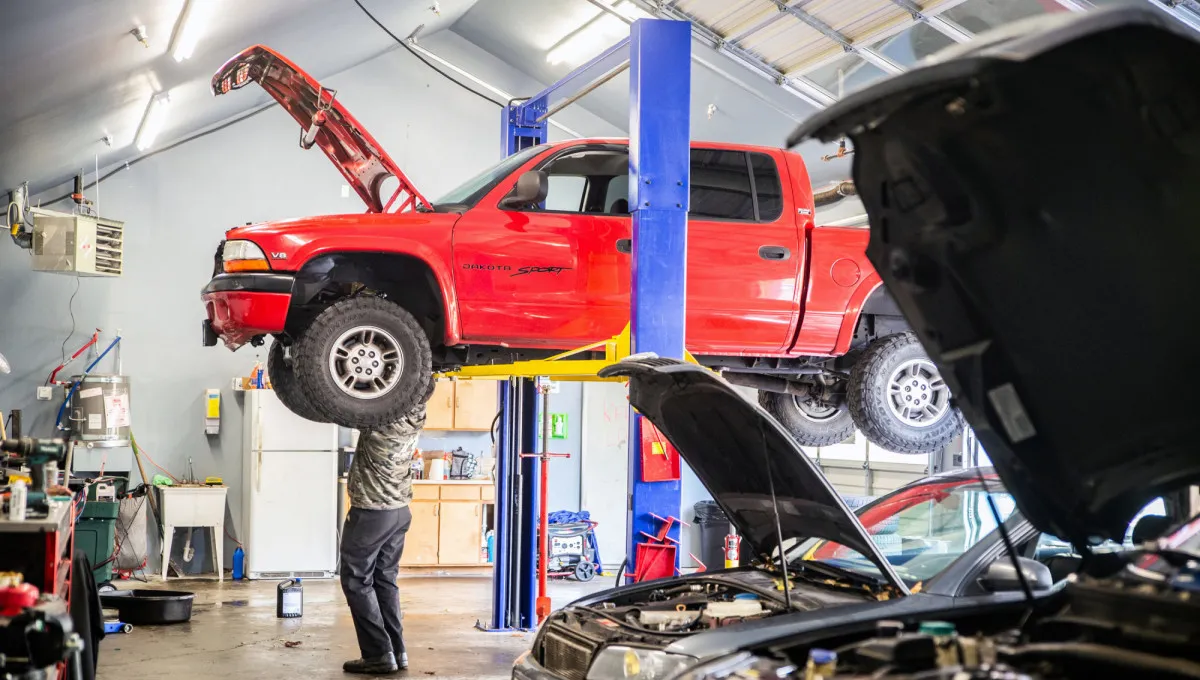
How a Repair Shop Can Overcharge You: What Every Driver Should Know
An experienced mechanic knows how to increase a repair bill, and drivers should know what to watch for before approving work.
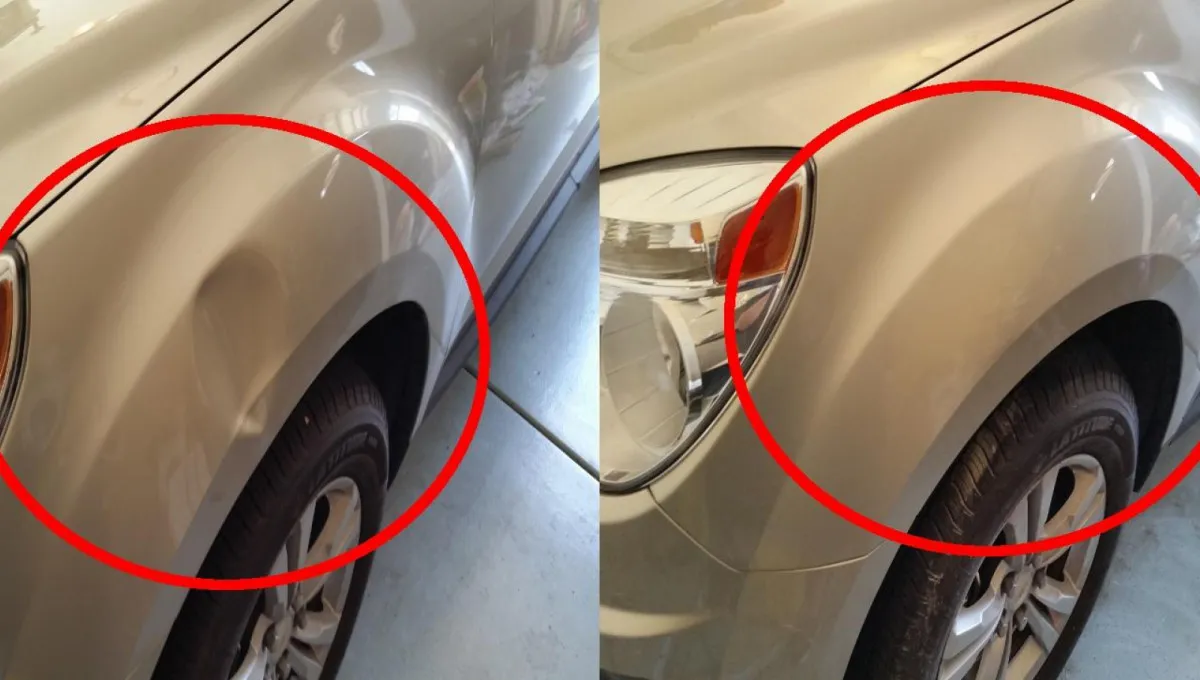
The Dent Can Disappear Without a Trace: How to Repair Car Body Damage Without Paint
Paintless dent repair can restore a damaged panel to its original shape, but only when certain conditions are met.
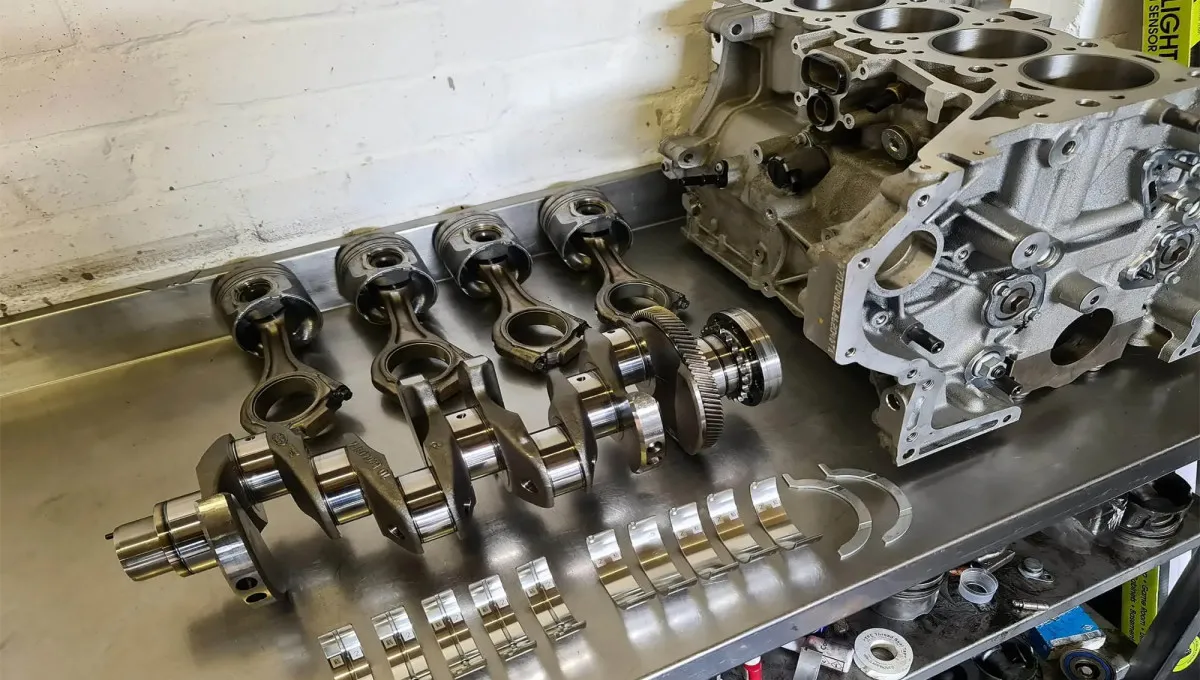
Not Ford, BMW or Audi: Mechanic Names the Car Brand That Almost Never Breaks Down
Auto repair professionals reveal which models rarely suffer major failures and which ones repeatedly end up on the lift.
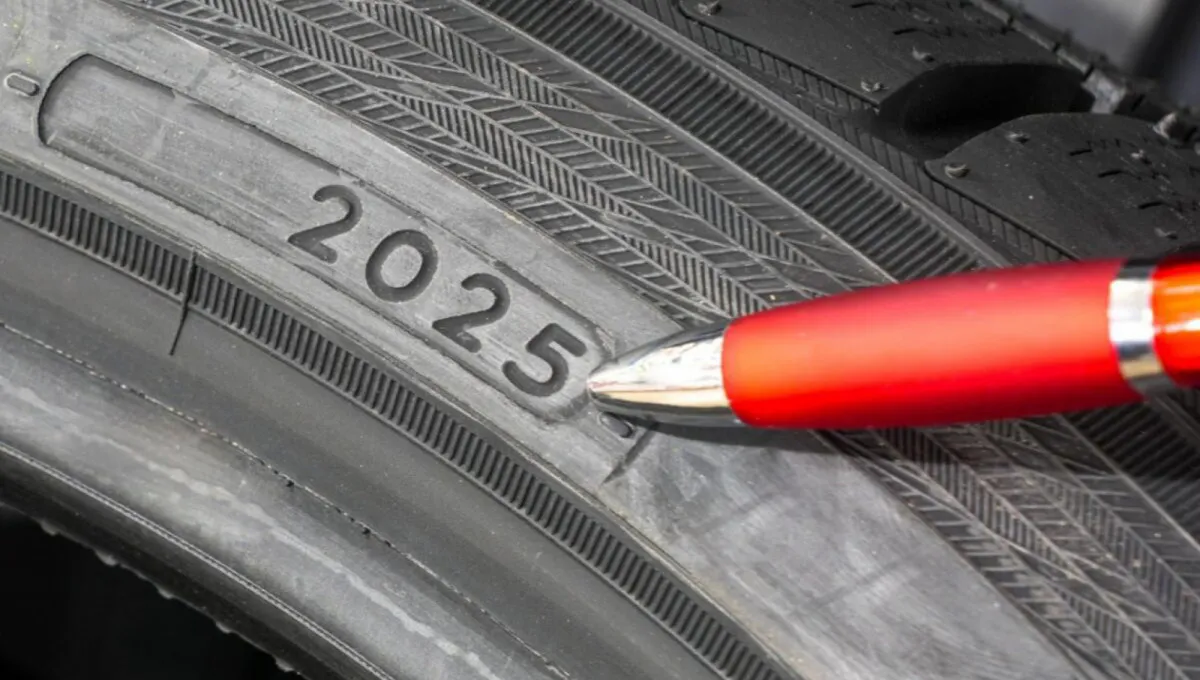
Why You Should Check a Tire’s Manufacturing Date Before Buying
Tire buyers should check more than size, tread, and brand because rubber changes with age, even without visible wear.
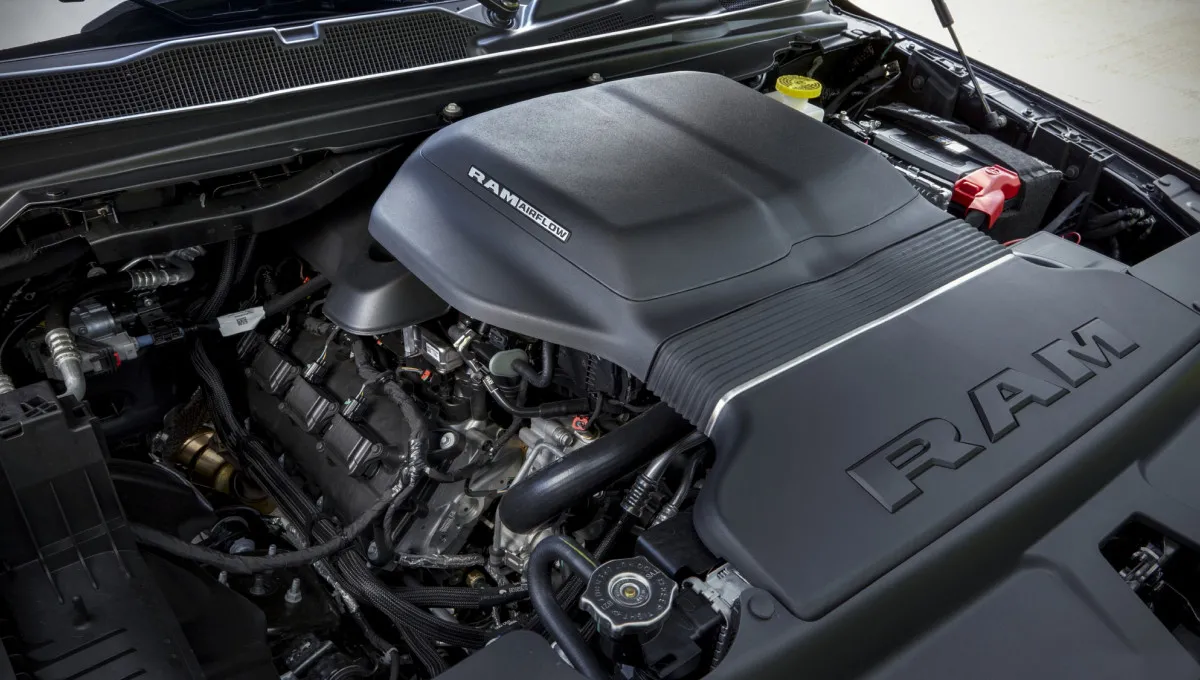
Your Engine Could Be Warning You: 6 Problems That Can Make a Car Run Rough
Engine problems rarely happen without a reason, and six common issues can cause a car to run poorly.