
Toyota GR86: Next-Gen Rear-Wheel-Drive Coupe Gets Upgraded Chassis and More Power
Why the Toyota GR86 has become a favorite among enthusiasts and how it differs from the Subaru BRZ
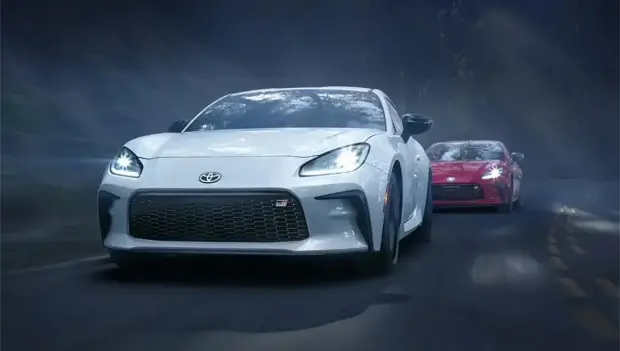
The Toyota GR86 is a modern sports coupe that arrived in 2021 with a new name and серьезous technical upgrades. It stands out thanks to a reworked chassis, a stronger engine, and a clear focus on driving dynamics.
For enthusiasts, the GR86 marked a big moment. It doesn’t just carry on the legacy of the GT86—it pushes it further while keeping the core traits drivers love. At a time when rear-wheel drive and manual transmissions are becoming rare, the GR86 remains one of the few affordable options for those who want a true driver’s car.
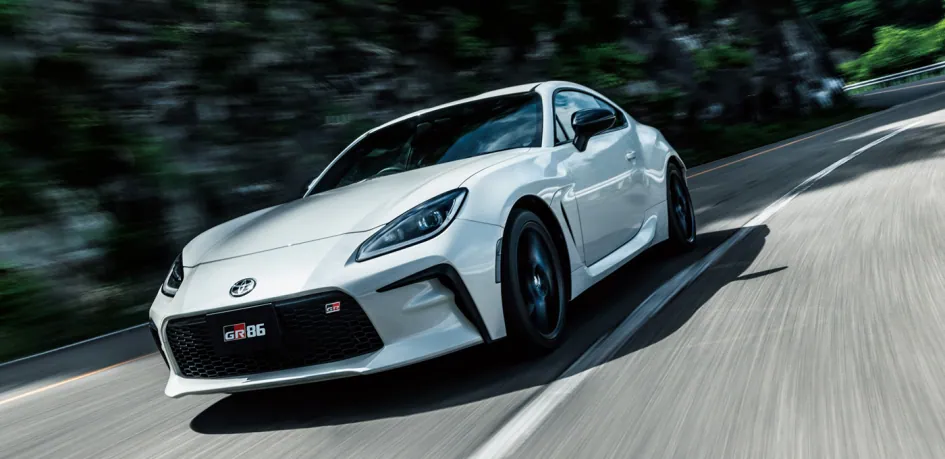
It’s also the third model in Toyota’s Gazoo Racing lineup, following the GR Supra and GR Yaris. Like its predecessor, the car was co-developed with Subaru, which sells its own version as the BRZ. Still, the GR86 has its own identity, with a unique front bumper, grille, headlights, and a redesigned rear end shaped by Toyota’s Gazoo Racing team.
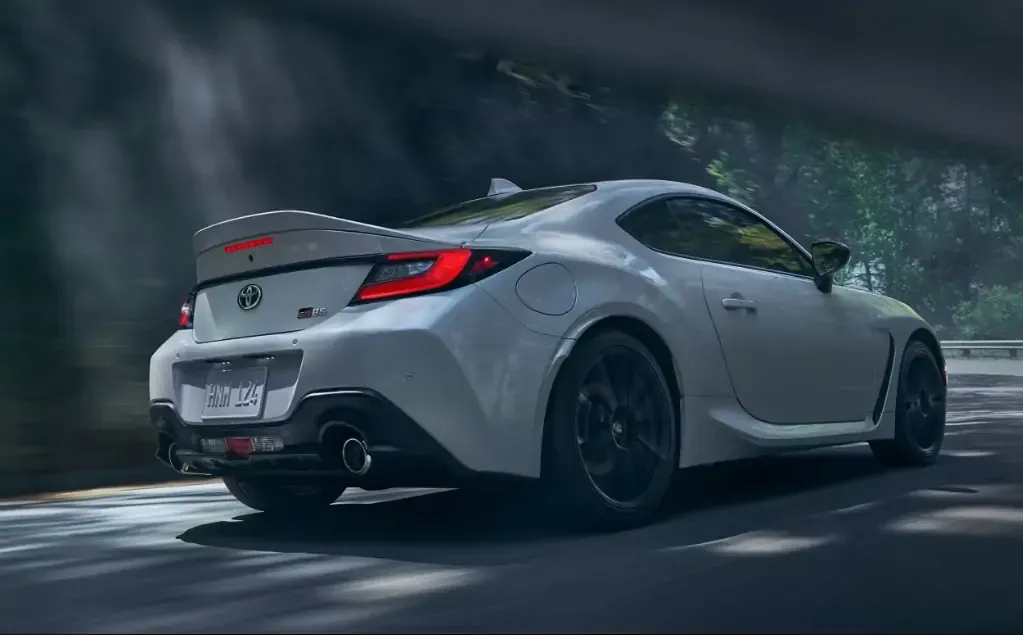
While the platform carries over, the body is completely new. Every panel has been redesigned, and overall structural rigidity is up by about 50% compared to the previous model. To keep weight down, the roof, hood, and front fenders are made from aluminum. Even the base manual version tips the scales at just about 2,800 pounds, which helps both performance and handling.
In markets like Japan, the GR86 comes in multiple trims, with the top-spec version featuring black 18-inch wheels, low-profile tires, and a mix of leather and suede-like materials inside. The cabin is clearly driver-focused, with supportive sport seats, a digital gauge cluster, and a clean, functional dashboard layout.
Under the hood sits a naturally aspirated 2.4-liter flat-four engine developed with Subaru. It produces 235 horsepower and 184 lb-ft of torque, a noticeable jump over the old 2.0-liter unit. With a six-speed manual, the GR86 can go from 0 to 60 mph in about 6.3 seconds, while the automatic version does it in roughly 6.9 seconds.
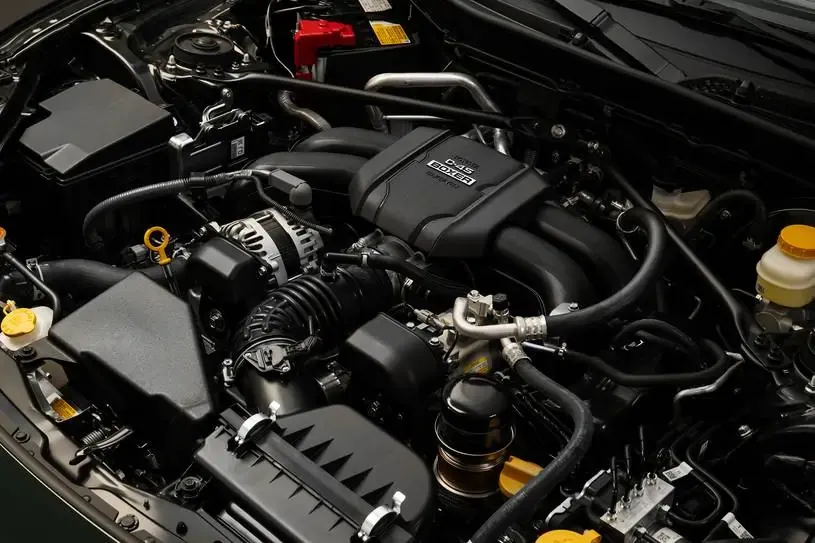
The layout remains classic: front-engine, rear-wheel drive, with either a six-speed manual or automatic transmission. The suspension setup includes MacPherson struts up front and double wishbones in the rear, along with ventilated brakes on all four corners and a Torsen limited-slip differential at the back.
Weight distribution sits at about 53:47 front to rear, and combined with a low center of gravity, it delivers sharp handling. Toyota engineers also fine-tuned the chassis differently from the BRZ, giving the GR86 a more aggressive steering feel and a slightly edgier suspension setup—especially noticeable on track.
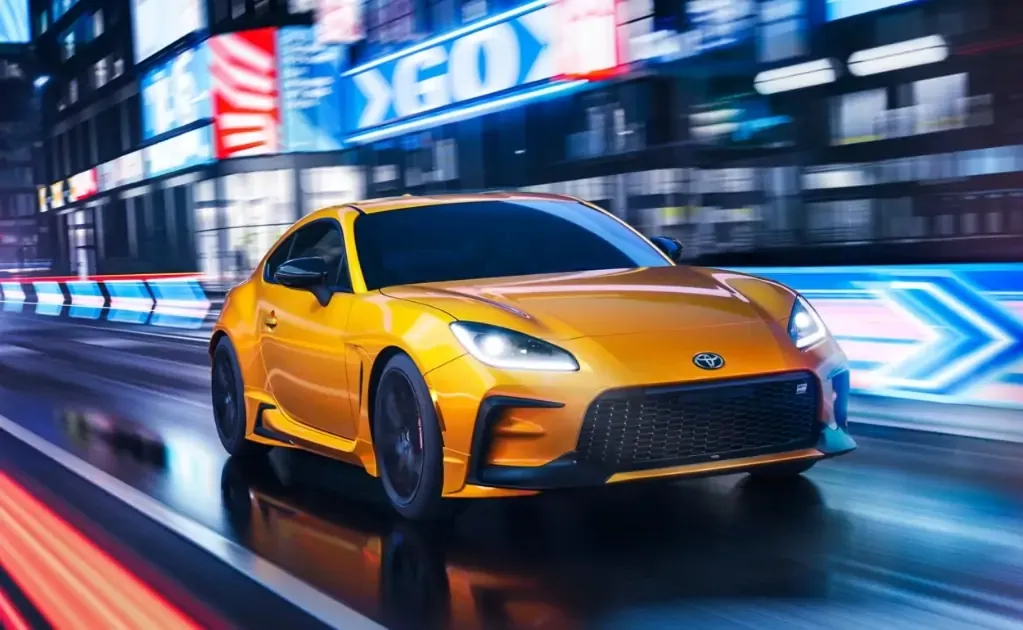
Inside, the car features a 2+2 seating layout. The rear seats can fold down to expand cargo space, making the GR86 surprisingly practical for everyday use. Everything in the cabin is designed around control and driver engagement, from the seating position to the layout of the controls—keeping the focus squarely on the driving experiance.
You may also be interested in the news:
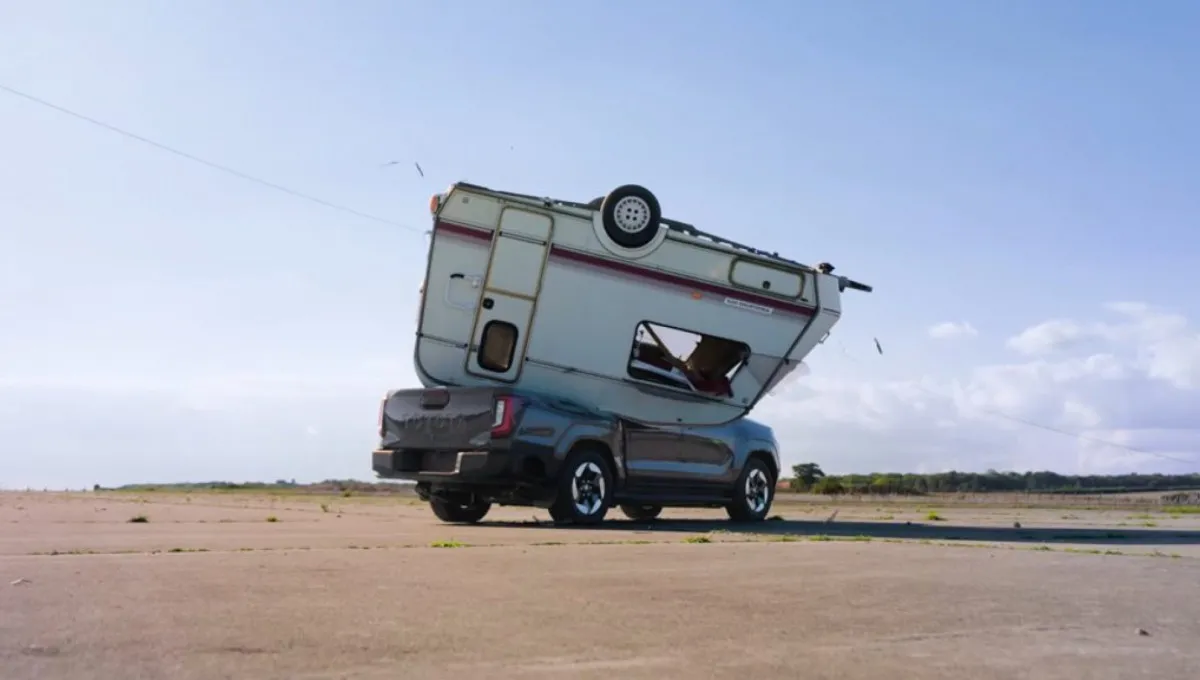
Toyota Hilux BEV Gets Hit With a Falling Camper in a Top Gear-Inspired Test
Toyota's UK team recreated a famous Top Gear-style stunt by dropping a camper onto its new all-electric Hilux pickup.
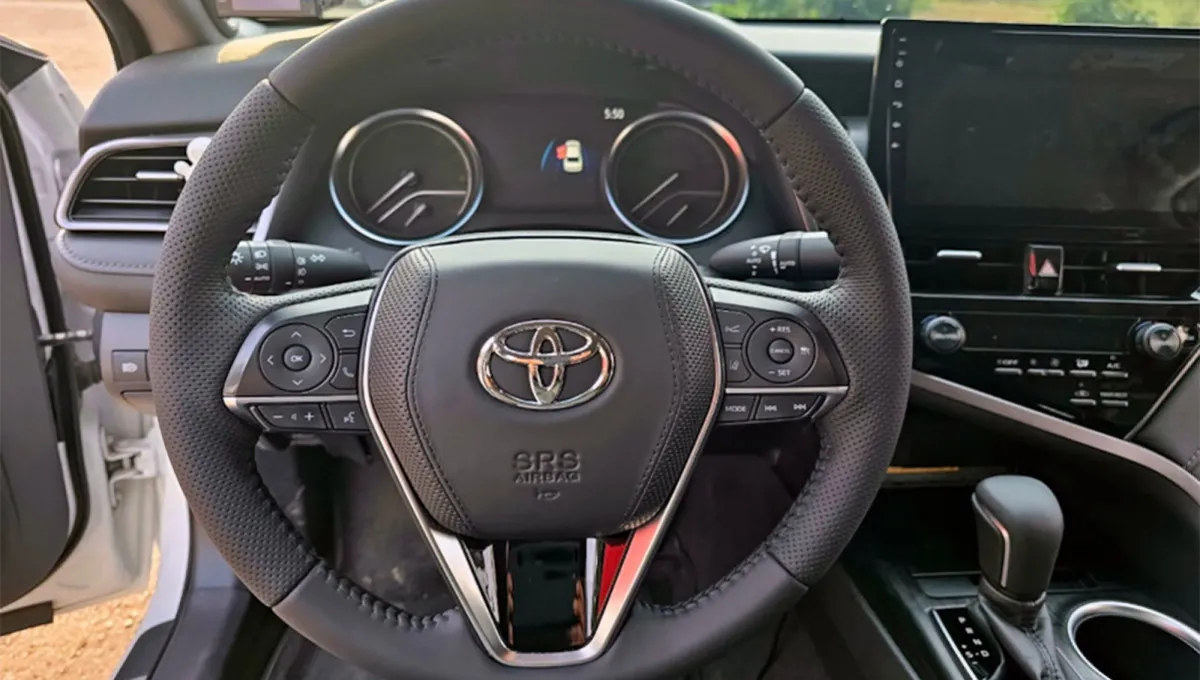
Toyota Is About to Turn the GR86 Into a Very Different Sports Car
Next-generation Toyota GR86 is expected to replace its naturally aspirated engine with a turbocharged powertrain.
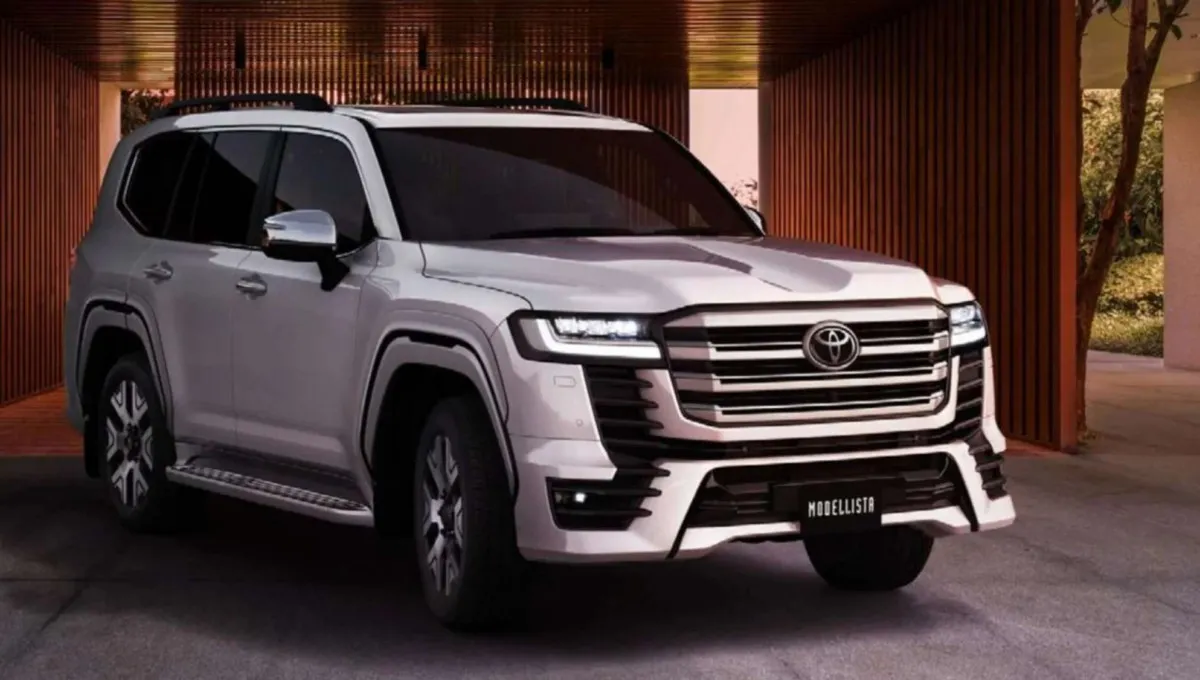
Toyota's Legendary Land Cruiser Just Got a Wild New Look — And Those 20-Inch Wheels Aren't Cheap
The updated Land Cruiser 300 looks tougher than ever after Toyota's Modellista division gave it a bold new appearance package.
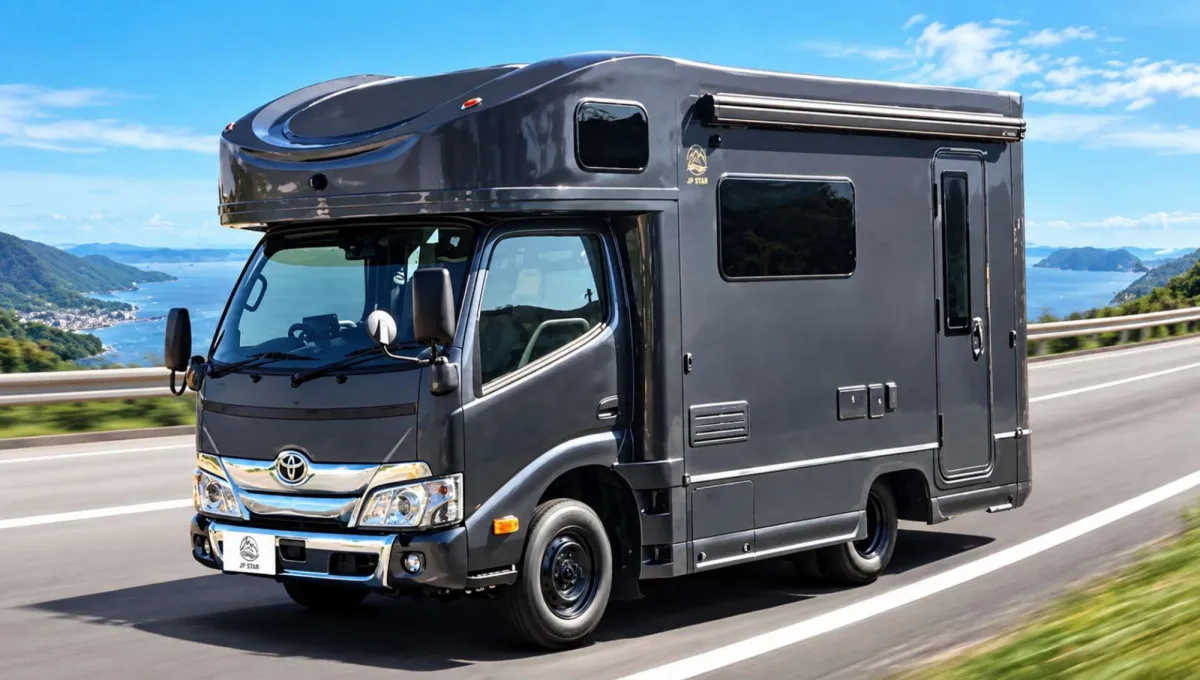
This Tiny Camper Has a Shower, Kitchen and Two Beds—And It Fits on a Small Truck
A new Japanese camper packs a living room, kitchen, shower and two sleeping areas into a compact package.

Test Yourself: Toyota’s Famous “Oh, What a …” Slogan — Can You Finish It?
Can You Finish Toyota’s Most Famous Slogan? Millions of Americans Heard This One Growing Up