
That Vertical Line on Your Side Mirror: What It’s Actually For
Some side mirrors feature a vertical line, but its real purpose often surprises many drivers.
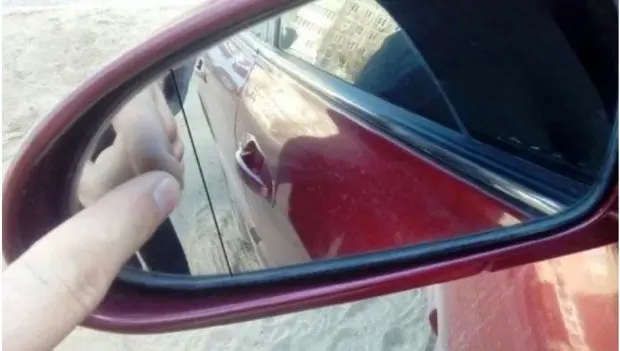
If you’ve ever looked closely at your car’s side mirror, you may have noticed a thin vertical line running across part of the glass. For some drivers, it’s a bit of a mystery. Others think they already know what it does—but in many cases, that assumption turns out to be wrong.
This line typically appears on certain side mirrors, especially on imported vehicles, and was particularly common on cars built in the 1990s. While it’s less widespread today, the feature hasn’t disappeared entirely. So what’s the point of it?
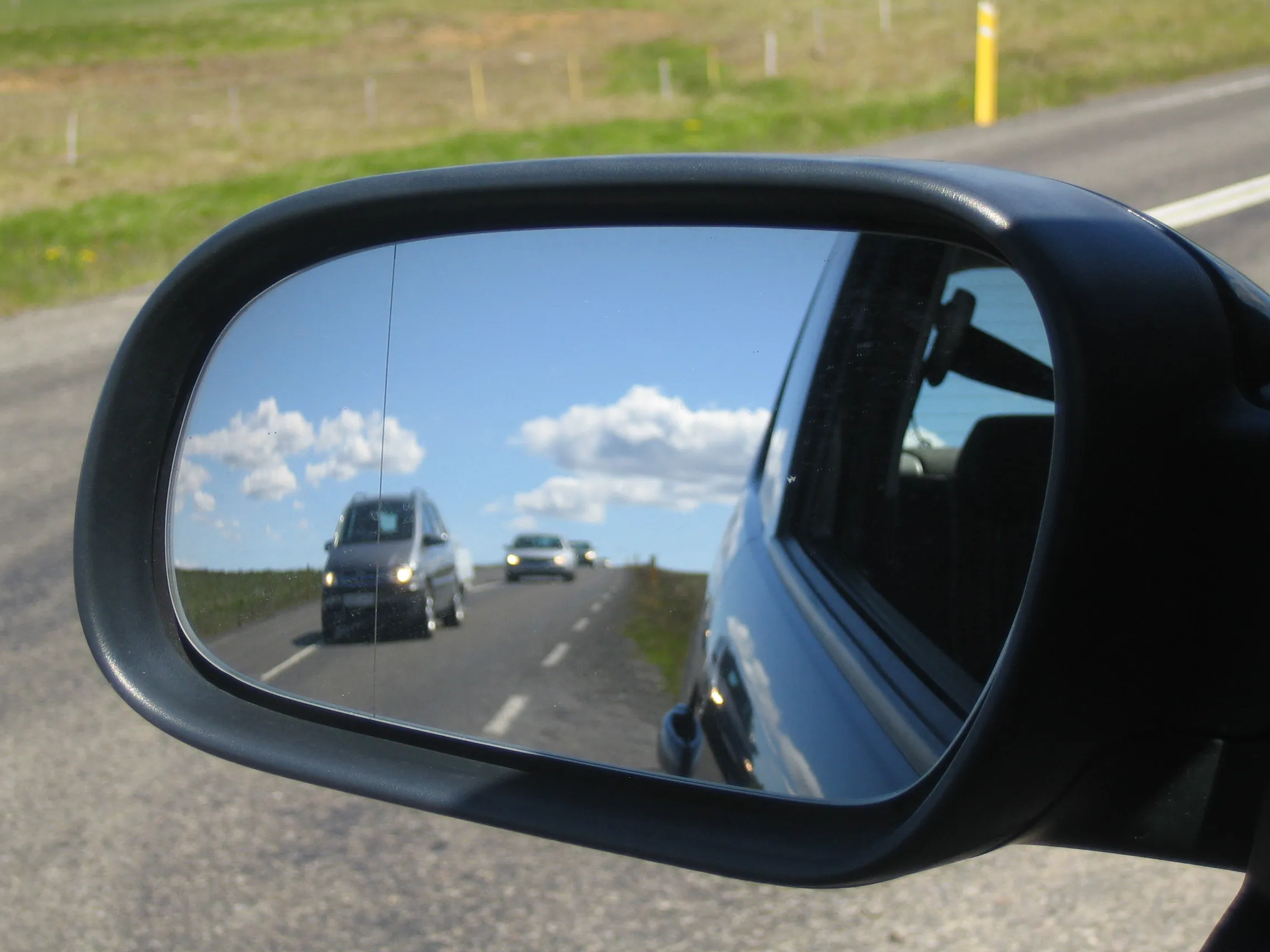
A common belief is that the line marks a heating element designed to keep the mirror from icing over in winter. It’s a reasonable guess—but it’s not correct.
In reality, that line separates two different mirror sections built into a single housing. If you pay close attention to the reflection, you’ll notice a slight distortion between the two areas. That’s because one part of the mirror is flat, while the other is slightly convex.
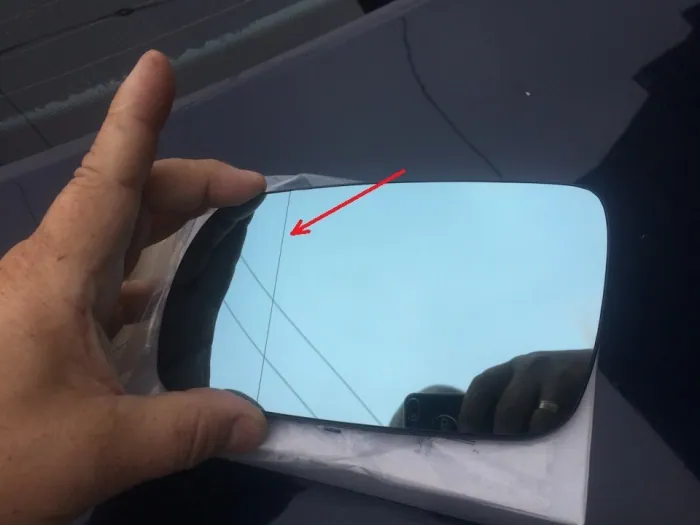
The smaller, outer section is designed to provide a wider field of view, even though objects may appear smaller. This expanded visibility helps drivers better monitor adjacent lanes and reduces blind spots—especially useful when changing lanes on the highway.
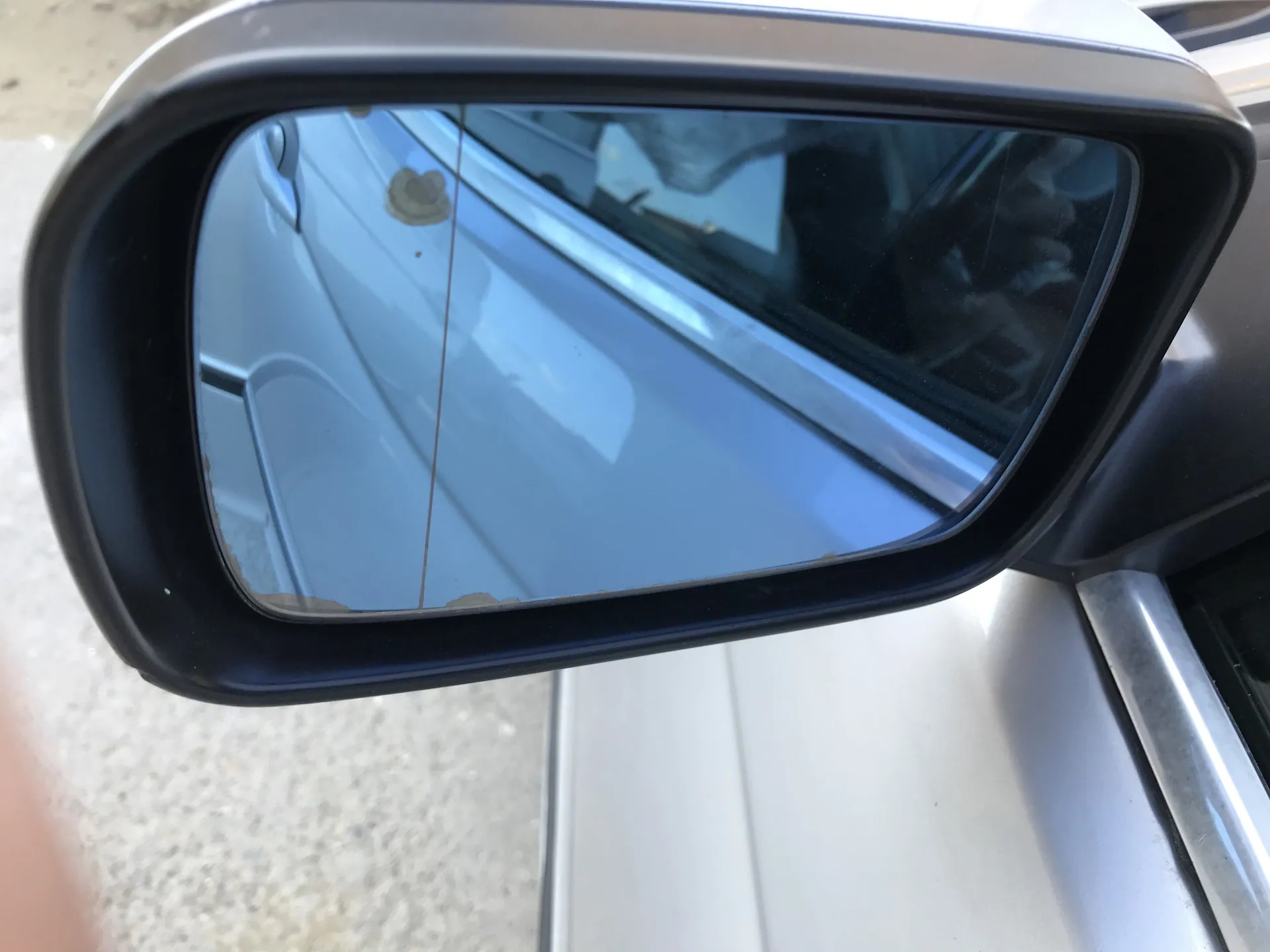
By combining two mirror perspectives in one, this simple design gives drivers a clearer view of what’s happening around them, improving both awareness and safety on the road.
You may also be interested in the news:
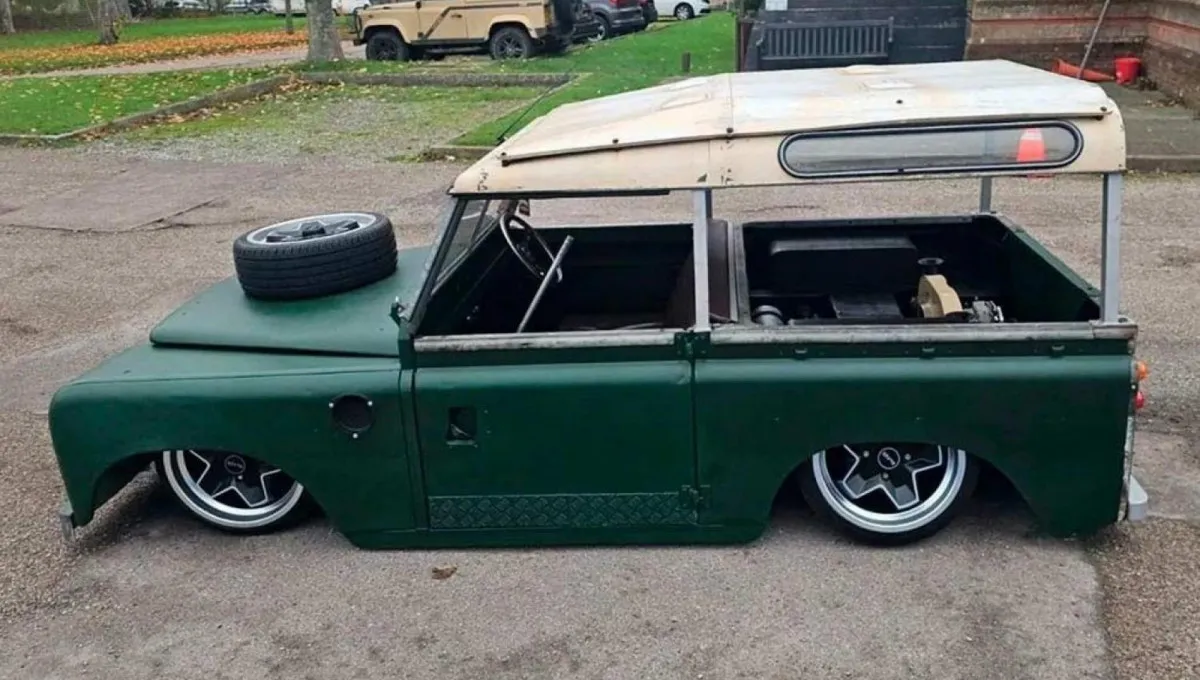
This Land Rover Is So Low It Nearly Scrapes the Road — And It Runs on VW Beetle Hardware
It looks like a classic Land Rover Series III, but this radically lowered custom hides a very different mechanical setup underneath.
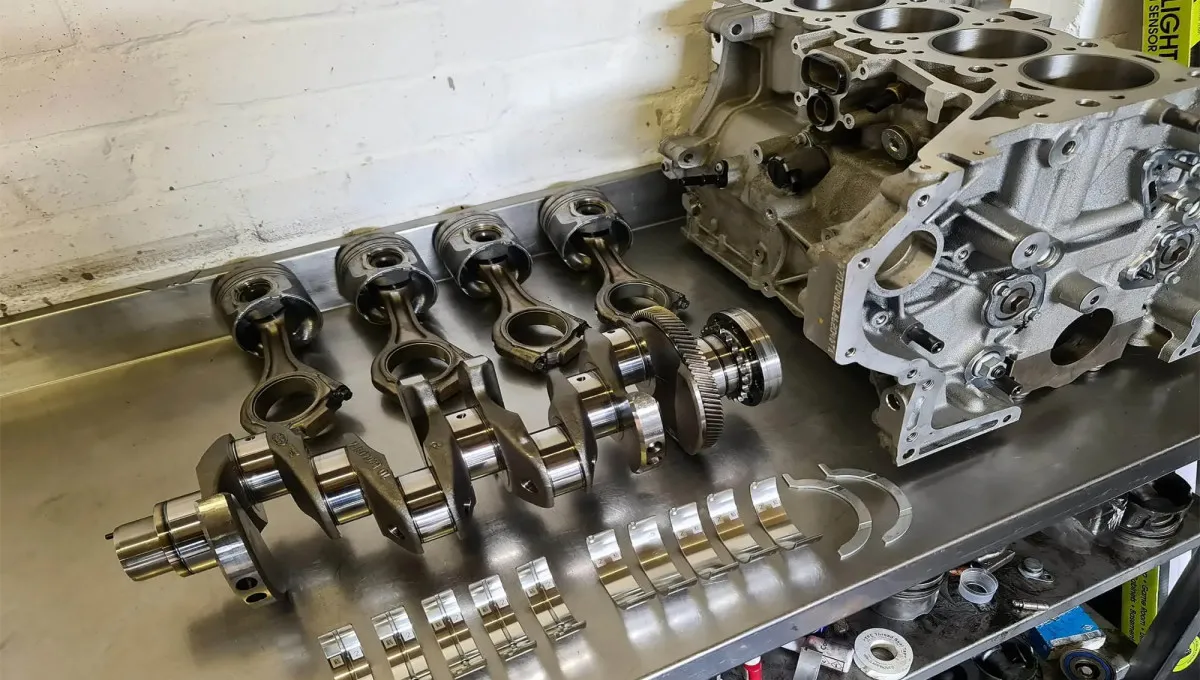
Not Ford, BMW or Audi: Mechanic Names the Car Brand That Almost Never Breaks Down
Auto repair professionals reveal which models rarely suffer major failures and which ones repeatedly end up on the lift.
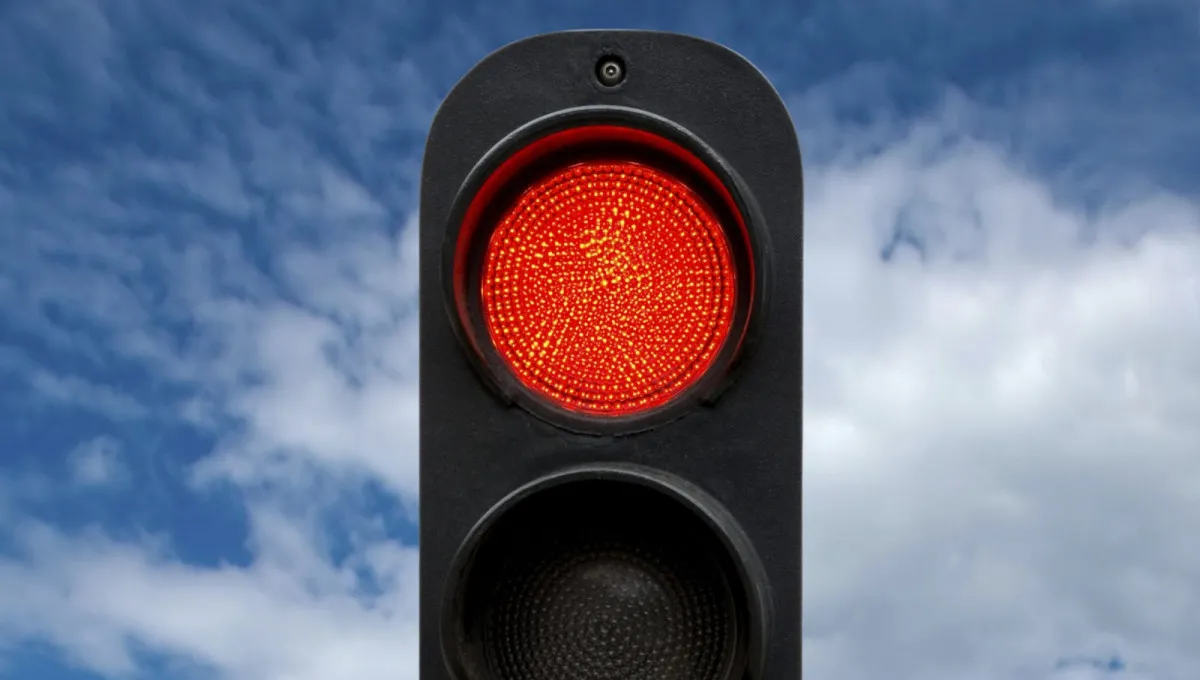
What Does a Flashing Red Traffic Light Mean? Can You Keep Driving?
Drivers must come to a complete stop at the stop line before deciding whether it is safe to proceed.
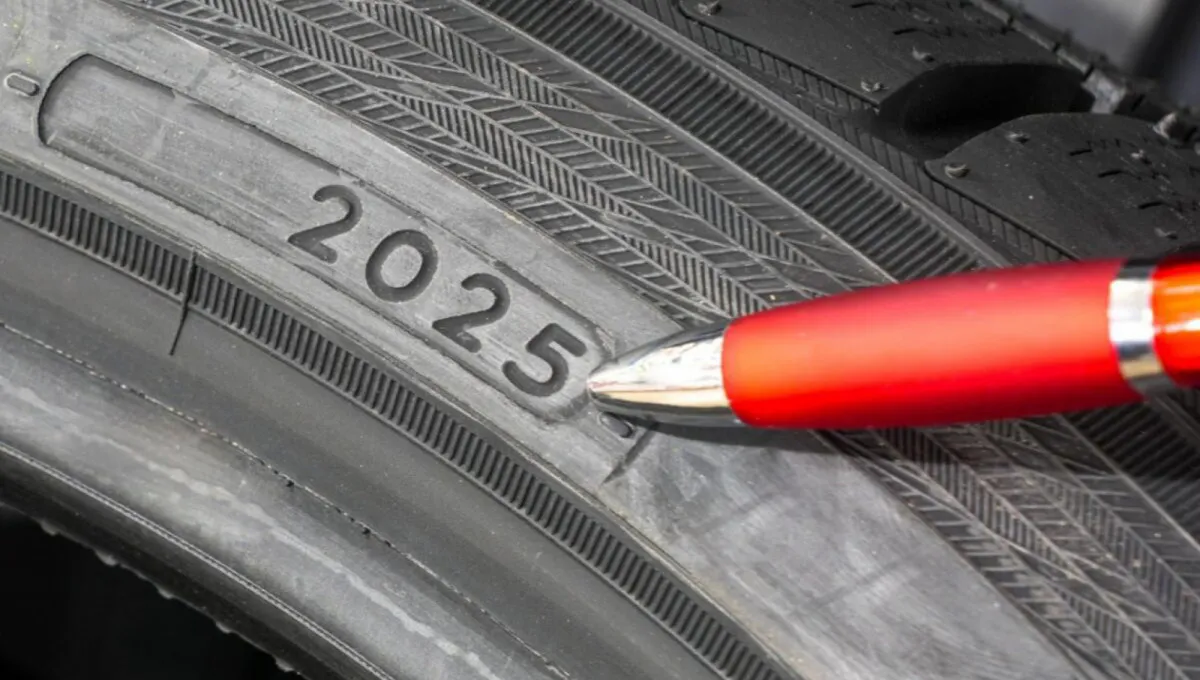
Why You Should Check a Tire’s Manufacturing Date Before Buying
Tire buyers should check more than size, tread, and brand because rubber changes with age, even without visible wear.
Your Car Sat for a Few Days and Won’t Start: What Could Be Draining the Battery
Your car can sit for days and still drain its battery, even when everything appears switched off.