
Ford has already reshaped development, set to refresh 70% of its portfolio and UEV by 2029
Ford is undergoing a major internal restructuring ahead of a sweeping product overhaul effort plan
Ford is undergoing a significant internal restructuring as it prepares for one of the most extensive lineup overhauls in recent years. Under the brand’s plan, roughly 70% of its global portfolio will be refreshed by 2029. To avoid fragmented efforts across departments and speed up the rollout of new models, the company has introduced a new end-to-end structure that brings design, EV strategy, digital technologies and software, as well as Ford’s global manufacturing system under one integrated framework.
According to company representatives, the setup is designed to support a highly intensive wave of launches covering not only vehicles but also software and services. The new division has been named Product Creation and Industrialization and will be led by Kumar Galhotra.
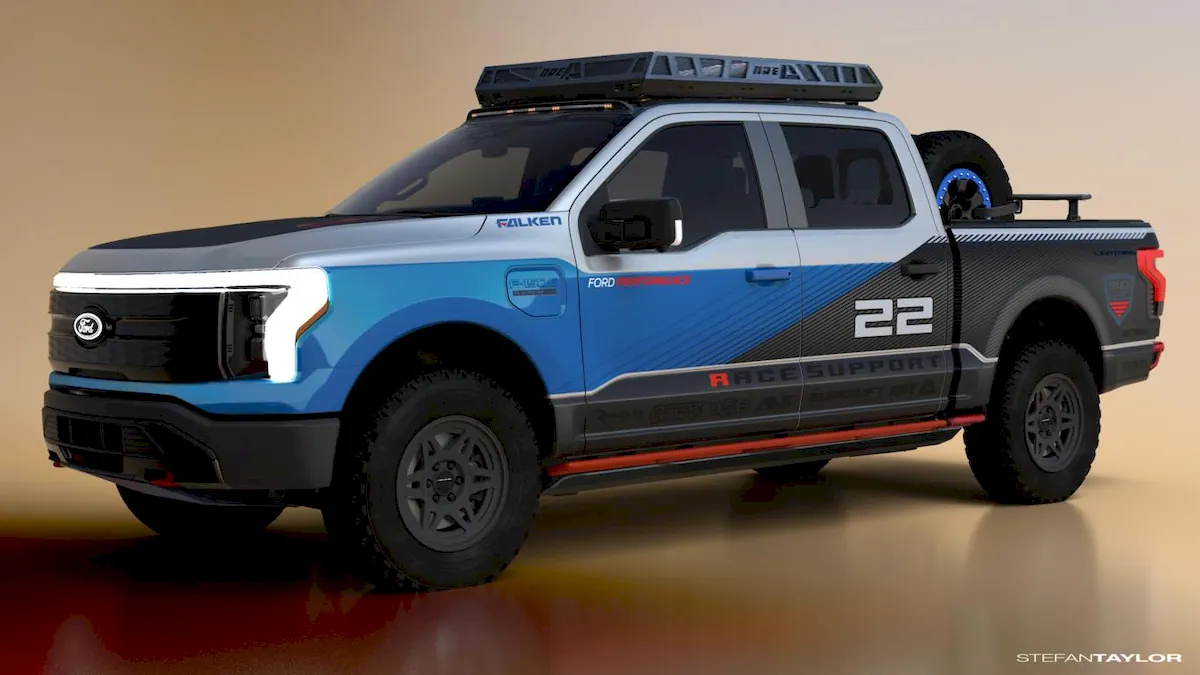
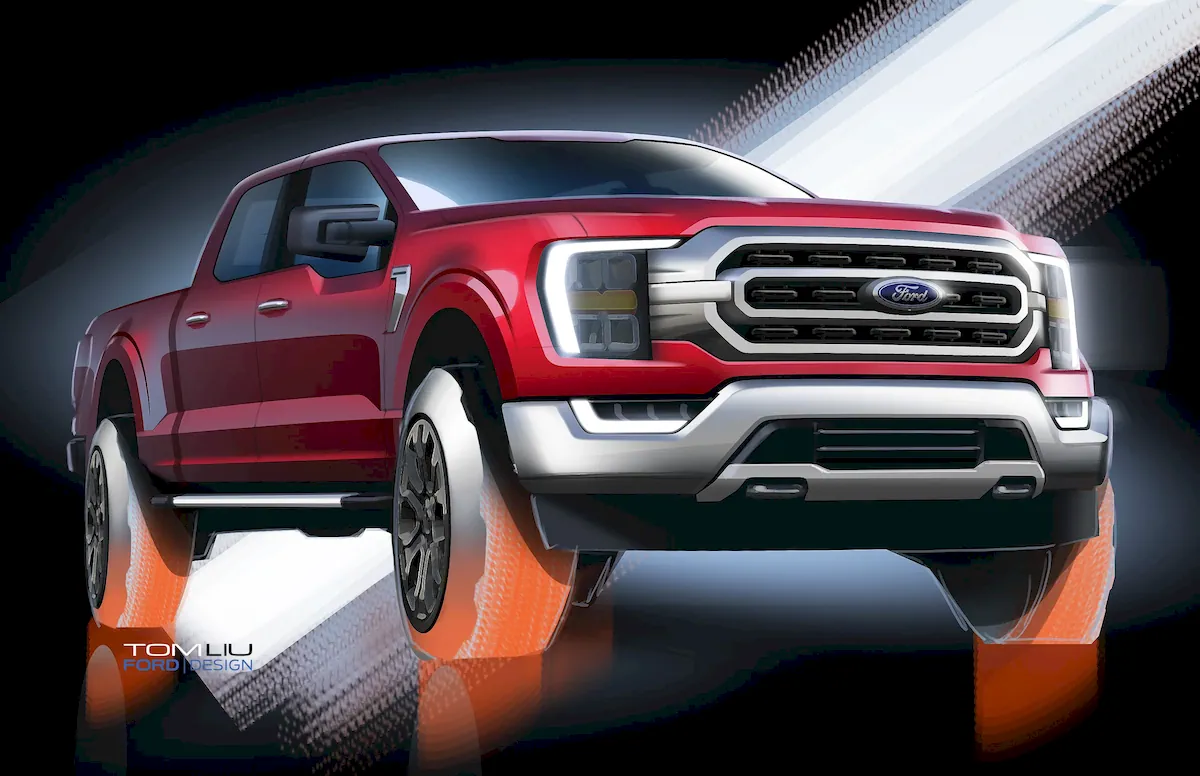
Ford emphasizes that the initiative is not limited to global markets. In North America, the company expects to refresh about 80% of its portfolio by 2029 based on sales volume. This includes the next-generation F-150, the F-Series Super Duty lineup, and a new midsize pickup built on Ford’s Universal Electric Vehicle (UEV) platform.
The UEV architecture, according to reports, was developed by a so-called “skunkworks” team. It relies on large single-piece unicastings to reduce vehicle weight while simplifying overall construction. The platform is also engineered for a highly efficient powertrain and a fully zonal electrical architecture, supported by Ford’s in-house software and advanced driver-assistance systems.
Electrification remains a key pillar of the strategy. Nearly 90% of Ford’s global nameplates are expected to offer electrified powertrains by 2030, including hybrids, extended-range electric vehicles, and fully electric models. Ford also notes that technologies developed for UEV will carry over to hybrid vehicles, as the company works on new high-efficiency electric motors.
CEO Jim Farley described the changes as the result of years of work building a “modern Ford” capable of scaling software-defined vehicles with flexible powertrain options, stronger digital capabilities, and an ownership experience that improves over time. At the same time, the restructuring comes with a notable leadership change: Ford confirmed that Doug Field, who joined five years ago to help steer the company’s push into electrified, connected, and software-defined vehicles, will leave within the next month.
He played a key role in shaping the Product Creation and Industrialization organization, which is tasked with simplifying development across hardware, software, and manufacturing. His departure comes as Ford aims to use its new structure to drive its lineup refresh and reach an adjusted EBIT margin of 8% by 2029.
You may also be interested in the news:
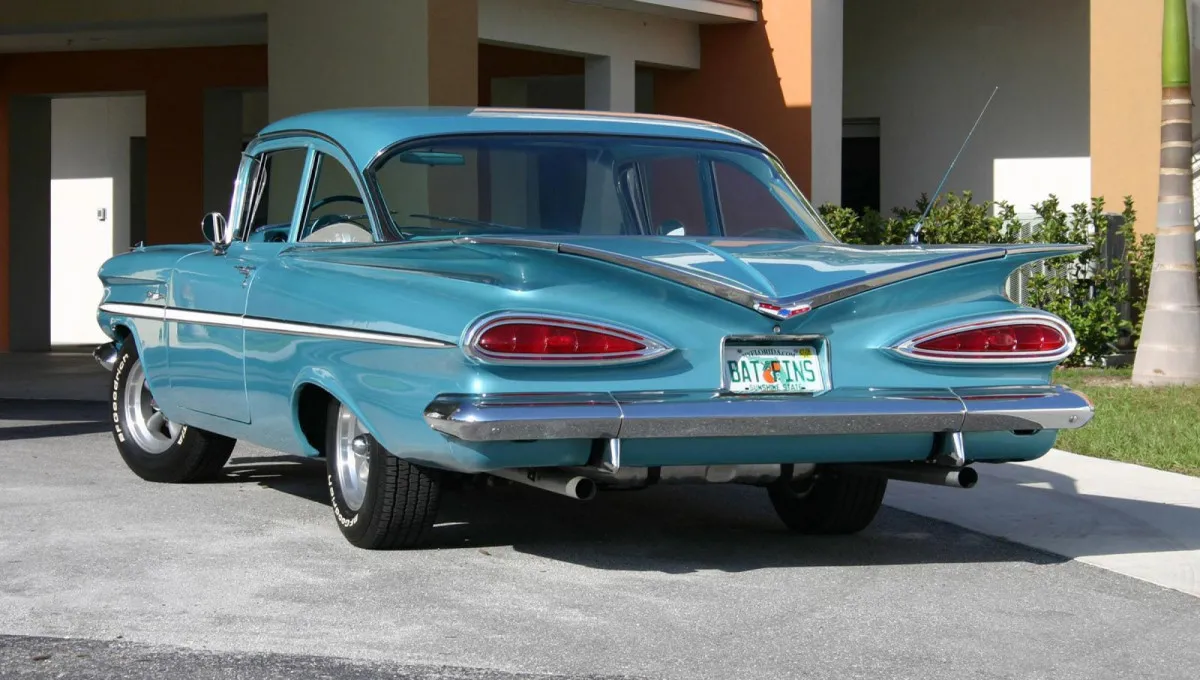
Elegance for Everyone: How Chevrolet Made Its 1960 Cars Stand Out
Chevrolet toned down its extravagant 1959 styling for 1960, bringing a more refined look to its affordable full-size cars.

Invisible Cows and a 17.3 MPH Speed Limit? 4 of America's Strangest Road Signs
From invisible cows to alien highways, these unusual American road signs turn ordinary drives into unforgettable roadside surprises.
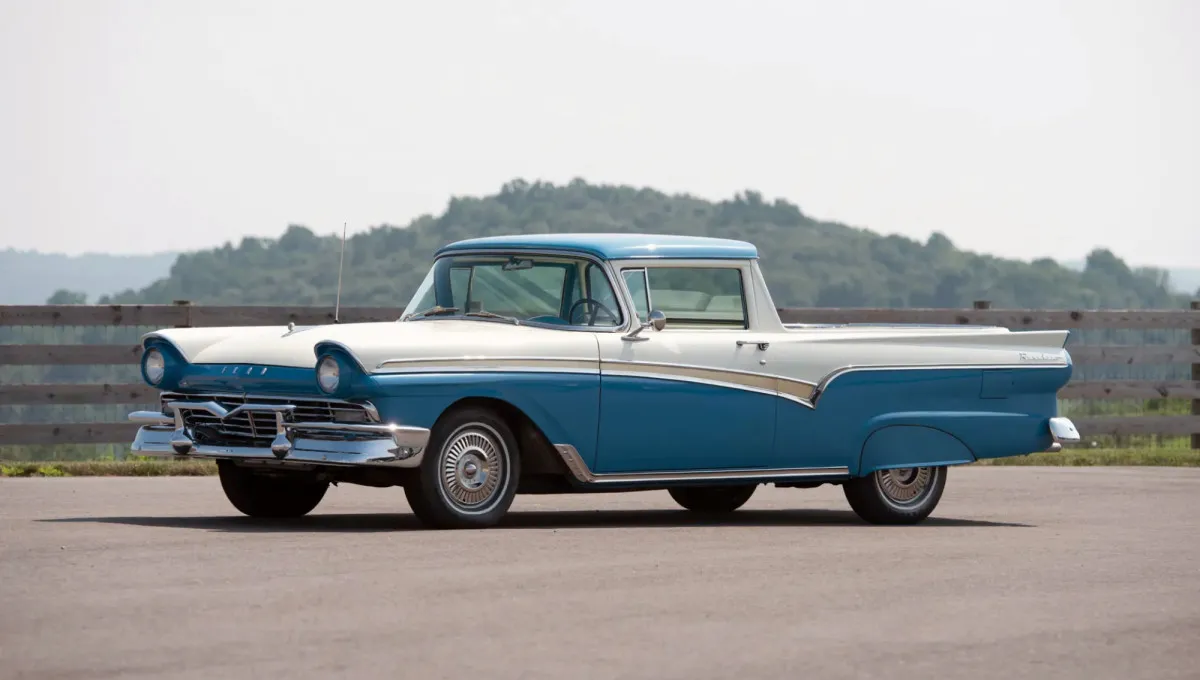
More Than a Car! More Than a Truck! The 1957 Ford Ranchero
The 1957 Ford Ranchero launched a new kind of American vehicle, blending passenger-car styling with pickup-truck utility years before the segment took off.
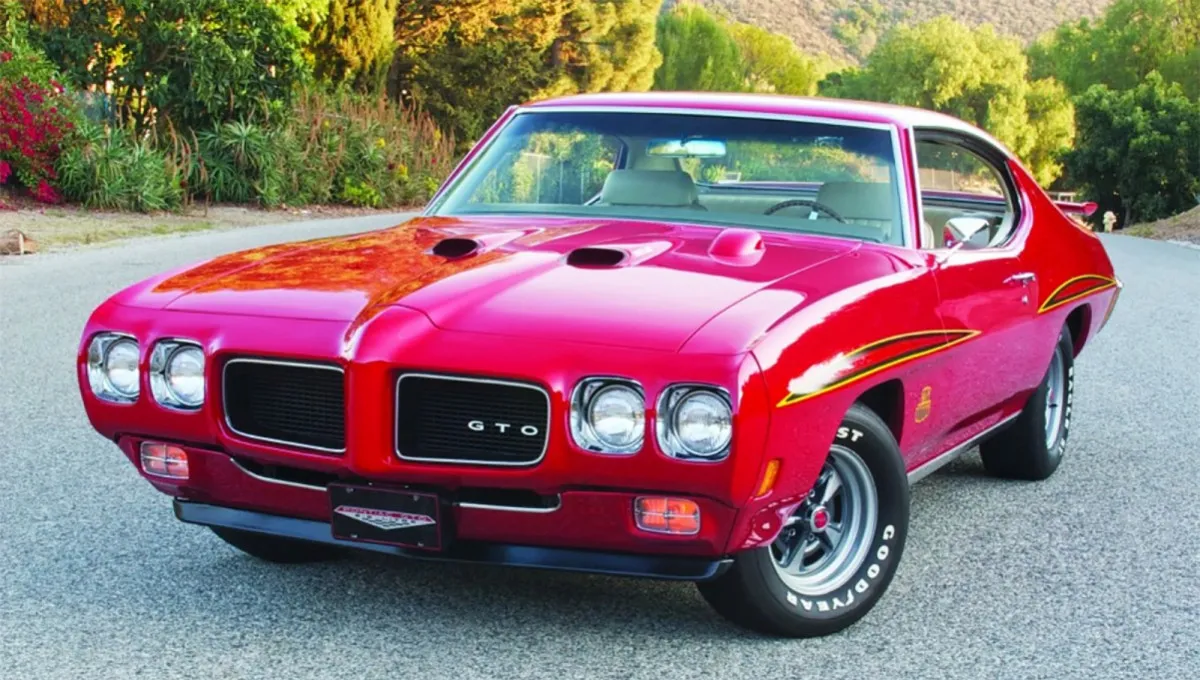
Pontiac's 1970 GTO Had a Wild Exhaust Option—Only 233 Cars Got It
Pontiac offered an unusual exhaust system for the 1970 GTO, but the factory option didn't last long.
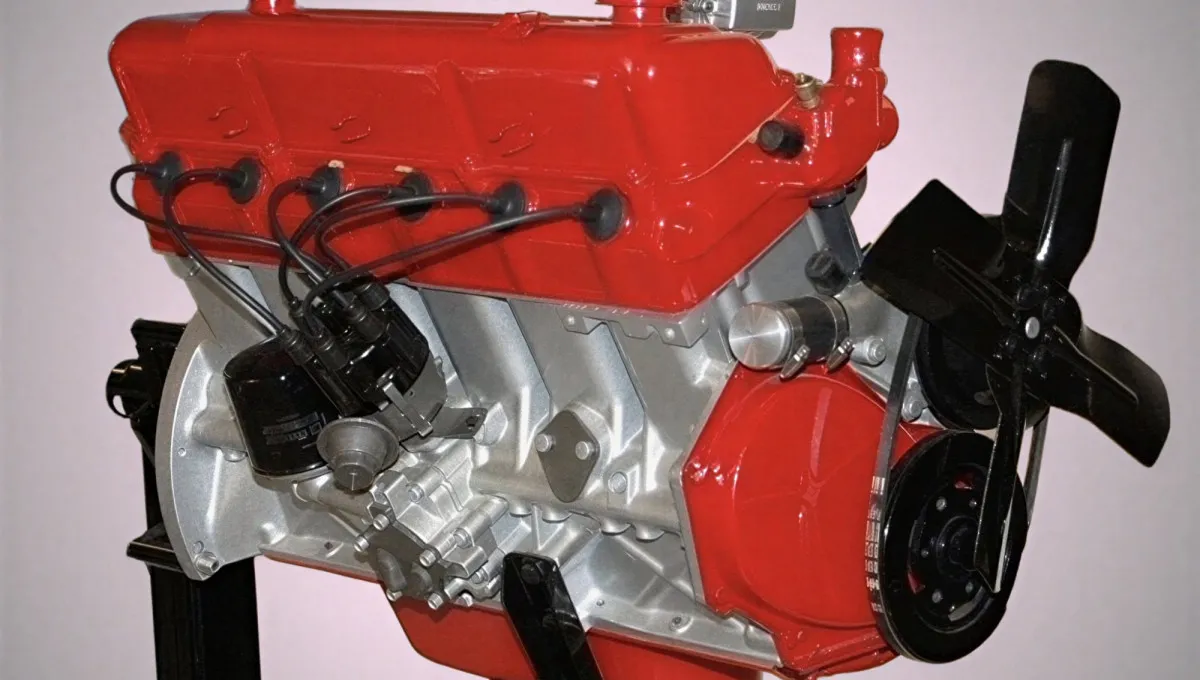
Chrysler's Aluminum Slant 6 Engine: The Lightweight Experiment of 1961–1963
Chrysler built more than 50,000 cars with an aluminum-block Slant 6 before production challenges brought the project to an end.