
Classic Ford Mustang Turned Into EV With Tesla Autopilot
The electrified 1966 Mustang reportedly hits 60 mph in just 3.5 seconds using Tesla hardware.
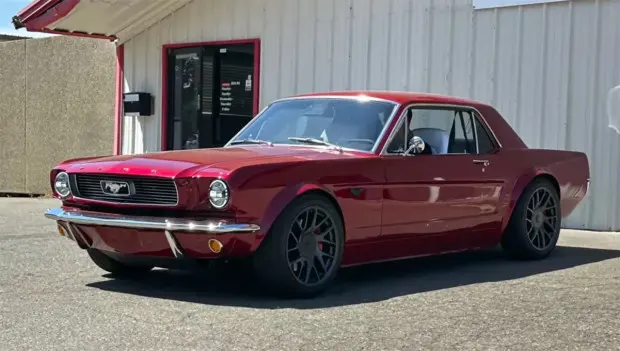
A 1966 Ford Mustang has been transformed into a fully electric restomod powered by Tesla components — including the company’s controversial Full Self-Driving system. According to its creator, the project may be the first non-Tesla vehicle ever equipped with fully functional Tesla FSD technology.
The custom build was created by California-based Calimotive Auto Recycling, a company specializing in Tesla parts and salvage vehicles. The shop’s owner purchased the classic Mustang in 2022 specifically for an EV conversion project.
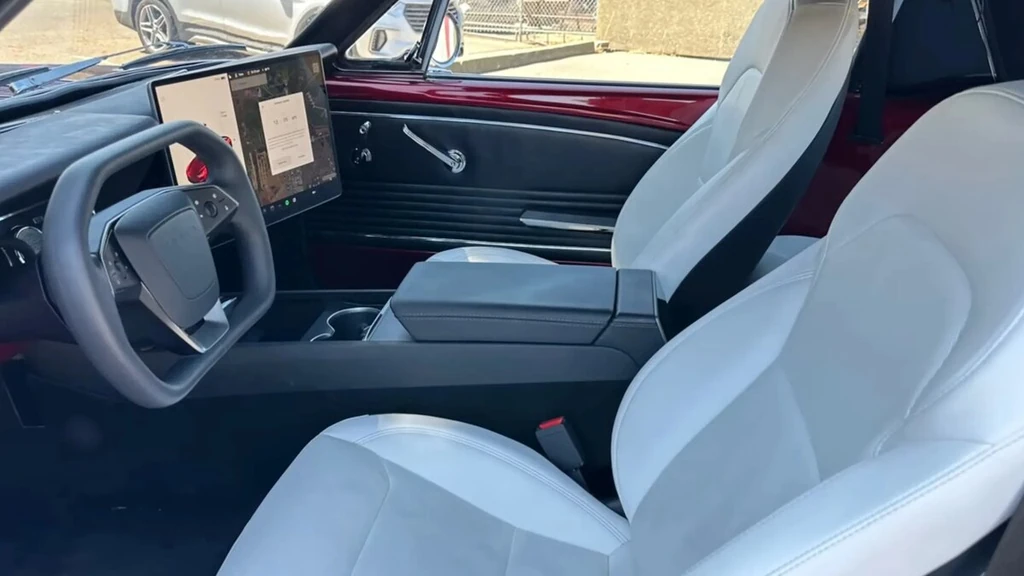
Initially, the plan involved using components from a Tesla Model S, but once the classic pony car was disassembled, engineers discovered that the battery pack from a Tesla Model 3 fit the chassis far more easily and required significantly fewer modifications.
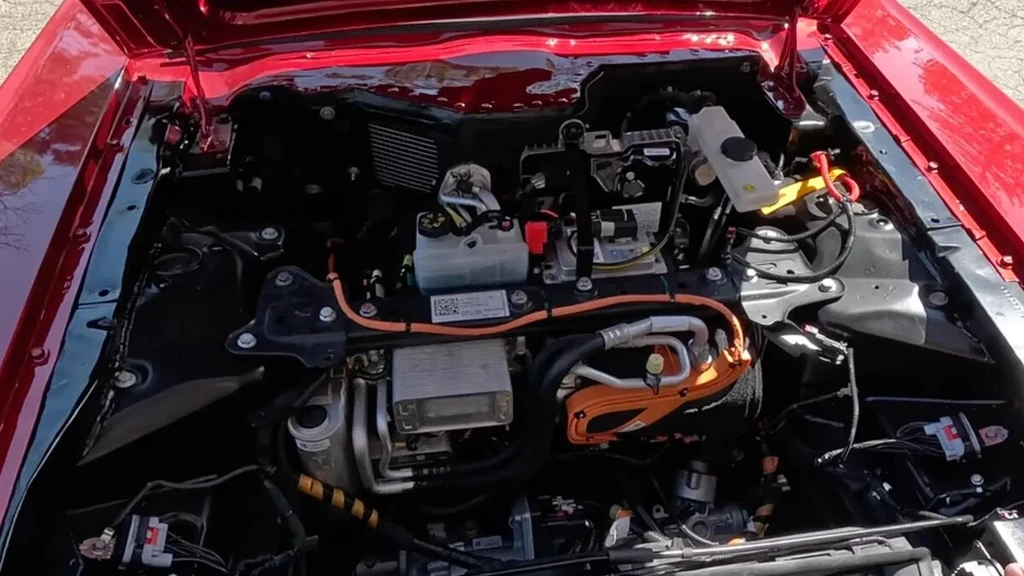
The finished build uses a dual-motor Tesla drivetrain producing roughly 500 horsepower, allowing the vintage Mustang to accelerate from 0 to 60 mph in approximately 3.5 seconds.
The Tesla integration goes far beyond just the motors and battery pack. The car also received seats from a Tesla Model 3, a steering wheel borrowed from the Tesla Cybertruck, a 15-inch infotainment touchscreen, surround-view cameras, and Tesla’s software ecosystem.
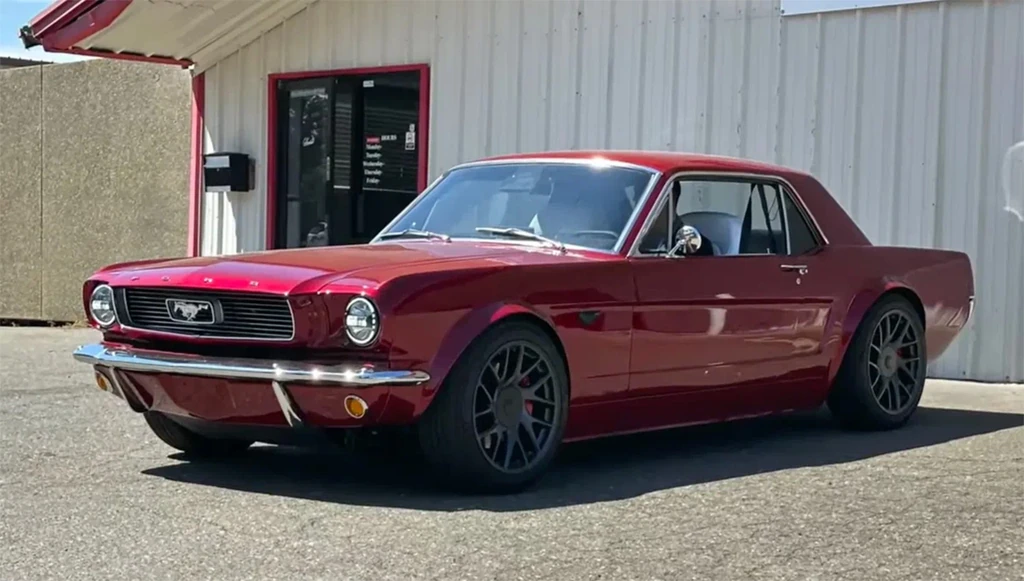
In addition to functioning Full Self-Driving capability, the electrified Mustang also supports Tesla’s Sentry Mode security system and over-the-air software updates. Despite all the modern technology hidden underneath, the exterior of the classic pony car remains largely unchanged.
The project reportedly took several years to complete and cost approximately $40,000. Its creator says there are currently no plans to sell the vehicle, jokingly referring to the Mustang as his “personal robotaxi.”
Classic Volkswagen Beetle Also Converted Into 600-HP EV Supercar
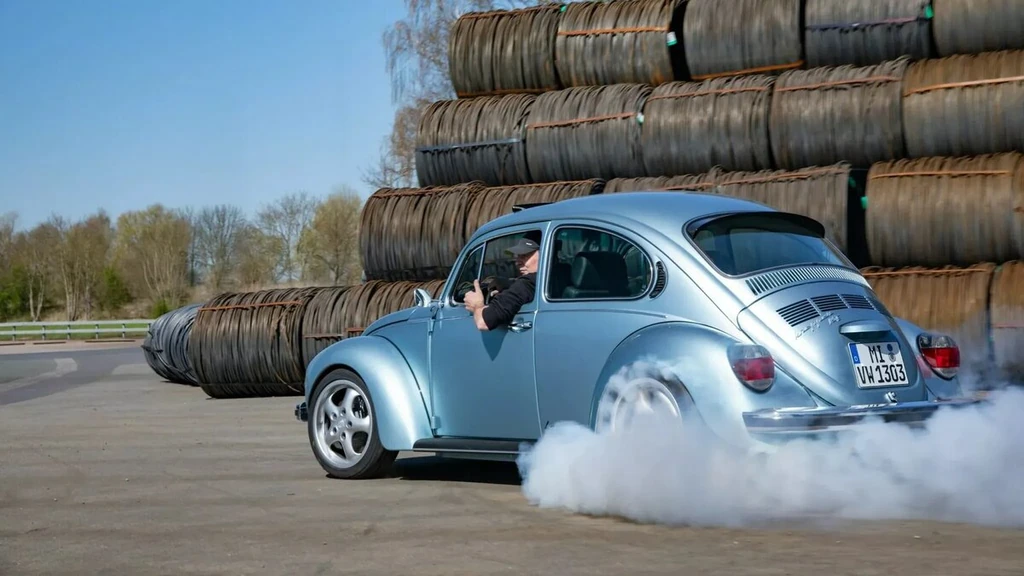
This isn’t the only vintage vehicle recently transformed with Tesla technology. Late last year, another heavily modified classic — a Volkswagen Beetle — was rebuilt into an all-electric supercar producing more than 600 horsepower.
That project combined drivetrain components from a Tesla Model S with a battery pack sourced from the Porsche Taycan.
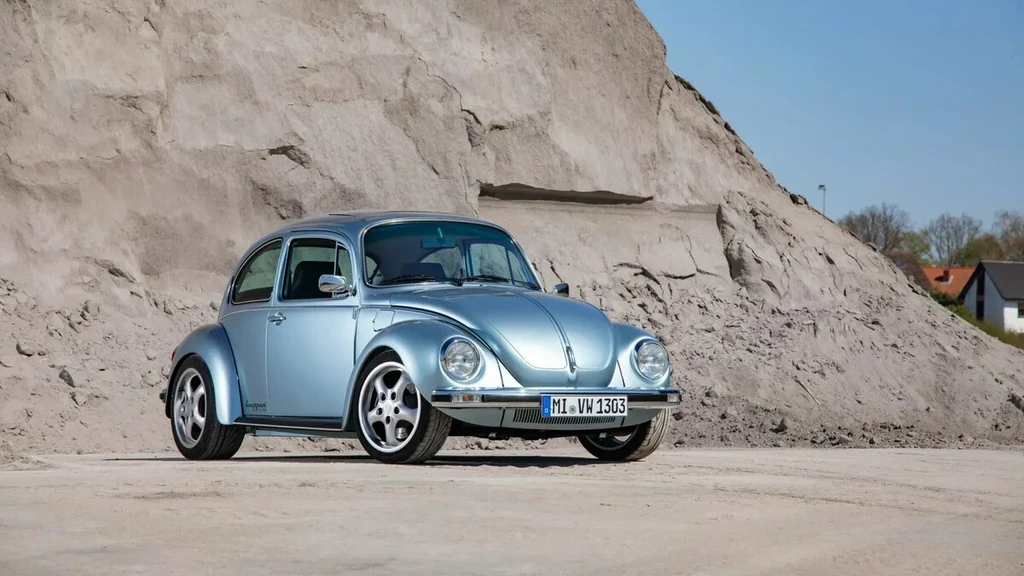
The original Beetle, reportedly sold new in the United States decades ago, was later discovered in a California junkyard before being shipped to Germany for a complete rebuild.
Its rear-mounted Tesla-derived electric motor now generates more than 600 horsepower and 516 lb-ft of torque after extensive modifications. Power is delivered through Porsche 930 driveline components, while the Taycan battery pack provides an estimated driving range of roughly 155 miles.
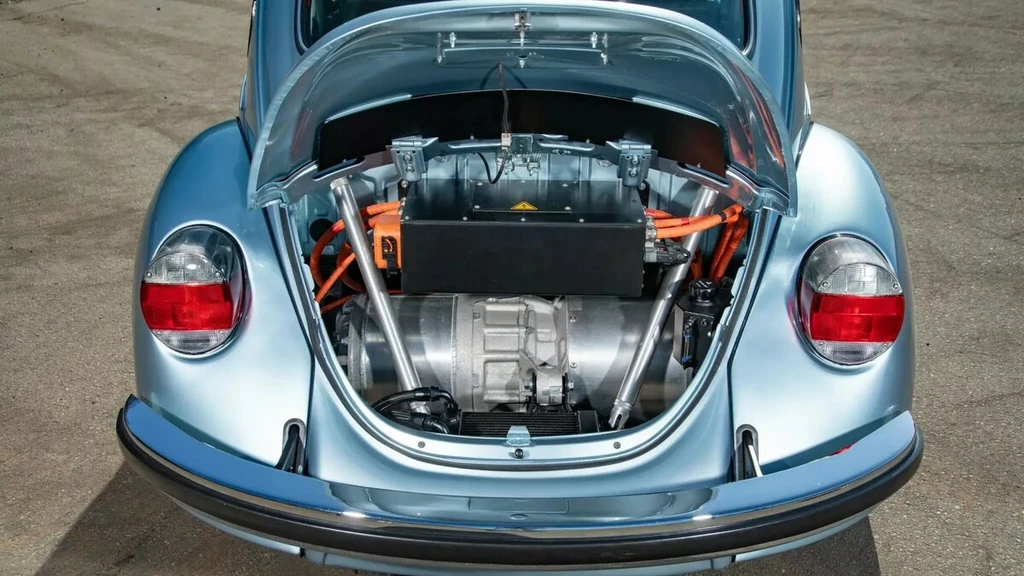
According to the builders, the electric Beetle can sprint from 0 to 62 mph in just 2.9 seconds — putting it in the same performance territory as the Lamborghini Temerario.
The suspension and braking systems were rebuilt using Porsche 944 hardware combined with aftermarket parts from KW and Bilstein. The ride height was lowered, while the body itself received a full restoration and repaint.
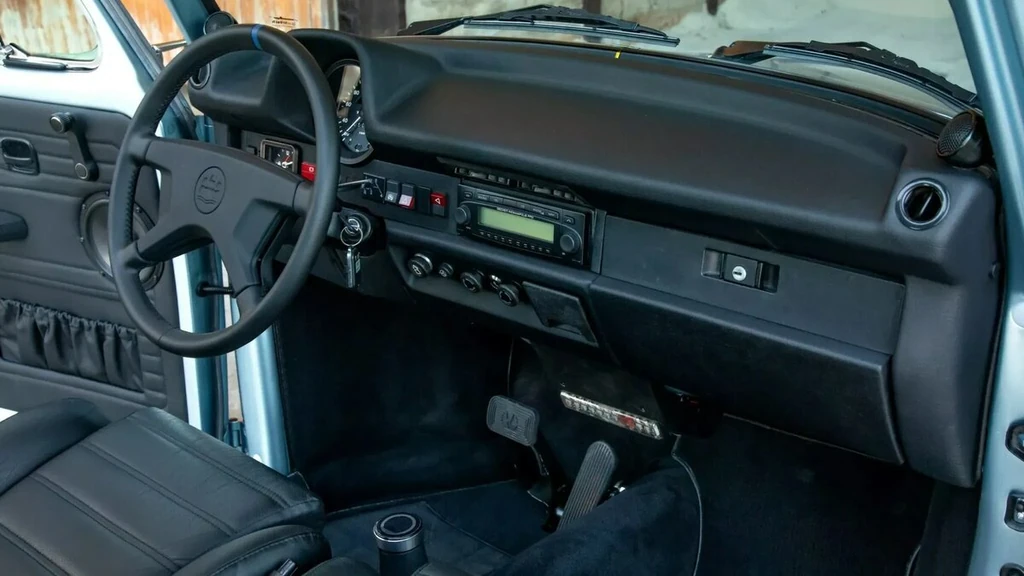
Inside, the cabin mostly retains its original Beetle character, aside from BMW 2002 sport seats and a compact touchscreen replacing the traditional gear selector.
You may also be interested in the news:
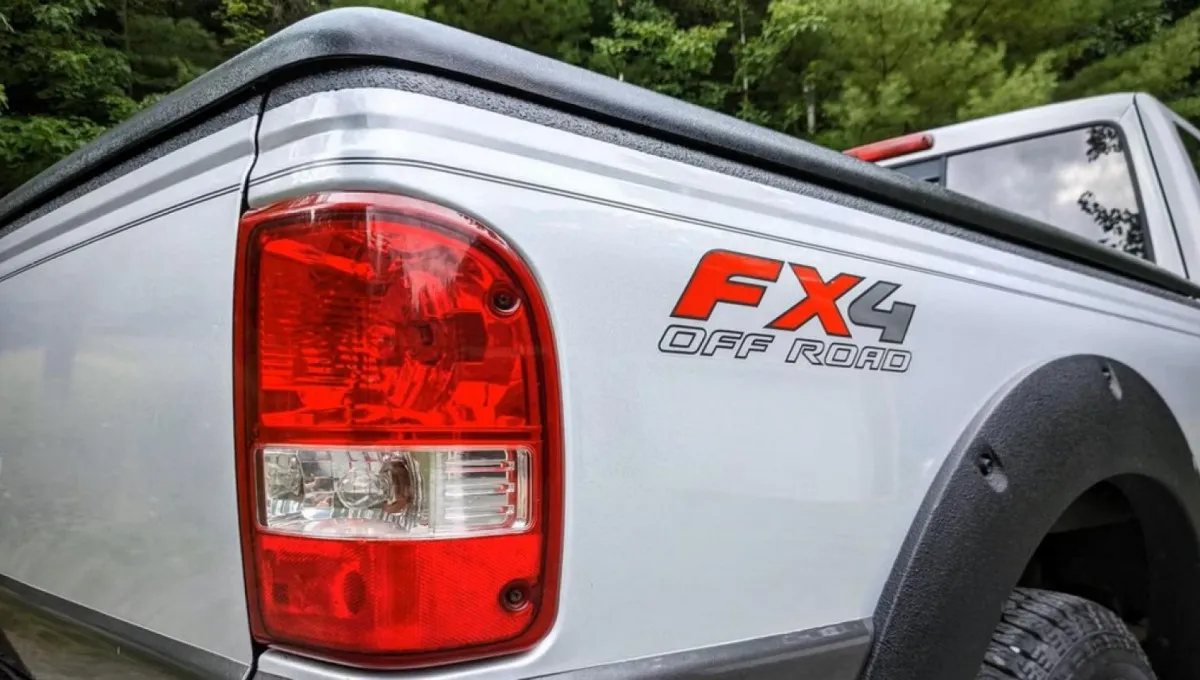
Ford Ranger FX4 Level II Was Cool Long Before the Raptor
Ford Built This Insane Ranger Years Before the Raptor—and Almost Nobody Remembers It
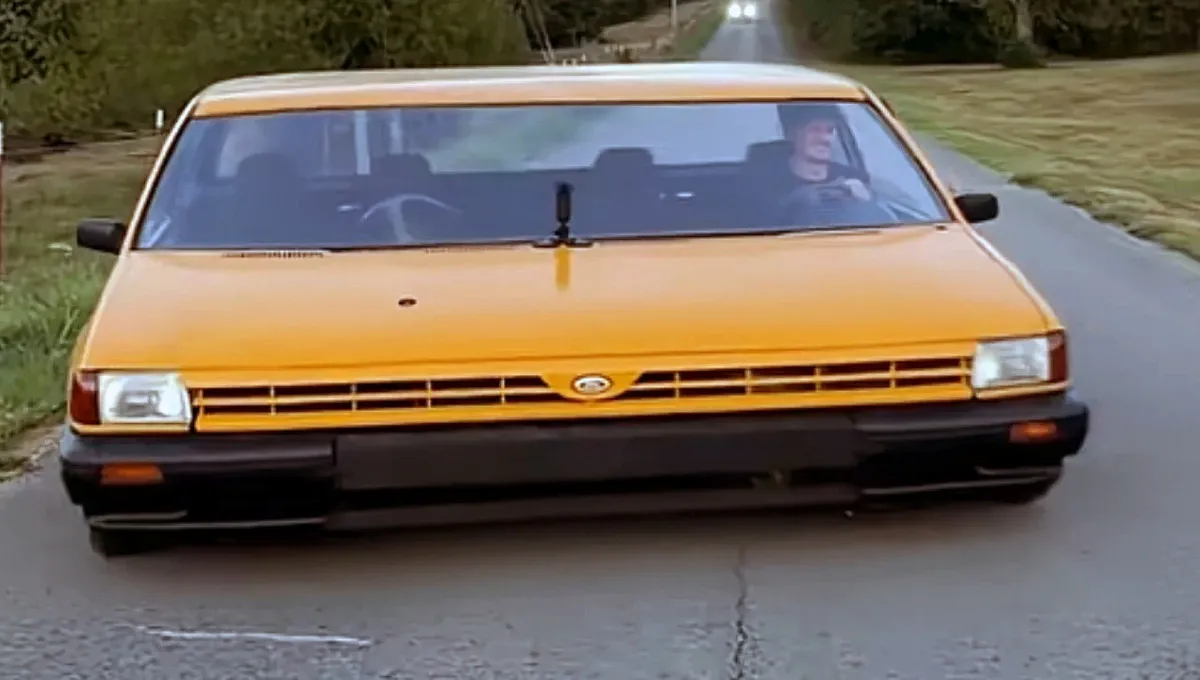
Tennessee Man Builds an Absurdly Wide Car Where Everyone Gets to Ride Shotgun
Tennessee creator Tyler Fever built an absurdly wide car after previously turning a Ford Festiva into a street-legal sliver.
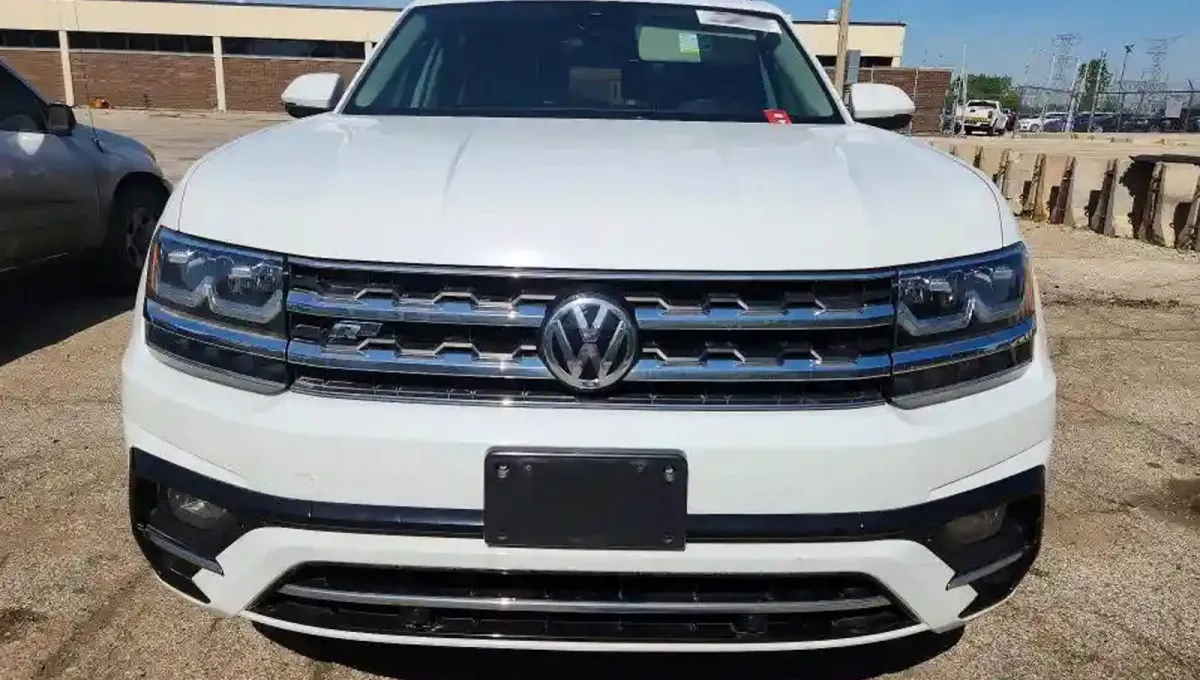
Volkswagen Recall Bombshell: 250,000+ Vehicles Hit by Steering Failure and Sudden Engine Stall Risks
Volkswagen is recalling more than 250,000 vehicles in the U.S. over steering, software and engine-stall concerns.
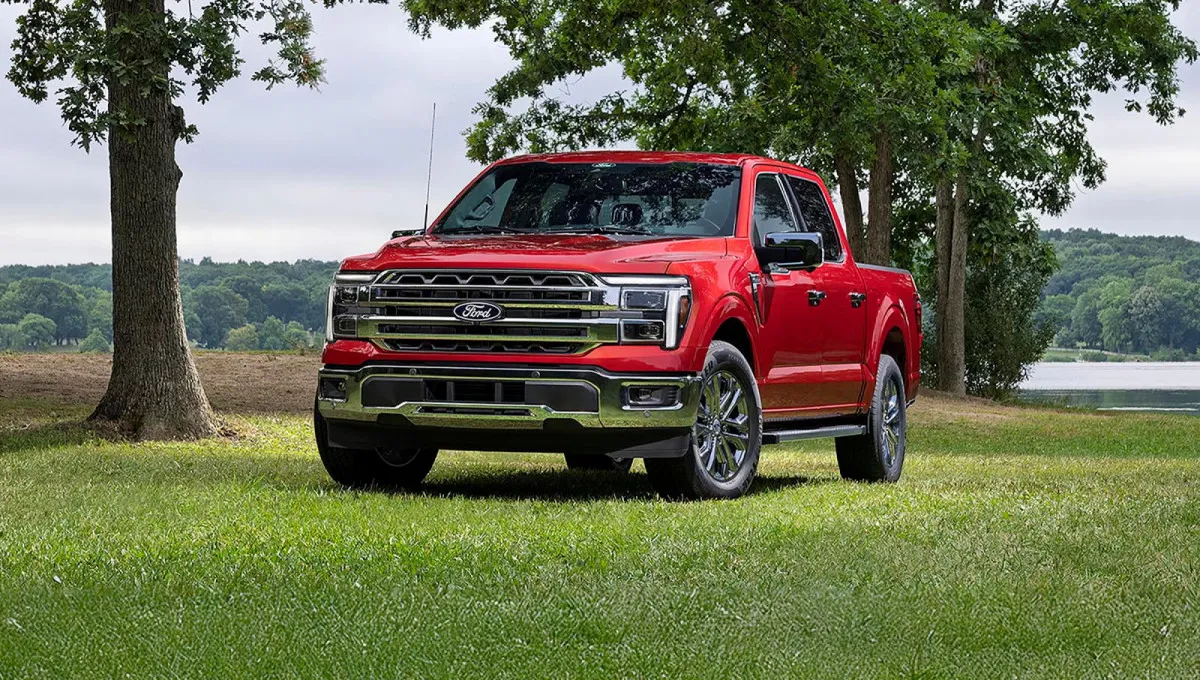
Ford Just Gave the 2027 F-150 a New Engine, Hands-Free Trailer Towing and a Carhartt Edition
Ford has updated the 2027 F-150 with a new V6, trailer-capable BlueCruise and a rugged Carhartt special edition.
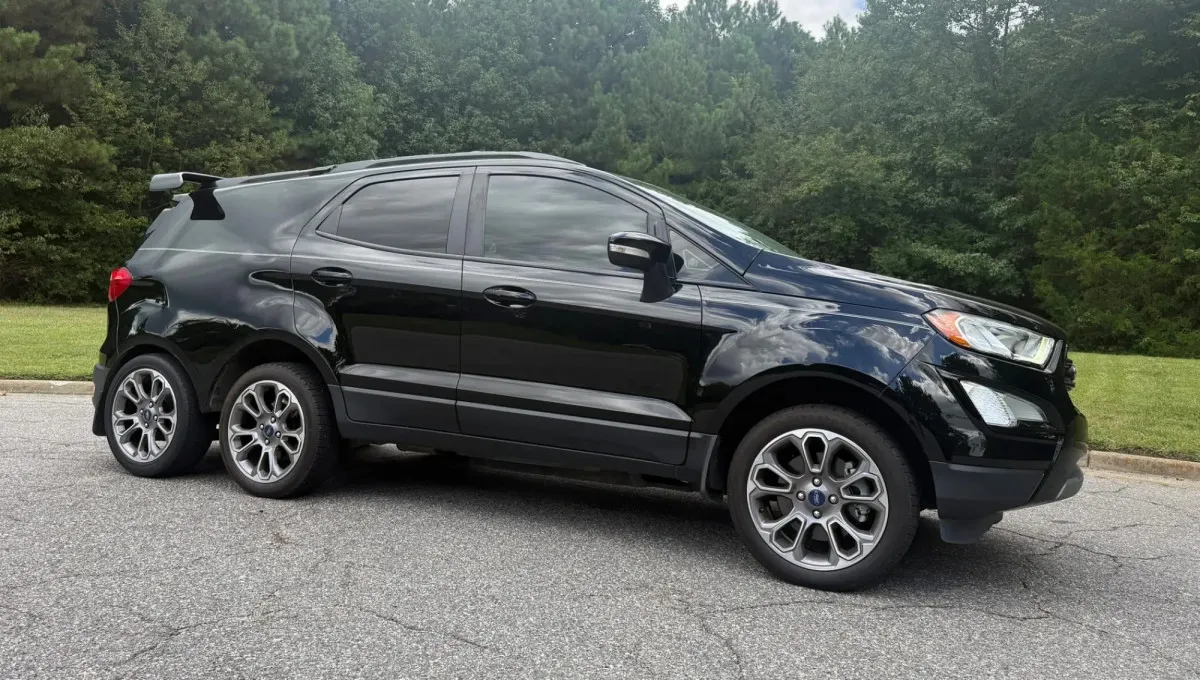
Someone Turned a Ford EcoSport Into a Six-Wheeled SUV — And It's Selling for Just $7,000
An extremely unusual six-wheeled conversion of Ford’s compact crossover has landed on the Bring a Trailer auction block.