
Experts Took a Closer Look at Honda’s L15B7 Engine — and Found Several Serious Weak Spots
Honda’s turbocharged 1.5-liter L15B7 engine delivers strong power, but owners and mechanics keep reporting costly reliability problems.
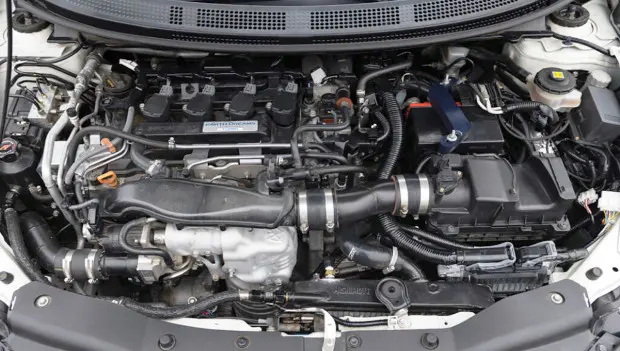
For decades, Honda Motor Company built its reputation around reliability. A huge part of that image came from the company’s famously durable engines, especially the legendary B-series and K-series powerplants that earned loyal followings worldwide.
But not every Honda engine became a success story.
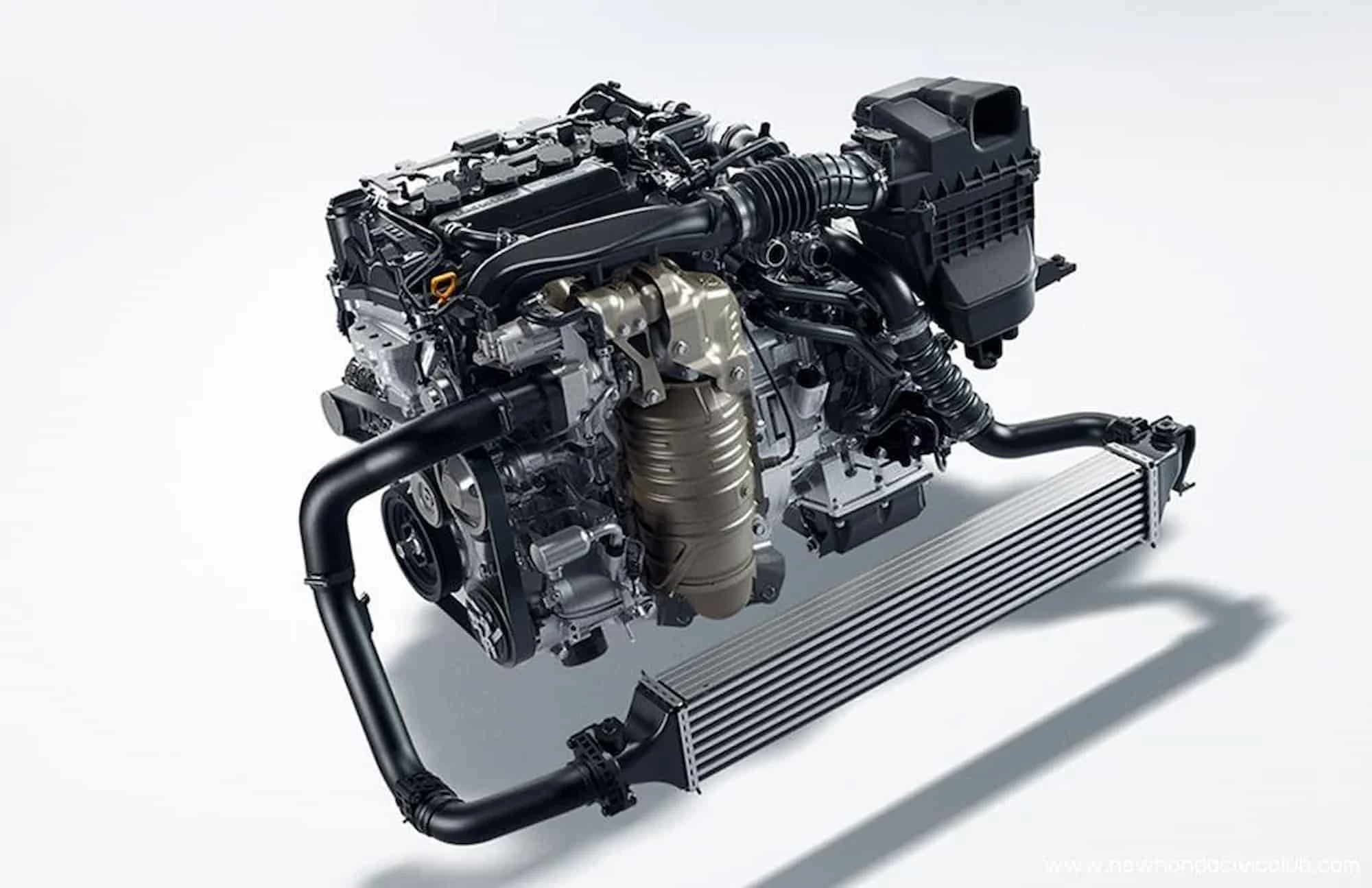
One motor that continues to spark debate among owners and mechanics is the L15B7 — a turbocharged 1.5-liter four-cylinder from Honda’s L-series family. Despite producing impressive power figures ranging from 175 to more than 200 horsepower depending on application, the engine has also developed a reputation for several frustrating mechanical issues.
Automotive outlet Jalopnik even described the L15B7 as one of the worst engines Honda has ever built.
One of the biggest complaints involves fuel dilution in the engine oil, especially in colder climates like Canada, Russia, and northern U.S. states.
The issue happens when gasoline fails to fully evaporate during short trips or insufficient warm-ups, allowing fuel to mix with the engine oil. Once that happens, the oil loses part of its protective properties, reducing lubrication inside the engine.
The problem became even more noticeable because the L15B7 uses direct fuel injection, where fuel sprays directly into the combustion chamber. Cold starts, long idling periods, and repeated short-distance driving could all accelerate wear inside the engine.
But fuel dilution wasn’t the only concern.
Owners of vehicles equipped with the L15B7 — including versions of the Honda Civic, Honda Accord, and Honda CR-V — also reported carbon buildup issues. Excess carbon deposits could lead to rough idle, uneven engine operation, and sluggish throttle response.
And unfortunately, the list doesn’t stop there.
Some owners experienced failed head gaskets, particularly on modified engines running increased turbo boost pressure. While tuning helped unlock additional performance, it also exposed weaknesses in the engine’s design.
American automotive experts have also linked the L15B7 to wastegate actuator failures, excessive oil consumpton, timing chain wear, and occasional coolant leaks.
What makes the story more complicated is that not every owner has had problems.
In fact, many drivers report years of completely trouble-free operation, suggesting proper maintenance plays a major role in the engine’s long-term reliability. Frequent oil changes, allowing the engine to warm up properly, and avoiding constant short trips appear to reduce many of the known issues.
Even so, Honda still has other engines that enthusiasts and mechanics consider nearly bulletproof. Some older Honda powerplants are famous for surviving hundreds of thousands of miles with very little attention beyond routine maintenance.
Under the right circumstances, certain Honda engines have even crossed the 370,000-mile mark while still running strong — something the L15B7 may never fully achieve in the eyes of skeptics.
You may also be interested in the news:
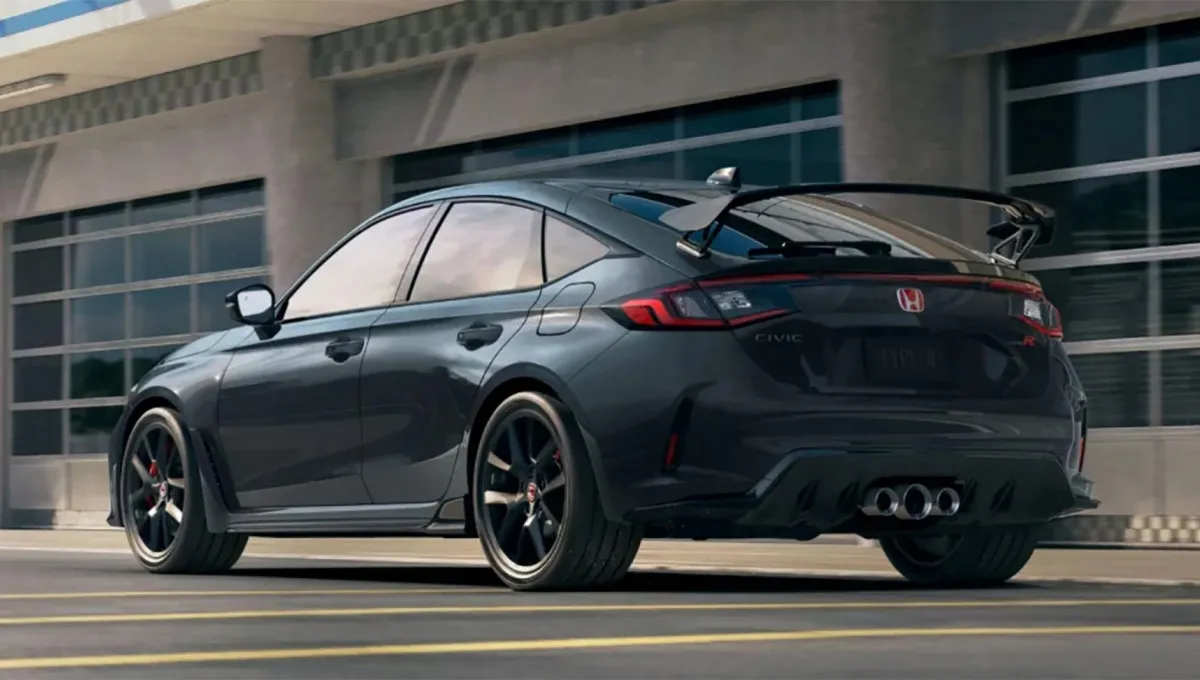
Updated Honda Civic Type R Arrives in the U.S. at $48,695 With Sharper Handling and More Comfort
Official pricing and specifications have been announced.

Honda Is Rethinking Its Future SUVs—and a Massive New Ohio Plant Is Coming
Honda is planning a major Ohio expansion as it shifts its future lineup toward larger hybrid SUVs.

GM Just Unleashed an 8.3-Liter Diesel V8 to Take on Ford’s 1,200-Lb-Ft Power Stroke
General Motors has confirmed an all-new 8.3-liter Duramax V8 diesel called Mongoose for the 2027 Silverado HD and Sierra HD.
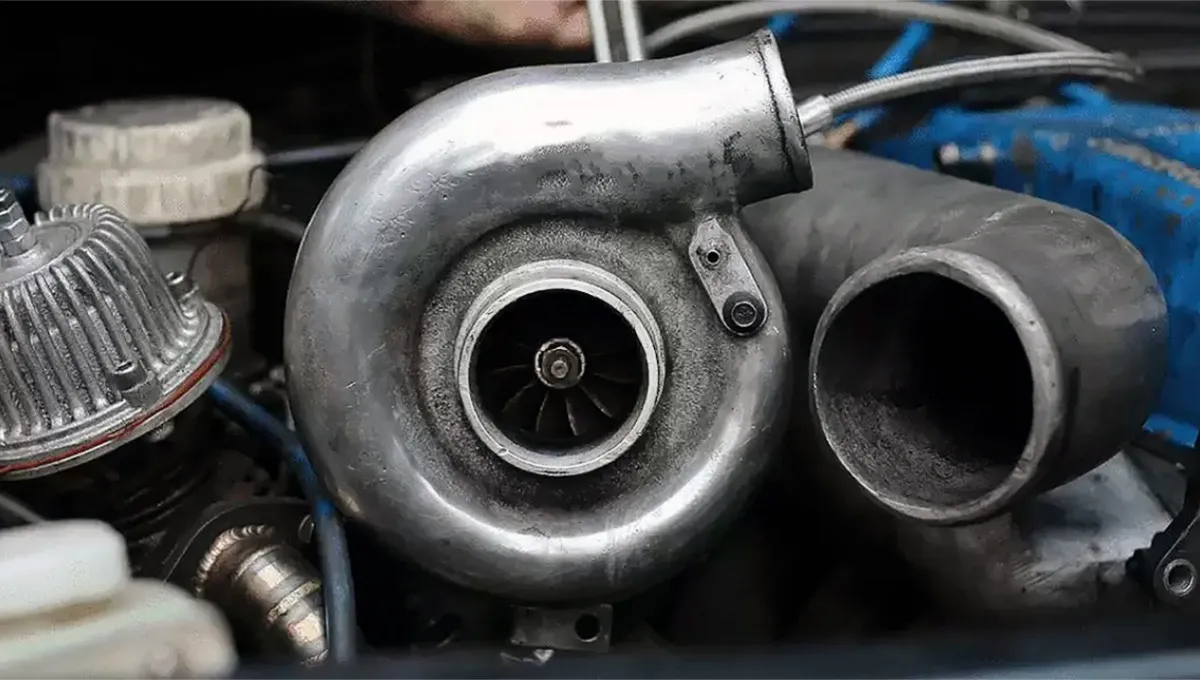
Why Small Turbo Engines Are Replacing Big V8s—and What It Means for Your Next Car
Turbochargers let automakers squeeze big-engine performance from smaller engines—but the technology comes with trade-offs.
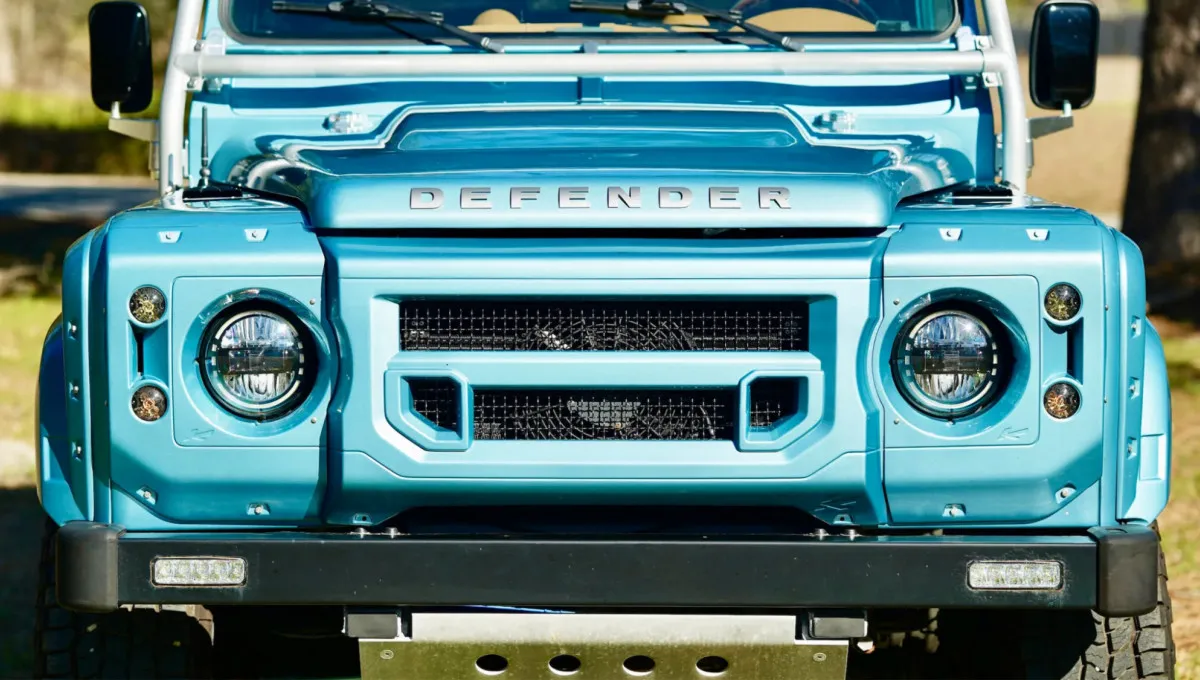
American Heart, British Body: Defender Just Got a Corvette V8—and It’s a $210,000 Beast
Osprey Custom has unveiled its latest restomod project, giving a classic Land Rover Defender a powerful Corvette V8 and modern upgrades.