
Why So Many Americans Put Snake Decals on Their Cars
Snake decals are appearing on more American vehicles, but the reasons behind the trend are often misunderstood entirely.
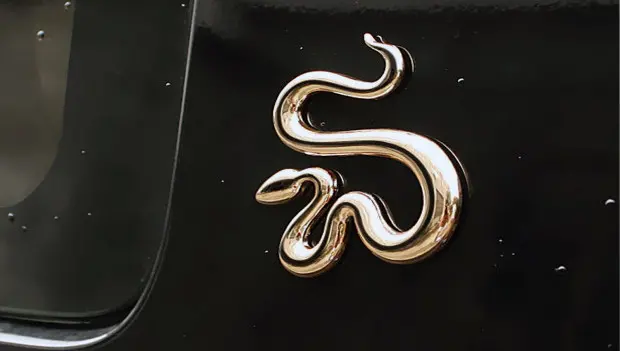
If you've spent time on American highways recently, you've probably noticed something unusual. Snake decals are showing up everywhere — on pickup trucks, muscle cars, SUVs, and even daily-driven family vehicles. While many people assume these graphics carry a single political message, conversations among vehicle owners suggest the reality is far more complicated.
In fact, there isn't just one snake decal.
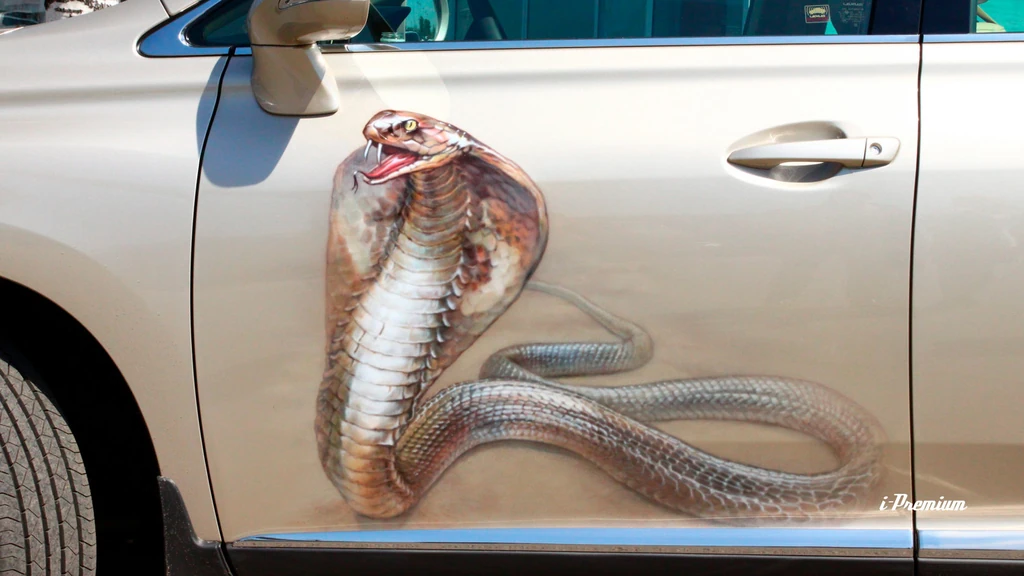
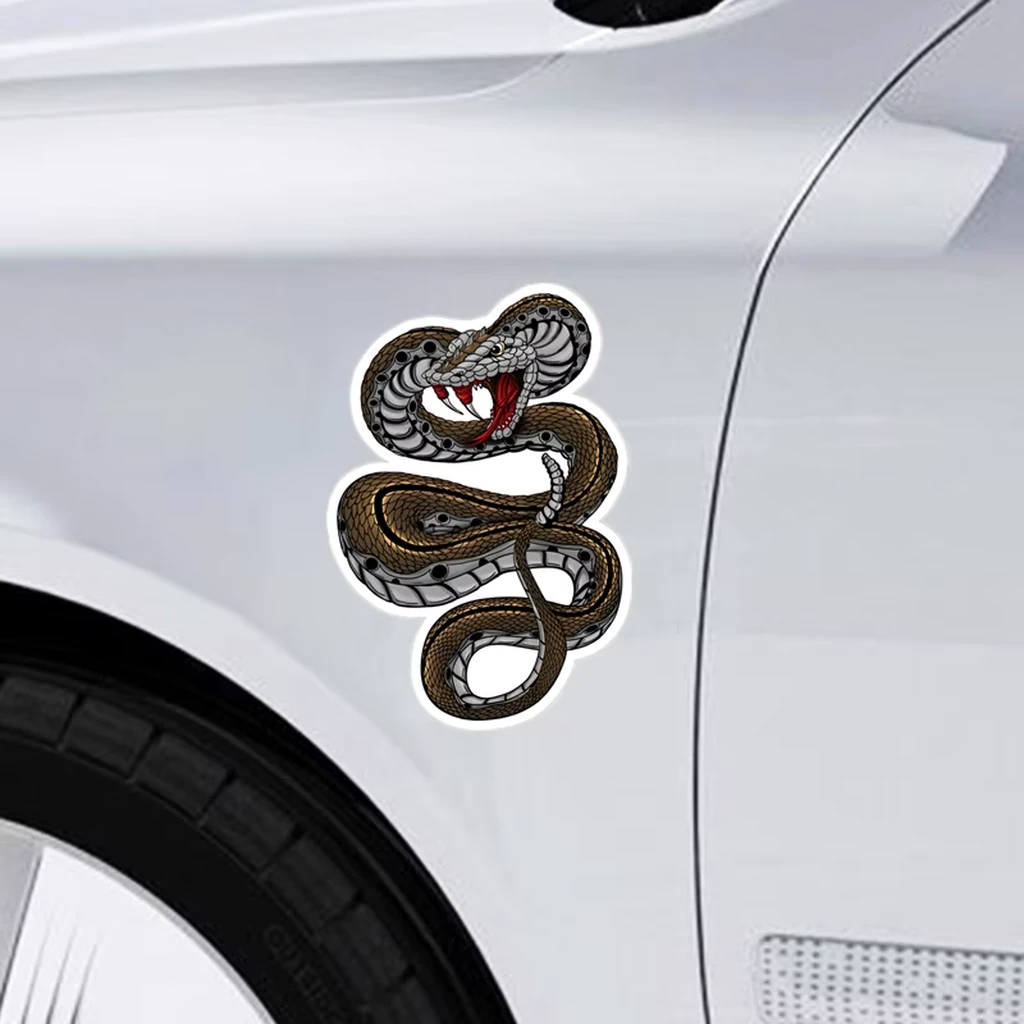
Some drivers display the famous rattlesnake from the historic "Don't Tread on Me" flag. Others prefer Cobra logos inspired by Shelby Mustangs. Many choose custom snake graphics simply because they like the aggressive appearance. The growing popularity of snake-themed automotive decals reflects a mix of history, performance culture, patriotism, personal identity, and vehicle customization.
Automotive forums, truck-owner communities, Mustang groups, and social media discussions reveal that Americans attach very different meanings to the same symbol.
One of the most common explanations is surprisingly simple: people like the way it looks.
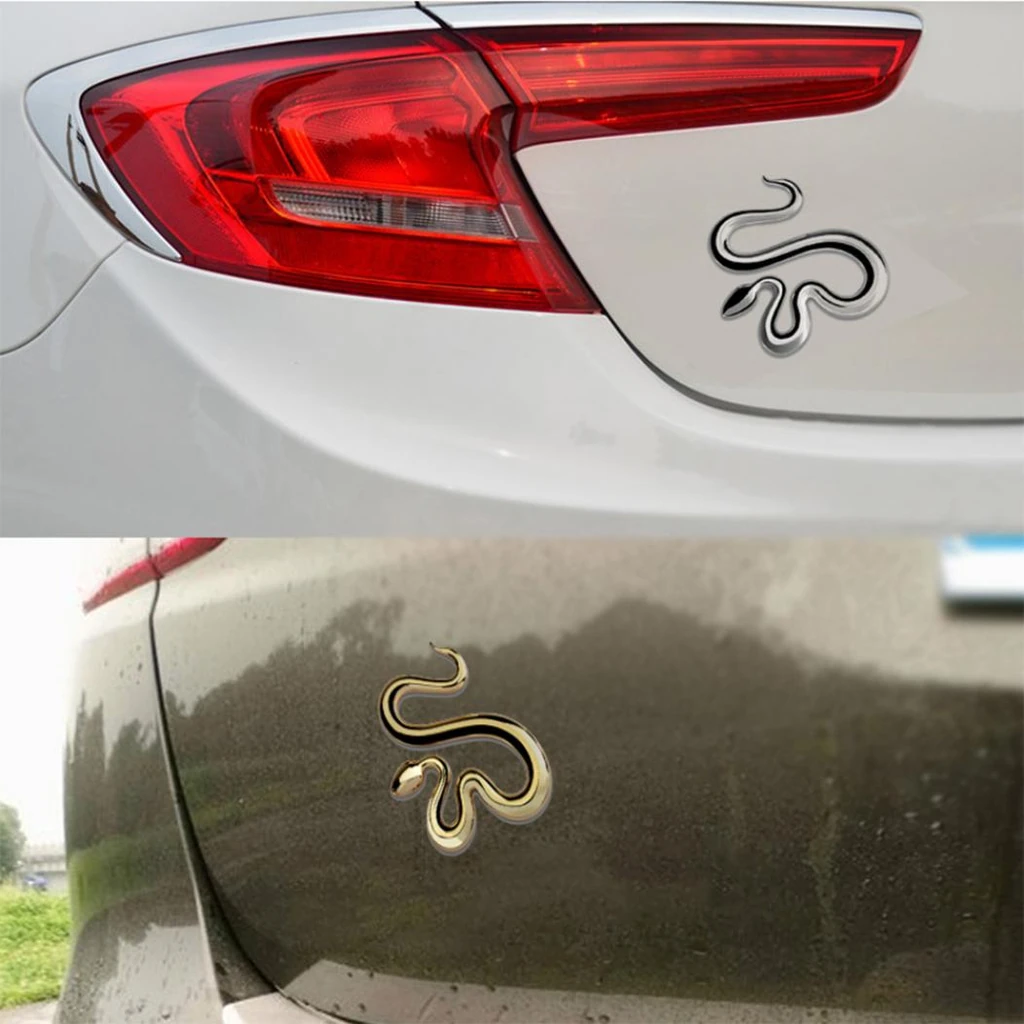
Owners frequently describe snake graphics as bold, aggressive, and instantly recognizable. For drivers who spend thousands of dollars modifying their vehicles, a decal is often viewed as another styling element, no different from aftermarket wheels, window tint, or custom lighting. Many enthusiasts say they chose the design because it complements the muscular appearance of their vehicle rather than because of any deeper symbolism.
Performance cars play a major role in the trend as well.
For decades, the Cobra has been associated with high-performance Shelby Mustangs. The image became one of the most recognizable symbols in American performance-car culture, representing speed, horsepower, and racing heritage. Over time, the Cobra logo expanded beyond Shelby owners. Today, it's common to see snake graphics on vehicles that have no direct connection to the Shelby brand.
Among muscle-car enthusiasts, the image often serves as a visual shorthand for performance. A snake on the rear decklid or quarter panel tells other enthusiasts that the owner appreciates American horsepower culture.
Pickup truck owners have also embraced the trend.
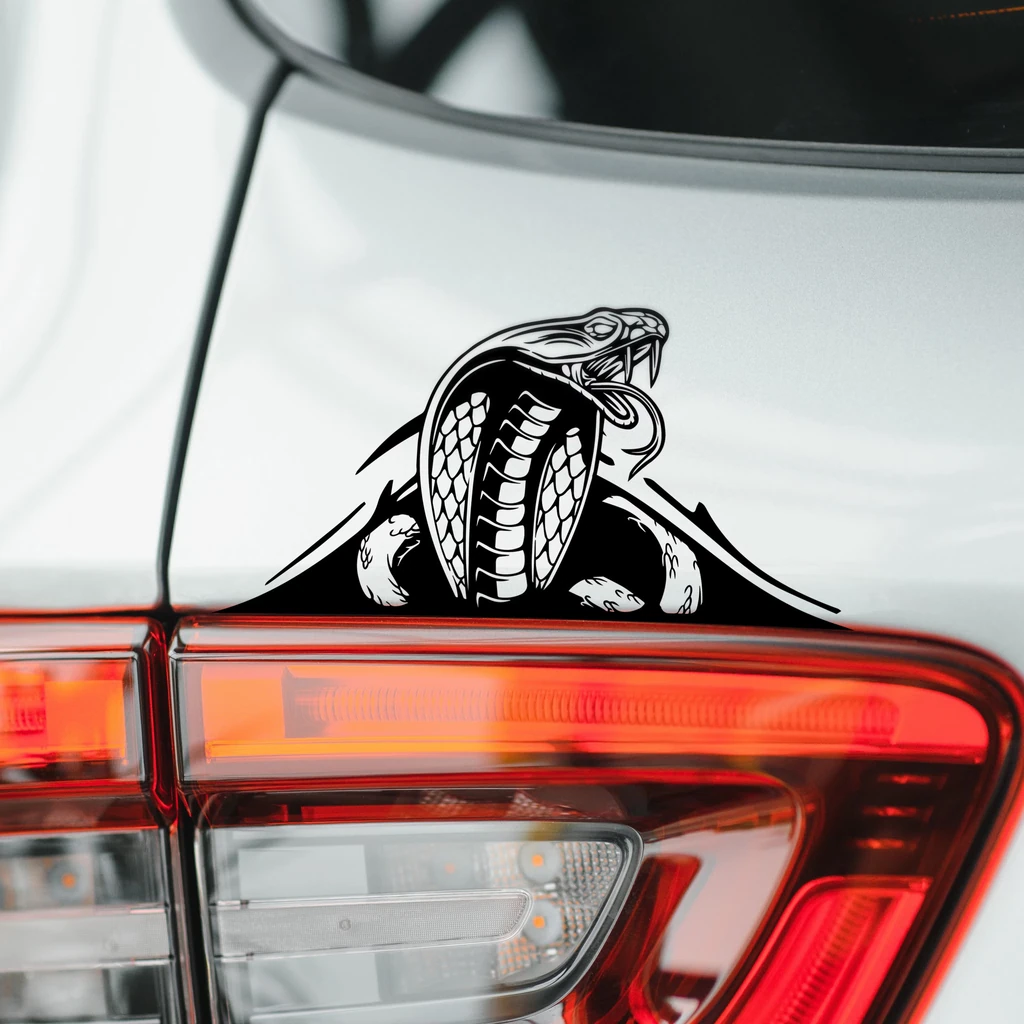
In truck communities, especially among owners of full-size pickups, snake decals often function as a badge of individuality. Drivers use them to personalize vehicles that might otherwise look similar to thousands of others on the road. With full-size pickups remaining America's best-selling vehicles, even a small customization trend can become highly visible nationwide.
Historical symbolism remains another important factor.
The rattlesnake featured on the Gadsden Flag dates back to the American Revolution and has long been associated with independence and self-determination. Some drivers display the symbol because they see it as a connection to American history rather than contemporary politics. For these vehicle owners, the decal serves as a patriotic emblem comparable to displaying the Stars and Stripes.
At the same time, the symbol has taken on additional meanings in modern America.
Many vehicle owners describe the "Don't Tread on Me" rattlesnake as a statement about personal freedom and individual rights. In online discussions, drivers frequently explain that the decal reflects a belief in self-reliance and limited outside interference in their personal lives. For them, the symbol represents independence more than any specific political movement.
That interpretation, however, is not universal.
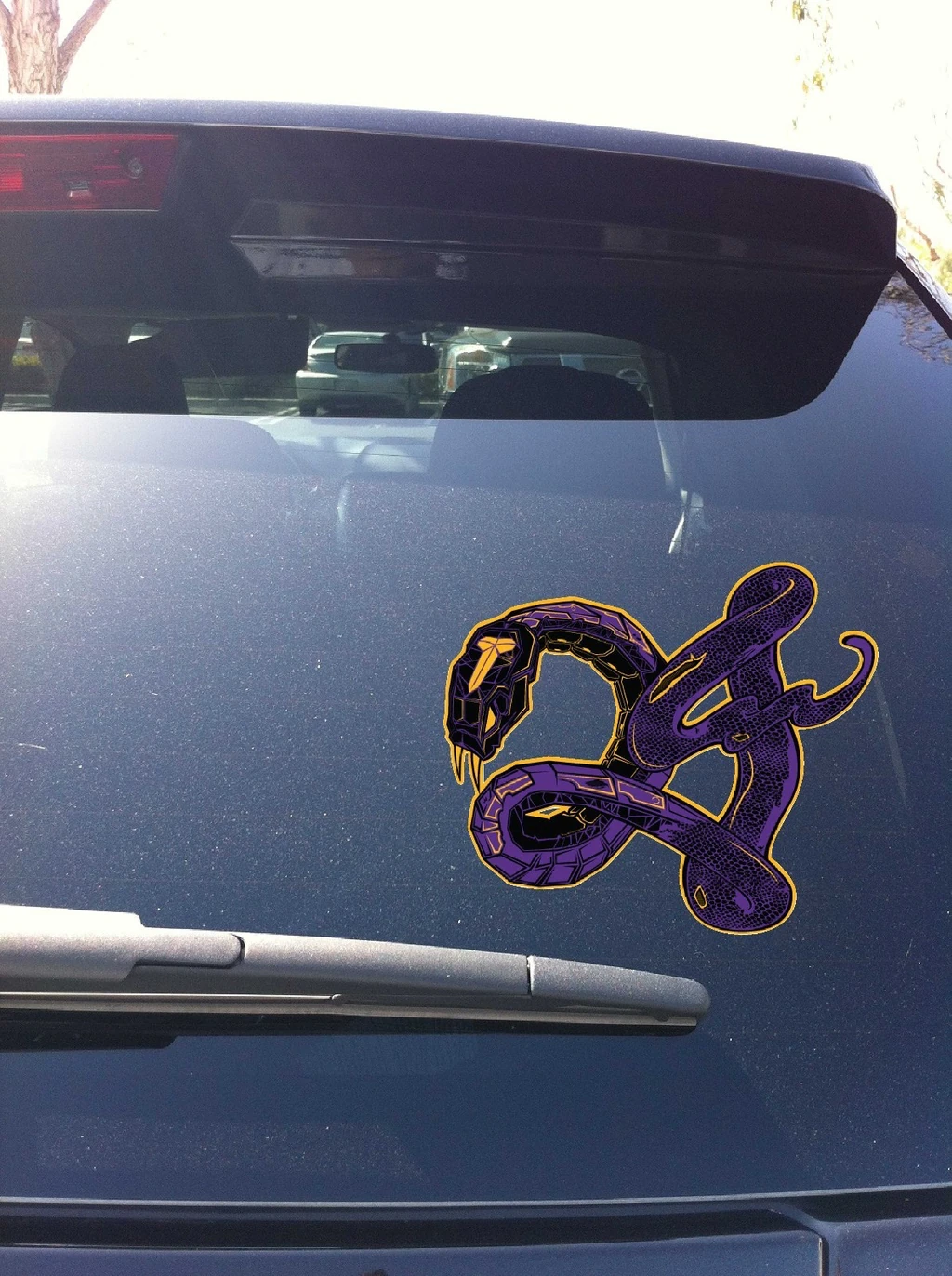
As the rattlesnake has appeared in various political movements over the past two decades, some Americans now associate it with particular ideological viewpoints. This has created a situation where two people may look at the same decal and see entirely different meanings. Yet even among owners who display the symbol, there is often disagreement about what it represents.
Automotive culture itself may be the biggest reason snake decals continue to thrive.
American car enthusiasts have always used their vehicles as personal statements. From racing stripes and custom badges to oversized wheels and specialty license plates, motorists regularly modify their vehicles to reflect their personalities. Snake graphics fit naturally into that tradition because they combine visual impact with a wide range of possible interpretations.
The trend also benefits from its versatility. A Cobra logo may look perfectly at home on a Ford Mustang, while a rattlesnake graphic can complement a lifted pickup truck or an off-road SUV. Unlike many customization trends that come and go, snake imagery has remained relevant across multiple generations of vehicles.
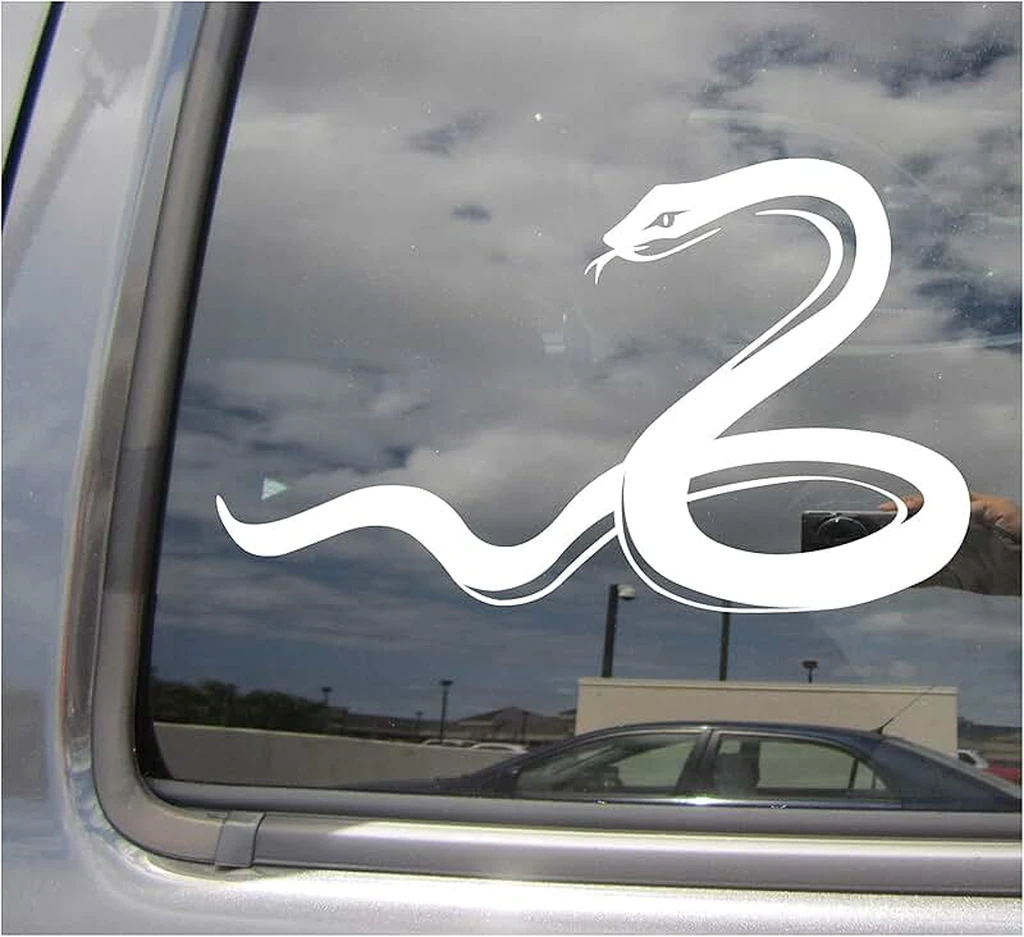
The result is a symbol that continues to evolve.
Today, a snake decal on the back of a vehicle might represent American history, performance-car heritage, personal freedom, patriotism, automotive individuality, or simply a driver's appreciation for a striking design. That's precisely why the trend has endured for decades.
So the next time you spot a snake on the tailgate of a pickup or the trunk of a muscle car, don't assume you know the owner's message. Chances are, the meaning is far more personal than it appears at first glance.
You may also be interested in the news:
Volkswagen Recall Hits 250,000+ Vehicles Over Steering Failure and Sudden Engine Stall Risks
Volkswagen is recalling more than 250,000 vehicles in the U.S. over steering, software and engine-stall concerns.
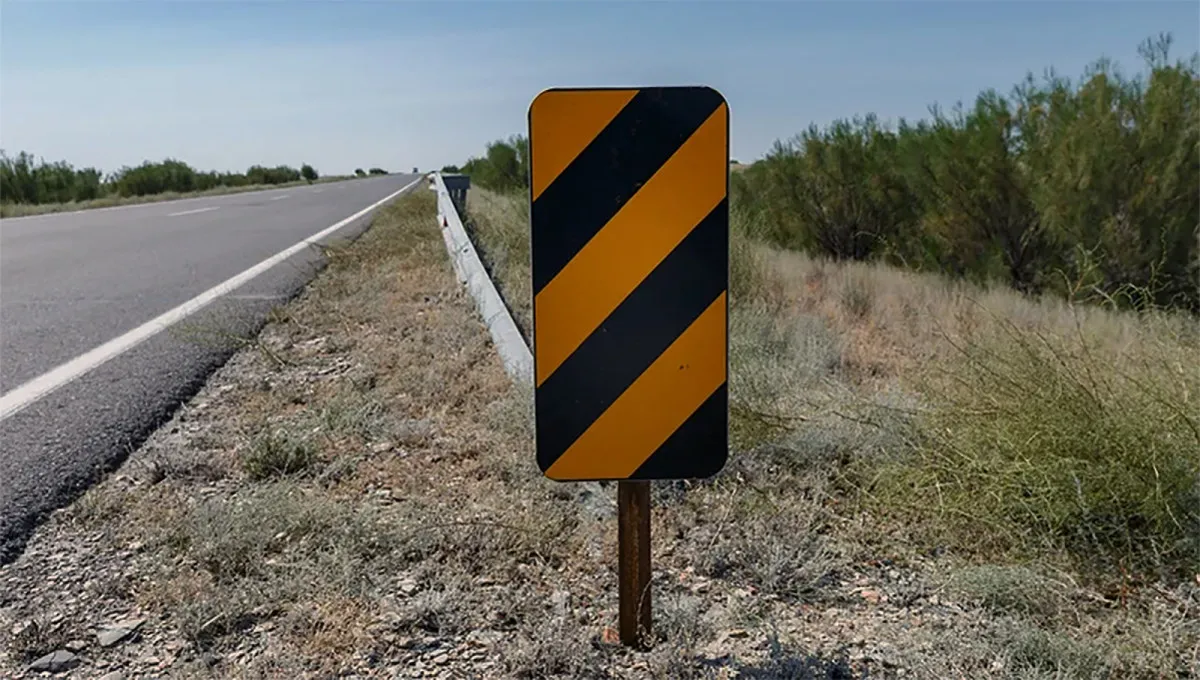
You've Seen These Black-and-Yellow Road Markers—But Do You Know What They Really Mean?
Those familiar black-and-yellow road markers quietly tell drivers which direction to take around roadside obstacles.
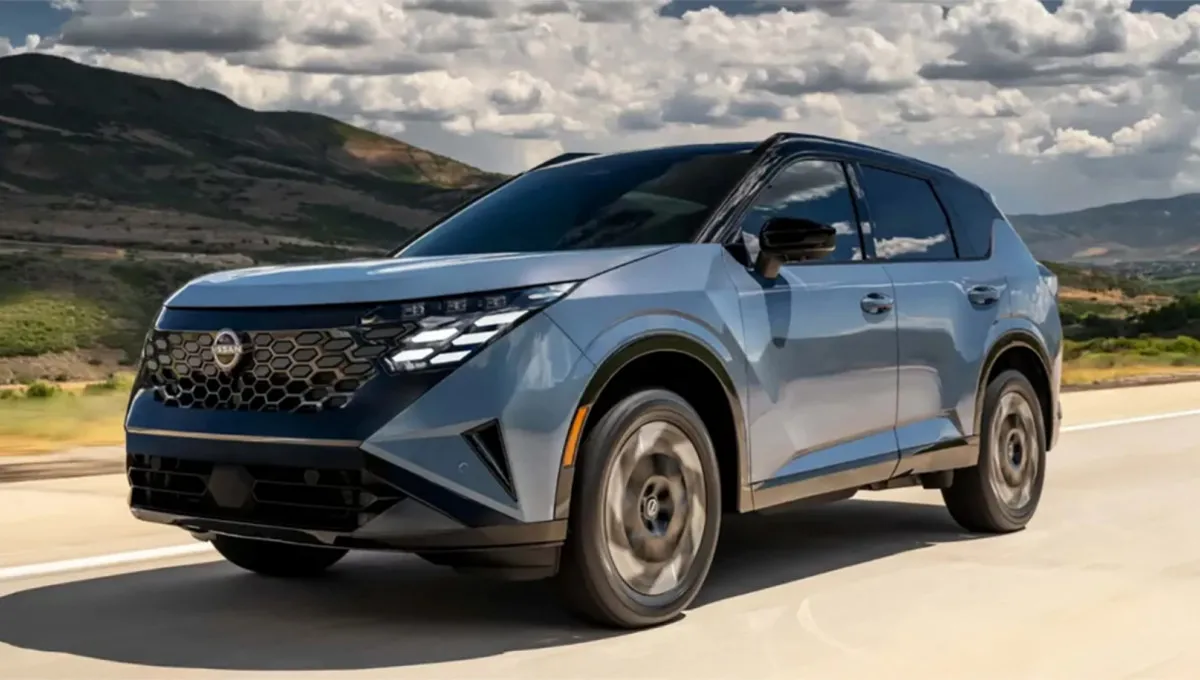
The New Nissan Rogue Is Here—and Its Hybrid Powertrain Changes Everything
The new Nissan Rogue makes its U.S. debut with a ground-up Nissan design and an all-new hybrid powertrain built around electric motors.
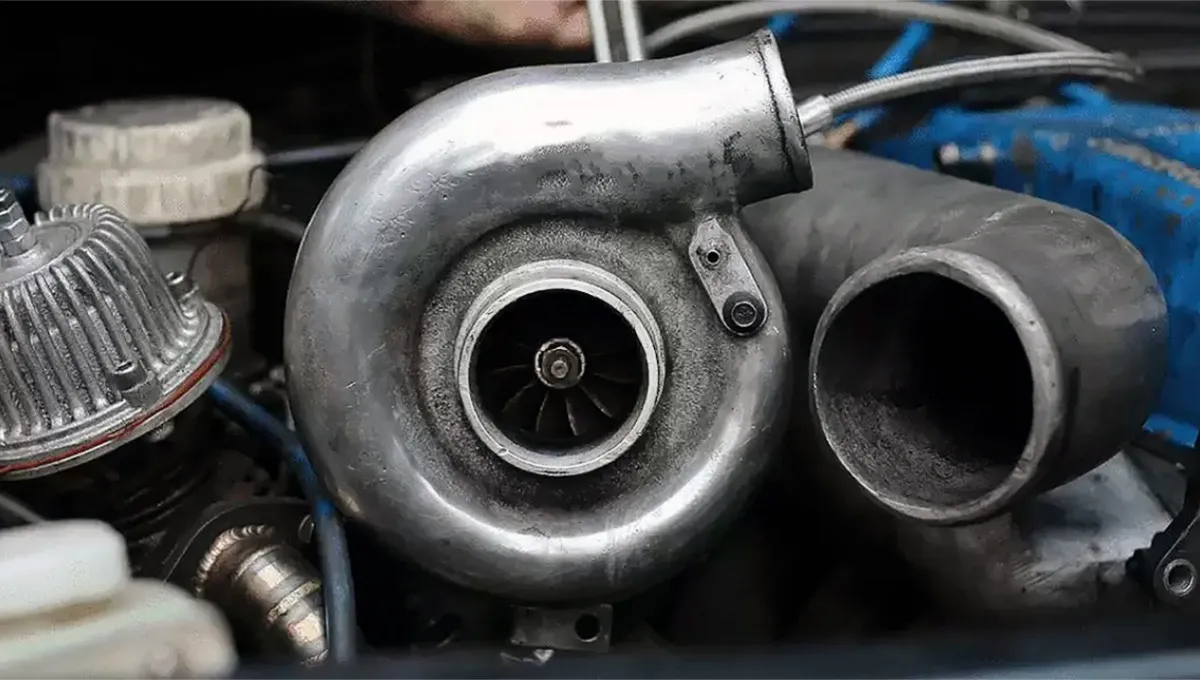
Why Small Turbo Engines Are Replacing Big V8s—and What It Means for Your Next Car
Turbochargers let automakers squeeze big-engine performance from smaller engines—but the technology comes with trade-offs.
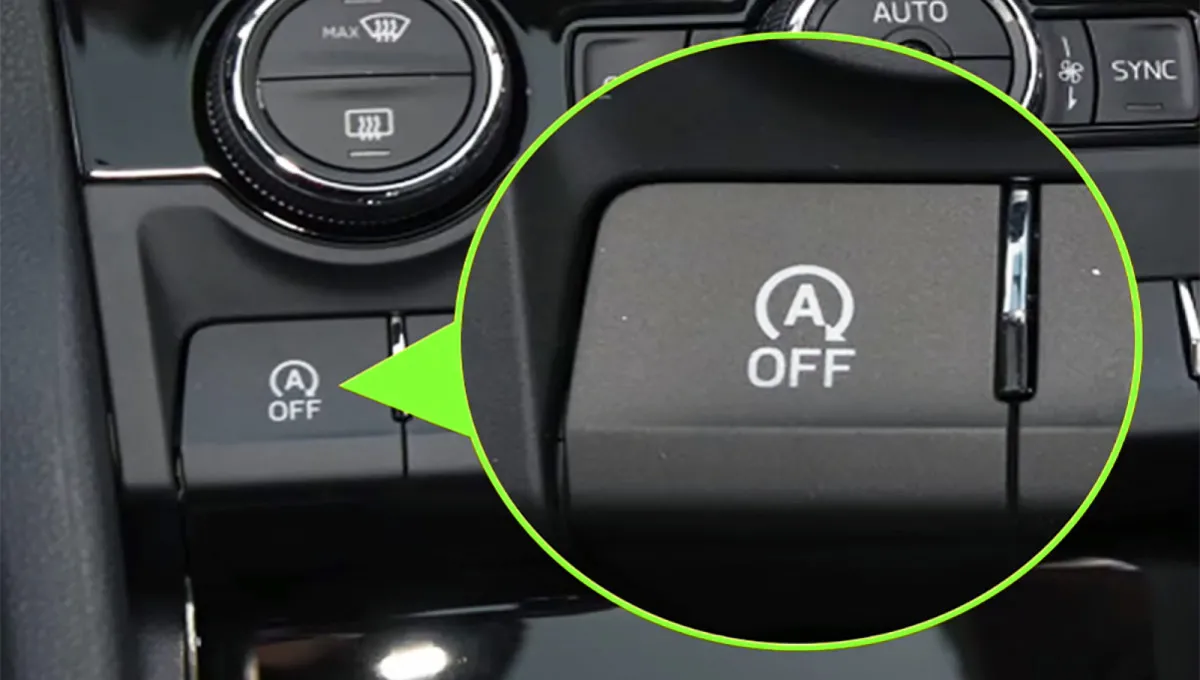
Start/Stop Systems Are Everywhere — But Are They Really Saving You Gas or Wearing Out Your Engine?
Does start-stop technology really save fuel, and does it put extra wear on the engine? Here’s what drivers need to know.