
Nine Surprisingly Capable SUVs That Prove You Don't Need a Big Engine for Big Performance
Turbocharged four-cylinder engines are now powering some of today's largest SUVs without sacrificing everyday performance or capability.
Not long ago, large SUVs were almost guaranteed to come with six-, eight-, or even ten-cylinder engines. Today, that's no longer the case. Thanks to advances in turbocharging, hybrid technology, and engine efficiency, many full-size crossovers and SUVs sold in North America and Europe now rely on four-cylinder powerplants that deliver impressive performance while improving fuel economy.
Here are nine SUVs from the past decade that prove engine displacement isn't everything.
1. Volvo XC90
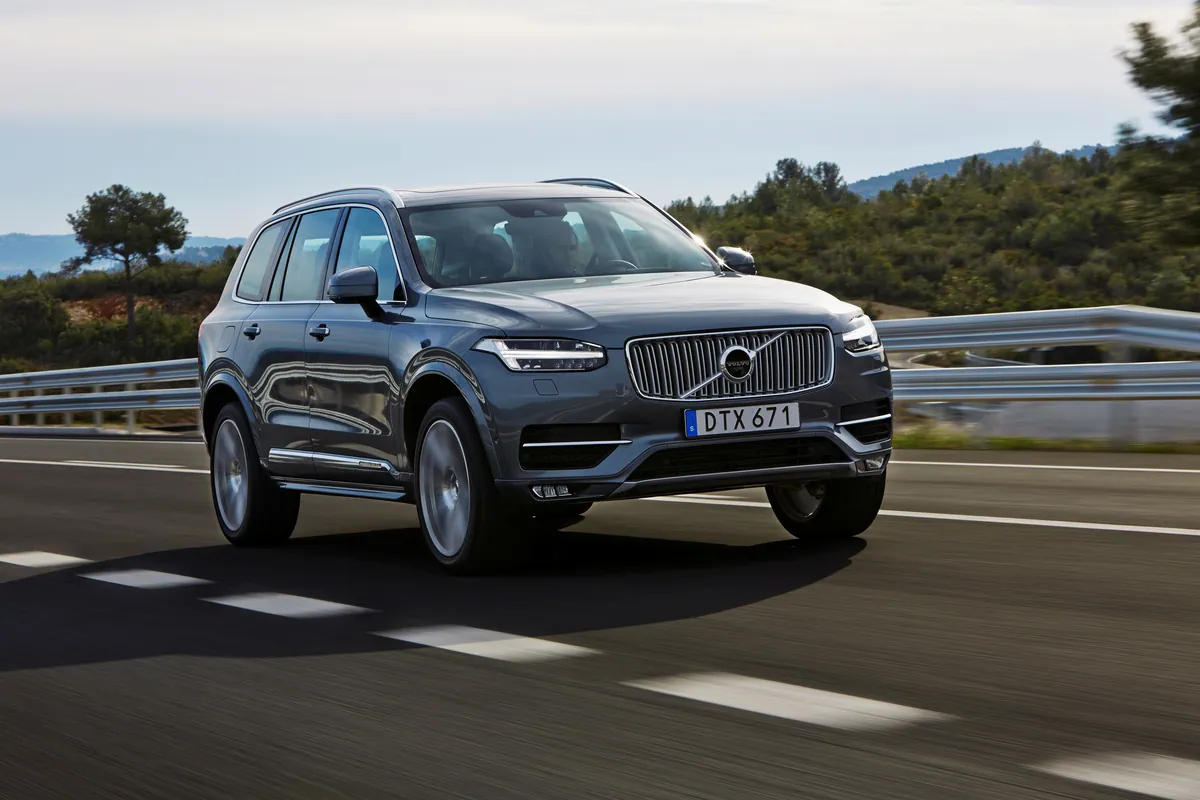
The latest Volvo XC90 has grown larger than its predecessor, yet its engine lineup has become smaller and more efficient.
Most versions rely on turbocharged four-cylinder engines, with diesel models producing between 190 and 245 horsepower in overseas markets, while gasoline variants deliver anywhere from 249 to 320 horsepower, depending on the trim and hybrid assistance.
Despite the downsized engines, the XC90 remains one of the most refined luxury SUVs in its class.
2. Toyota Land Cruiser
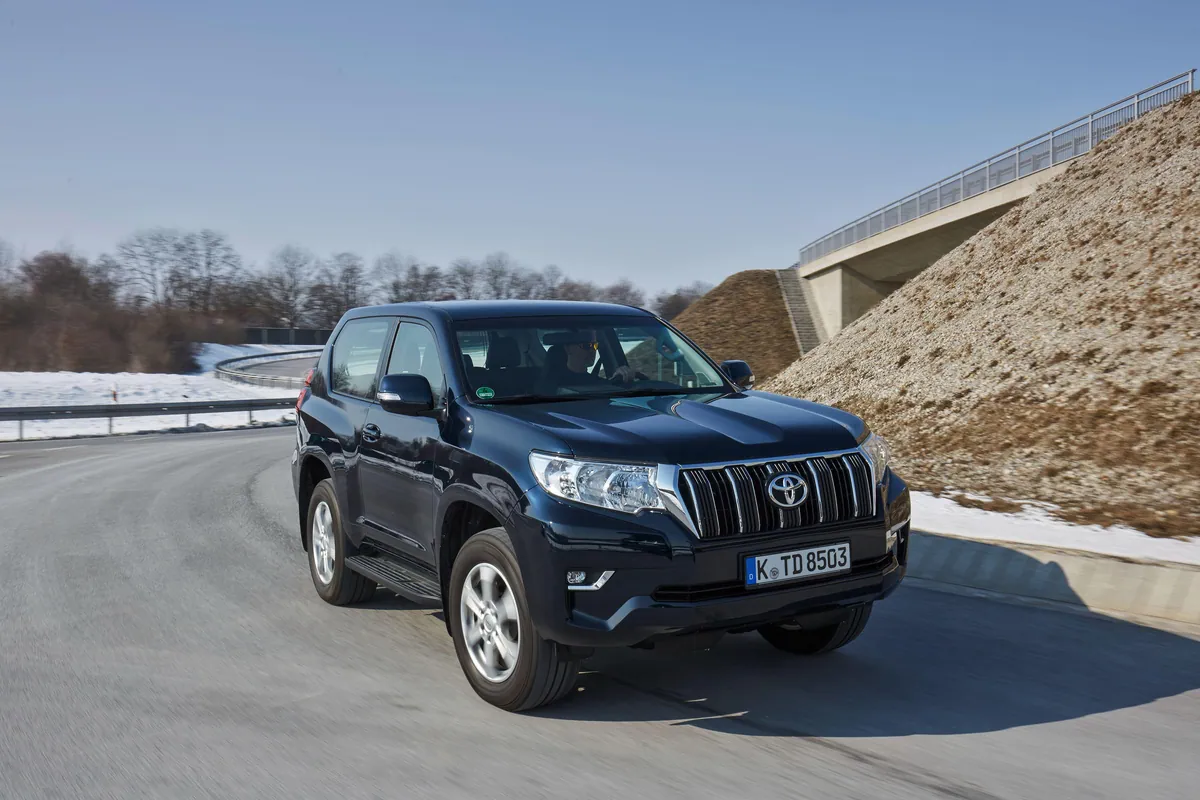
The Toyota Land Cruiser has also embraced smaller-displacement engines in several global markets.
Depending on the version, buyers can choose either a 2.7-liter gasoline four-cylinder producing 166 horsepower or a 2.8-liter turbo-diesel generating 177 horsepower. Although these figures are modest compared with previous V8-powered Land Cruisers, the engines provide the durability and torque the model is known for.
3. Mercedes-Benz GLE 250d 4MATIC
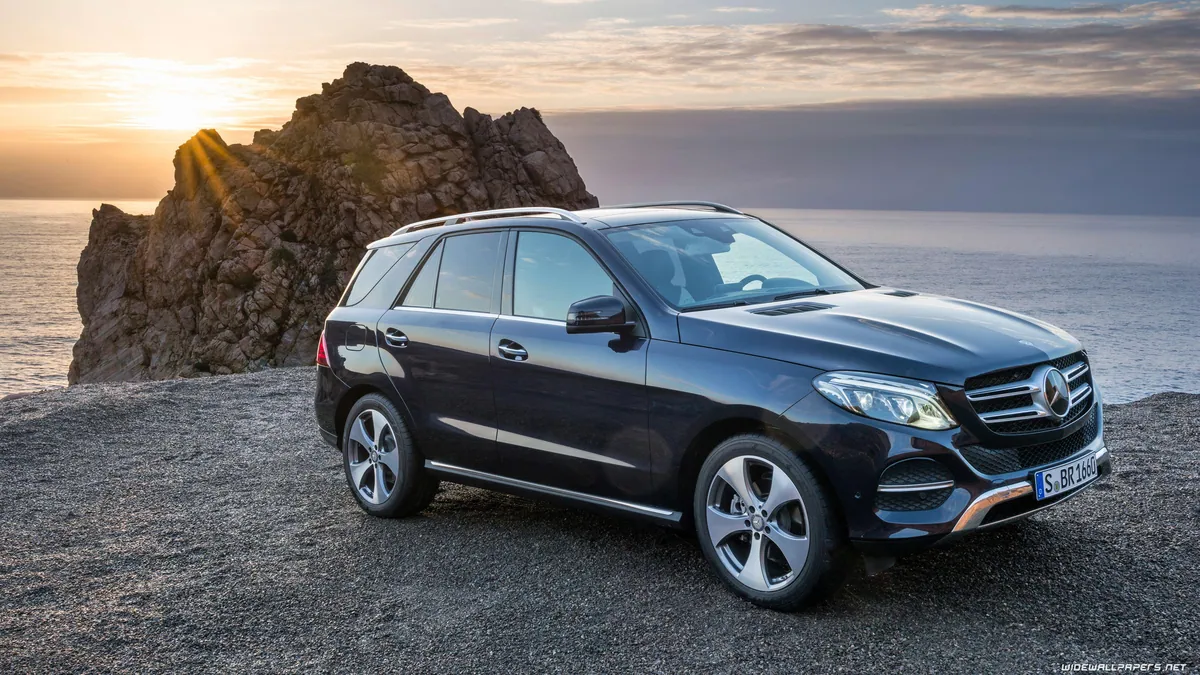
The Mercedes-Benz GLE 250d 4MATIC has demonstrated for years that a midsize luxury SUV doesn't necessarily need six cylinders.
Its 2.2-liter turbo-diesel four-cylinder produces 204 horsepower, allowing the SUV to reach 62 mph in approximately 8.6 seconds and continue to an electronically limited top speed of about 130 mph.
Gasoline-powered four-cylinder versions have also been offered in various markets.
4. BMW X5
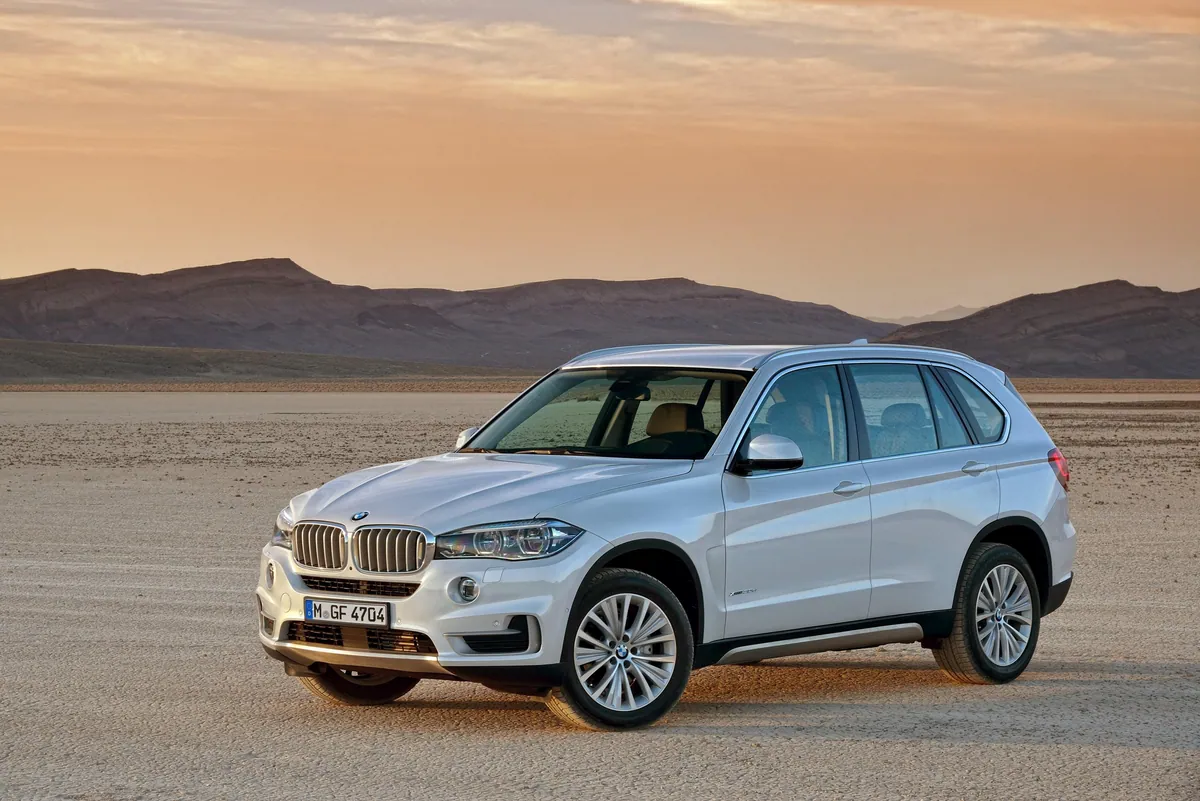
While many buyers associate the BMW X5 with six-cylinder engines, four-cylinder versions have also been available.
Diesel models generate around 218 horsepower, while certain gasoline variants produce as much as 313 horsepower, delivering strong acceleration and respectable efficiency without significantly compromising performance.
5. Volkswagen Atlas (Teramont)
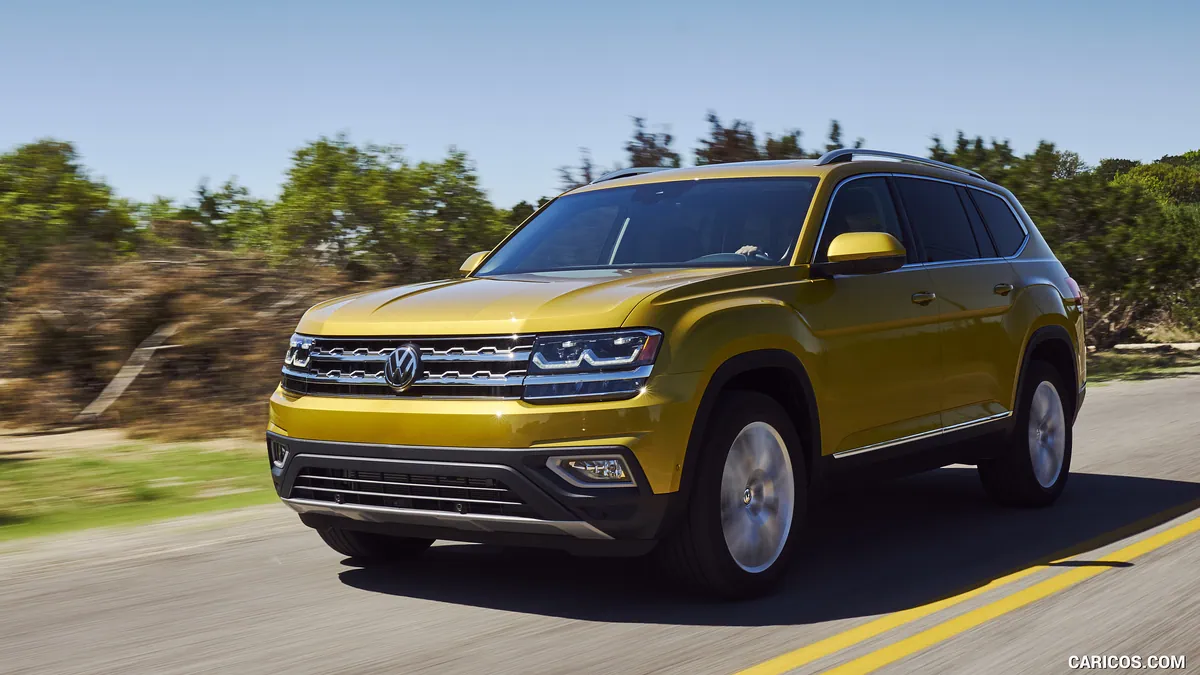
Known globally as the Volkswagen Teramont and sold in the U.S. as the Volkswagen Atlas, this three-row SUV is one of Volkswagen's largest vehicles.
The entry-level version is powered by a 220-horsepower turbocharged four-cylinder, proving that even a full-size family SUV can perform confidently without a large-displacement engine.
6. Audi Q7
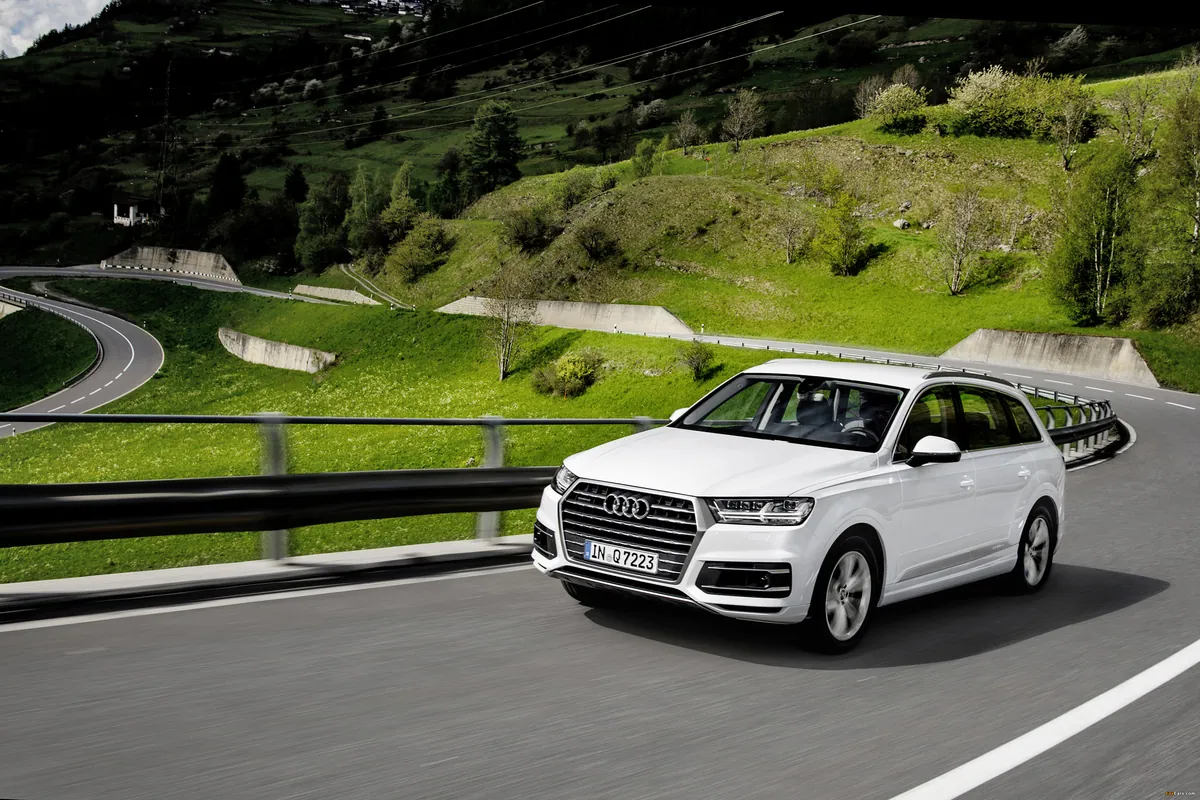
Luxury doesn't always require extra cylinders.
The Audi Q7 is available with a 2.0-liter turbocharged four-cylinder producing 252 horsepower. It can accelerate from 0 to 62 mph in about 6.3 seconds while reaching a top speed of approximately 145 mph, offering a strong balance between efficiency and performance.
7. Infiniti QX60 Hybrid
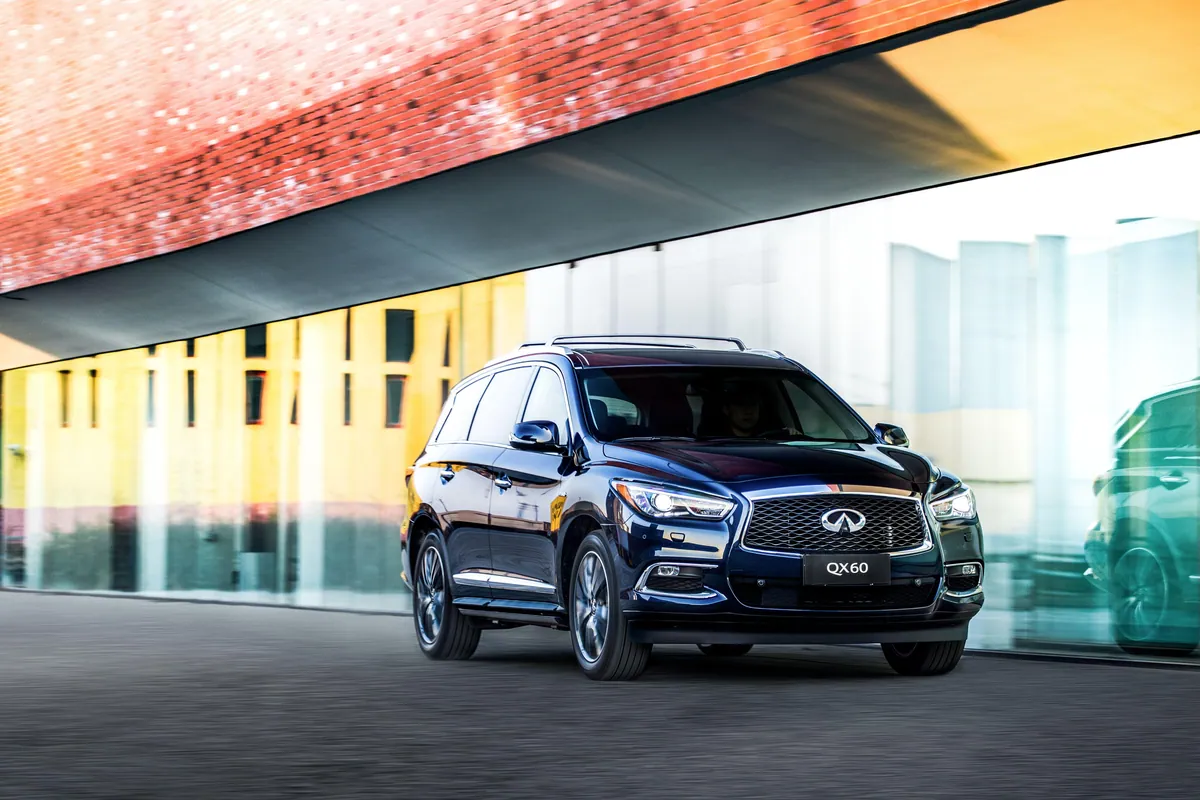
Most Infiniti QX60 buyers opted for the familiar V6, but the hybrid version deserves attention.
It pairs a 2.5-liter supercharged four-cylinder engine with an electric motor, producing a combined 250 horsepower. The result is a smooth, efficient seven-passenger crossover that remains relatively uncommon today.
8. Range Rover Sport
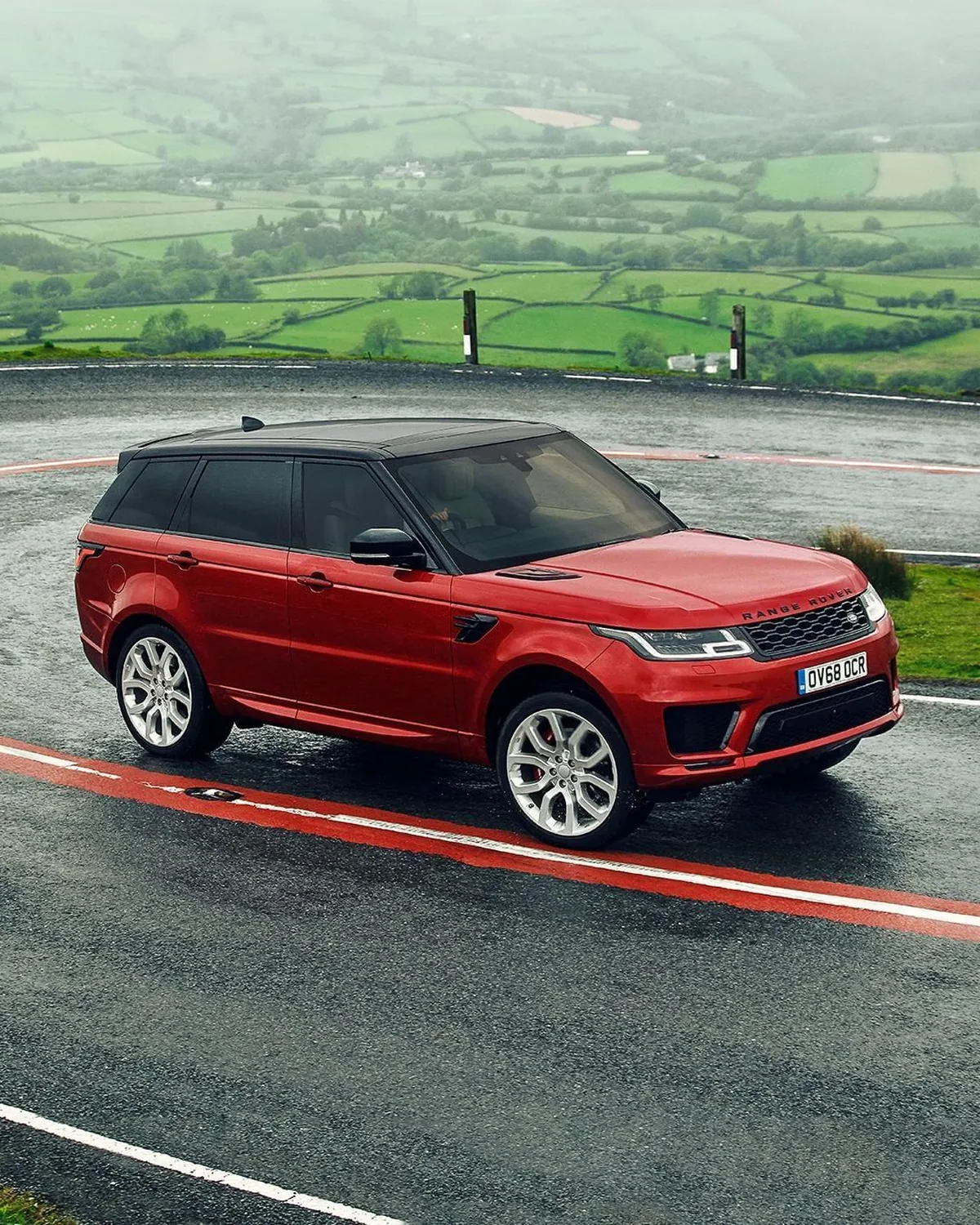
Installing a four-cylinder engine in a luxury performance SUV once seemed almost unthinkable, but Range Rover Sport proved it could work.
Depending on the powertrain, diesel versions generate around 240 horsepower, while turbocharged gasoline models produce approximately 300 horsepower, offering respectable acceleration along with improved fuel economy.
9. Jeep Wrangler
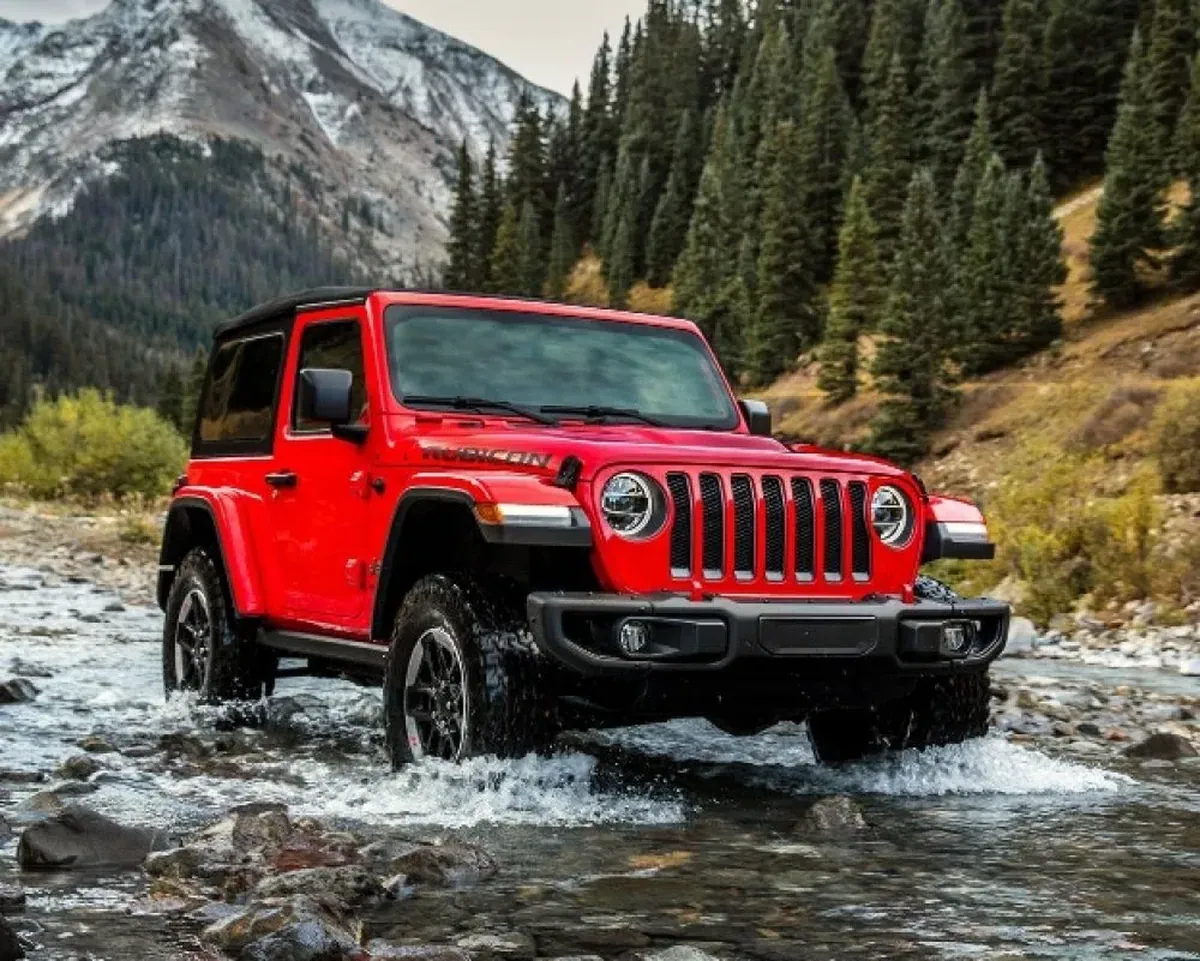
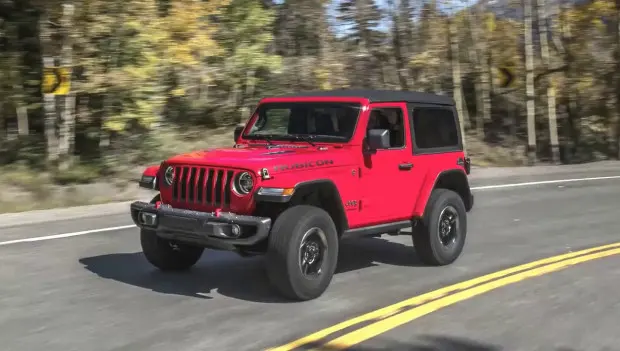
The latest Jeep Wrangler has embraced electrification without losing its legendary off-road capability.
Its turbocharged four-cylinder mild-hybrid powertrain provides stronger low-end torque, smoother power delivery, and improved efficiency compared with older naturally aspirated engines. The setup demonstrates how modern technology can enhance performance while reducing fuel consumption.
Smaller Engines, Bigger Expectations
Engine downsizing has transformed today's SUV market. Modern turbocharged four-cylinder engines deliver performance that would have been difficult to imagine just a decade ago, allowing manufacturers to meet stricter emissions standards without sacrificing capability.
For many drivers, these advanced powertrains offer the best of both worlds: the versatility and comfort of a large SUV paired with the efficiency of a much smaller engine.
You may also be interested in the news:
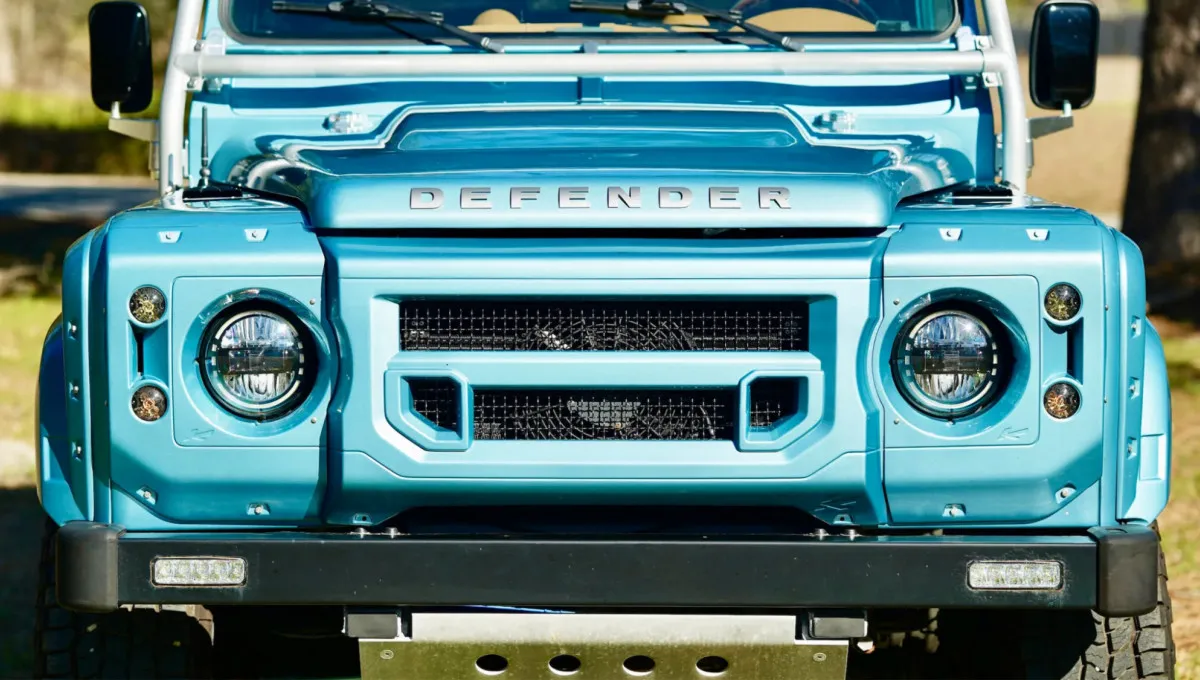
American Heart, British Body: Defender Just Got a Corvette V8—and It’s a $210,000 Beast
Osprey Custom has unveiled its latest restomod project, giving a classic Land Rover Defender a powerful Corvette V8 and modern upgrades.
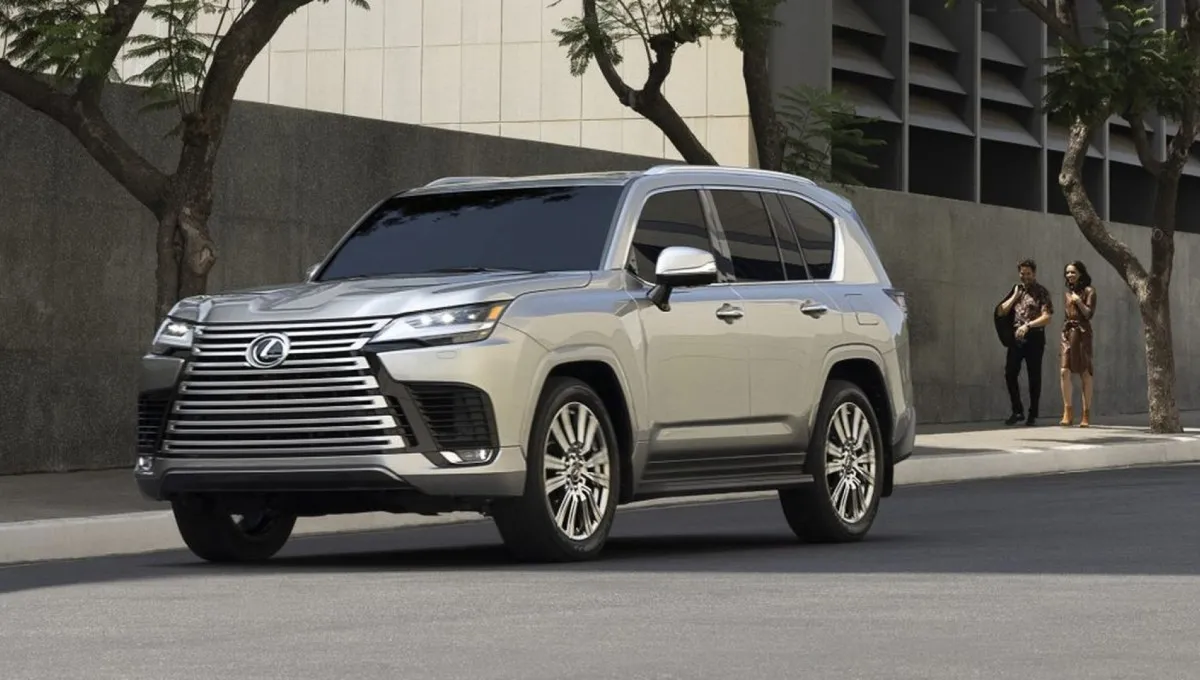
Updated Lexus LX Is More Efficient and More Capable Off-Road: Prices and Trims Revealed
The updated Lexus LX has debuted in the U.S. with a hybrid powertrain added to its off-road-focused version, along with revised styling, interior updates, and trim changes.
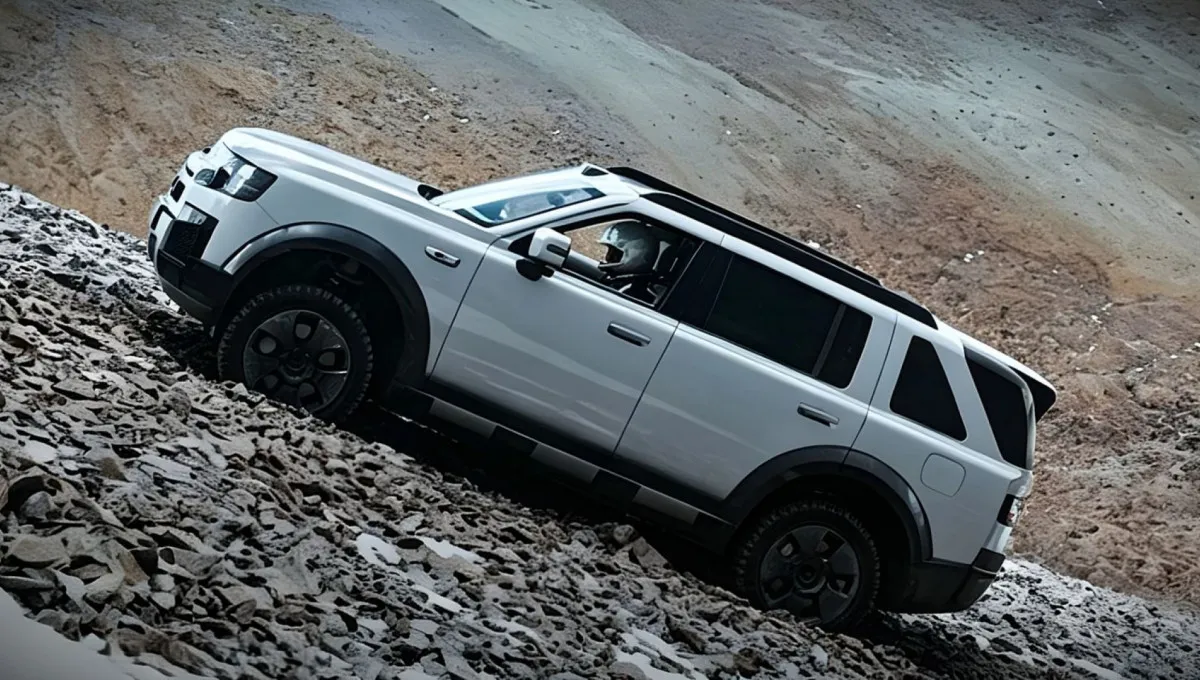
Freelander 8 Sets Guinness World Record at 19,692 Feet in Tibet
How the Freelander 8 crossover climbed to 19,692 feet without a body-on-frame chassis
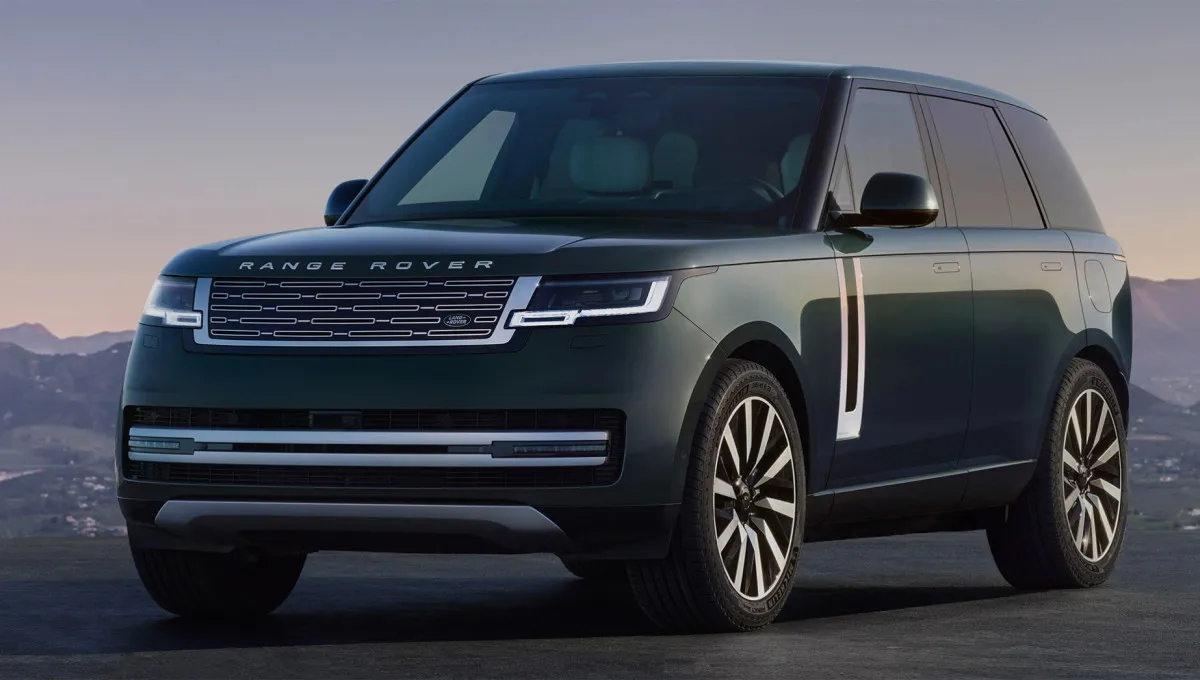
Range Rover Electric Revealed With Serious Off-Road Capability and Sports-Car Performance
British automaker Land Rover has unveiled the all-electric Range Rover, revealing pricing for an SUV that blends extreme off-road capability with sports-car performance.
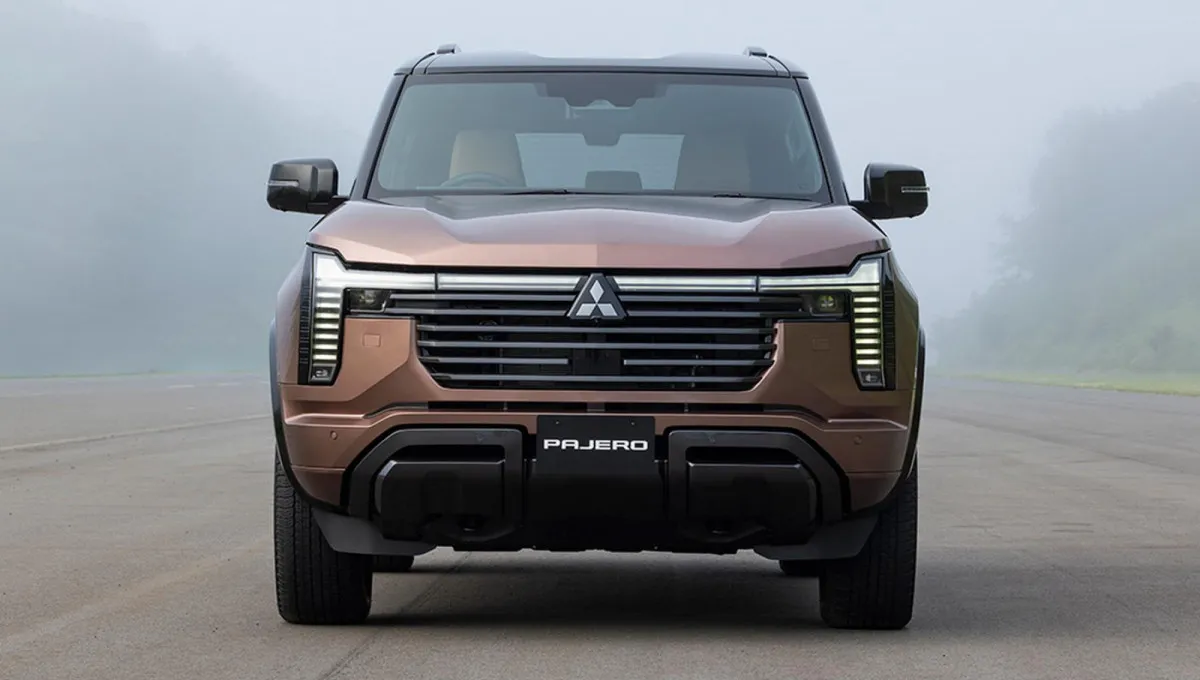
The Mitsubishi Pajero Is Back and Debuts Across Multiple Markets
Mitsubishi has officially unveiled the revived Pajero SUV, bringing back one of its best-known off-road nameplates for a new generation.