
Shell Unveils Triple 10 EV Concept With a 10%–80% Charge in Under 10 Minutes Using a 175-kW Charger
Shell's new Triple 10 concept proves ultra-fast EV charging doesn't necessarily require the most powerful charging stations.
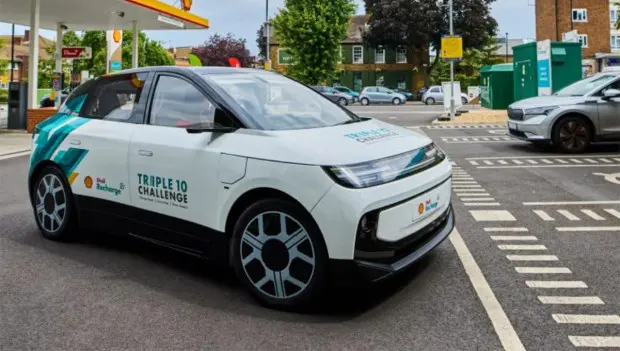
For years, the EV industry has promised that charging an electric vehicle could take no longer than grabbing a cup of coffee. In reality, achieving those headline-worthy charging times has typically required ultra-high-power chargers that remain relatively uncommon outside select locations. Shell's latest concept takes a different approach.
Called the Triple 10 Challenge, the prototype recently debuted in London as a fully functional demonstration vehicle rather than a simple design study. Its headline achievement is impressive: the battery charges from 10% to 80% in just 9 minutes and 54 seconds. But Shell says the project is about much more than setting a charging record.
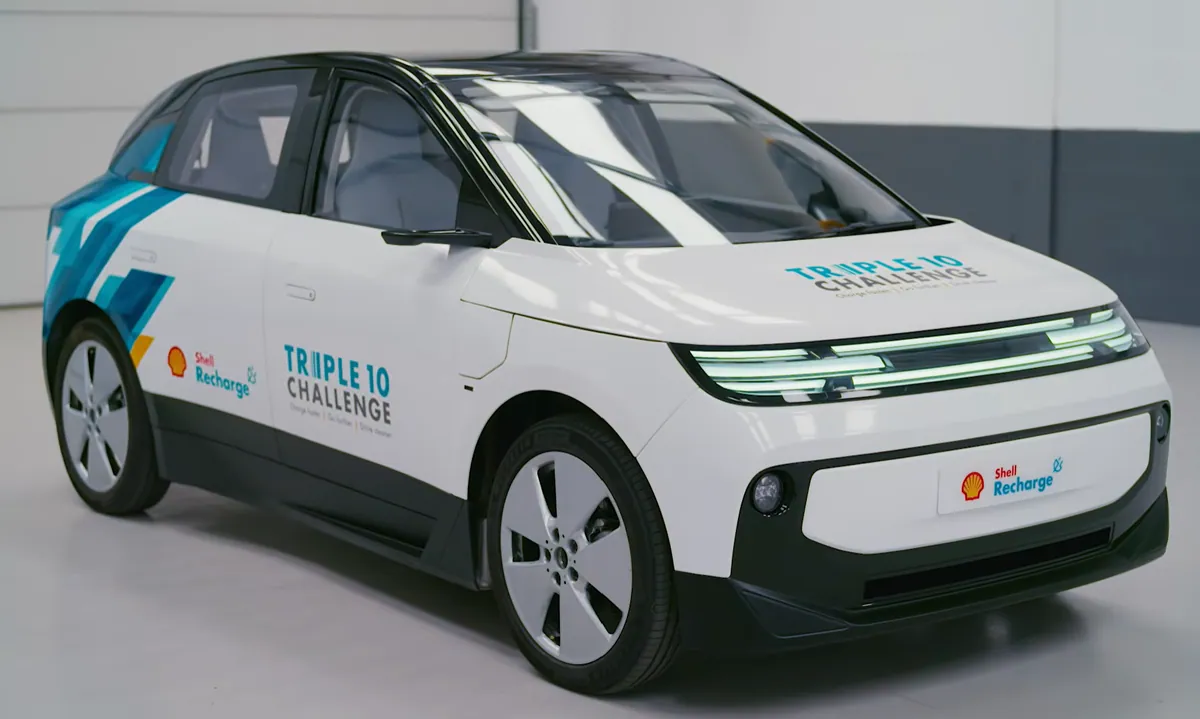
The name "Triple 10" reflects three ambitious engineering targets. First, recharge the battery from 10% to 80% in less than 10 minutes. Second, achieve an efficiency of 6.2 miles per kWh—roughly equivalent to 16 kWh per 100 miles. Third, keep the vehicle's total lifetime carbon footprint below 10 metric tons of CO₂ equivalent.
Shell has made it clear that the Triple 10 isn't headed for production. Instead, the company sees it as a technology demonstrator focused on maximizing efficiency rather than simply installing a larger battery to extend driving range. Lower weight, improved thermal management, and greater energy efficiency are the priorities.
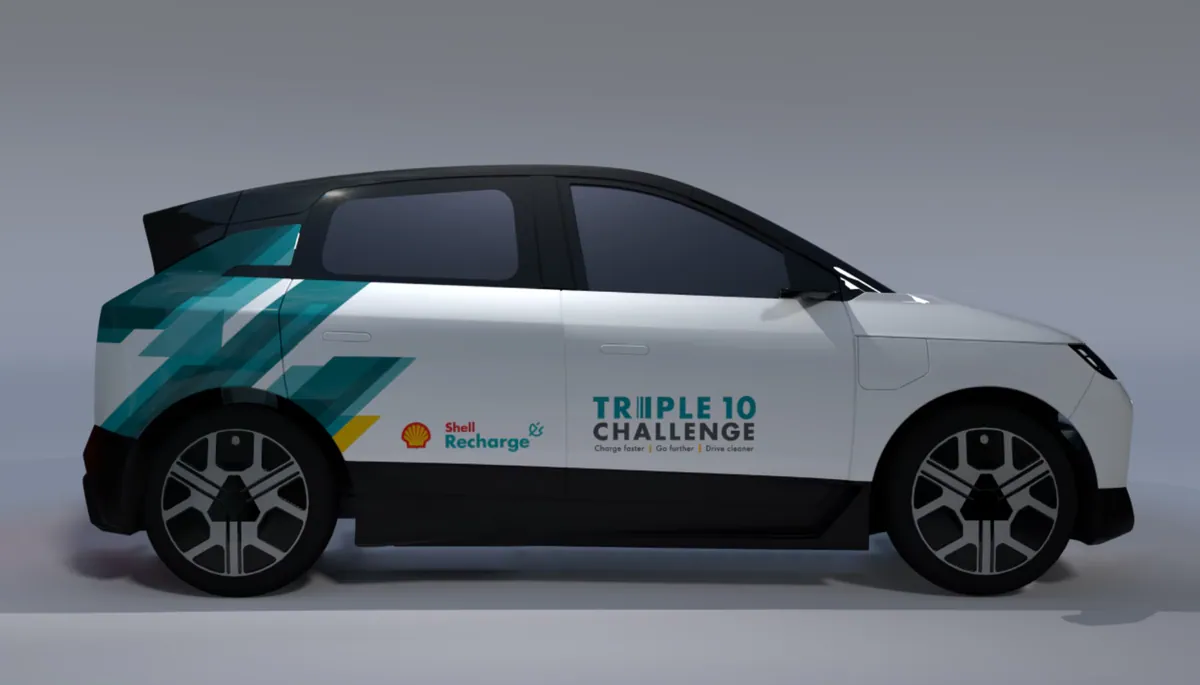
One of the project's biggest accomplishments is that the sub-10-minute charging time was achieved using a 175-kW DC fast charger. Chargers in this power range are far more common across Europe than the 300-kW-plus units typically needed to reach similar charging speeds, making the concept more relevant to existing charging infrastructure.
In real-world terms, Shell says the system can add up to 15 miles of driving range per minute while charging. Many of today's electric vehicles connected to a 175-kW charger add closer to 8 miles per minute, highlighting the prototype's efficiency advantage without requiring more powerful equipment.
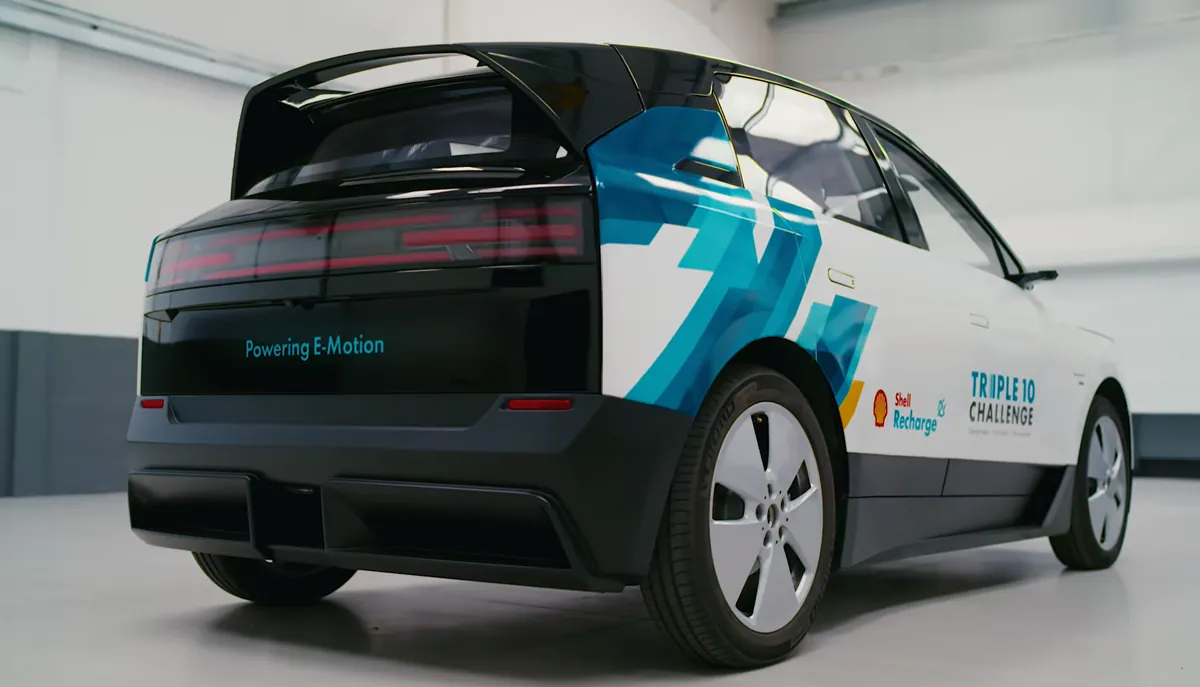
Thermal management is a major part of the equation. During ultra-fast charging, excessive heat often becomes the biggest limiting factor. To address this, Shell developed a dielectric cooling fluid that allows the battery cells to be cooled through direct immersion because the liquid does not conduct electricity. The simplified cooling system also manages temperatures for both the electric motors and the power electronics.
According to Shell, the concept delivers more than a 30% improvement in overall energy efficiency compared with many current production EVs. Its projected energy consumption of 16 kWh per 100 miles is significantly lower than the roughly 26 to 29 kWh per 100 miles commonly seen in today's mainstream electric vehicles, while larger SUVs and trucks often consume considerably more.
The company also believes its simplified battery architecture could reduce battery manufacturing costs by roughly 25%, potentially making future EVs more affordable.
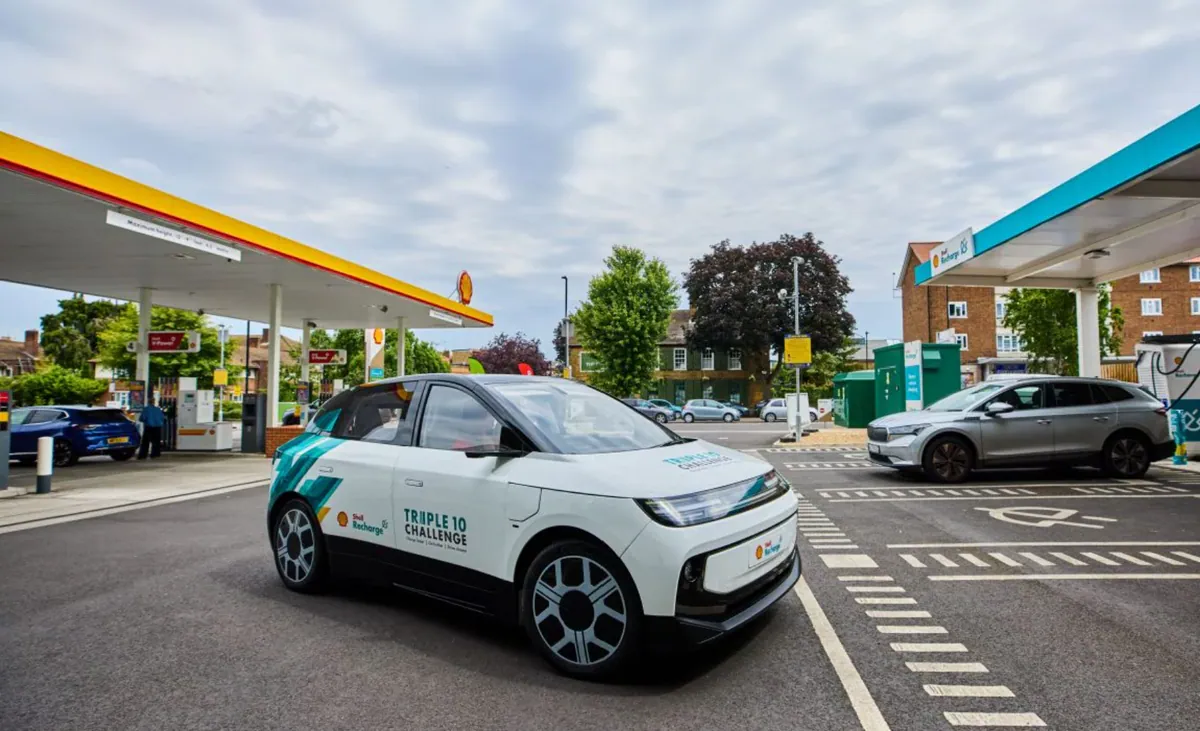
Shell estimates the vehicle's total lifetime carbon footprint at approximately 10 metric tons of CO₂ equivalent, about 50% lower than many electric vehicles currently sold in Europe. The company notes that this estimate assumes lightweight construction, recyclable materials, and charging exclusively with electricity generated from renewable sources.
For now, the Triple 10 Challenge remains a research project rather than a production vehicle. Still, it offers a glimpse into technologies that could influence the next generation of electric cars by focusing on efficiency and smarter engineering instead of relying solely on larger batteries and faster chargers.
You may also be interested in the news:

GM Just Unleashed an 8.3-Liter Diesel V8 to Take on Ford’s 1,200-Lb-Ft Power Stroke
General Motors has confirmed an all-new 8.3-liter Duramax V8 diesel called Mongoose for the 2027 Silverado HD and Sierra HD.
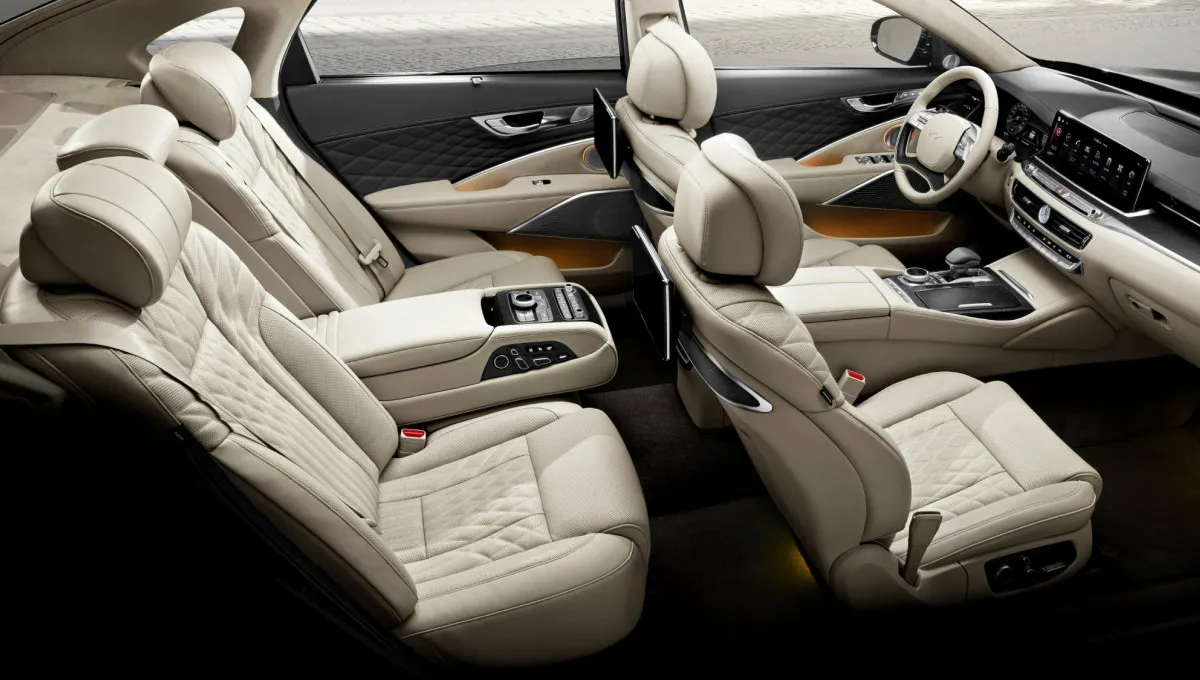
Best Sedans for Interior Space: The Roomiest Cars of 2026
These six sedans offer generous legroom and shoulder room, giving families a comfortable alternative to larger SUVs for long trips.
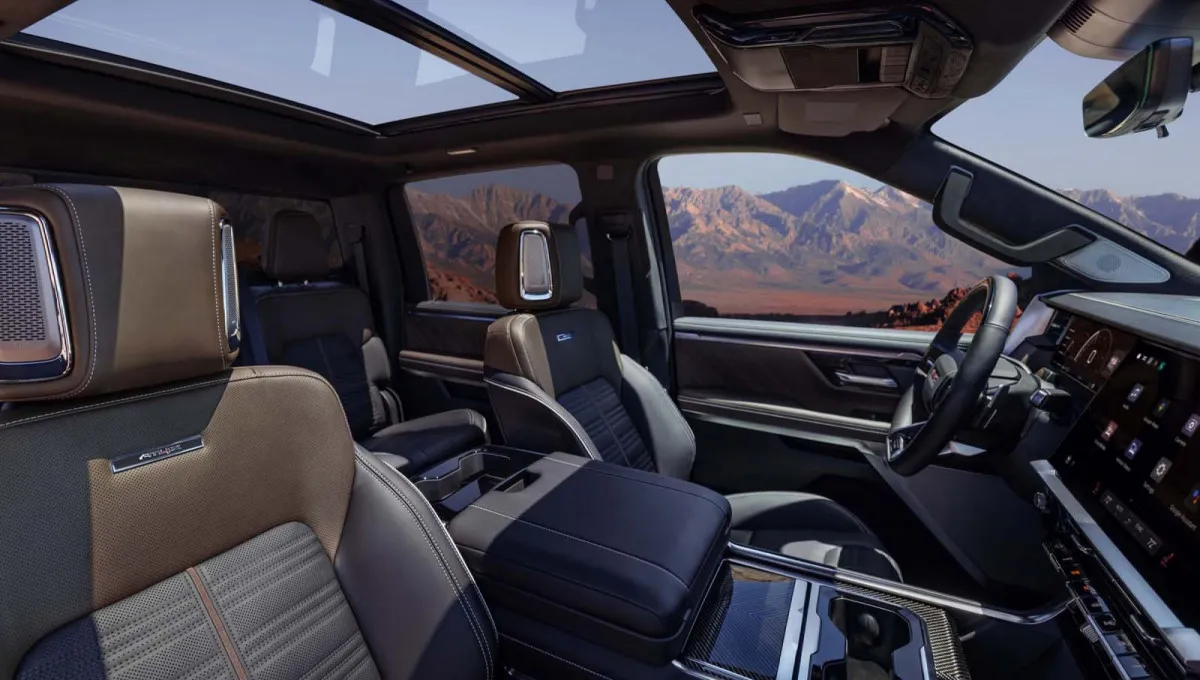
GM Just Fixed One of the Biggest Complaints About Pickup Trucks With the 2027 Silverado and Sierra
GM is redesigning the 2027 Silverado and Sierra seats, making them wider and offering three distinct shapes for different buyers.
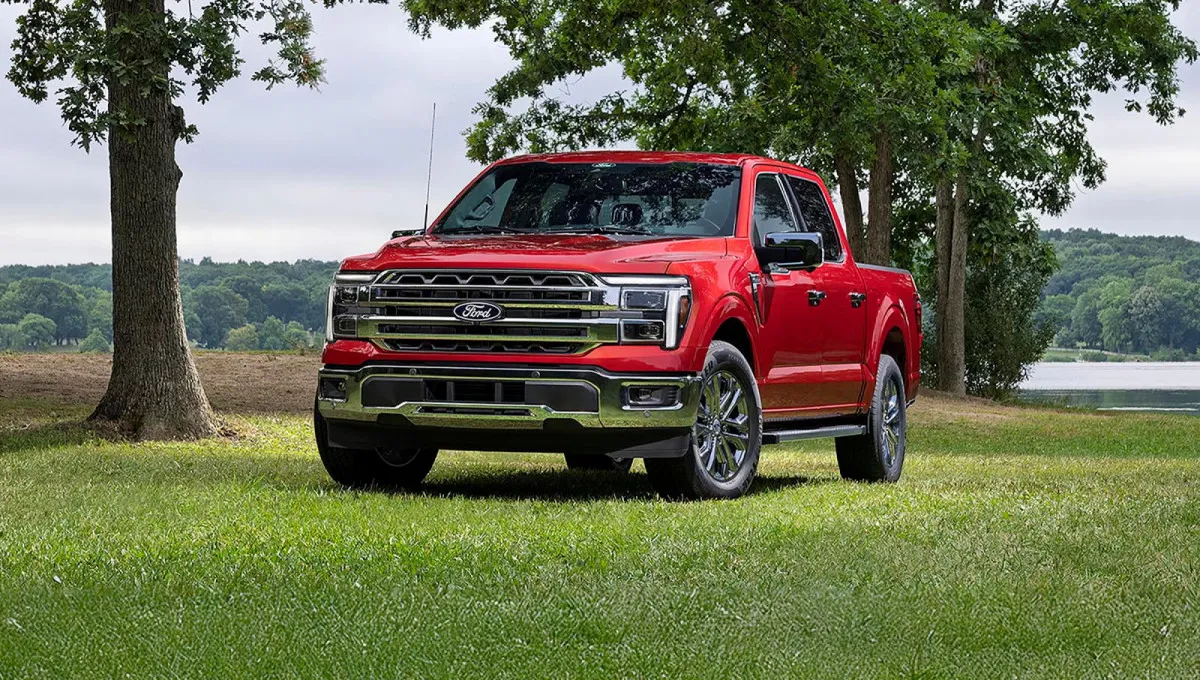
Ford Just Gave the 2027 F-150 a New Engine, Hands-Free Trailer Towing and a Carhartt Edition
Ford has updated the 2027 F-150 with a new V6, trailer-capable BlueCruise and a rugged Carhartt special edition.
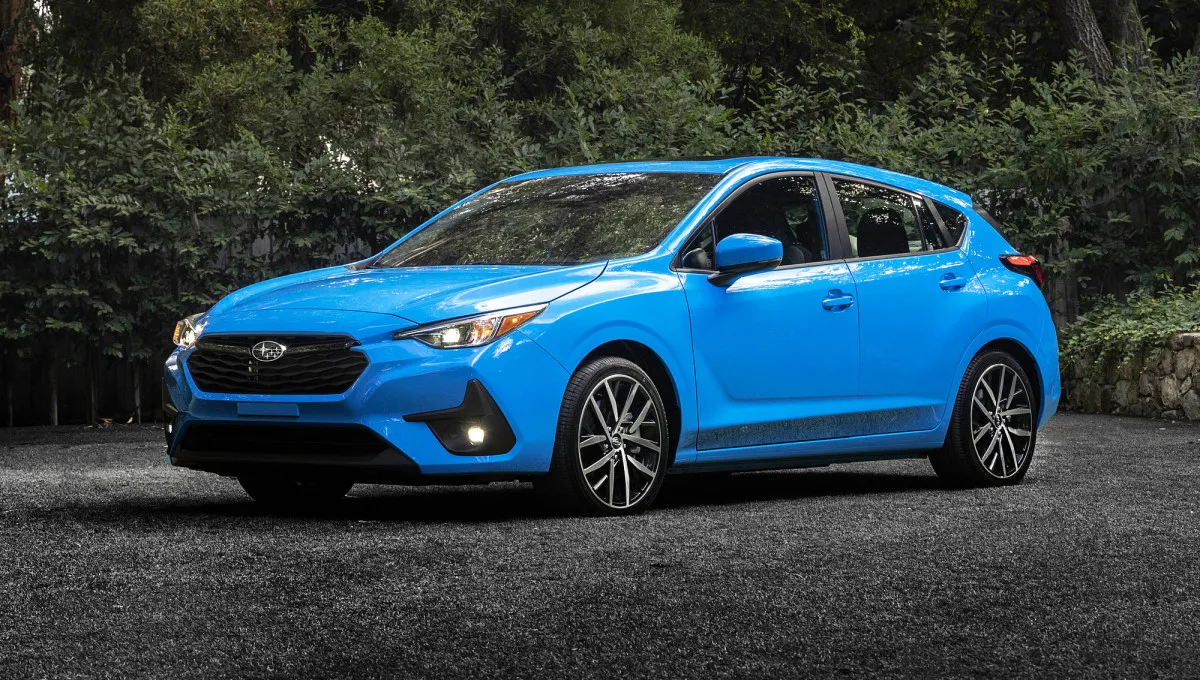
Subaru Just Cut 8 Standard Features From the Impreza — Here’s What Owners Now Have to Pay For
Subaru has updated the Impreza in Japan, with pricing starting at about $19,000 and fewer features included as standard.