
Why Modern Engines Fail: What to Check Before Buying a Used Vehicle
Recent engine recalls reveal why careful inspection matters more than ever when shopping for a used vehicle.
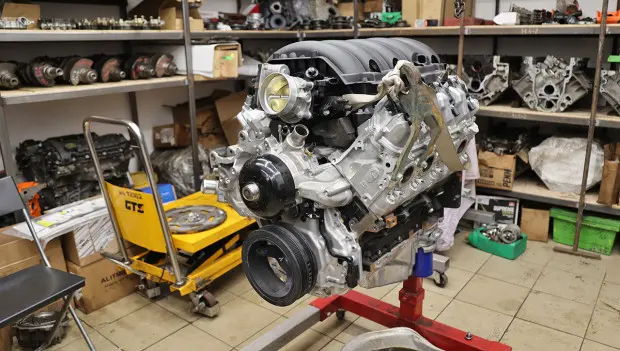
Turbochargers, advanced electronics, and increasingly strict emissions regulations often take the blame whenever a modern engine suffers a major failure. But a closer look at several high-profile recall campaigns tells a different story. In many cases, today's engines aren't failing because they're overly complicated—they're failing because high-performance designs leave almost no room for manufacturing mistakes.
Modern engines are a bit like a high-end espresso machine. When every component is built and maintained correctly, they deliver impressive performance with remarkable efficiency. But if even one small part isn't manufactured to specification, the result can be an expensive trip to the repair shop. In some cases, the repair bill can rival the value of the used vehicle itself.
We reviewed official recall documents involving Nissan, Toyota, and General Motors to better understand what has actually gone wrong with some of today's engines—and what used-car buyers should watch for.
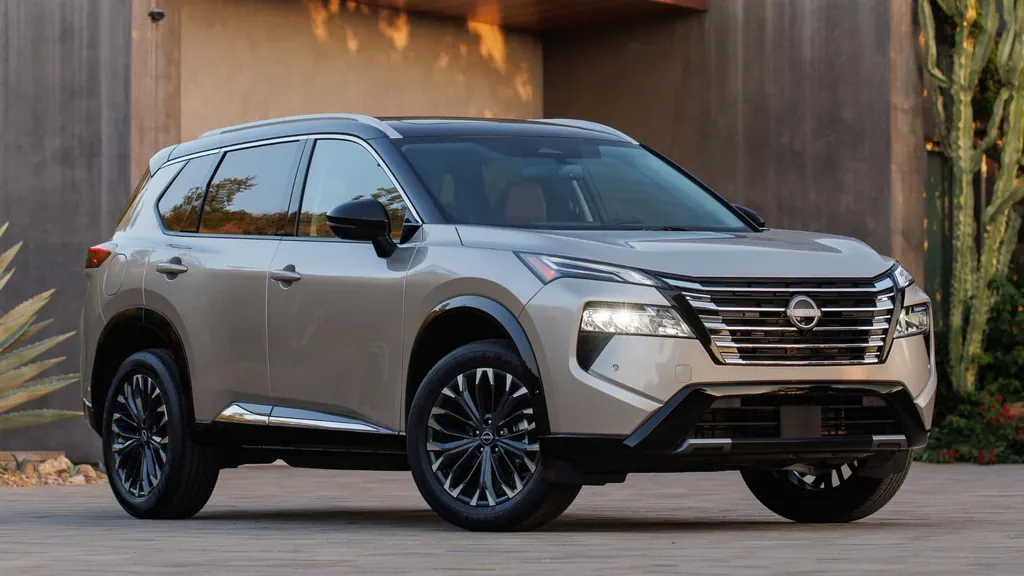
Nissan VC-Turbo: Brilliant Engineering, Costly Consequences
Nissan's VC-Turbo engine has long been praised for its variable compression technology, allowing it to balance fuel economy with strong performance depending on driving conditions. It's an impressive engineering achievement, but added complexity also means less tolerance for manufacturing defects.
In 2025, Nissan North America recalled 443,899 vehicles equipped with VC-Turbo engines. The campaign covered 2021–2024 Nissan Rogue models, 2019–2020 Nissan Altimas, 2019–2022 Infiniti QX50s, and the 2022 Infiniti QX55.
According to Nissan, certain engines may contain defective bearings or related internal components that can eventually lead to catastrophic engine damage while driving.
Fortunately, the company noted that many affected engines provide warning signs before complete failure. Drivers may hear unusual engine noises, notice rough operation, or see warning lights appear on the dashboard. Anyone considering one of these vehicles should pay close attention to those symptoms and verify whether recall repairs have already been completed.
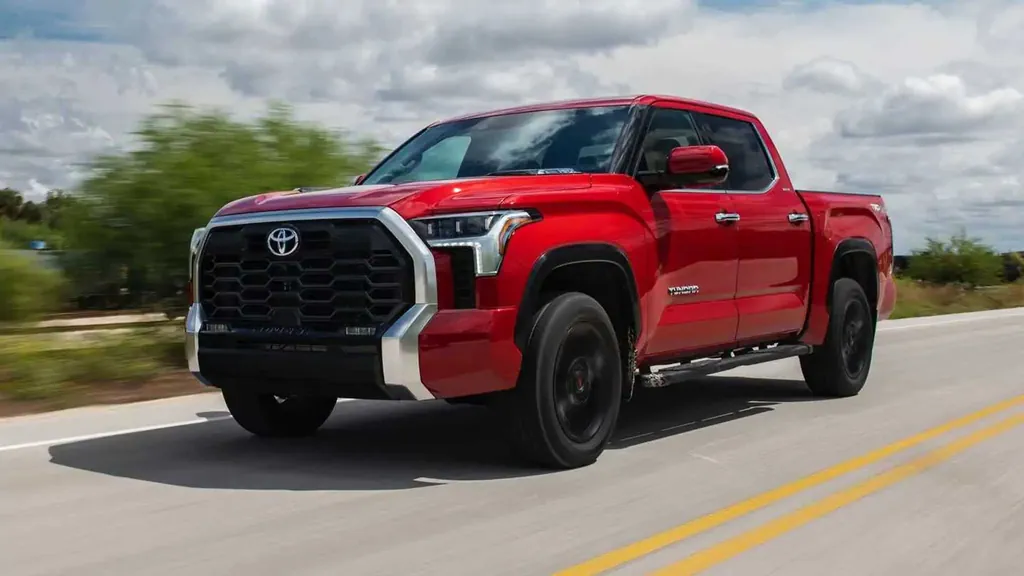
Toyota Tundra and Lexus LX 600: Even Strong Reputations Aren't Perfect
Toyota has built one of the strongest reputations for reliability in the automotive industry, making its recent engine recall especially surprising.
The initial U.S. recall affected 102,092 examples of the 2022–2023 Toyota Tundra and Lexus LX 600. Rather than a flawed engine design, Toyota traced the issue to leftover machining debris that may have remained inside certain engines after manufacturing.
Those metal particles can damage the crankshaft main bearings, eventually causing knocking noises, rough engine operation, difficulty starting, or even complete engine failure while driving.
The Lexus LX 600 is a particularly good reminder that brand reputation alone shouldn't determine a buying decision. If a seller insists that "Lexus engines never have problems," it's worth checking the VIN for outstanding recalls before reaching for your wallet.
This case highlights an important lesson: a dependable brand lowers your overall risk, but it doesn't eliminate the possibility of receiving a vehicle built during a problematic production run.
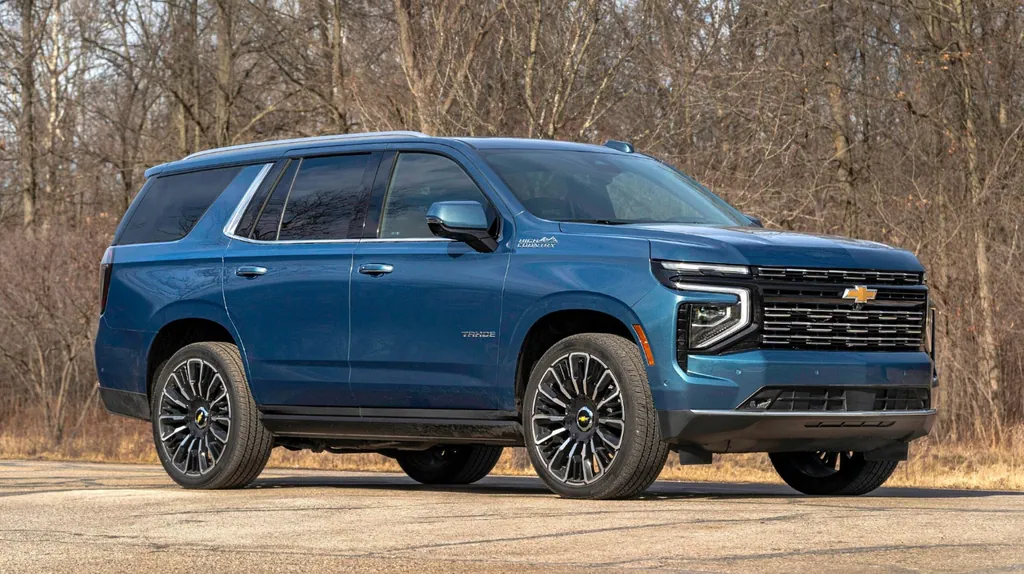
GM's L87 V8: Bigger Doesn't Always Mean Safer
Many drivers assume that reliability concerns mainly affect small turbocharged engines. Buy a naturally aspirated American V8, the thinking goes, and those worries disappear.
General Motors' recall involving the 6.2-liter L87 V8 proves otherwise.
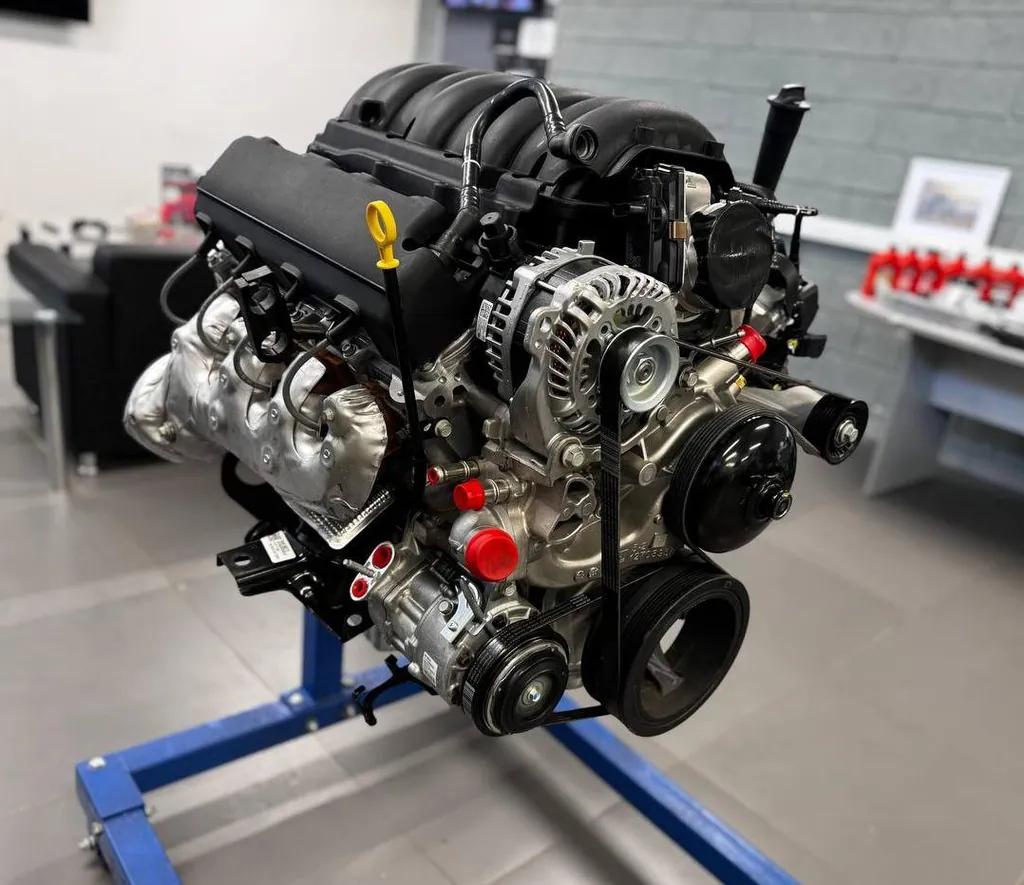
Installed in several Chevrolet, GMC, and Cadillac trucks and SUVs—including the Cadillac Escalade—the affected engines were built between March 2021 and May 2024.
GM determined that contamination inside connecting rods and crankshaft oil passages, along with crankshafts that didn't consistently meet dimensional and surface-finish specifications, could damage rod bearings. In severe cases, the result could be reduced power or complete engine failure.
The scale of the recall was significant. GM reported 28,102 potentially related field reports or incidents in the United States, including 14,332 complaints involving a loss of propulsion.
Vehicles that pass inspection receive updated higher-viscosity engine oil, a revised oil-fill cap, a new oil filter, and updated owner documentation. Engines showing signs of damage are repaired or replaced as necessary.
So Why Are Modern Engines Failing?
The answer is less dramatic than many headlines suggest—but far more useful for anyone shopping for a used vehicle.
Modern engines aren't failing simply because they use turbochargers, sophisticated electronics, or emissions-control technology. Instead, they're operating under tighter engineering tolerances than ever before. Smaller displacement engines now produce significantly more power, lubrication and cooling systems are more precisely controlled, and individual components are built with much narrower margins for error.
That means even minor manufacturing defects can have major consequences. A tiny metal shaving left inside an engine, an improperly finished crankshaft, a defective bearing, or a faulty piston ring can eventually lead to an expensive mechanical failure.
In other words, today's engines aren't necessarily less durable than those of the past. They're simply far less forgiving when someone—whether at the factory, in the repair shop, or in a home garage—cuts corners and assumes that "good enough" will do.
You may also be interested in the news:
Honda Is Rethinking Its Future SUVs—and a Massive New Ohio Plant Is Coming
Honda is planning a major Ohio expansion as it shifts its future lineup toward larger hybrid SUVs.
Diesel Prices Just Hit a Record in the U.S.—And the Supply Crunch Could Get Worse
U.S. diesel prices have hit record highs as tightening global supplies raise concerns about further increases.
Ford Ranger FX4 Level II Was Cool Long Before the Raptor
Ford Built This Insane Ranger Years Before the Raptor—and Almost Nobody Remembers It

This 18-Year-Old Audi RS4 Just Sold for More Than It Cost Brand-New
After spending 18 years in a garage, this low-mileage Audi RS4 has become a sought-after collector car.

A 100-Year BMW Legacy Is in Trouble as Germany’s Oldest Dealer Files for Insolvency
German dealers accuse Chinese automakers of poor payment practices as an iconic BMW dealer enters insolvency.