
Trump Wants U.S. Automakers to Start Building Tiny Cars
President Trump wants U.S. automakers to build tiny cars, but industry experts question whether they can make them profitable.

President Donald Trump wants American automakers to consider building tiny cars in the United States. The small vehicles could offer a cheaper alternative for budget-conscious buyers, although the industry has increasingly focused on larger and more expensive trucks and SUVs.
“I’m 6’2” and there’s no cool way to get in or out of this car,” said Andrew Maxon, while cramming into his miniature ride. “But we all suffer because it’s cool.”
Maxon runs the Capital Kei Car Club, a group for tiny-car enthusiasts in the Washington, D.C., area. He bought his 1993 Autozam AZ-1 after visiting Japan, where small Kei cars are a common sight.
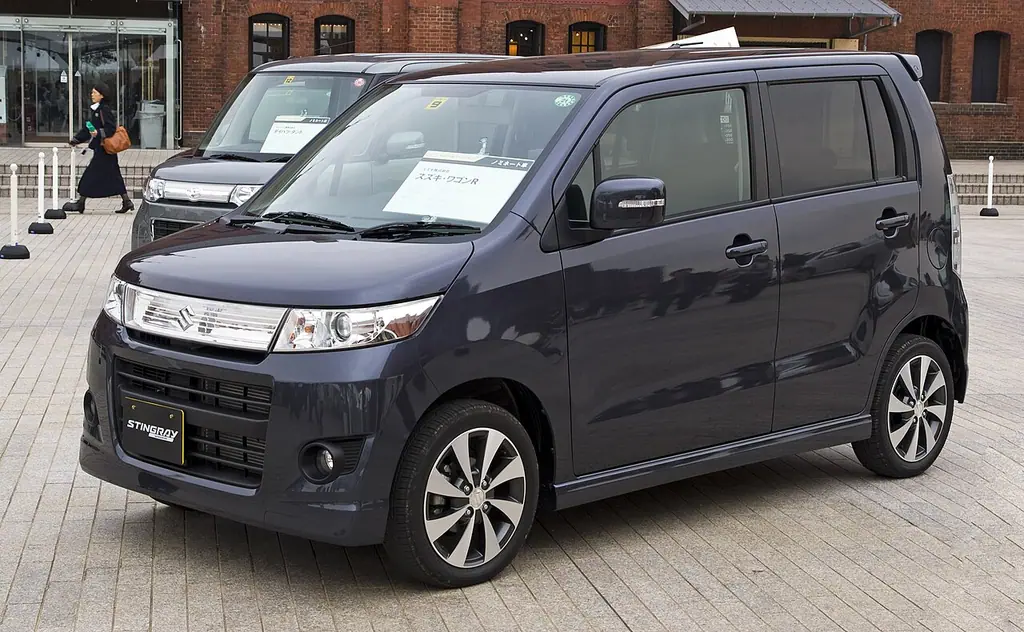
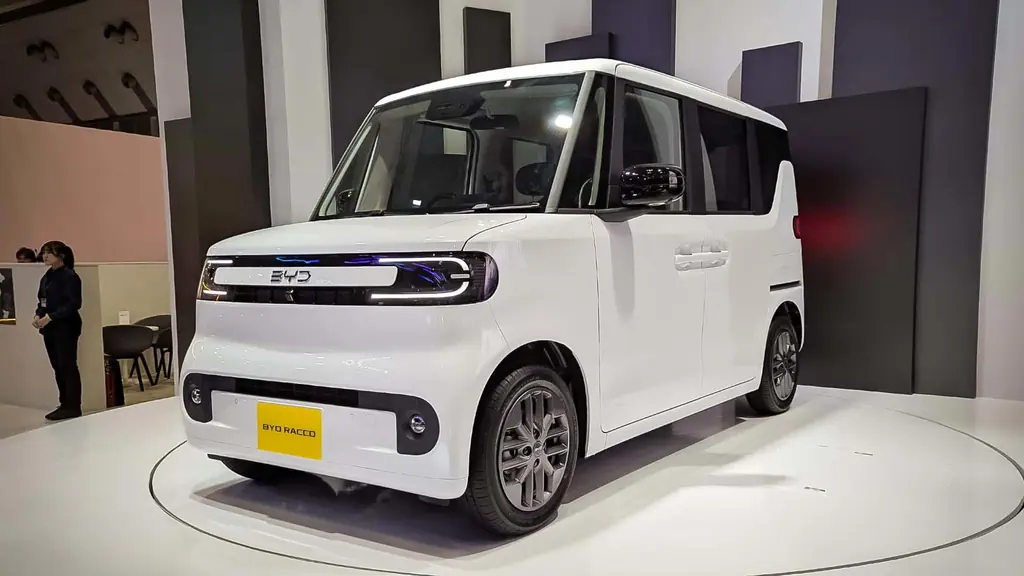
Now, the tiny-car trend has caught the attention of President Donald Trump. He directed Transportation Secretary Sean Duffy to work with U.S. automakers on bringing similar vehicles into domestic production.
“Today, I’m giving all American car companies the right to build what are known as tiny, little, tiny cars,” President Trump said after touring a General Motors plant in Michigan.
A Transportation Department spokesperson told Spectrum News that “the U.S. is open for business when it comes to these innovative, affordable small cars. We'll continue to work with automakers to support vehicles that meet federal requirements.”
Tiny cars remain uncommon in the U.S. largely because many of the models popular overseas do not meet American safety and emissions requirements. The examples currently found on U.S. roads are often imports that are more than 25 years old and can qualify for antique registration, which exempts them from certain federal safety requirements.
Importing one can still be expensive. Tiny-car owners can face tariffs, customs charges and other costs that add thousands of dollars to the purchase price.
“You gotta be a little committed to own something like this, but it’s less than a new Honda Civic would be,” Maxon said.
He paid about $20,000 for his tiny sports car. More basic tiny trucks, however, can sell for roughly $6,000 to $8,000, according to Maxon.
Owners of tiny cars and trucks say part of the appeal comes from their unusual looks and driving characteristics. Their compact dimensions can also make them easy to maneuver in tight spaces.
“They’re really useful and fun to drive,” said Garrett Smedley, who owns a tiny truck.
The biggest obstacle may not be consumer interest, though. Industry experts say American automakers have little incentive to invest in manufacturing tiny vehicles.
“It’s a lot of work, that may not have any profitability, for a tiny car,” said Jason Miller, a professor of supply chain management at Michigan State University.
Miller estimates that creating a new U.S. supply chain for tiny cars could take four years and require billions of dollars in investment. Automakers would need to develop or modify factories, establish suppliers and build a production network for vehicles that would likely sell in much smaller numbers than mainstream trucks and SUVs.
The current U.S. auto market helps explain why manufacturers have concentrated on larger vehicles. According to the Federal Reserve, roughly 85 to 90 percent of passenger vehicles currently assembled in the United States are trucks or SUVs.
“Automakers, as they’re paying these higher input costs for assembly in the U.S., they’re looking and saying ‘okay, what is it that we can produce that delivers the biggest, essentially, bang for a buck?’ And that is large trucks, SUVs,” Miller said.
That market strategy makes the economics of a tiny car difficult. A small vehicle may require many of the same manufacturing investments as a larger one while generating less revenue per vehicle.
For enthusiasts like Maxon, however, practicality is only part of the appeal. He admits that driving a tiny car is not for everyone, but he believes more Americans could become interested if these vehicles become easier to buy and register.
“It just brings a lot of joy everywhere I go,” Maxon said. “People love to see it.”
You may also be interested in the news:
Copart to Acquire ACV Auctions in $1.9 Billion Deal, Expanding Into Dealer-to-Dealer Car Auctions
Copart is acquiring ACV Auctions for about $1.9 billion, expanding its online auction business into dealer-to-dealer vehicle sales.
GM Just Unleashed an 8.3-Liter Diesel V8 to Take on Ford’s 1,200-Lb-Ft Power Stroke
General Motors has confirmed an all-new 8.3-liter Duramax V8 diesel called Mongoose for the 2027 Silverado HD and Sierra HD.
Best Sedans for Interior Space: The Roomiest Cars of 2026
These six sedans offer generous legroom and shoulder room, giving families a comfortable alternative to larger SUVs for long trips.

Best Cars for Teen Drivers: Affordable and Safe Picks
These affordable used and new vehicles combine strong safety ratings, reliability, and reasonable prices for young drivers and their families.
12 Used Cars Retirees Should Know About—These Models Put Safety, Comfort and Reliability First
Great for Retirees: These Used Cars Stand Out for Safety, Reliability and Comfort