
You've Seen These Black-and-Yellow Road Markers—But Do You Know What They Really Mean?
Those familiar black-and-yellow road markers quietly tell drivers which direction to take around roadside obstacles.
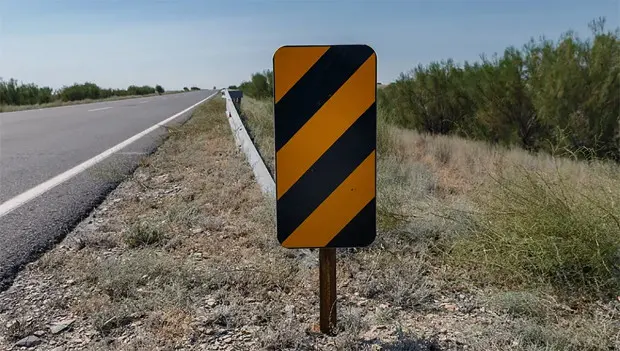
That black-and-yellow striped marker you sometimes see along U.S. roads is more than a warning—it tells drivers which way to go around an obstruction.
What the Black-and-Yellow Marker Means
Drivers encounter dozens of road signs and markers during a typical trip. Many are so familiar that motorists recognize them almost instinctively. Others are rarely seen, even though they can provide important information about what is ahead.
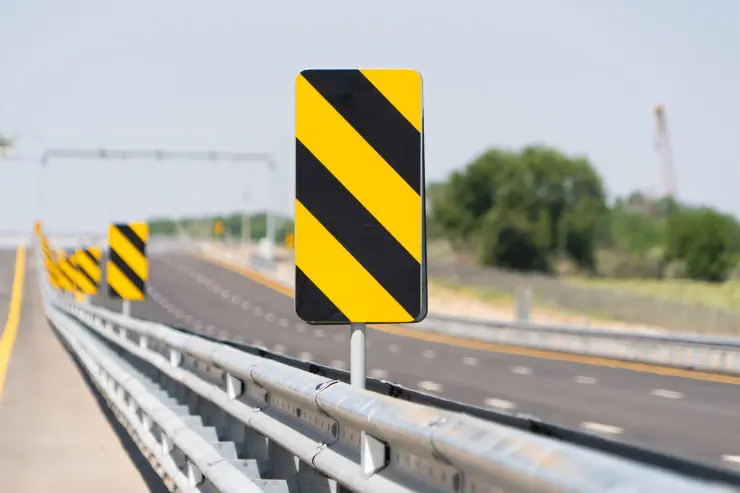
One example is the black-and-yellow striped marker used on or near roadside obstructions. In the U.S., these are classified as Type 3 object markers under the Federal Highway Administration's Manual on Uniform Traffic Control Devices, or MUTCD. They are used to identify obstructions within or next to the roadway.
The striped markers can be found near bridge supports, bridge abutments, guardrails, handrails, utility poles and other objects that could affect a vehicle's path. They can also mark roadside conditions such as narrow shoulders, drop-offs and abrupt changes in the road's alignment.
The most important detail is the direction of the diagonal stripes. They are set at a 45-degree angle and slope downward toward the side where traffic should pass the obstruction. In other words, the stripes essentially work like a built-in directional arrow.
Why Some Drivers Think These Markers Are Unnecessary
It can be easy to overlook the purpose of these markers during daylight. If a bridge support or other obstruction is clearly visible, a driver may wonder why an additional marker is needed.
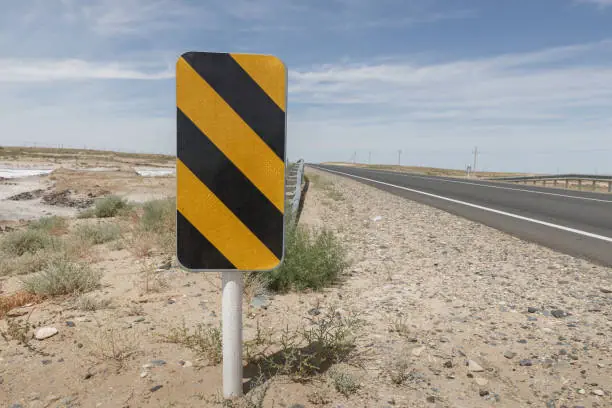
The situation changes at night or in poor weather. The yellow portions of these markers are retroreflective, making them much easier to see when illuminated by headlights. That gives drivers an additional visual reference to identify the edge of the roadway and the safe path around an obstruction before they reach it.
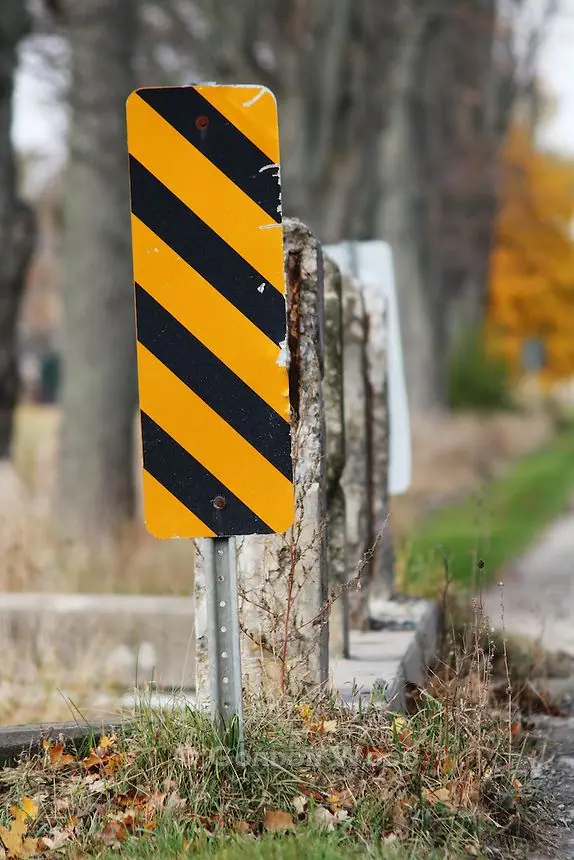
If an obstruction can be passed from either side, the MUTCD specifies a different Type 3 design with yellow-and-black chevrons pointing upward. The federal standard also allows directional signs to be used instead of an object marker when appropriate.
You may also be interested in the news:

The New Nissan Rogue Is Here—and Its Hybrid Powertrain Changes Everything
The new Nissan Rogue makes its U.S. debut with a ground-up Nissan design and an all-new hybrid powertrain built around electric motors.
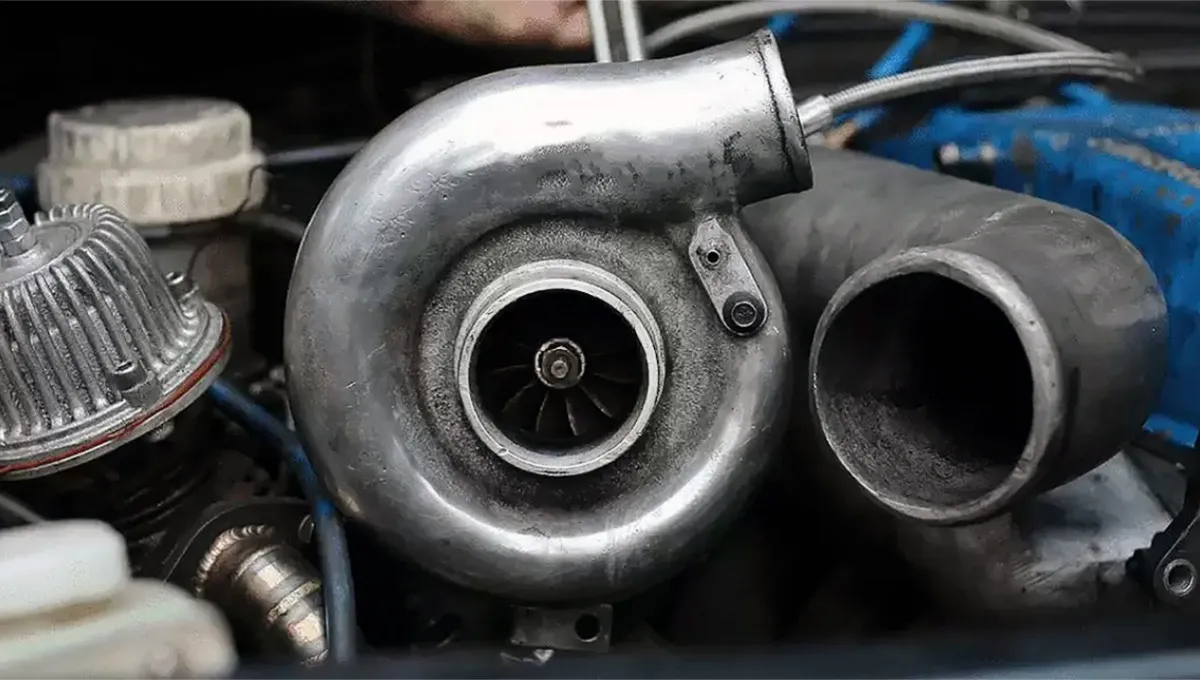
Why Small Turbo Engines Are Replacing Big V8s—and What It Means for Your Next Car
Turbochargers let automakers squeeze big-engine performance from smaller engines—but the technology comes with trade-offs.
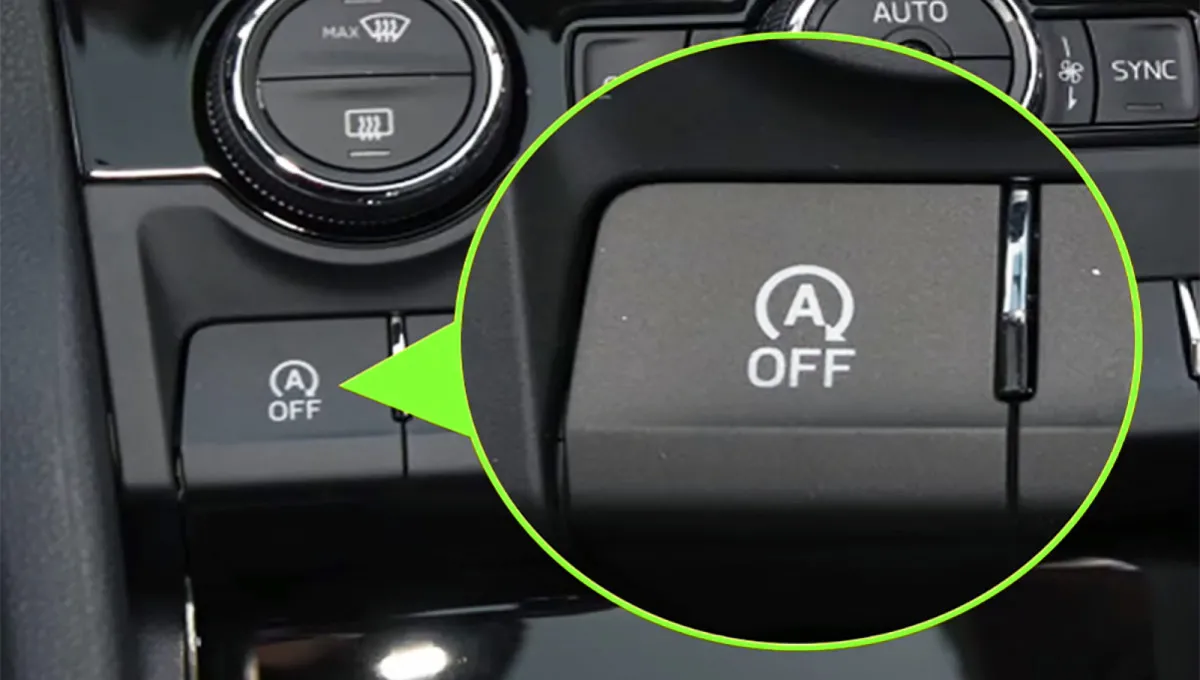
Start/Stop Systems Are Everywhere — But Are They Really Saving You Gas or Wearing Out Your Engine?
Does start-stop technology really save fuel, and does it put extra wear on the engine? Here’s what drivers need to know.

Your Zodiac Sign Has a 1,000-Mile Road Trip Waiting for You
Twelve signs, twelve roads. A camper, pickup, or SUV doesn't matter. What matters is the 1,000 miles of adventure ahead.

3 Signs Your Car Battery Is About to Die — And the Warning Signs Drivers Often Miss
A failing car battery rarely dies without warning, and these three signs can give drivers time to act before getting stranded.