
Buick and Cadillac Just Took the Biggest Satisfaction Hit in America—Toyota Went the Other Way
Cadillac and Buick posted the steepest customer satisfaction declines in the latest ACSI study, while Toyota once again claimed the top spot.
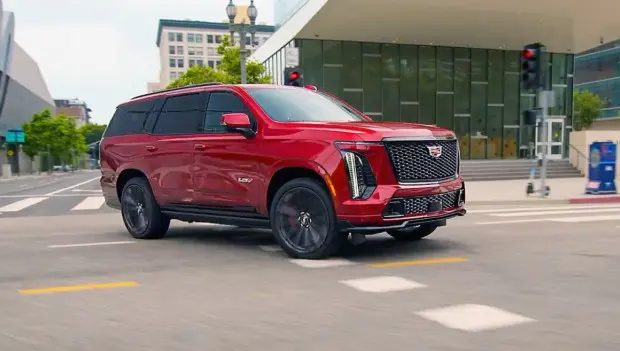
Cadillac and Buick have found themselves in the spotlight for all the wrong reasons. A new study of vehicle owner satisfaction recorded sharp declines for both brands, giving General Motors one of its weakest showings of the year. And with the overall industry also slipping, the size of the GM brands' declines stands out even more.
A Ranking That Came as Bad News for GM
The American Customer Satisfaction Index, or ACSI, found in its latest 2026 report that overall satisfaction with automobiles declined. Across the industry, the score fell 1% from 2025.
The mass-market segment also declined 1%, while luxury brands dropped 3%. But the biggest changes came from Buick and Cadillac. Both brands recorded the largest year-over-year declines among the automakers included in the study.
Buick fell from 81 points to 68, a 16% decline. Cadillac dropped from 81 to 69, down 15%. For two General Motors brands, that represents a particularly sharp reversal.
Buick and Cadillac Took the Biggest Hits
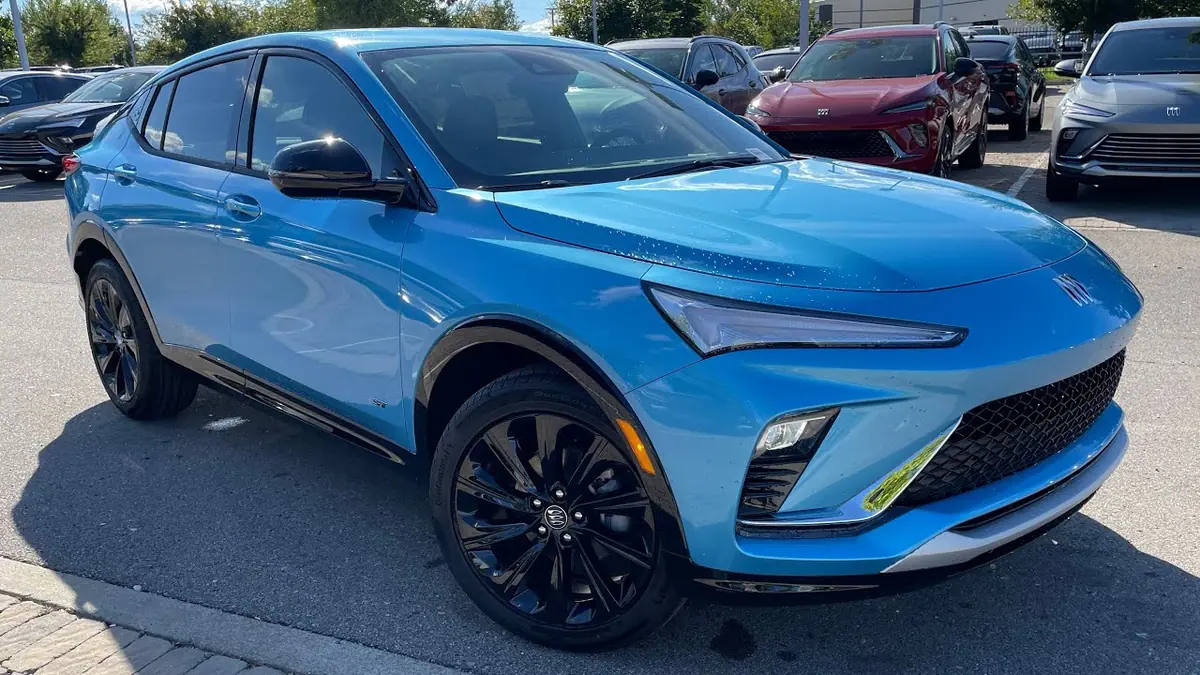
Buick is classified as a mass-market brand, although it is generally viewed as a more upscale choice. That positioning did little to protect it in the 2026 survey. Buick finished near the bottom of the mass-market group, ahead of only Chrysler, which scored 67.
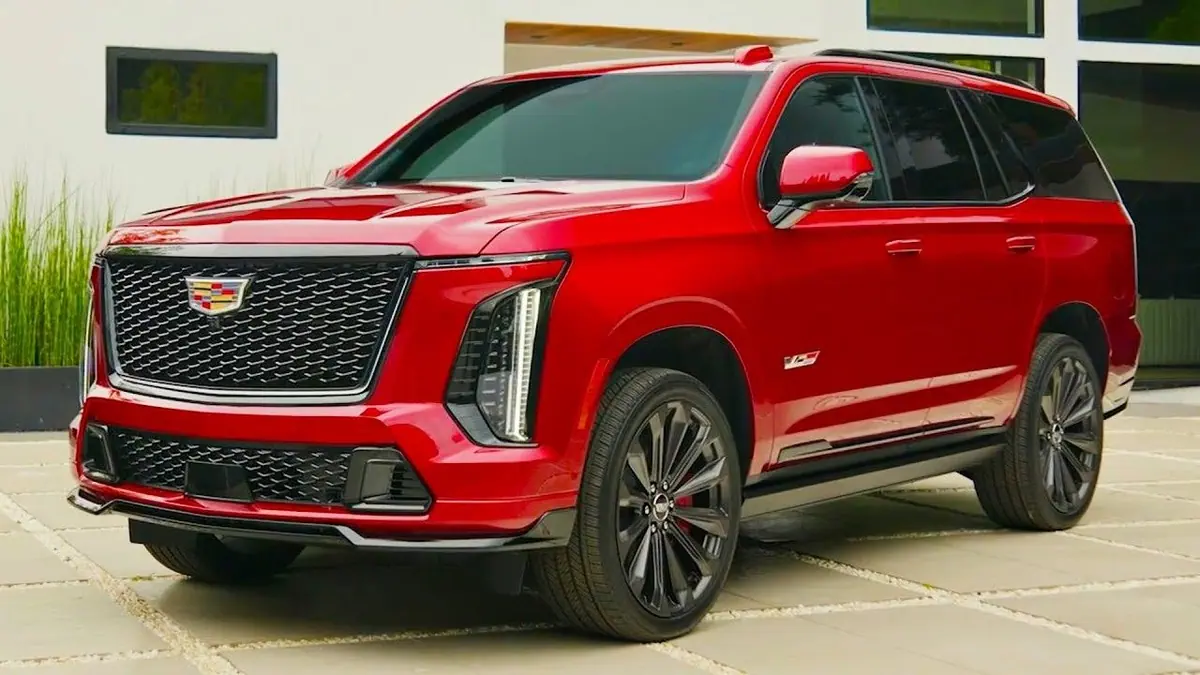
Cadillac had an even tougher result. The luxury brand finished last among the luxury nameplates measured by ACSI. For a brand long associated with premium vehicles, the result is notable.
Other GM brands also moved in the wrong direction. GMC fell 6% to 76, while Chevrolet dropped 5% to 75. Both declines were substantially larger than the overall 1% industry decline.
What Does the ACSI Actually Measure?
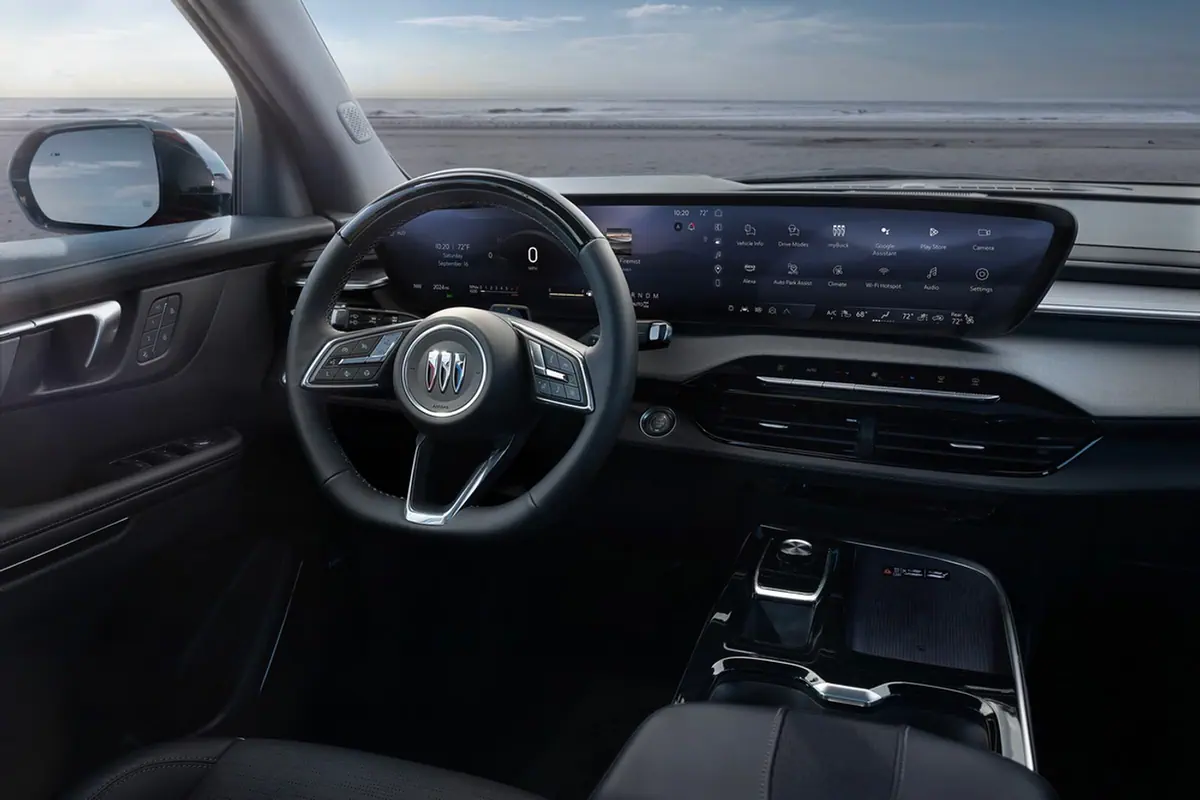
The ACSI study goes well beyond a driver's overall impression of a vehicle. It looks at multiple parts of the ownership experience, including seat comfort, driving performance, dependability, technology, fuel economy and trade-in value.
Owners' experiences with automaker websites and mobile apps are also included. Importantly, the 2026 study does not break the results down by individual vehicle model or identify the precise reasons behind each brand's score. That means the data cannot establish exactly where Buick and Cadillac lost ground.
That distinction matters. It would be easy to assume that a lower satisfaction score is simply a reflection of mechanical problems. ACSI takes a much broader view, measuring the entire ownership experience.
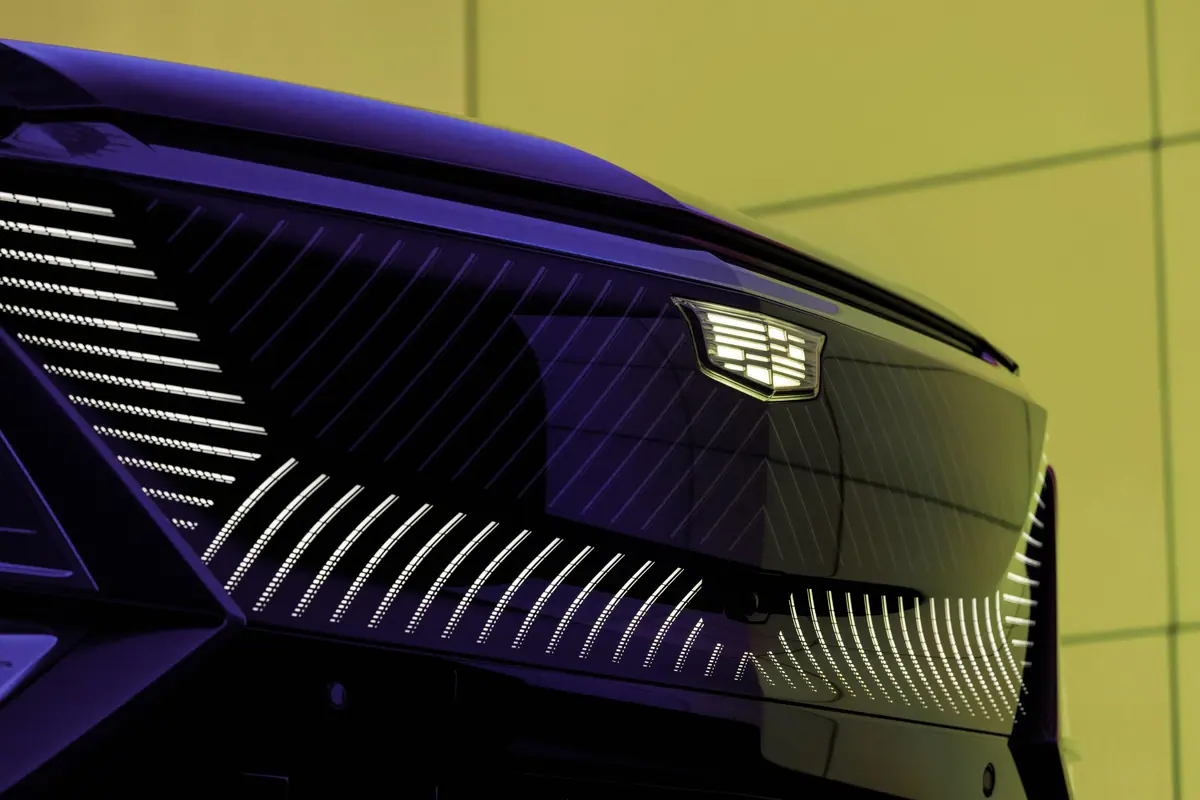
J.D. Power Also Raises Questions About Cadillac
To see whether Cadillac's weaker ACSI result was reflected in another study, the results of the 2026 J.D. Power U.S. Initial Quality Study provide another point of comparison.
Cadillac fell from 18th place in 2025 to 25th in 2026, while Buick moved up from ninth to sixth. Chevrolet also entered the top 10 in the 2026 study.
J.D. Power's study measures problems reported by owners during the first 90 days of ownership. The 2026 study was based on responses from 78,514 buyers and lessees of new 2026 model-year vehicles. Overall, reported problems improved across most categories, but infotainment was the one major exception, with connectivity issues continuing to affect the ownership experience.
That makes the Cadillac result particularly interesting when viewed alongside the ACSI findings. The two studies measure different things, so they should not be treated as interchangeable. But both provide data about how owners experience new vehicles.
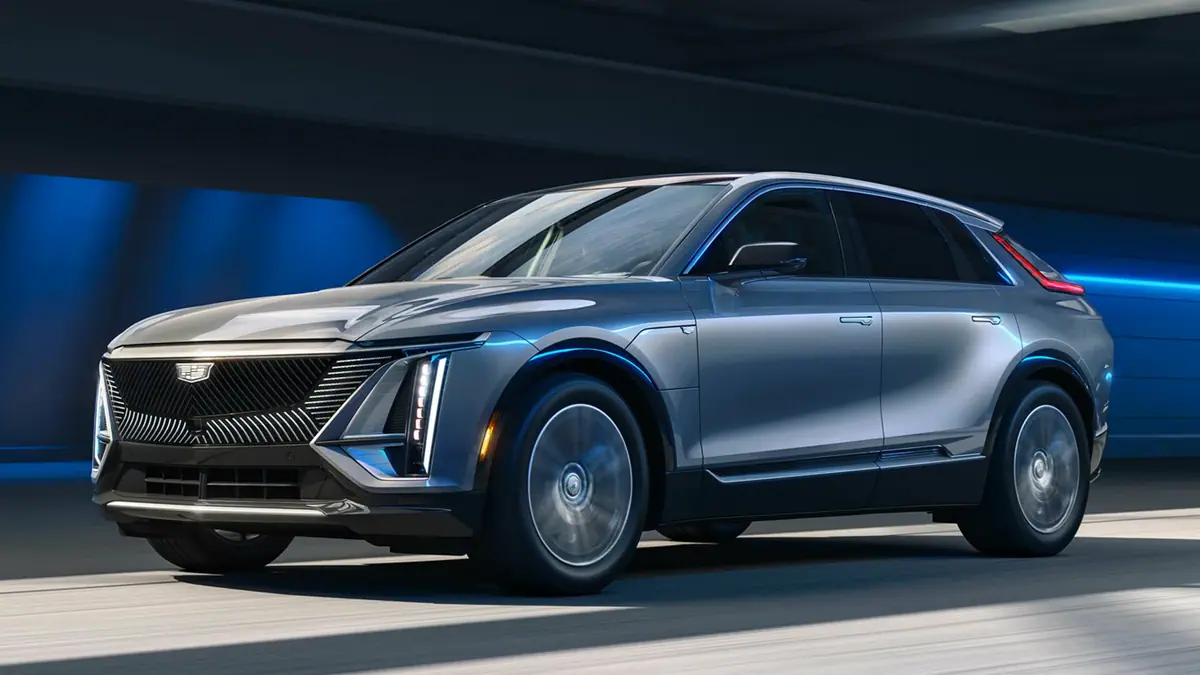
Electrification Has Not Eliminated the Questions
Cadillac has built out a broad electrified lineup, but the brand's expansion into EVs has not prevented concerns about the overall ownership experience.
The ACSI report does not identify specific Cadillac models as the source of the decline. It also does not say that electrification itself caused the lower score.
What the study does show is that customer satisfaction increasingly depends on more than traditional mechanical quality. Technology, software, digital services and other parts of the ownership experience now play a significant role.
That is especially relevant as automakers add more software and connected features to their vehicles. J.D. Power found that infotainment was the only major category in its 2026 Initial Quality Study to show an increase in reported problems, with connectivity issues involving Android Auto and Apple CarPlay among the contributors.
Vehicle Quality Is No Longer Just About the Hardware
For traditional automakers, maintaining consistent quality becomes more complicated as vehicles become increasingly software-defined.
A vehicle can be well assembled and mechanically sound while still frustrating its owner if the infotainment system freezes, connectivity fails or another electronic feature behaves unpredictably. Those issues can shape the overall ownership experience just as much as more traditional mechanical problems.
That does not prove software problems caused Cadillac's ACSI decline. The ACSI data does not make that connection at the individual-brand level. But the broader industry data shows why software and connectivity have become an increasingly important part of how owners judge their vehicles.
For GM, the 2026 results are particularly noteworthy. Some of its brands continue to perform reasonably well in other quality measurements, while Cadillac and Buick experienced some of the sharpest satisfaction declines in the ACSI study.
Toyota Moves to the Top Again
Against that backdrop, Toyota stands out for a very different reason.
Toyota recorded an ACSI score of 83 in 2026, up 1% from the previous year, giving it the highest score among mass-market nameplates and the highest overall score in the study. Honda followed at 80, while Subaru finished at 81 after a 5% decline.
The broader market picture is also revealing. Overall automobile satisfaction fell 1% to 78, with mass-market brands also at 78. Luxury brands dropped 3% to the same 78-point level.
For U.S. car shoppers, the numbers highlight an important distinction: a brand's reputation or positioning does not necessarily translate into a higher owner-satisfaction score. The ACSI measures what owners actually report about their experience with their vehicles and the brands behind them.
For GM, meanwhile, the 2026 results put particular attention on Buick and Cadillac after both brands recorded the largest declines in the study.
You may also be interested in the news:
Best Sedans for Interior Space: The Roomiest Cars of 2026
These six sedans offer generous legroom and shoulder room, giving families a comfortable alternative to larger SUVs for long trips.

Best Cars for Teen Drivers: Affordable and Safe Picks
These affordable used and new vehicles combine strong safety ratings, reliability, and reasonable prices for young drivers and their families.
These Used Cars Could Save You Thousands on Repairs, According to Experts
For many drivers, reliability and maintenance costs are just as important as the purchase price when choosing a used car.
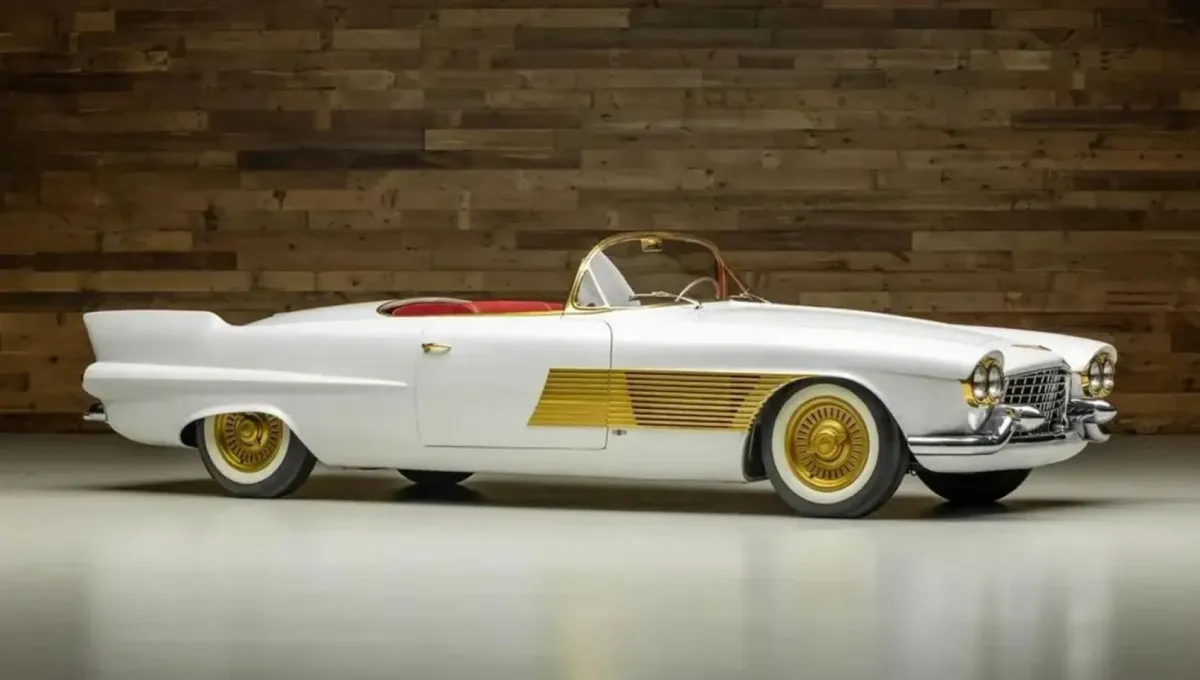
Gilded 1953 Cadillac Sells for a Record $1.275 Million
The unique Cadillac Elegante, featuring an Italian aluminum body and 24-karat gold trim, went to auction for the first time more than 70 years after it was built. It became the most expensive Cadillac ever sold at public auction.

How Much Did American Cars Cost in the 1950s, and Who Could Afford Them?
American cars of the 1950s were large, powerful, and heavily chromed, but how much did they actually cost, and who could afford them?