
Study Finds Tailpipe Emissions Are No Longer Cars’ Biggest Pollution Source
Stricter engineering standards have made engines much cleaner, but other factors still have a major environmental impact.
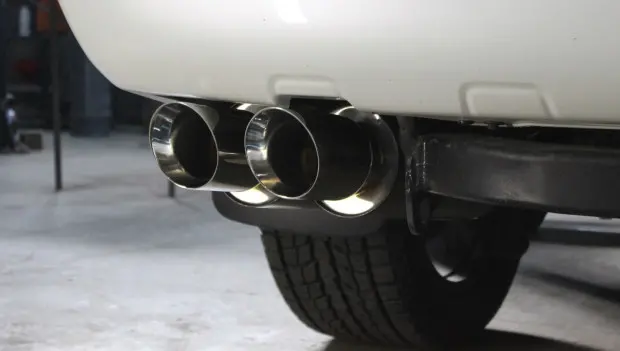
Researchers at Graz University of Technology have found that exhaust fumes are no longer the main source of air pollution caused by cars. While modern regulations have significantly cleaned up engines, other contributors now play a much larger role in harming the environment.
According to the study, tailpipe emissions now account for less than 10% of particulate pollution under typical driving conditions. The bulk of the problem comes from elsewhere: brake wear, tire abrasion, road surface erosion, and dust kicked up by passing vehicles.
With the introduction of the new Euro 7 standards in Europe in 2026, emissions from brakes are expected to drop by about 80% by 2040, thanks to improved materials and regenerative braking systems used in electric vehicles. Particulate emissions linked to engines themselves could fall by nearly 90%.
Tires, however, remain a tougher challenge. Reducing tire wear by more than 10–20% over a decade is difficult, since safety depends on maintaining strong grip. As a result, meeting air quality limits that are set to become twice as strict by 2030 may prove difficult.
An updated emissions model developed by the researchers—one that accounts for both exhaust and abrasive particles—shows that road dust and surface wear are likely to dominate vehicle-related pollution in the years ahead.
You may also be interested in the news:

No Password Required: Hackers Remotely Took Control of Chinese EV Functions While the Vehicle Was Moving
An Australian investigation uncovered serious cybersecurity flaws that could expose connected Chinese vehicles to remote access.
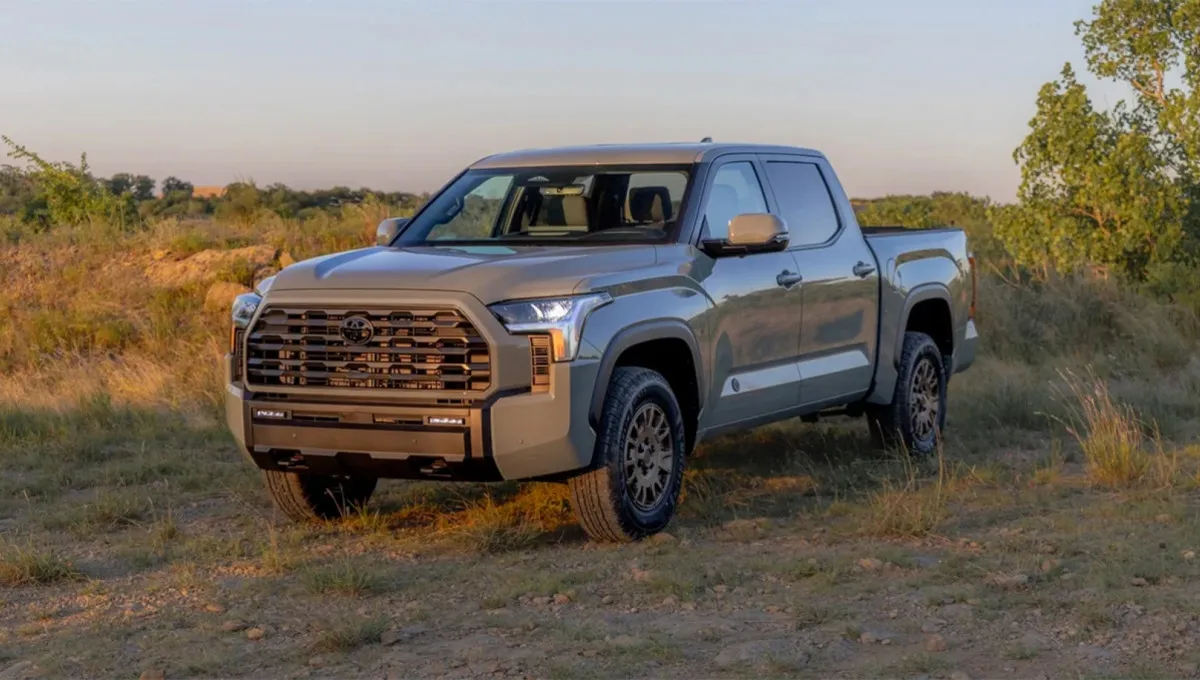
A Lifelong Ford Family Is Ready to Walk Away From F-150s for This $79K Toyota Tundra
A longtime Ford family is considering a $79,000 2026 Toyota Tundra 1794 i-FORCE MAX after questioning loaded F-150 prices.
Copart to Acquire ACV Auctions in $1.9 Billion Deal, Expanding Into Dealer-to-Dealer Car Auctions
Copart is acquiring ACV Auctions for about $1.9 billion, expanding its online auction business into dealer-to-dealer vehicle sales.
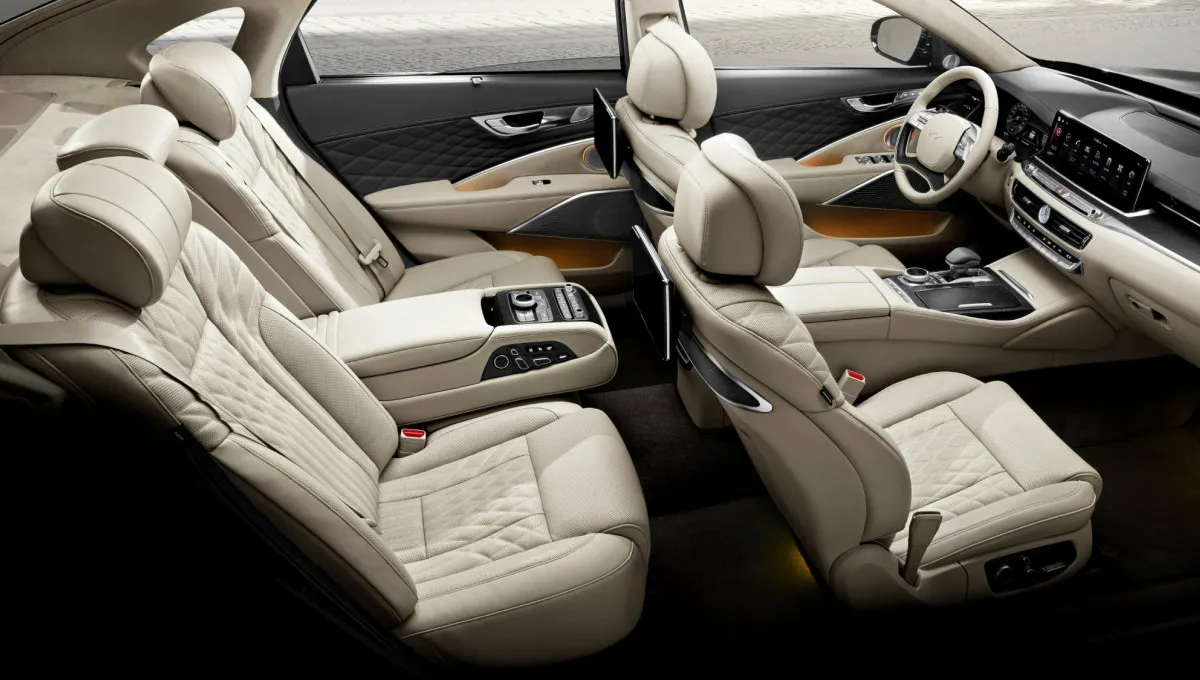
Best Sedans for Interior Space: The Roomiest Cars of 2026
These six sedans offer generous legroom and shoulder room, giving families a comfortable alternative to larger SUVs for long trips.

Best Cars for Teen Drivers: Affordable and Safe Picks
These affordable used and new vehicles combine strong safety ratings, reliability, and reasonable prices for young drivers and their families.