
7 Dependable Cars Owners Keep for a Decade or Longer
The vehicles that stay with their original owners for years usually offer a winning mix of reliability, comfort, and lasting appeal.
There are plenty of ways to find a great car. You can spend hours reading reviews, compare expert ratings, or ask a trusted mechanic for advice. But one of the strongest indicators of a vehicle’s quality is how long people actually keep it. When owners hold onto the same car for close to a decade—or even longer—it’s usually because it continues to deliver year after year. Here are seven vehicles that owners are famously reluctant to part with.
1. Audi TT
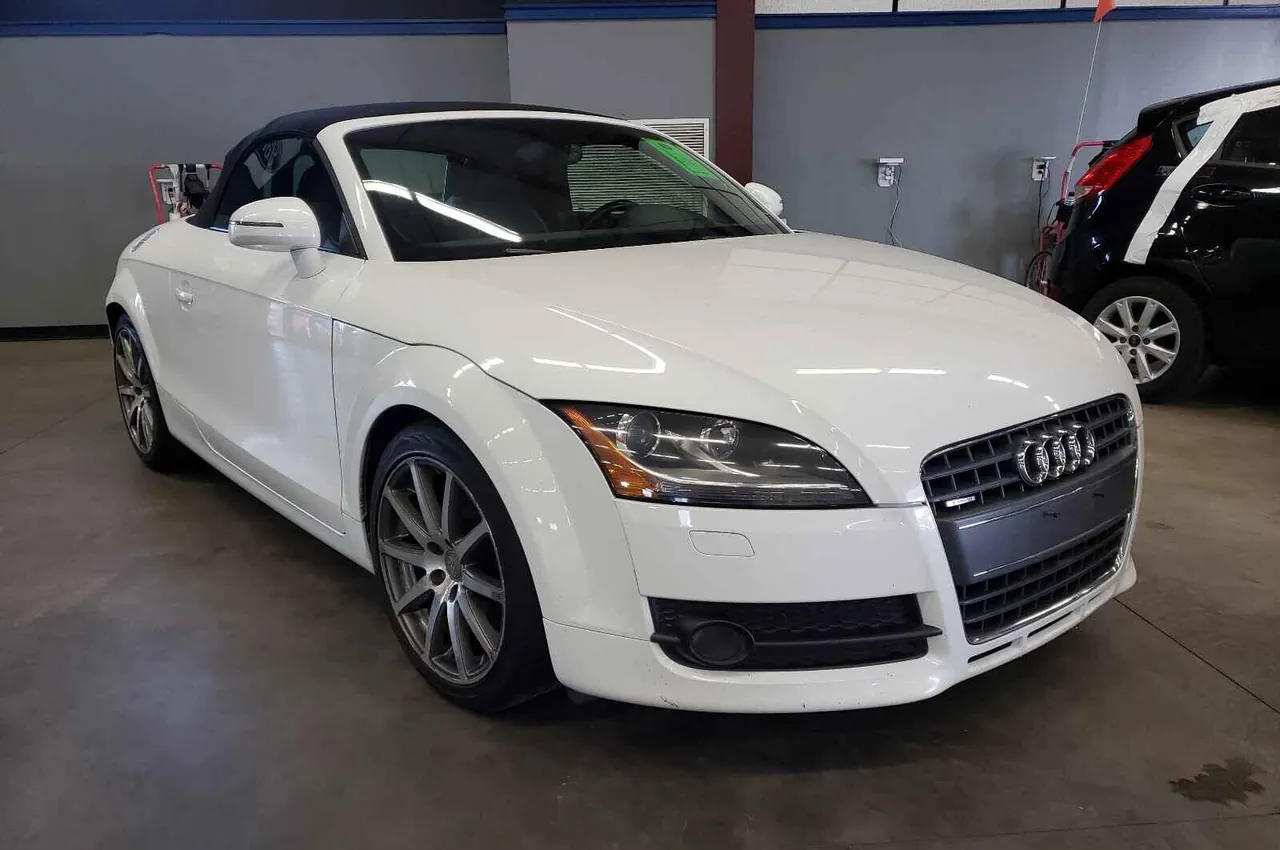
The Audi TT debuted in 1998 and has been offered as both a coupe and a roadster across three generations. Among enthusiasts, the second-generation model (2006–2014) is often considered the sweet spot thanks to its balance of performance, styling, and reliability. Owners typically keep their Audi TT for around nine years, with quattro all-wheel-drive versions proving especially popular.
2. Toyota 4Runner
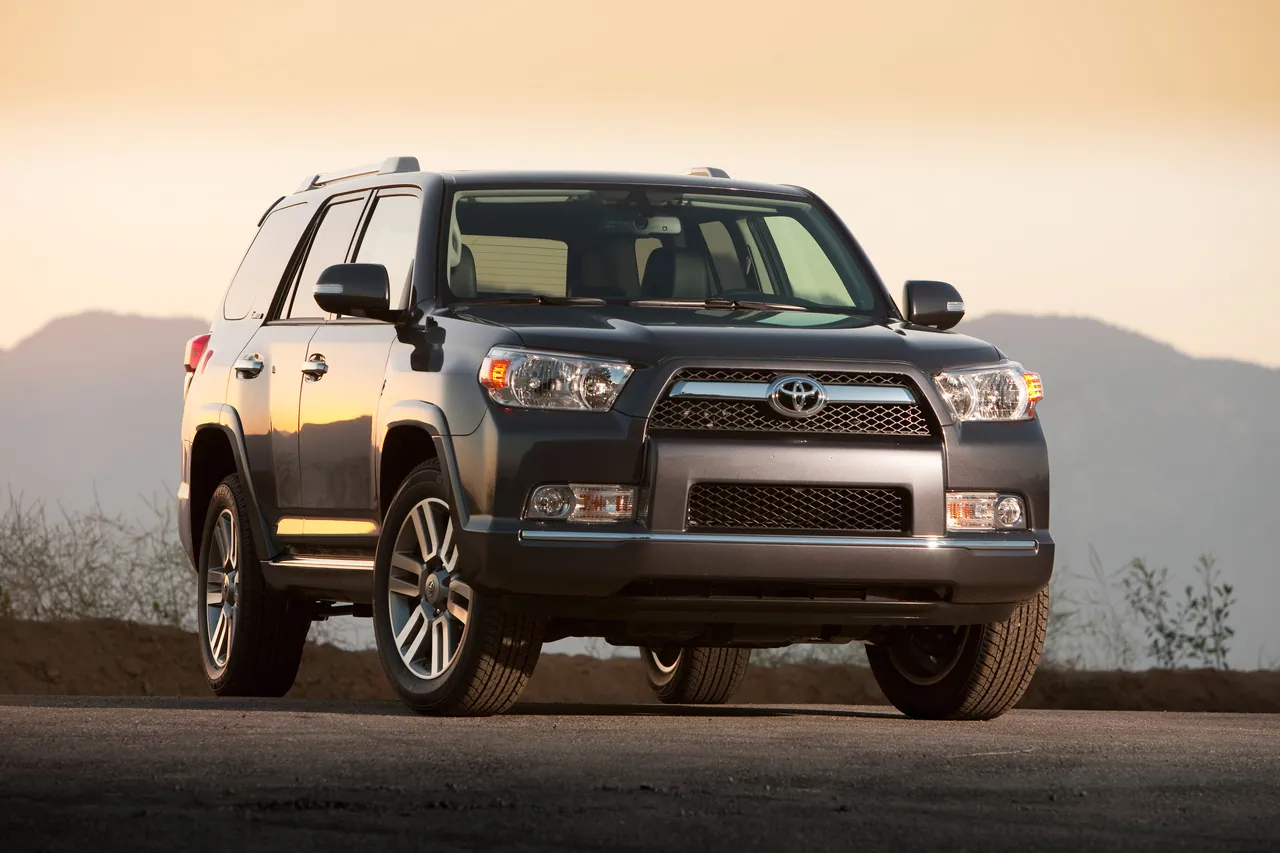
The Toyota 4Runner has long been one of the most respected midsize SUVs when it comes to durability. Reaching 186,000 miles (300,000 kilometers) is hardly unusual for this model, and many examples go well beyond that mark with proper maintenance. It’s no surprise that original owners often keep their 4Runners for about nine years before considering a replacement.
3. Toyota Avalon
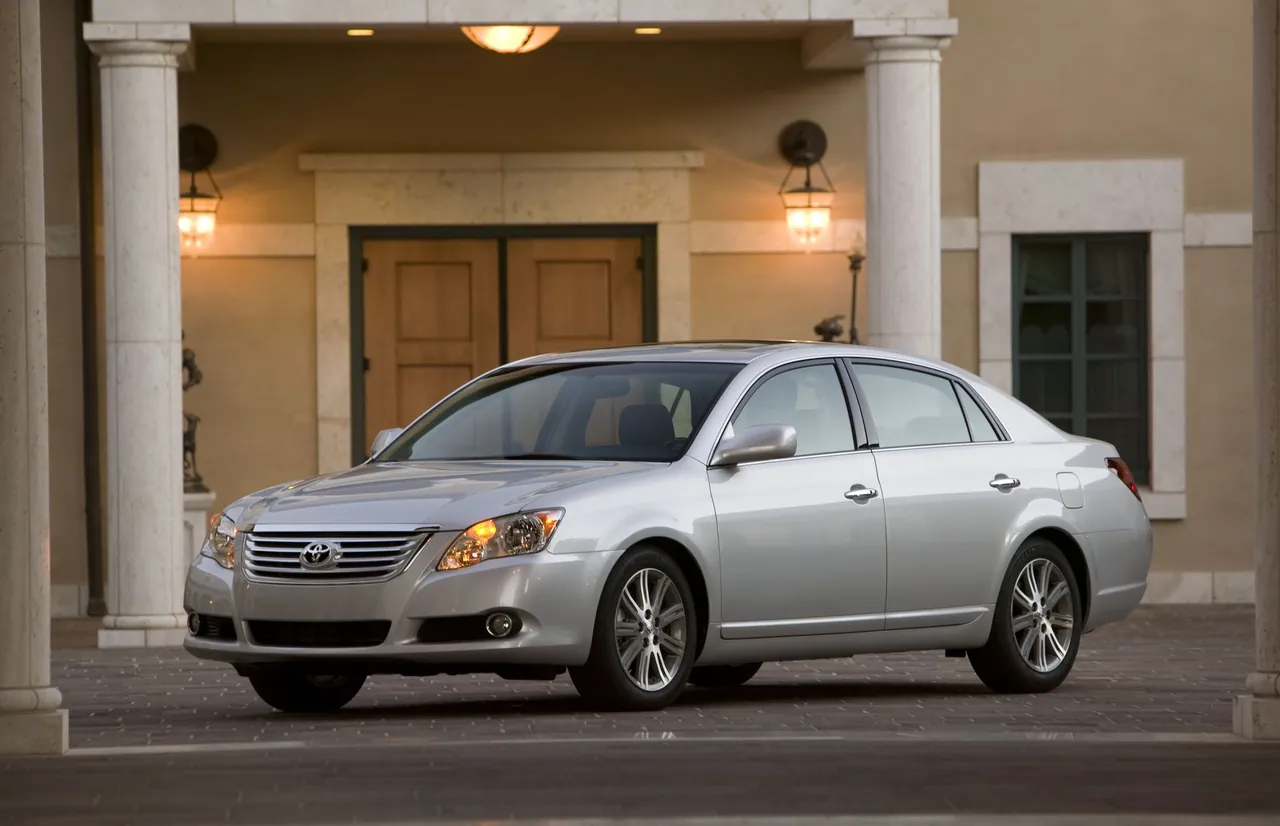
Although the Toyota Avalon has never matched the sales numbers of the Camry or Corolla, it has earned an outstanding reputation for long-term dependability. Buyers appreciate its powerful engine, upscale interior, and comfortable ride, making it a sedan that many owners are happy to drive for years without feeling the need to upgrade.
4. Chevrolet Corvette
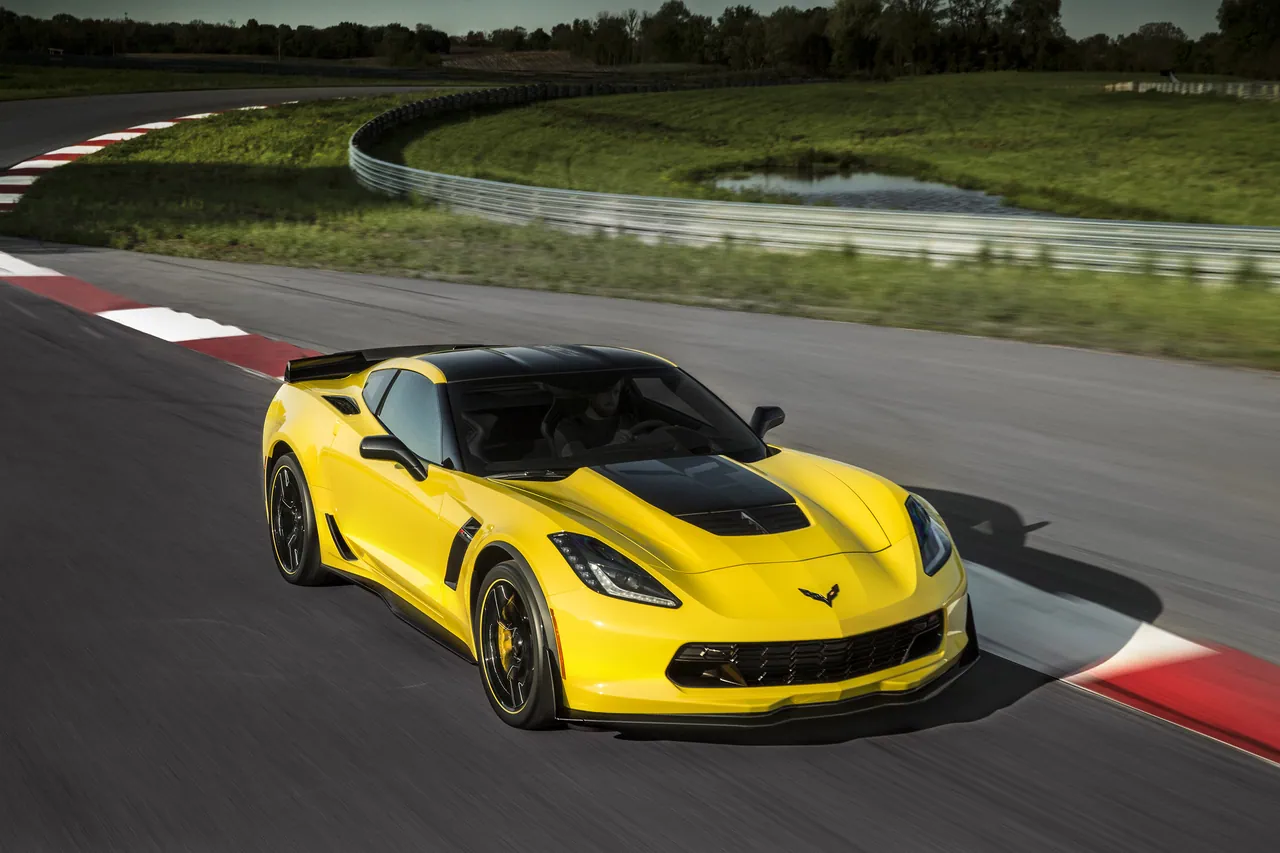
For countless enthusiasts, owning a Chevrolet Corvette is the fulfillment of a lifelong dream. More than 65 years after the original model debuted, the Corvette still retains the unmistakable styling and performance that made it an American icon. Owners tend to treasure these sports cars, keeping them for an average of about nine years before letting them go.
5. Ford Explorer
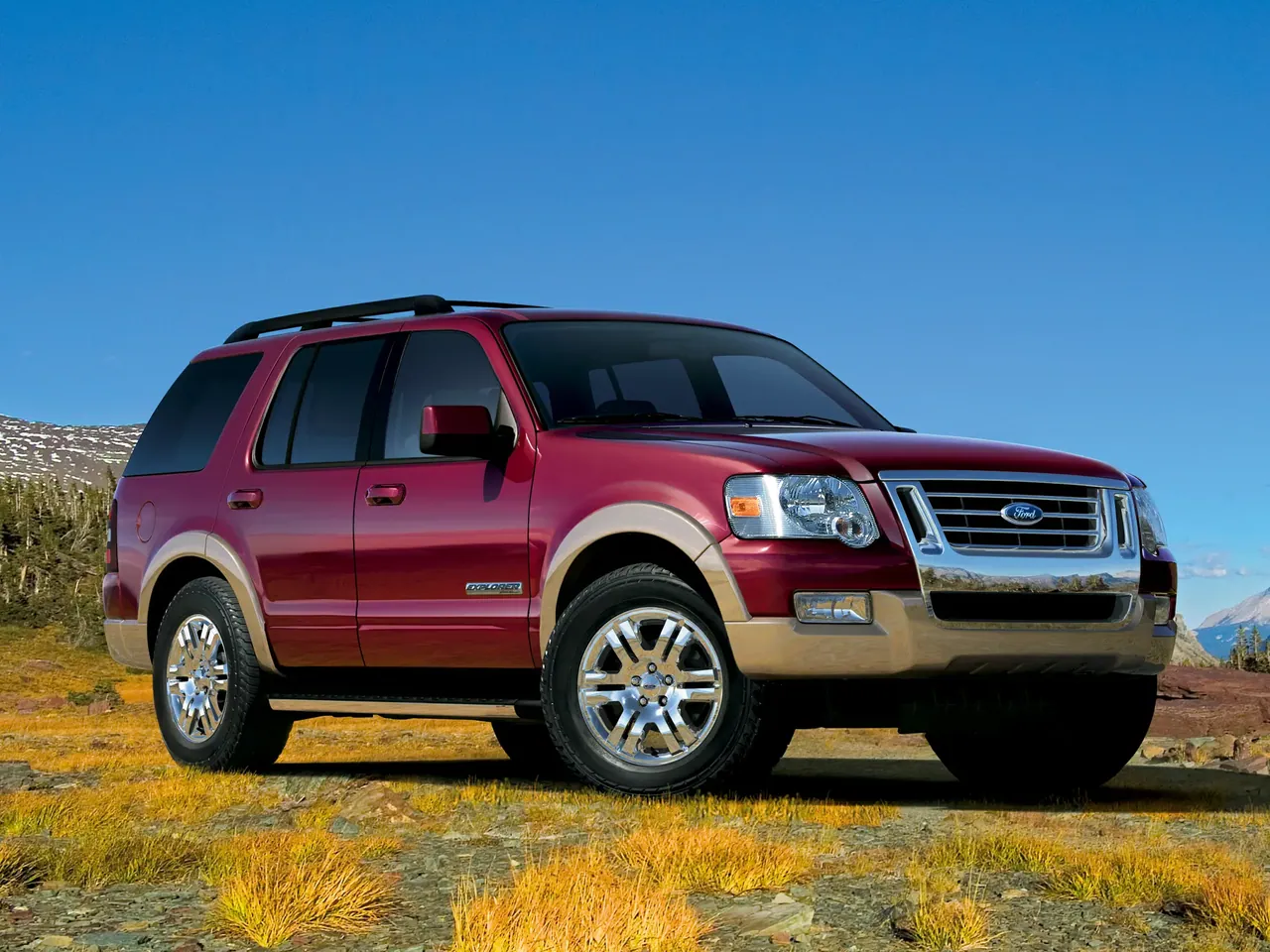
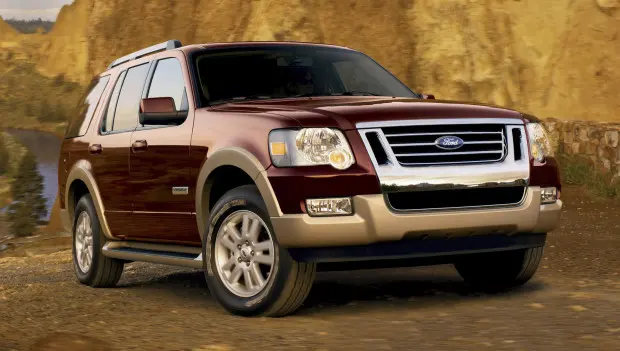
The Ford Explorer started out as a body-on-frame SUV with respectable off-road capability. Beginning with the fifth generation introduced for the 2011 model year, it transitioned to a unibody crossover design. Despite the change, the Explorer has remained one of America’s most popular family SUVs, and owners typically keep theirs for roughly nine years before buying a new vehicle.
6. Porsche Boxster
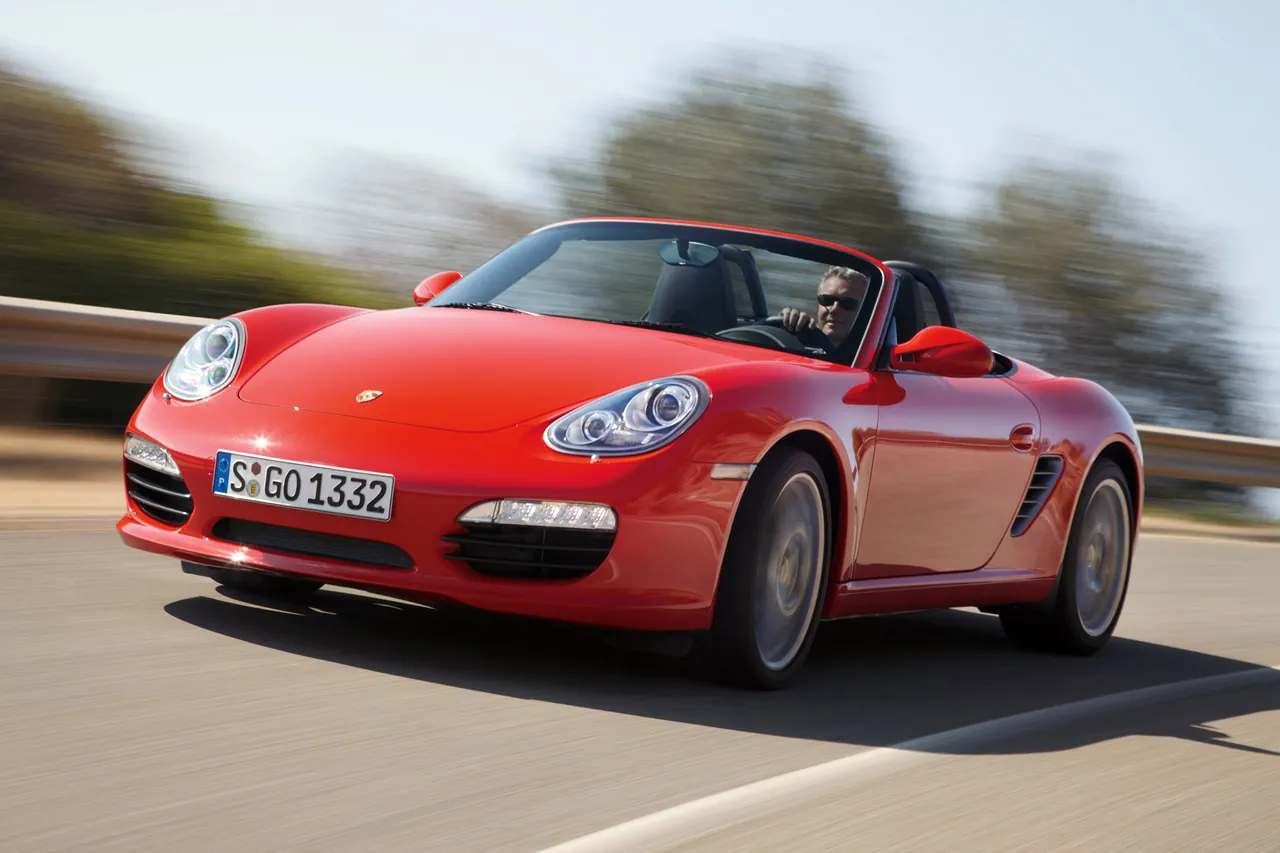
Among passenger cars with the highest owner retention rates, the Porsche Boxster stands out. Drivers keep these German roadsters for an average of about 10 years, thanks to timeless styling, engaging performance, and solid reliability. Early first- and second-generation models, in particular, have earned praise for their durability, including favorable results in inspections conducted by Germany’s respected TÜV organization.
7. Toyota Land Cruiser
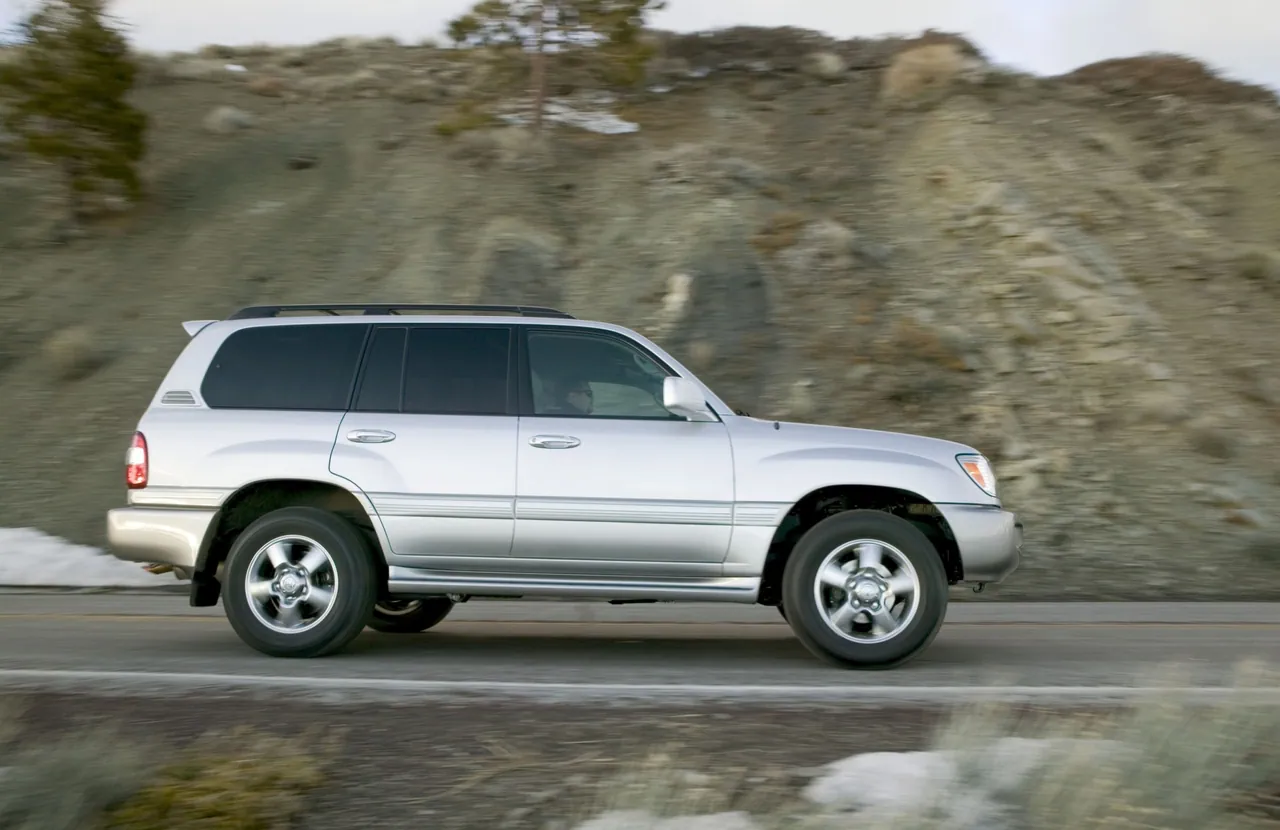
When it comes to traditional body-on-frame SUVs, the Toyota Land Cruiser consistently ranks among the most trusted choices. Compared with rivals such as the Range Rover and Mercedes-Benz G-Class, many owners consider the Land Cruiser the benchmark for long-term reliability. Its proven engineering has stood the test of time, helping owners keep these SUVs for an average of 11 years before moving on.
You may also be interested in the news:
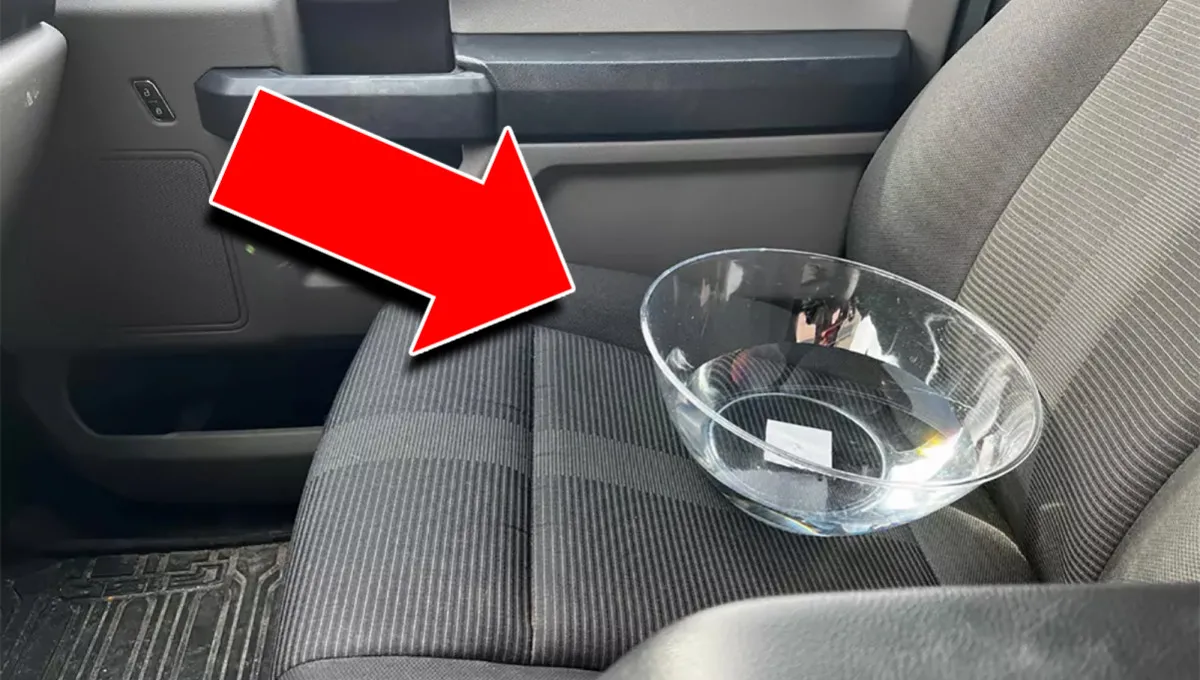
Why Are Drivers Putting a Bowl of Water in Their Cars? The Strange Fuel-Saving Trick Explained
Experts suggest several unconventional ways to cut fuel costs, from a bowl on the passenger seat to a lighter trunk.
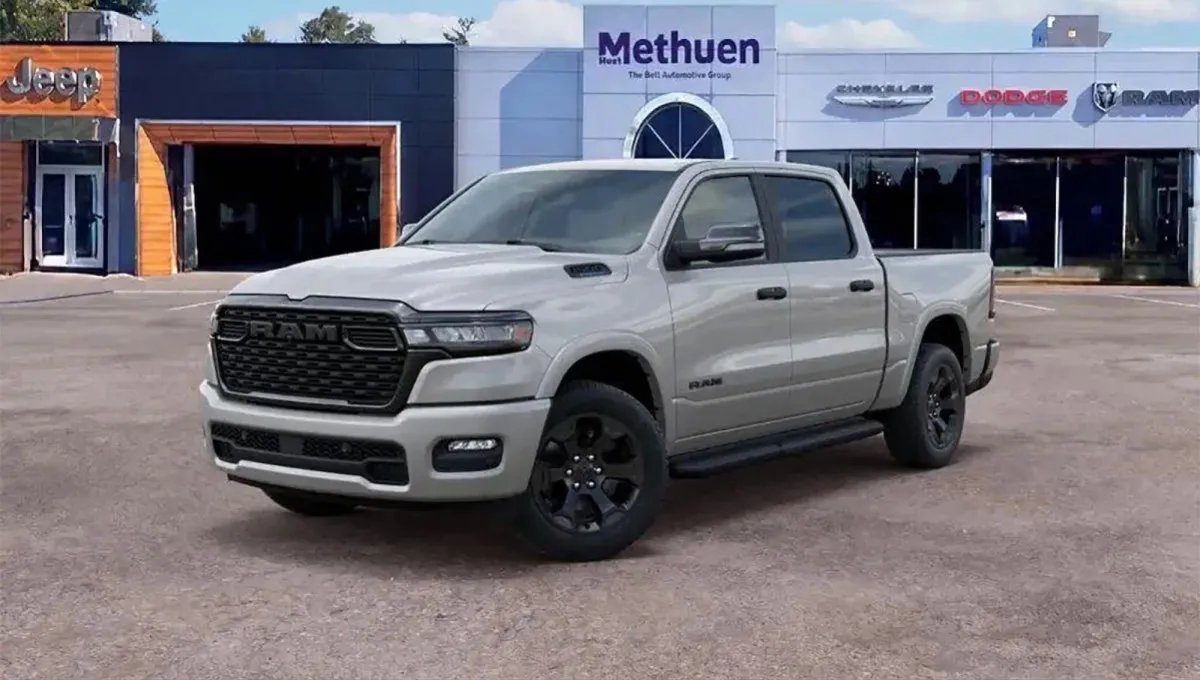
Ram 1500 Battery Drain Posts Are Everywhere, But One Owner's Storage Mode Trick Worked After 6 Days at the Airport
Leaving Your Ram 1500 at the Airport? This Hidden Setting Could Keep the Battery From Dying

No Password Required: Hackers Remotely Took Control of Chinese EV Functions While the Vehicle Was Moving
An Australian investigation uncovered serious cybersecurity flaws that could expose connected Chinese vehicles to remote access.
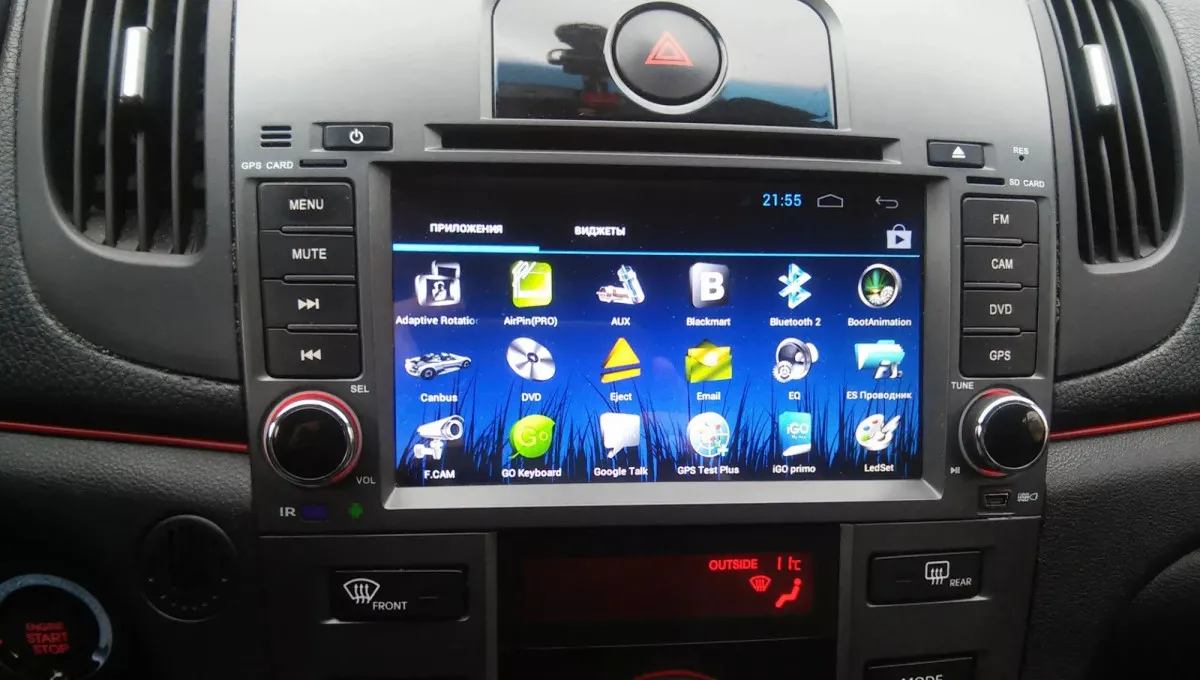
Your Old Car Can Feel New Again With These 7 Upgrades That Actually Make a Difference
Modernizing an Older Car: Better Audio, Navigation, Safety and Everyday Tech. An older car does not have to feel outdated when a few smart upgrades can transform everyday driving.
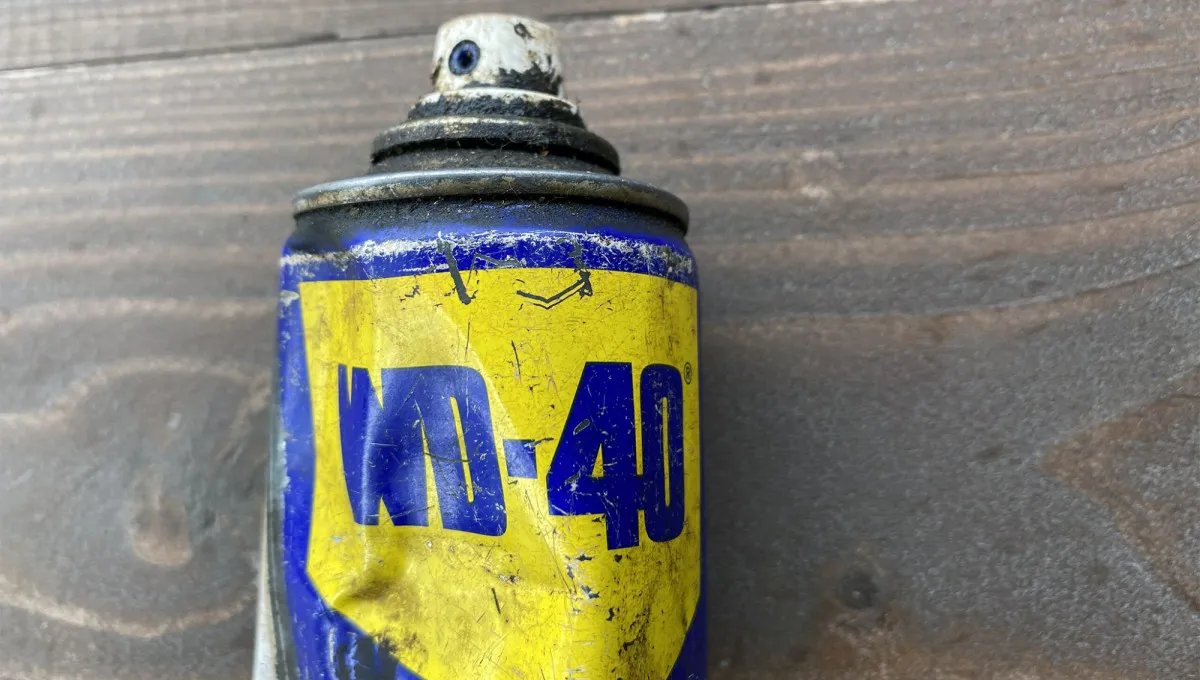
Expert Cautions: Spraying This on These 10 Car Parts Could Make the Problem Worse
WD-40 solves many automotive problems, but using it on the wrong parts can cause expensive damage.