
Why U.S. School Buses Have Black Stripes on the Sides — And What They’re Really For
At first glance, it’s hard to imagine what could be so interesting about American school buses.
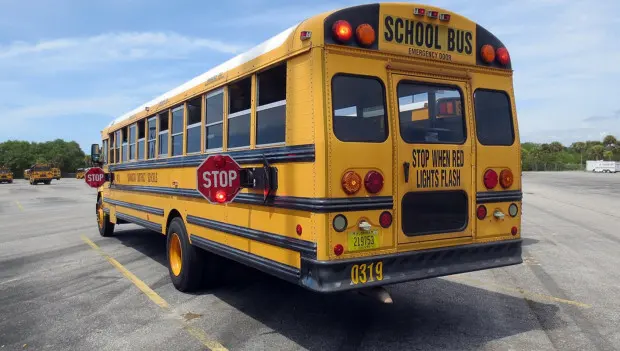
Bright yellow, hooded in design, and instantly recognizable, American school buses have become one of the enduring symbols of the United States—right up there with hamburgers, the Hollywood sign, and classic roadside diners. Built to transport millions of children every day, these buses look largely the same today as they did in the 1960s and ’70s. But that impression can be misleading.
Take a closer look and you’ll notice a distinctive detail running along the sides of nearly every U.S. school bus: long black horizontal stripes. They’re easy to spot, yet few people outside the industry know why they’re there.
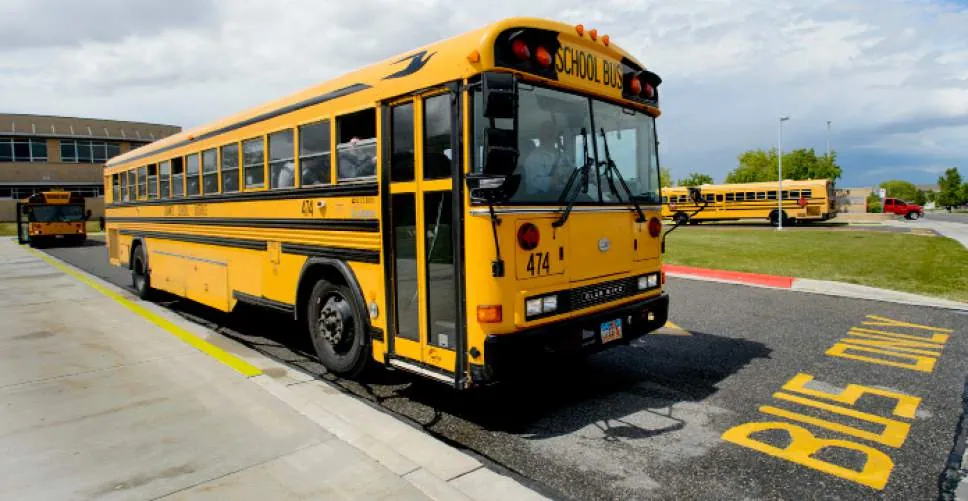
So what are those black stripes for? They’re not decorative accents. In fact, they’re metal reinforcement rails that run the length of the bus body. While they’re usually black, the color can vary depending on the manufacturer or fleet requirements. Their purpose is entirely practical—and safety-related.
These steel rails are installed on all buses used to transport schoolchildren across cities and suburbs in the United States. You’ll find them on both modern buses and decades-old models alike. Regardless of brand or age, nearly every school bus carries these side reinforcements, and they serve several critical functions.
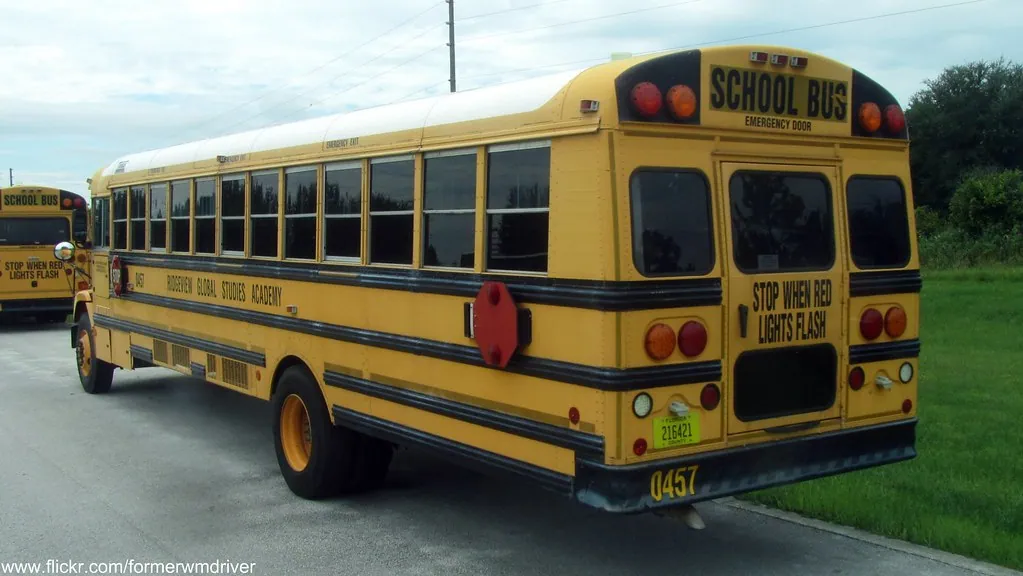
First and foremost, they strengthen the bus’s side panels, which are otherwise made from relatively thin sheet metal. In the event of a side, rear, or angled collision, the rails help absorb and distribute impact forces, providing added protection for passengers. Essentially, they act as built-in safety beams. Made from thick steel and attached with rivets, they’re designed to be replaceable if damaged.
Second, these reinforcements aren’t placed randomly. According to school bus drivers and safety experts, they’re positioned at specific structural points—around the floor level, and near the lower and upper sections of the seats—where extra strength is most needed.
There’s also a less obvious benefit during serious accidents. If emergency responders—typically firefighters in the U.S.—are called to the scene, damage to these reinforcement rails can help them quickly assess the direction and severity of the impact. That information can offer clues about where the bus was hit hardest and what types of injuries passengers might have sustained.
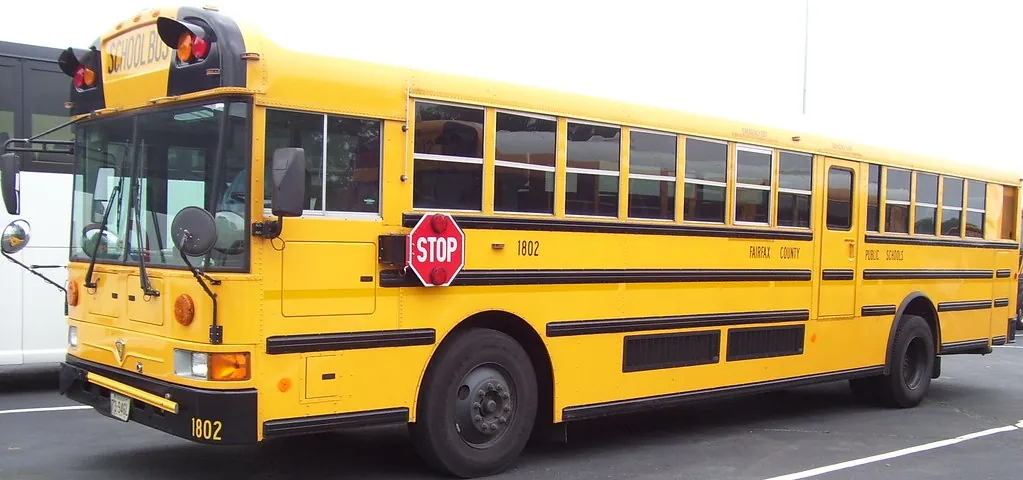
Finally, on a more everyday level, the rails double as protective body moldings. They help shield the bus from minor scrapes, dents, and parking lot damage that can occur during daily operation.
The use of these side reinforcement rails on American school buses isn’t optional. Their installation is mandated by the U.S. Department of Transportation. Federal regulations require multiple corrugated steel guardrails to be mounted along the sides of the bus—typically at floor level, seat level, and window-sill height—to maximize structural rigidity and passenger protection. What looks like a simple black stripe is actually a carefully engineered safety feature designed to protect children every day.
You may also be interested in the news:
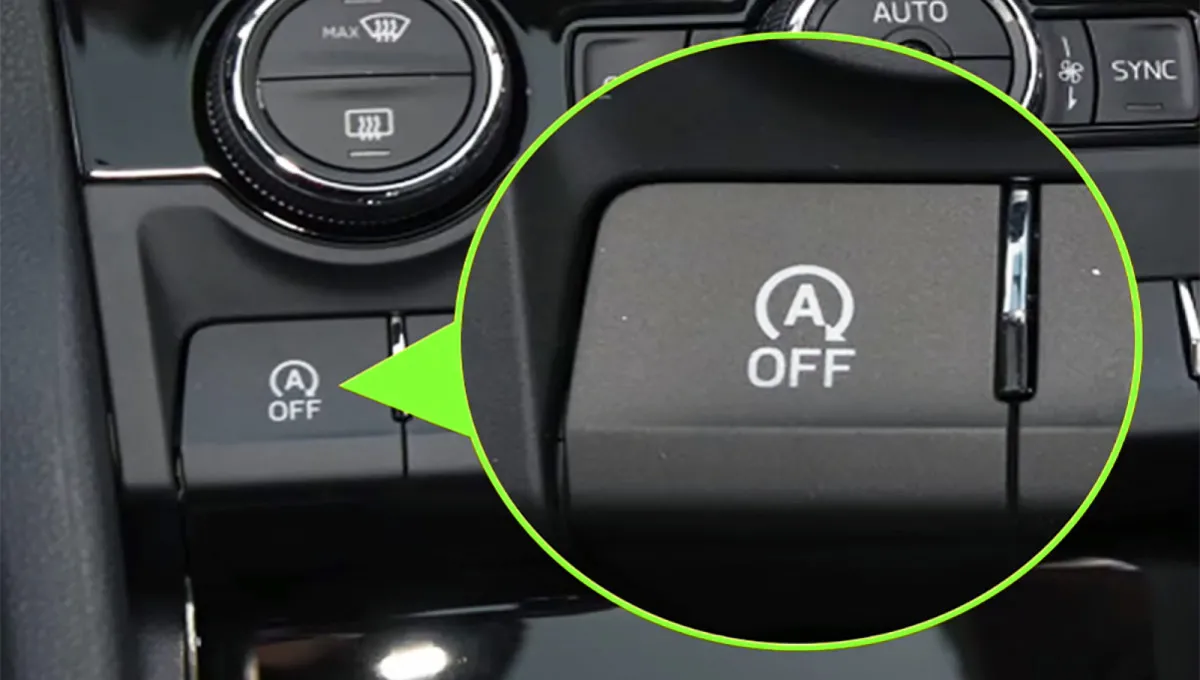
Start/Stop Systems Are Everywhere — But Are They Really Saving You Gas or Wearing Out Your Engine?
Does start-stop technology really save fuel, and does it put extra wear on the engine? Here’s what drivers need to know.
3 Signs Your Car Battery Is About to Die — And the Warning Signs Drivers Often Miss
A failing car battery rarely dies without warning, and these three signs can give drivers time to act before getting stranded.
Mansory Gives the Rolls-Royce Cullinan a Wild New Look With Carbon, Orange and 720 HP
Mansory has transformed the Rolls-Royce Cullinan into a dramatically styled luxury SUV with carbon fiber, orange accents and more power.
These Used Cars Could Save You Thousands on Repairs, According to Experts
For many drivers, reliability and maintenance costs are just as important as the purchase price when choosing a used car.
YouTube Has a New Problem: AI Is Creating Fake Mechanics Who Look Completely Real
Artificial intelligence is now being used to create convincing fake auto mechanics on YouTube, raising concerns about misleading advice.