
Alfa Romeo and Maserati Put on Hold: Italian Brands Teeter on the Edge
Stellantis has idled its Cassino plant and delayed new Alfa Romeo and Maserati models as weak demand and shifting EV plans force a rethink.
Stellantis has temporarily shut down its Cassino assembly plant in Italy, a key manufacturing hub for Alfa Romeo and Maserati. Demand for current models has softened, while next-generation vehicles—originally conceived as all-electric—are now being urgently reengineered to support hybrid and gasoline powertrains.
The Stellantis group has effectively hit pause on one of its most important Italian assets. Cassino, where the Alfa Romeo Giulia and Stelvio are built alongside the Maserati Grecale, is sitting idle due to a lack of orders. The vehicles are still officially on sale, but a factory designed for much higher output is running far below capacity. This is no longer a short-term slowdown—it’s a strategic problem.
The bigger issue isn’t today’s lineup, but what was supposed to come next. Future generations of the Giulia and Stelvio were developed as fully electric vehicles on the STLA Large platform, with no initial provision for hybrids or internal combustion engines. When consumer enthusiasm for EVs cooled faster than expected—and regulatory timelines grew less predictable—Stellantis was forced into an expensive course correction.
That pivot comes at a cost, especially in timing. According to industry reports, the redesigned Giulia and Stelvio are now unlikely to arrive before 2027, with related Maserati models pushed even further out. As a result, current vehicles must stay in production longer than planned—yet the assembly lines themselves are underutilized because demand simply isn’t there.
Inside Stellantis, the situation is being framed as a “reset” rather than a retreat. Fully electric versions remain part of the plan, but they will no longer be the only option. Cassino has become a clear example of how quickly an aggressive EV transition can run into trouble when product planning gets ahead of real-world demand and infrastructure.
You may also be interested in the news:
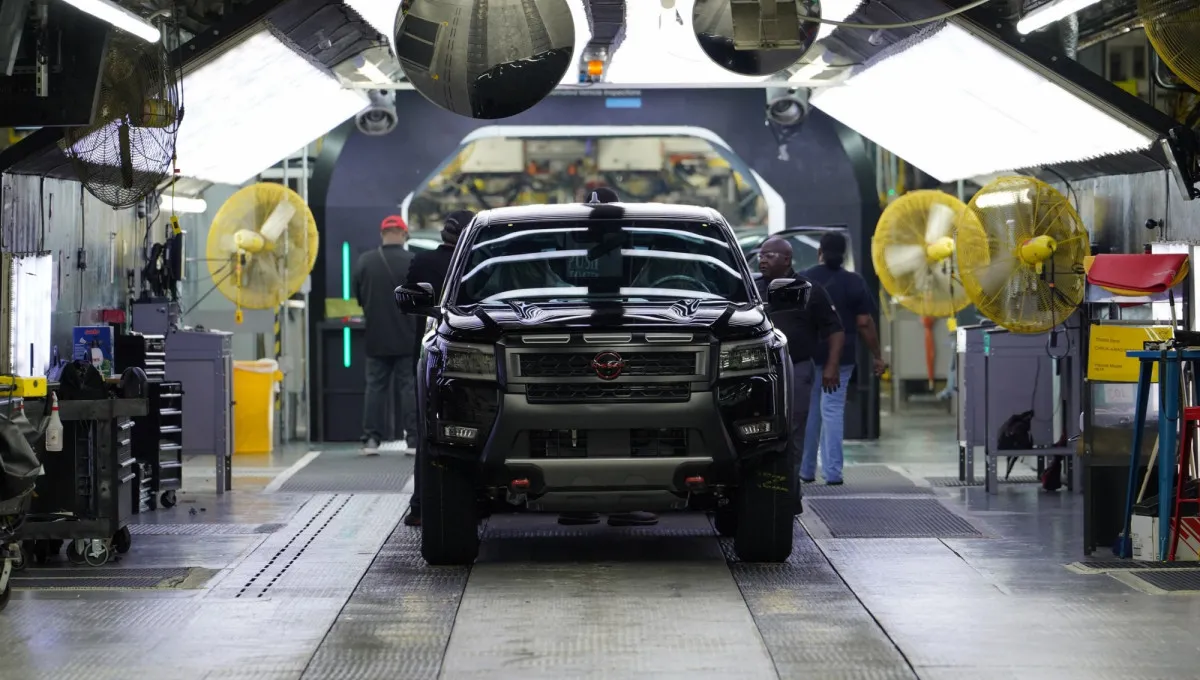
Nissan Restarts US-Made Murano, Pathfinder, Frontier Sales in Canada
Nissan resumed Canadian sales of three U.S.-built models, but tariffs keep supply below earlier levels.
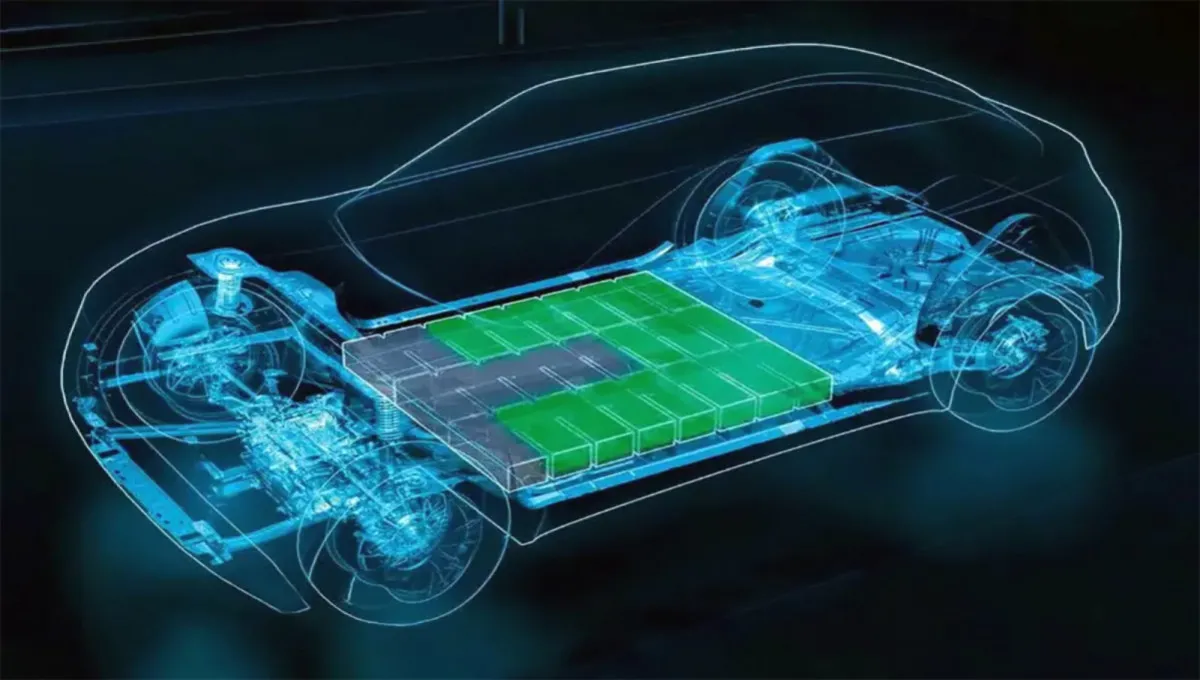
Stellantis Patents System That Lets an EV Drop Its Battery and Drive Away
A new patent details an emergency system that could let an EV disconnect its high-voltage battery and move away from danger.
Stellantis Just Revealed Nine New Cars Under $40,000 — And Two Could Cost Less Than $30K
Stellantis plans nine cheaper vehicles as high prices leave American shoppers with fewer affordable new-car choices.
Suzuki Wants to Develop New Cars Twice as Fast—And AI Will Help Make It Happen
Suzuki is planning a major overhaul of vehicle development as it looks to bring new models to market faster.
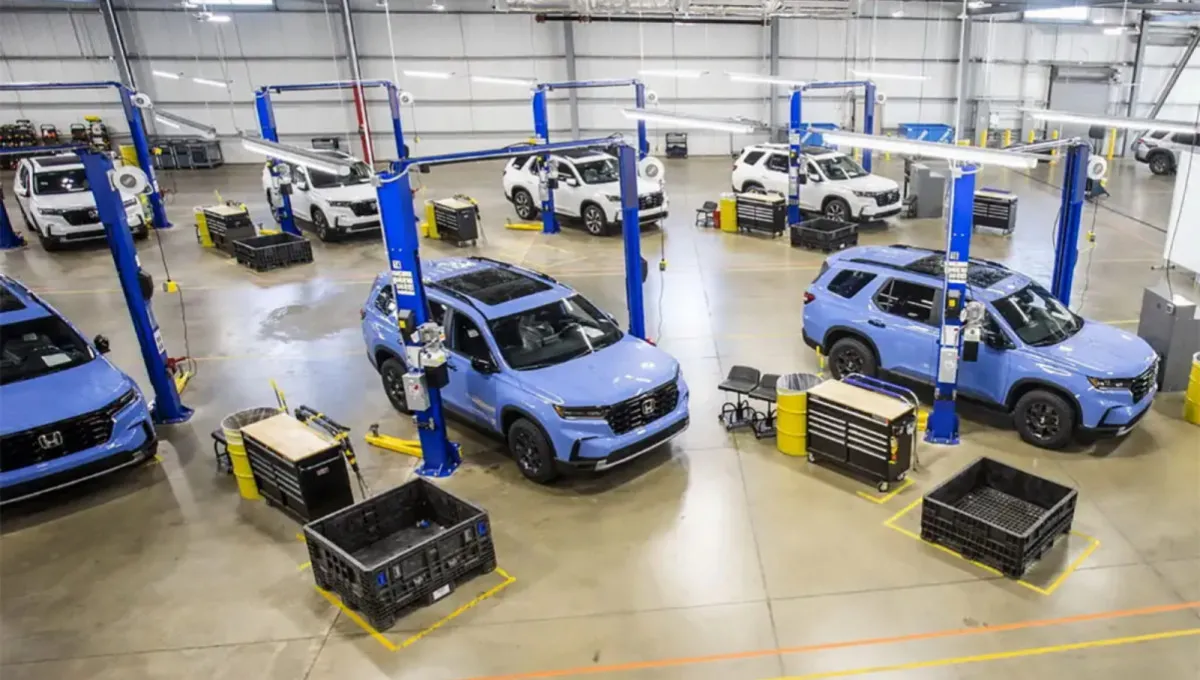
Honda Is Rethinking Its Future SUVs—and a Massive New Ohio Plant Is Coming
Honda is planning a major Ohio expansion as it shifts its future lineup toward larger hybrid SUVs.