
Not All Drivers Know This: What Are Low-Profile Tires Really For?
Let’s talk about low-profile tires—what’s their real purpose?
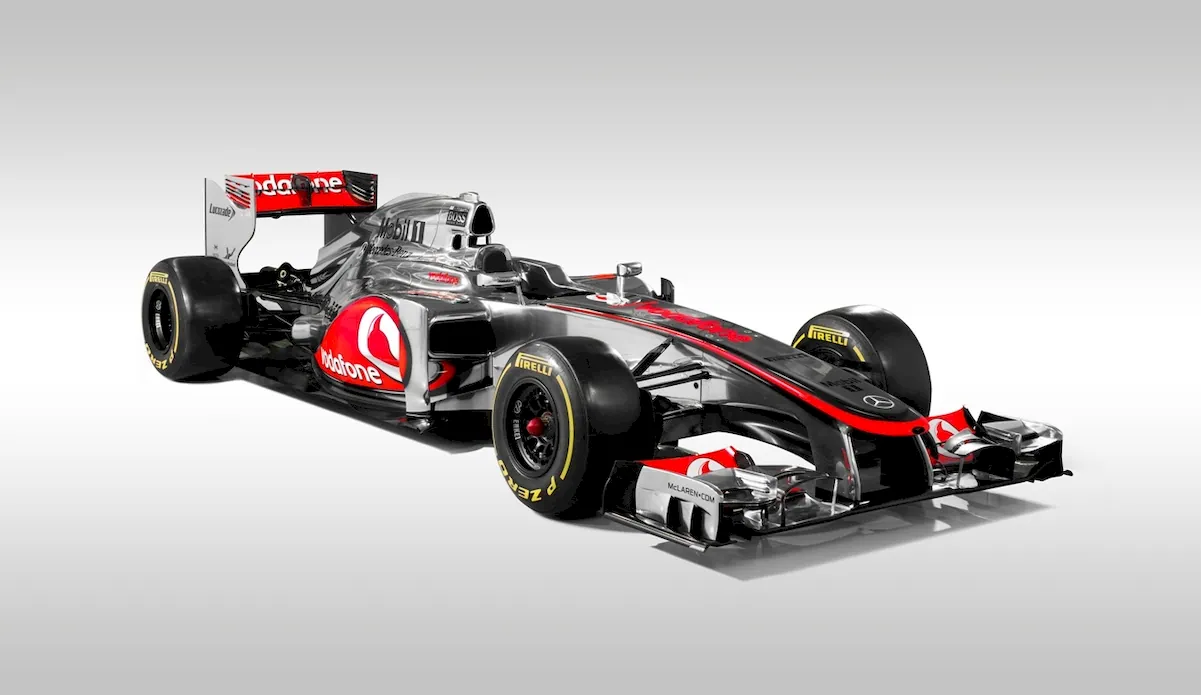
Most people, regardless of age, assume low-profile tires exist purely for looks or “show.” And it’s true that when you look at genuinely fast machines—like Formula 1 cars—the tires they use can hardly be called low-profile.
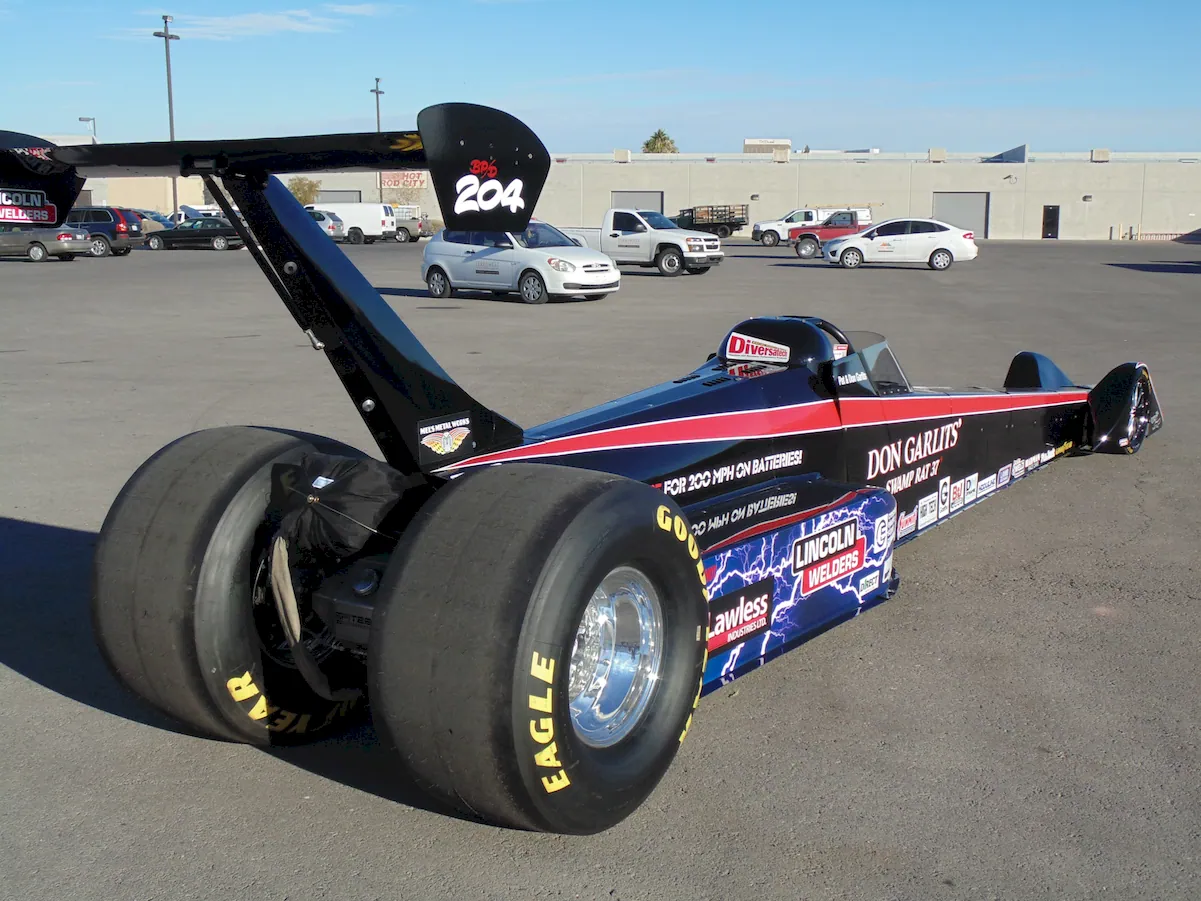
Even their close relatives, dragsters, are usually fitted with massive rear wheels where the height of the tire sidewall is comparable to the diameter of the wheel itself. So how did it happen that road cars ended up wearing what many call “rubber bands”? Is it really just about styling? Not at all.
Paradoxically, the most important component of a fast car is its brakes.
As the saying goes, “It’s not the speed that kills—it’s the sudden stop.” Being able to slow down and stop quickly and predictably is what truly matters. Almost anyone can make a car accelerate these days, especially given how easy modern vehicles make it.
That’s where friction comes into play. Modern cars, motorcycles, and even bicycles typically use disc brakes. And the larger the brake disc, the greater the friction area—and the more effective the braking performance.
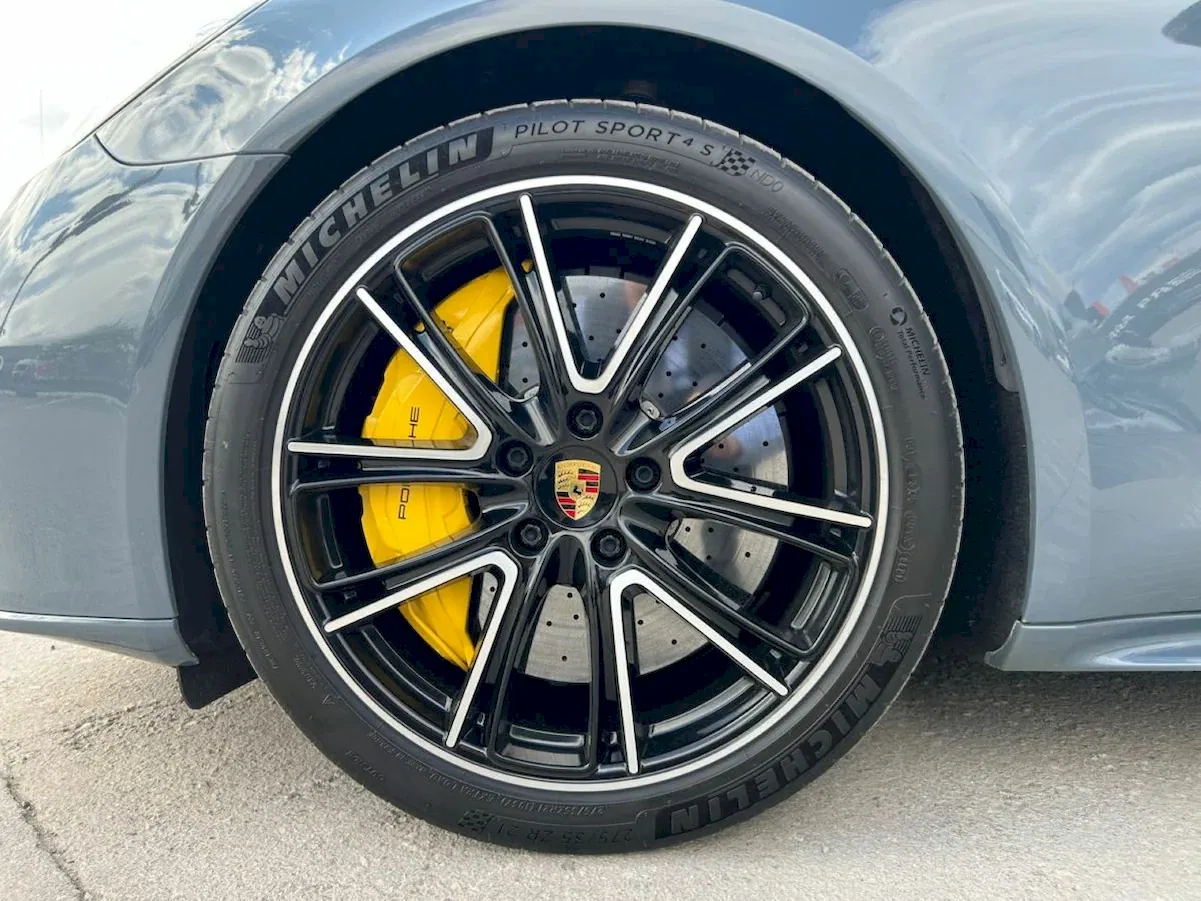
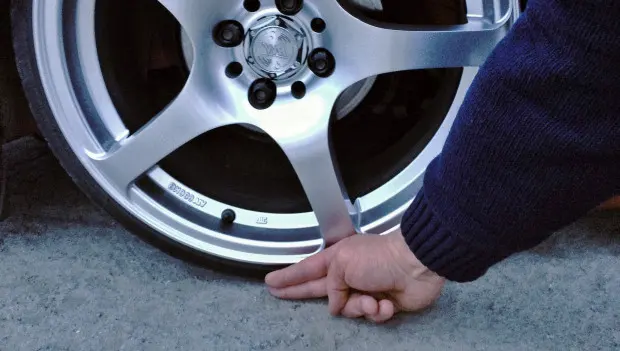
But here’s the catch: large brake rotors require large wheels. And large wheels paired with thick, tall sidewalls are a hard sell for engineers and designers concerned with aerodynamics and a sporty appearance. As a result, wheels are usually packed tightly into the wheel arches, leaving less room for tire sidewall height.
That’s where the compromise happens. To fit big wheels and big brakes without making the car look bulky or hurt its aerodynamics, the tire sidewall gets shorter. And that’s exactly how low-profile tires came to be.
You may also be interested in the news:
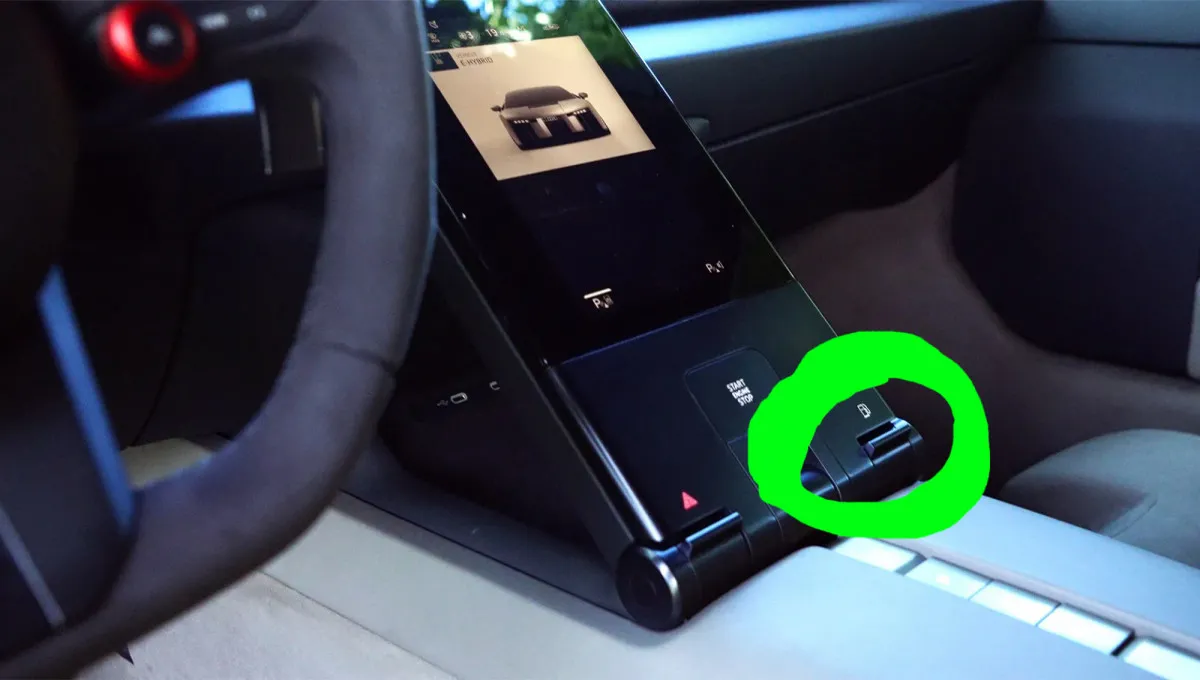
Solving the Mystery of the Audi Nuvolari’s Massive Fuel Door Button
Audi’s striking Nuvolari supercar has an unusually large fuel door button, and its placement may reveal an unexpected connection.
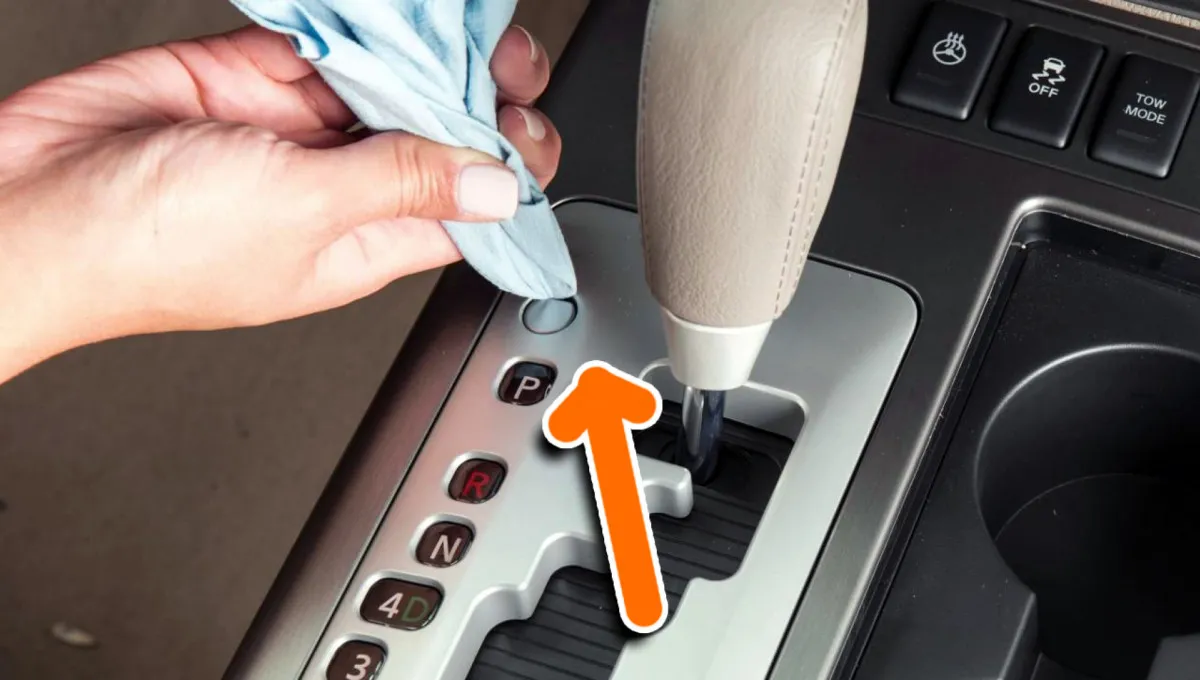
Tow Truck Driver Reveals a Hidden Car Feature That Could Save Your Life in an Emergency
A professional tow truck driver revealed a little-known feature that can help drivers move a disabled vehicle to safety.
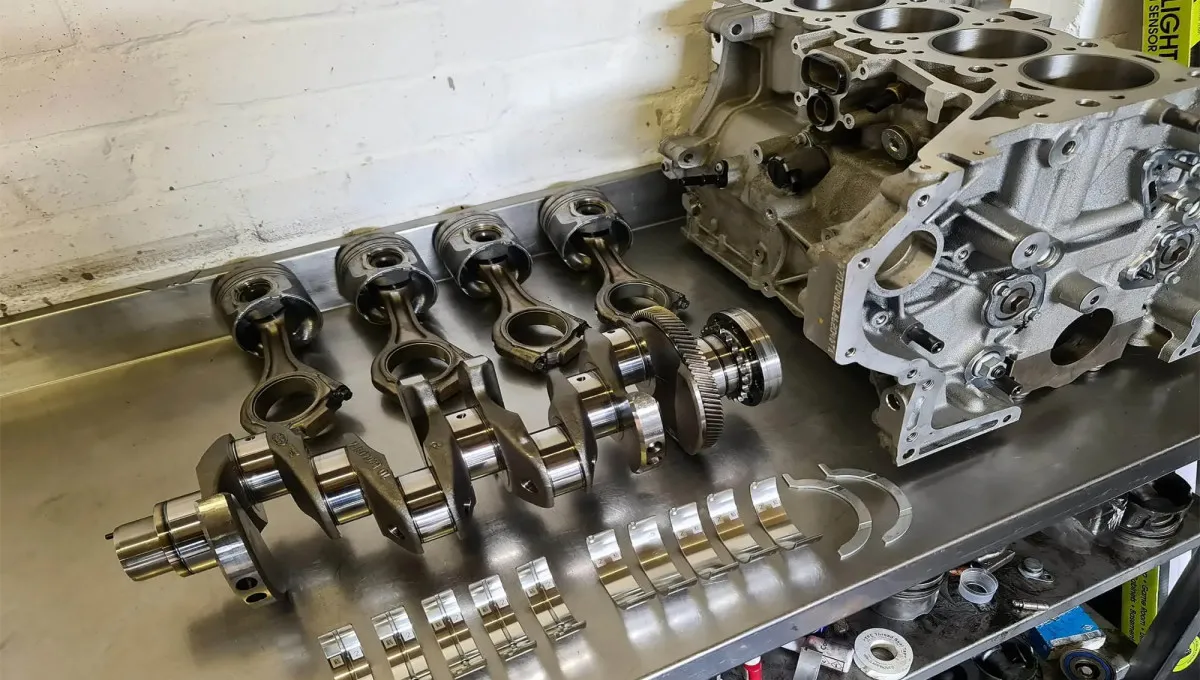
Not Ford, BMW or Audi: Mechanic Names the Car Brand That Almost Never Breaks Down
Auto repair professionals reveal which models rarely suffer major failures and which ones repeatedly end up on the lift.

What Does a Flashing Red Traffic Light Mean? Can You Keep Driving?
Drivers must come to a complete stop at the stop line before deciding whether it is safe to proceed.
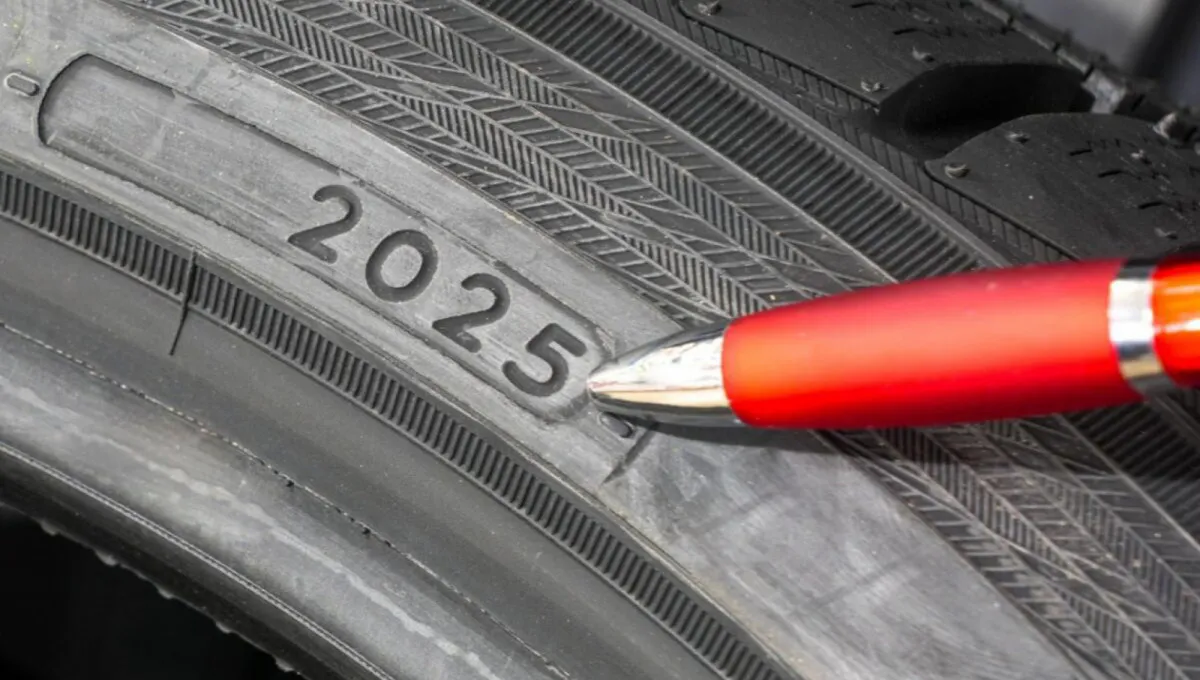
Why You Should Check a Tire’s Manufacturing Date Before Buying
Tire buyers should check more than size, tread, and brand because rubber changes with age, even without visible wear.