
“Let Them Come”: Trump Signals Openness to Chinese Automakers Leaving Russia for the U.S.
Trump says the U.S. is ready to welcome Chinese carmakers—under strict conditions
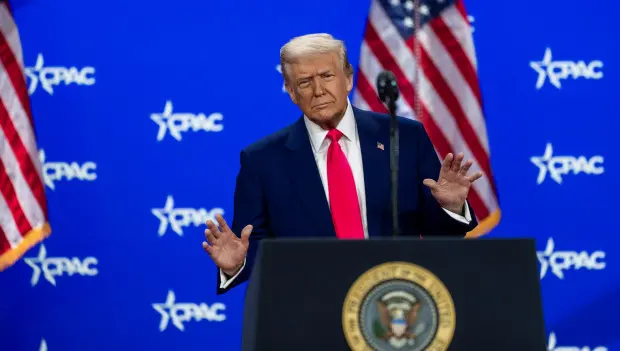
U.S. President Donald Trump has made a statement that sharply contrasts with his earlier tough-on-China rhetoric. He now says the United States is open to Chinese brands entering the country—but only if they play by rules that clearly benefit the American economy.
Speaking at the Economic Club of Detroit, Trump said he would welcome Chinese and Japanese automakers if they commit to building factories in the U.S. and creating jobs for American workers. The remarks came as a surprise, given the wave of tariffs and trade restrictions Washington imposed on China throughout 2024 and 2025.
Still, Trump’s recent meeting with Chinese President Xi Jinping suggested a push toward more stable and predictable relations between the two countries.
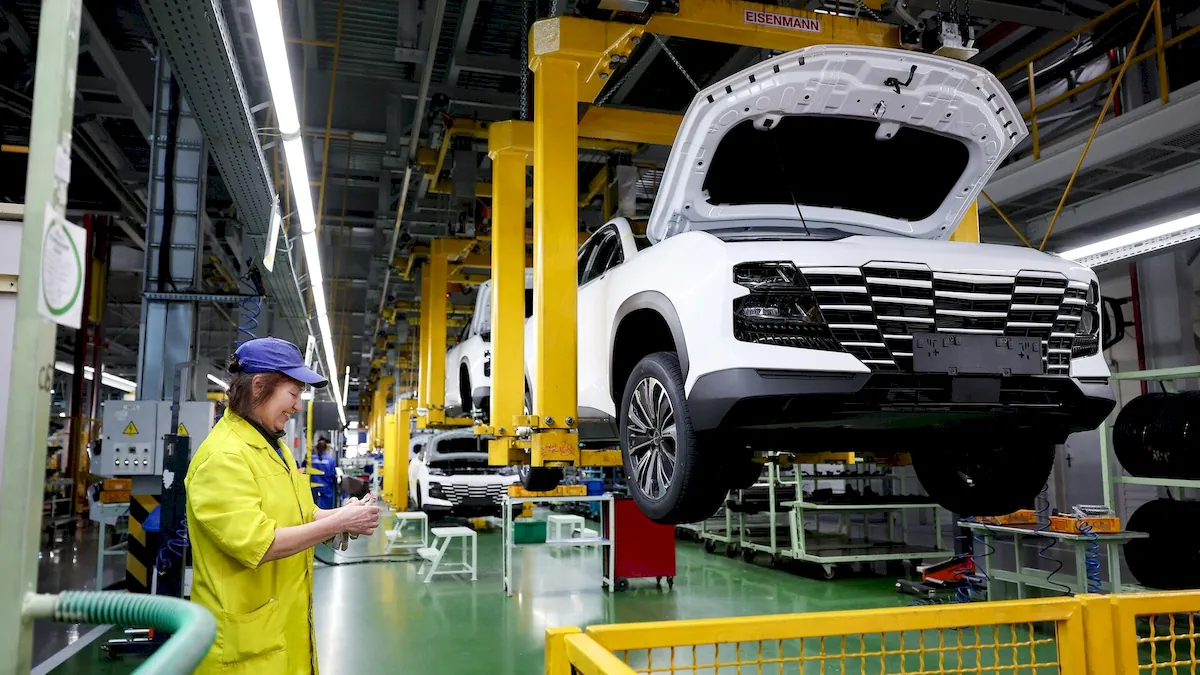
The key condition for Chinese electric vehicles is local production. Manufacturing cars in the U.S. would allow Chinese brands to sidestep steep tariff barriers. What remains unclear, however, is whether U.S. authorities would allow a large influx of Chinese engineers and specialists during the early stages of these projects—something that has been common in parts of Europe.
Geely is already exploring a possible entry into the U.S. market, while BYD and Xiaomi are also said to be considering similar moves. At the same time, America’s domestic auto industry—Ford, General Motors, and Tesla—may not be thrilled by the prospect of new Chinese competitors setting up shop on their home turf.
Trump’s stance reflects a mix of pragmatism and political calculation. On one hand, the U.S. wants foreign investment and job creation. On the other, there is growing concern about the competitive pressure Chinese manufacturers could bring.
Adding another layer of complexity, Ford is already in talks with BYD over battery supplies. That move has drawn sharp criticism from Trump adviser Peter Navarro, who has accused the Chinese automaker of engaging in what he calls “predatory pricing.”
You may also be interested in the news:
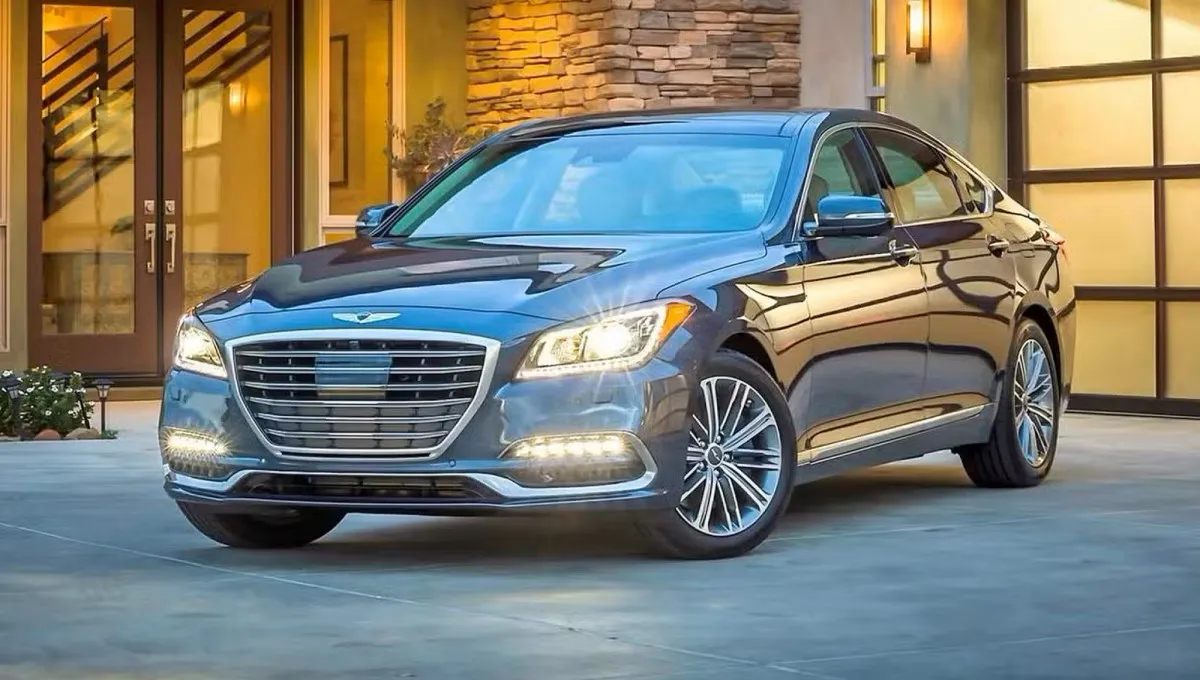
Hyundai Recalls Nearly 95,000 Genesis Sedans Over Fire Risk From Power Seats
Hyundai is recalling 94,622 Genesis sedans after a faulty power seat switch was linked to overheating and potential vehicle fires.
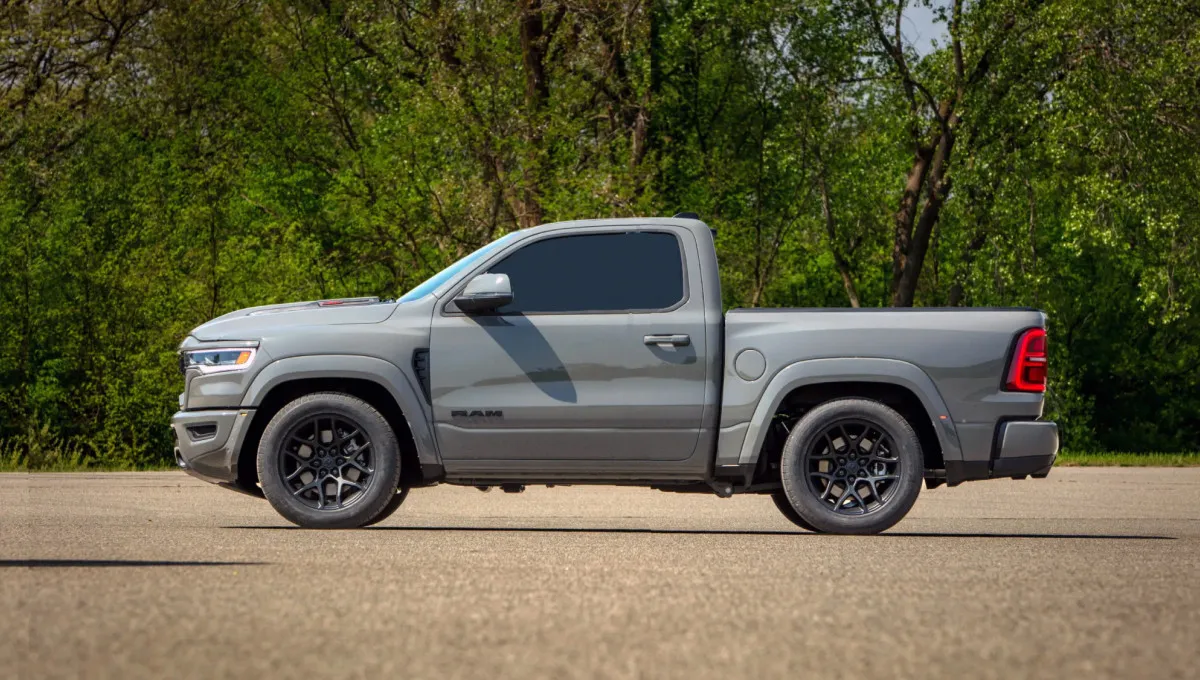
2027 Ram 1500 Rumble Bee: Pricing, Options and How to Build Yours
The 777-HP Ram Rumble Bee Is Coming — But You Can Buy the New Hemi Truck Now
“Are You Sure It’s Chinese?” Who Really Builds China’s Car Engines
Who Really Develops China’s Car Engines?
Why Experienced Drivers Still Warn Against Buying a Used Car With a CVT
CVTs offer smooth acceleration and good fuel economy, but expensive repairs and durability concerns make used models risky.
2026 Ram 1500 Recall: 16K Trucks May Have Faulty Tire Pressure Sensors
Ram is recalling 16,385 model-year 2026 Ram 1500 trucks