
At What Temperatures 5W-30 and 5W-40 Motor Oils Freeze — and When You Shouldn’t Start the Engine
Cold weather affects your car far more than it may seem at first glance.

Cold weather changes how a vehicle behaves more than many drivers realize. In freezing conditions, the engine is under significantly higher stress, and every cold start becomes a serious test for its components. This is where it’s important not to overestimate what engine oil can do—every lubricant has its limits.
One way to tell whether an oil is suitable for winter use is by looking at its viscosity rating. Labels like 5W-30 or 5W-40 don’t just describe the oil type—they also indicate how it behaves in cold temperatures. The number before the “W” (which stands for “winter”) shows how easily the oil remains fluid in cold conditions. The numbers after the “W” relate to how the oil performs once the engine is fully warmed up.
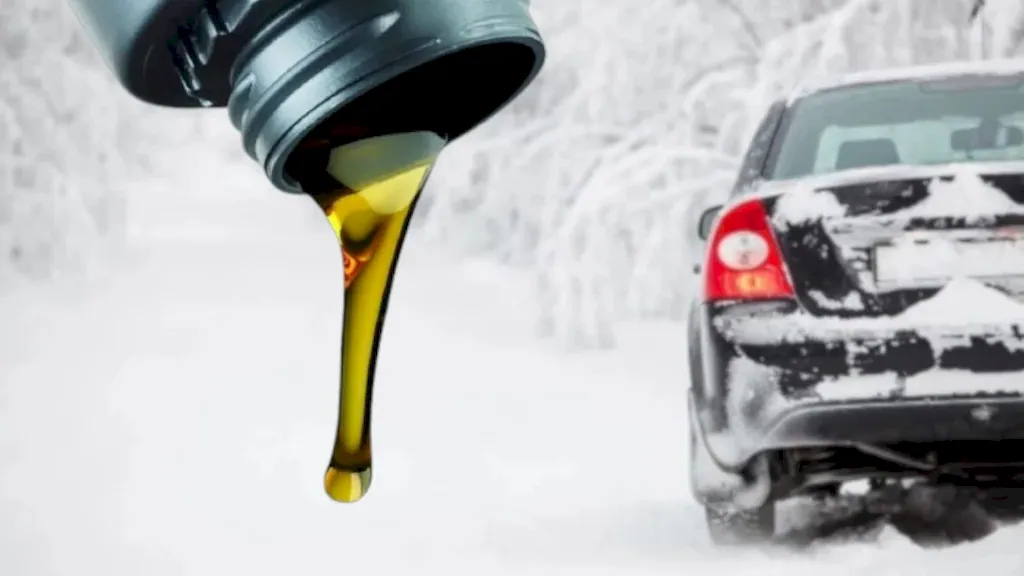
As temperatures drop, any engine oil becomes thicker—that’s a normal process. Even at mild subfreezing temperatures, this thickening is noticeable, but it doesn’t pose an immediate threat to the engine. The oil pump is designed to handle these conditions. In addition, synthetic oils leave a protective film on engine components, helping them survive cold starts with reduced friction. So winter itself isn’t the enemy. What really matters is whether the oil matches the climate and maintains sufficient flow where it’s needed most.
In moderate winter climates, most drivers opt for oils with a 5W rating. They’re more popular than 10W oils for a simple reason: they stay fluid longer in cold weather. However, that doesn’t mean an engine filled with 5W oil can be safely started at any subfreezing temperature. A quick look at the specifications makes the limits clear. For 5W-30 oil, the pour point is around -44°F. By comparison, 10W-40 oil freezes at about -38°F, while 0W-30 remains fluid down to roughly -54°F.

That said, these figures only show the temperature at which the oil completely loses its ability to flow. In real-world conditions, long before reaching those extremes, the oil is already moving very slowly through the system and becomes excessively thick. Starting the engine in this state can lead to serious problems. That’s why, in practical terms, a temperature of about -22°F is considered the lower safe limit for 5W-grade oils. Below that point, the oil thickens significantly, and starting the engine is not recommended.
You may also be interested in the news:

Why Experienced Drivers Put Socks on Their Car Mirrors in Fall: The Clever Trick Explained
An old pair of socks can help reduce frost buildup on your side mirrors overnight, saving time on cold mornings when every minute counts.

How to Clean Your Windshield Without Streaks: Experts Recommend This Simple DIY Mix
The secret to a streak-free windshield comes down to the right cleaning solution, two microfiber cloths, and the proper drying technique.

Why Some Drivers Keep Bay Leaves in Their Cars — It’s Not Just About Superstition
Can a common kitchen spice help repel bugs, freshen your car’s interior, or even help you relax behind the wheel?
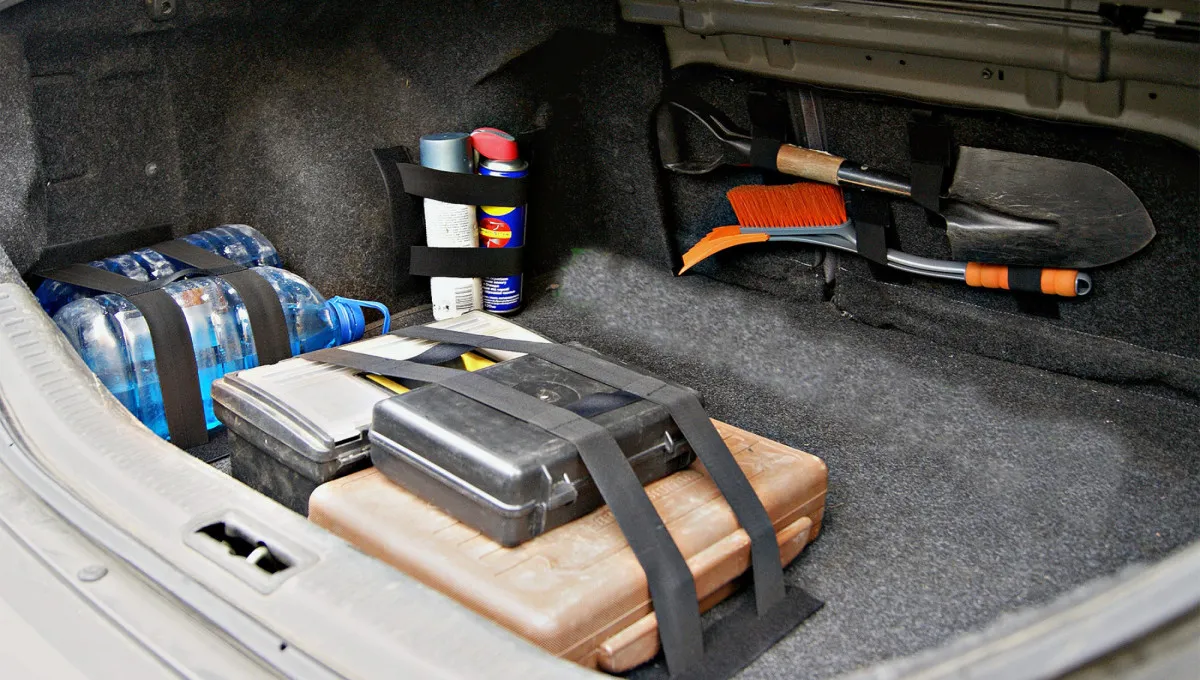
Cold Weather Can Leave You Stranded — 5 Things Every Driver Should Have in Their Car
The first hard freeze can catch drivers off guard. Here's what to keep in your vehicle and how to prepare your battery, tires, and fluids for colder weather.
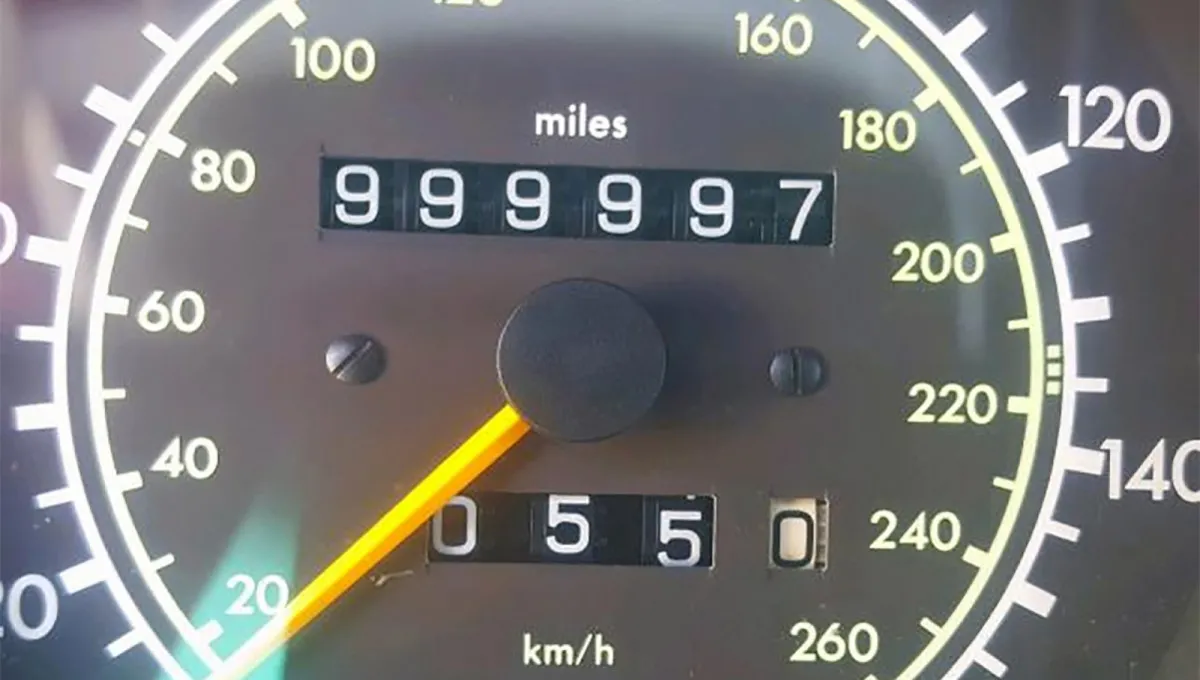
These 8 Cars Went Over 1 Million Miles — They Just Don’t Build Them Like They Used To
Some cars outlast generations of owners, proving that careful maintenance and durable engineering can deliver extraordinary mileage.