
Ford and Xiaomi Deny Rumors of Joint EV Production in the U.S.
Speculation about a potential partnership between America’s Ford and China’s Xiaomi intensified after a report published by the Financial Times.
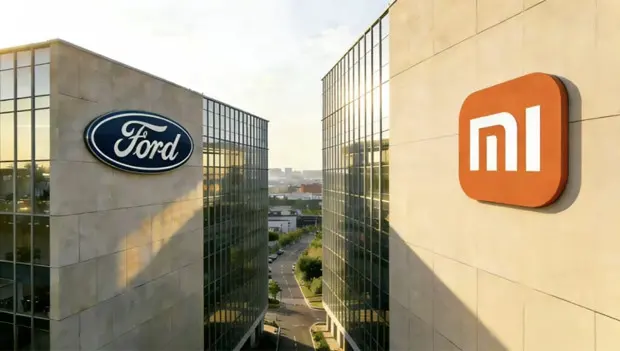
Speculation surrounding a possible alliance between U.S.-based Ford and China’s Xiaomi escalated sharply following a report by the Financial Times. Citing sources described as being familiar with the matter, the publication claimed that preliminary talks had taken place regarding a potential joint venture that could manufacture electric vehicles in the United States. However, both companies quickly issued denials, effectively putting an end to the story—at least for now.
Xiaomi and Ford: No Talks Took Place
According to Aastocks, Xiaomi responded unequivocally, stating that reports of any contact with Ford regarding a joint venture are false and that no such discussions have occurred. The Chinese company also emphasized an important point: Xiaomi does not currently sell any products or services in the United States.
Ford took an equally firm stance. The automaker called the Financial Times report completely inaccurate and lacking any factual basis. Reuters also cited Ford’s denial, confirming that the company does not acknowledge any of the arrangements described in the article.
What the Financial Times Claimed
According to the FT’s version of events, unnamed sources spoke of “preliminary” contacts between Ford and Xiaomi that could theoretically have led to vehicle production in the U.S. The article also claimed that Ford had allegedly held discussions with BYD and other Chinese automakers while exploring potential partnerships related to the American market.
Key points from the FT report included:
-
Alleged early-stage talks between Ford and Xiaomi;
-
Mentions of BYD and other Chinese brands as possible counterparts in discussions with Ford;
-
No official confirmation from any of the companies involved.
Previously, Ford executives have not hidden their interest in Chinese electric vehicle technology. CEO Jim Farley has publicly praised Chinese EVs and even imported a Xiaomi SU7 for personal use. He has also warned that Chinese competitors are becoming a serious threat to Western brands and are likely to attempt entry into the U.S. market sooner or later.
At the same time, the United States continues to maintain a tough stance on Chinese automotive products and technologies. Tariffs on Chinese vehicle imports remain in place, along with restrictions on Chinese hardware and software used in connected vehicles. Lawmakers are also wary of cooperation between American automakers and Chinese tech companies. Against this backdrop, Ford’s licensing agreement with CATL for battery technology used in U.S. production is often cited as a notable exception.
Xiaomi entered the automotive sector only in 2024, launching its first electric vehicle and expanding beyond consumer electronics into passenger cars. Meanwhile, Chinese automakers—including BYD—are aggressively growing sales in Europe, Southeast Asia, and Latin America, while increasing localized production in those regions.
The official position of both Ford and Xiaomi is clear: at this time, there are no talks underway regarding the creation of a joint venture to produce electric vehicles in the United States.
You may also be interested in the news:
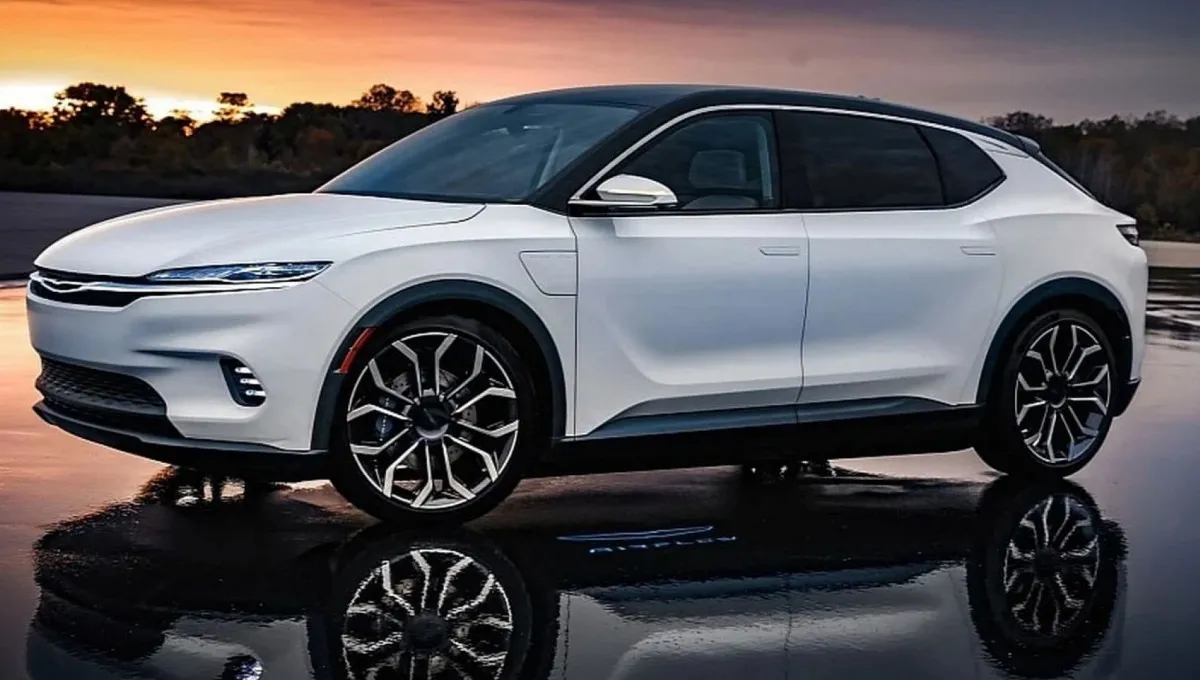
Chrysler Will Shift to Affordable SUVs as the Company Overhauls Its Strategy
The head of Stellantis announced a historic shift in how Chrysler is positioned. The American company is moving away from expensive vehicles and will focus on affordable models.
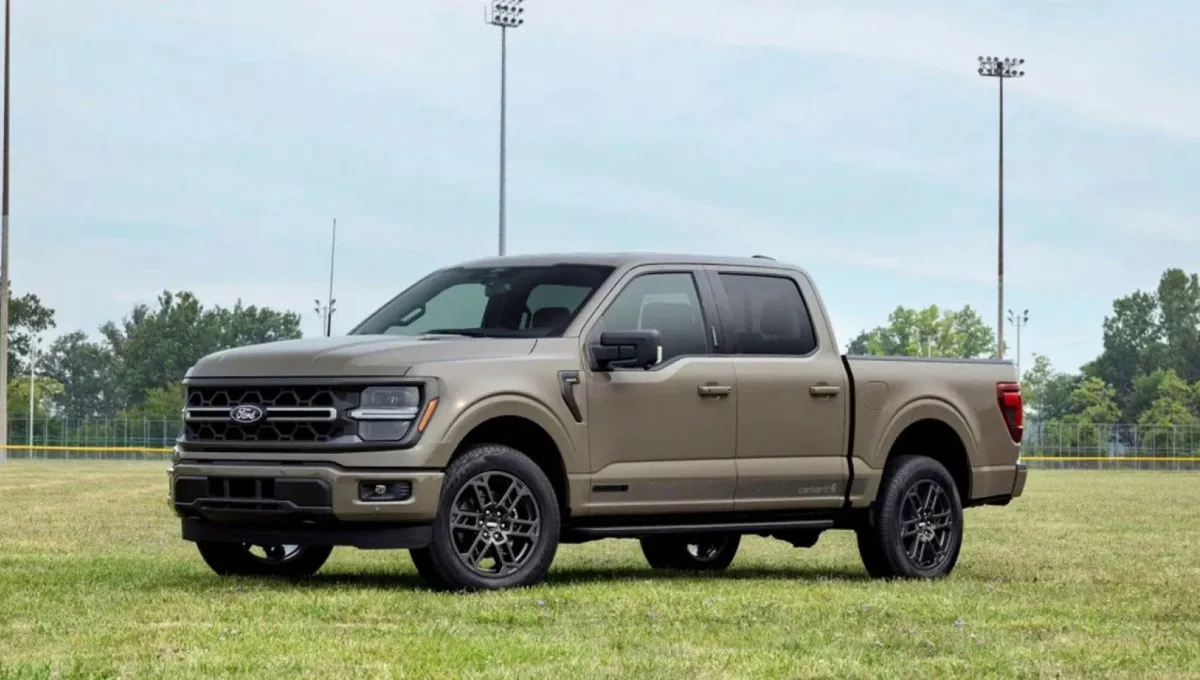
Ford Updates the F-150 With More Power and Hands-Free Towing
The updated 2027 Ford F-150 has debuted in the U.S., with more power across the lineup and an upgraded hands-free driving system that supports automatic trailer towing
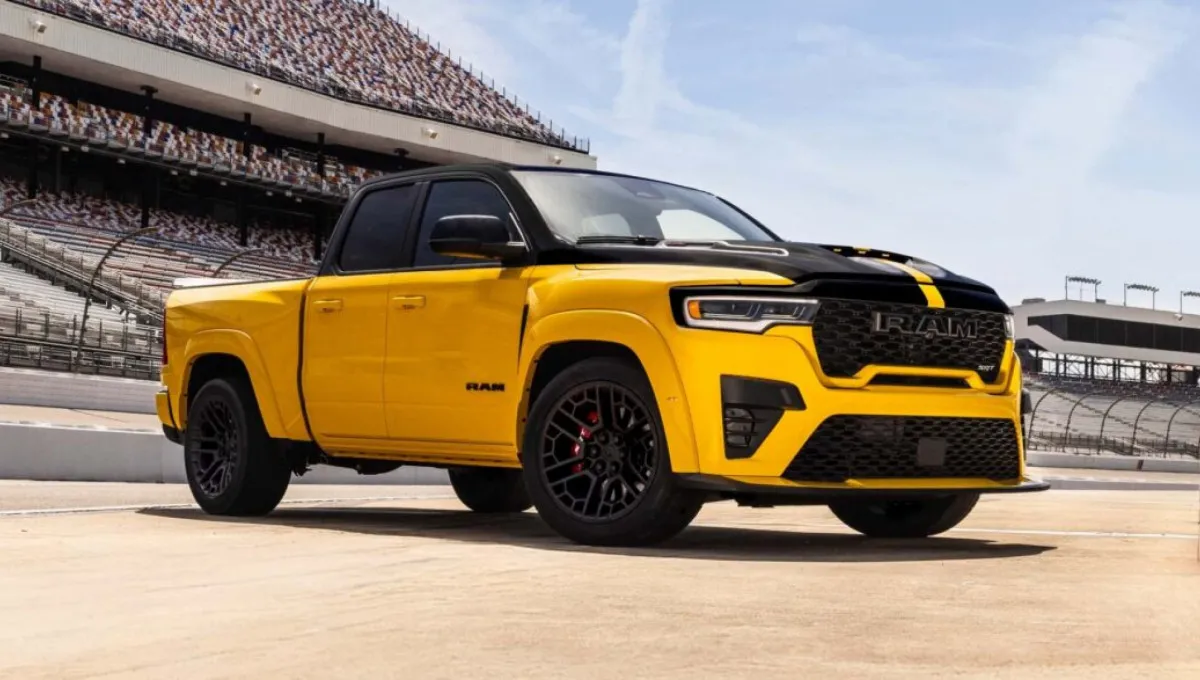
UFC Boss Dana White Buys Two Unique Ram Trucks for $1.5 Million
Dana White paid $1.5 million for the first customer-bound 2027 Ram 1500 Rumble Bee SRT and a one-off Viper-powered Ram SRT-10.
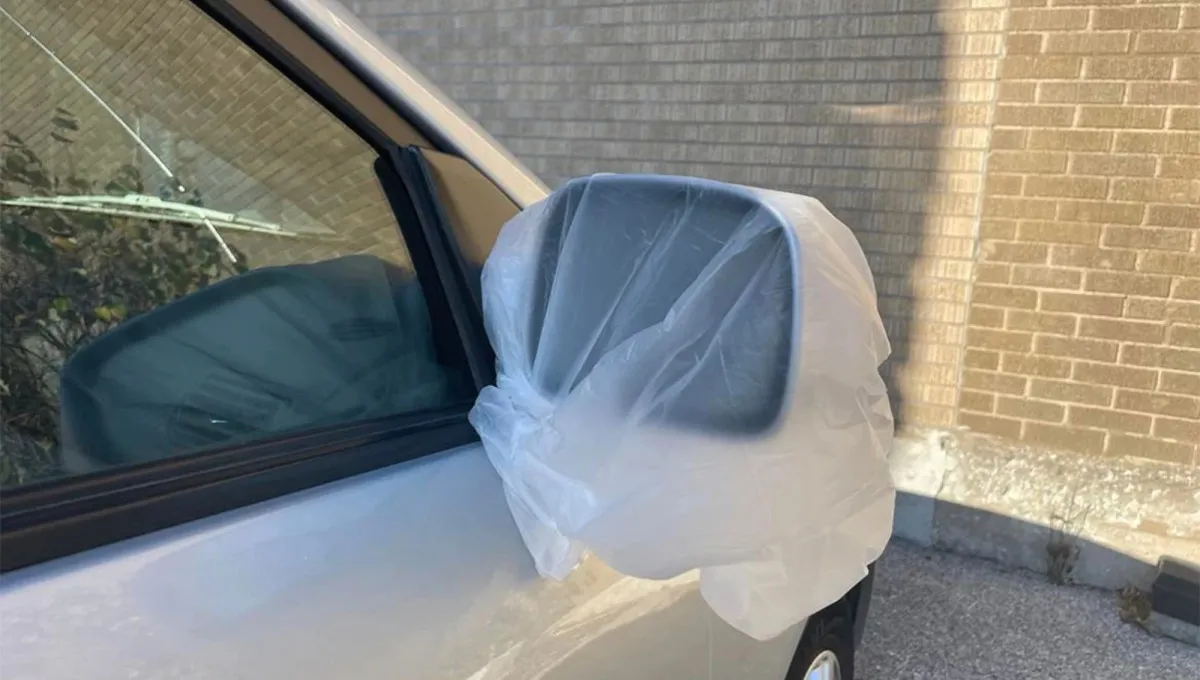
Why You Should Never Ignore a Plastic Bag on Your Car Mirror
You park your car, head inside, and return a short time later to find an ordinary plastic bag hanging from the side mirror.
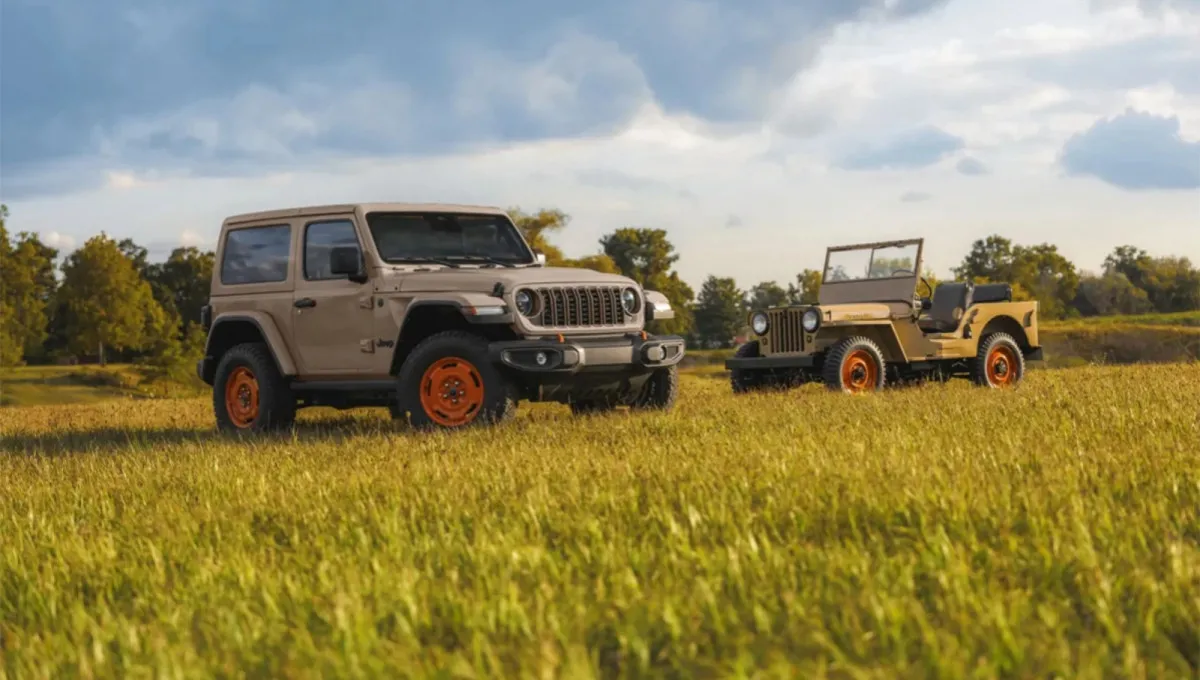
2027 Jeep Wrangler JL-2A Brings the Original CJ-2A Back to Life
Jeep revives the spirit of its first civilian model with a retro Wrangler featuring orange wheels and military-inspired styling.