
How to Drive Up and Down a Hill in Winter: Life Hacks for Beginner Drivers
Practical advice for motorists on how to start uphill in winter conditions. Knowing the right technique for climbing a hill on snow or ice can make all the difference.
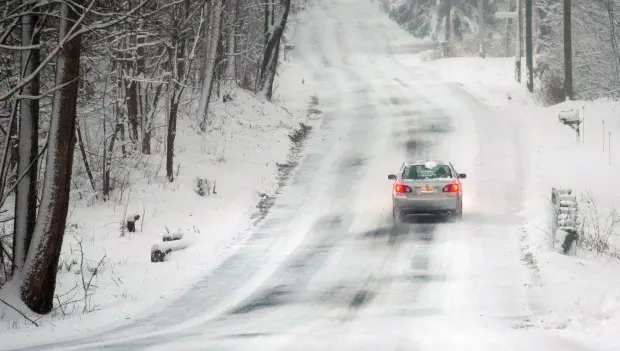
When extended cold weather sets in, many drivers—especially inexperienced ones—face new challenges. Roads often become coated with ice and turn into virtual skating rinks, while road crews don’t always manage to clear them in time. Here’s what you need to know about starting uphill on ice.
How to Drive Uphill in Winter With an Automatic or Manual — Simple Tips
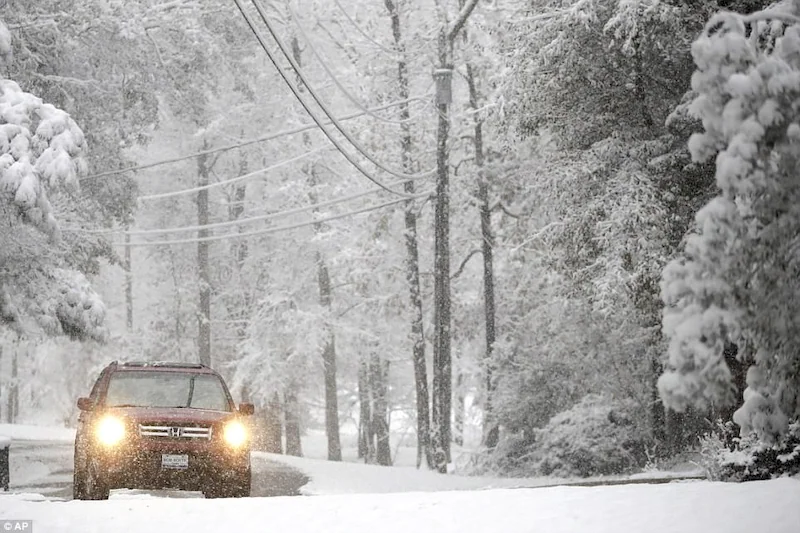
Obviously, the sequence of actions depends on the type of transmission your vehicle has. Still, there are several basic rules for starting uphill in winter conditions:
- Keep a safe following distance and don’t begin climbing if there’s a vehicle ahead already struggling to make it up the hill.
- Maintain steady speed—avoid sudden acceleration.
- If your car gets stuck, don’t floor the gas pedal. It’s better to let the vehicle roll back slightly and try again.
Now that we’ve covered the basics, here’s how to properly start uphill with a manual transmission. Approach the base of the hill in first gear and build a bit of momentum before starting the climb. Bring the engine speed up to about 1,500 RPM, then shift into second gear and gradually release the clutch until the engine speed drops to around 1,000 RPM. From there, apply the accelerator smoothly. If the wheels begin to spin, try shifting into third gear to reduce engine RPM and regain traction.
It’s just as important to know how to climb a slippery hill in a vehicle with an automatic transmission. Many automatic cars have winter driving modes labeled “Winter” or “Snow.” If your vehicle doesn’t have such a mode, shift into the lower gear setting, typically marked with an “L.” Move very smoothly, but avoid coming to a complete stop on the hill. If wheel spin occurs, switch to manual mode (if available), select second gear, and use the same technique recommended for manual transmissions.
How to Safely Drive Down a Hill on Ice
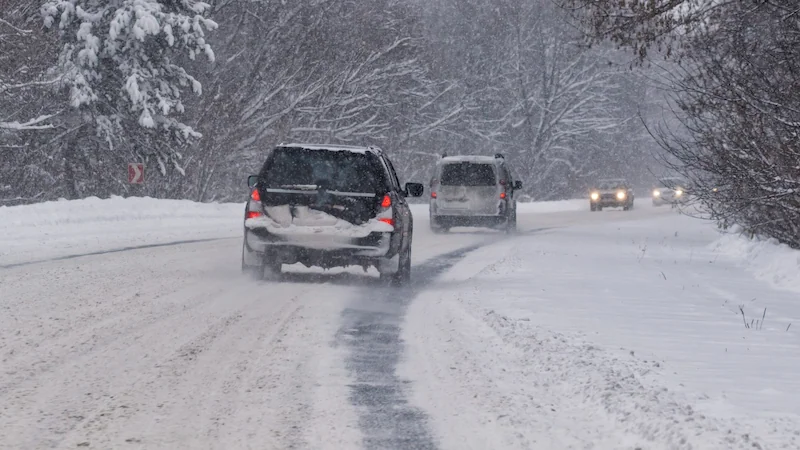
It’s not enough to know how to start moving uphill in snowy conditions—you also need to understand how to descend safely. Use extreme caution and keep your speed low. It’s recommended to brake with the engine by selecting a lower gear and avoiding neutral. Never slam on the pedals, and keep the steering wheel steady without making sudden movements.
You may also be interested in the news:

His Passenger Left a Bag With a Passport Inside—What This Uber Driver Did Next Touched Millions
An Uber driver drove back to return a forgotten bag, turning a ride into kindness.
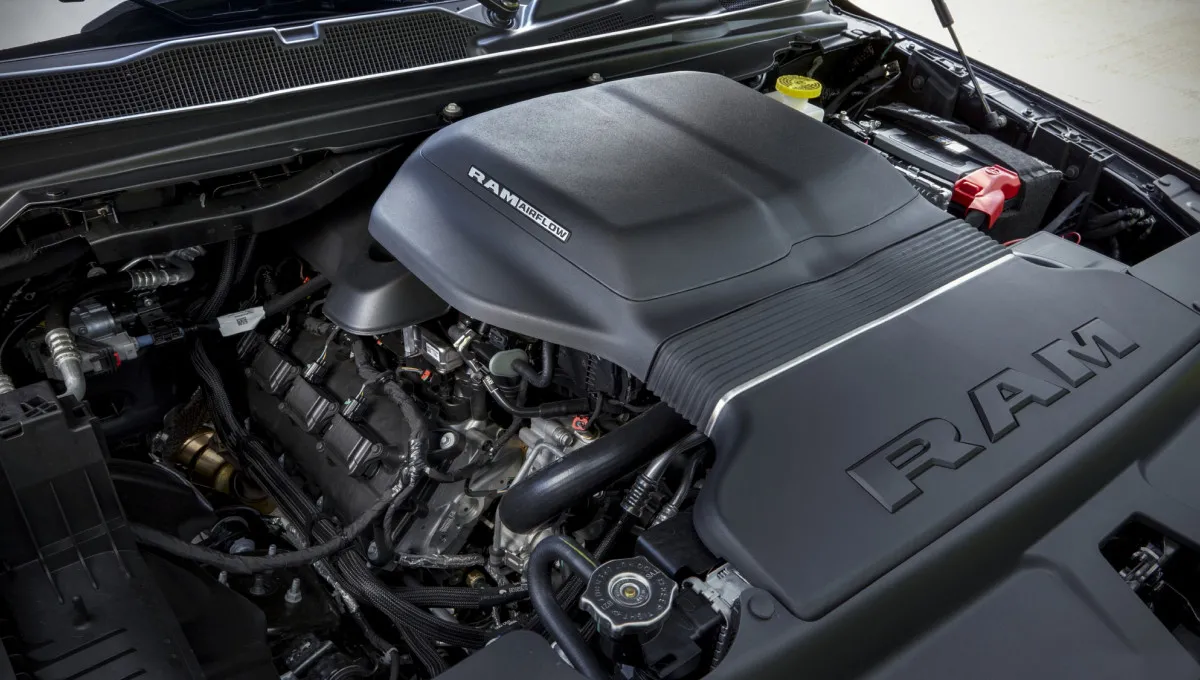
Your Engine Could Be Warning You: 6 Problems That Can Make a Car Run Rough
Engine problems rarely happen without a reason, and six common issues can cause a car to run poorly.

Astrologers Name 3 Zodiac Signs That Love Driving at Night: Is Yours One of Them?
For these three signs, nighttime means freedom, not fear, as they hit the road after the city goes quiet.
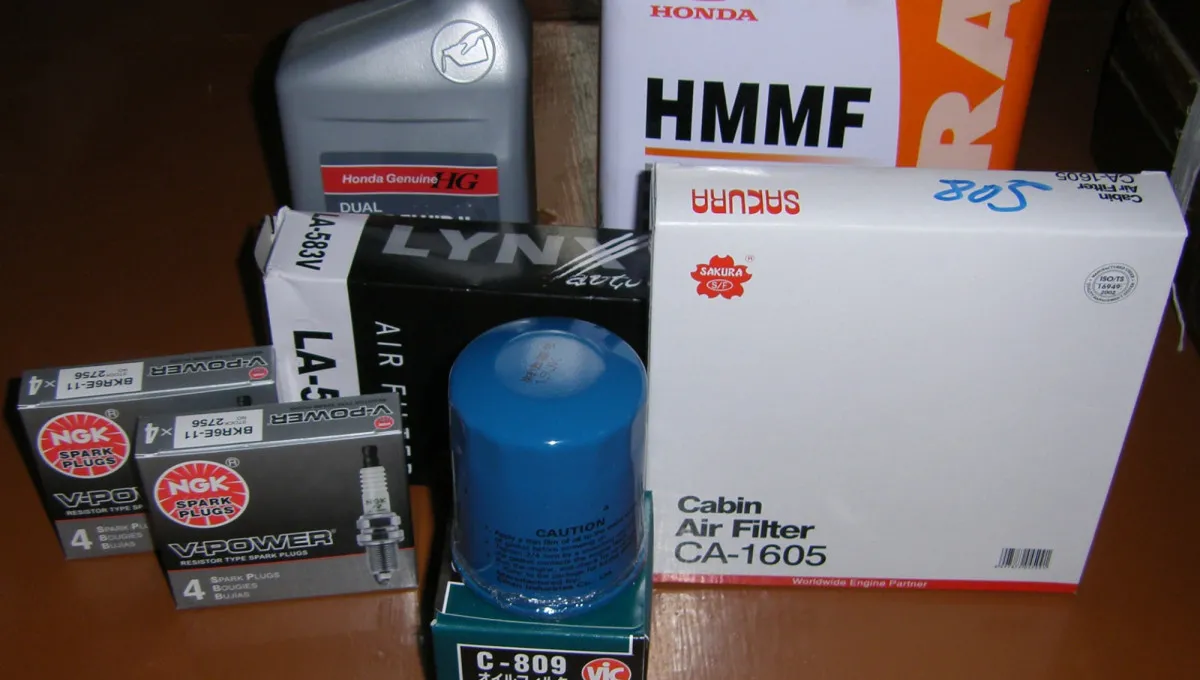
Changing Your Car’s Filters: How to Do Basic Maintenance Yourself Without Damaging the Engine
Changing the oil, engine air filter and cabin air filter yourself can save money, but small mistakes can cause expensive problems.
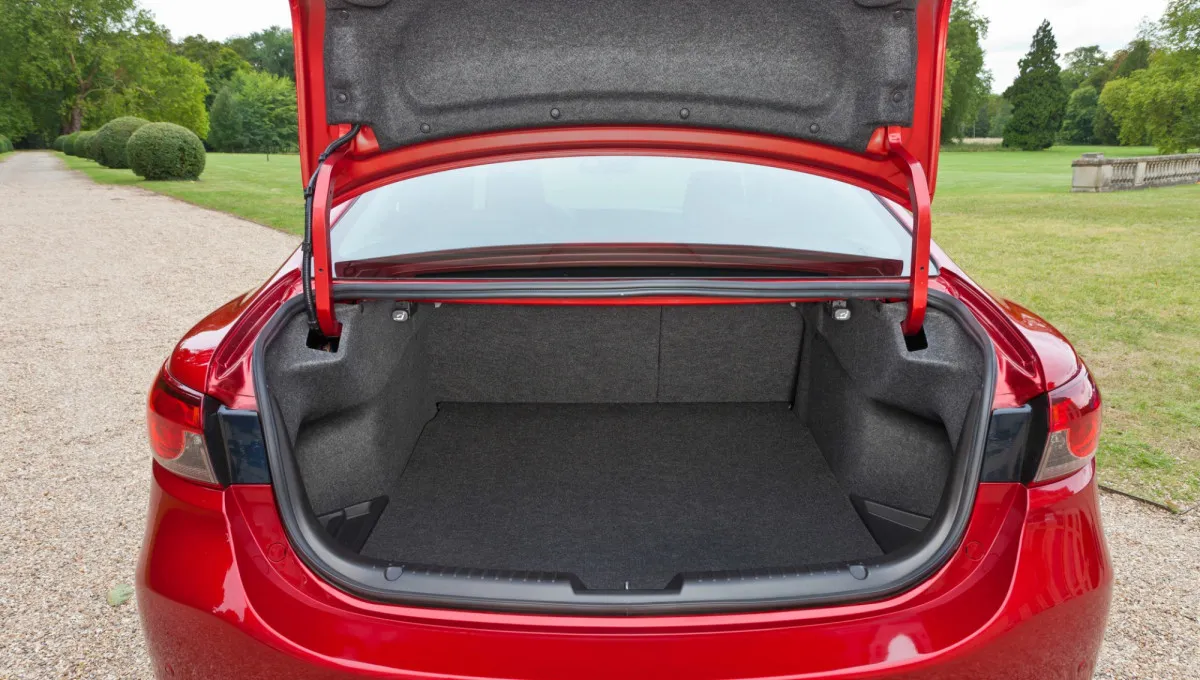
That Stuff in Your Trunk Is Costing You More Than You Think—Here’s What to Take Out
Carrying unnecessary cargo can quietly increase fuel use, accelerate wear and create an avoidable safety hazard for drivers and passengers.