
Volkswagen Group May Continue Job Cuts: Press Office Hints at Impact of U.S. Tariffs
Details of the new cost-cutting strategy have not yet been disclosed.
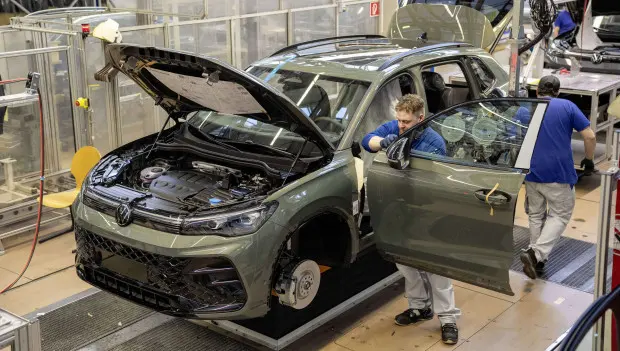
In September 2024, Volkswagen AG announced sweeping cost-cutting measures, including plans to close several plants in Germany and implement large-scale layoffs. After tense negotiations with labor unions, the company reached an agreement in December known as “Zukunft Volkswagen” (“Future Volkswagen”), which called for reducing the workforce by 35,000 employees by 2030 and cutting annual vehicle production in Germany to 734,000 units.
Last year, Volkswagen reported that roughly 20,000 positions had already been eliminated. More recently, it became known that two German plants — in Dresden and Zwickau — would be shut down. According to company estimates, these tough measures are expected to generate mid-term savings of approximately €15 billion per year (about $16 billion at current exchange rates).
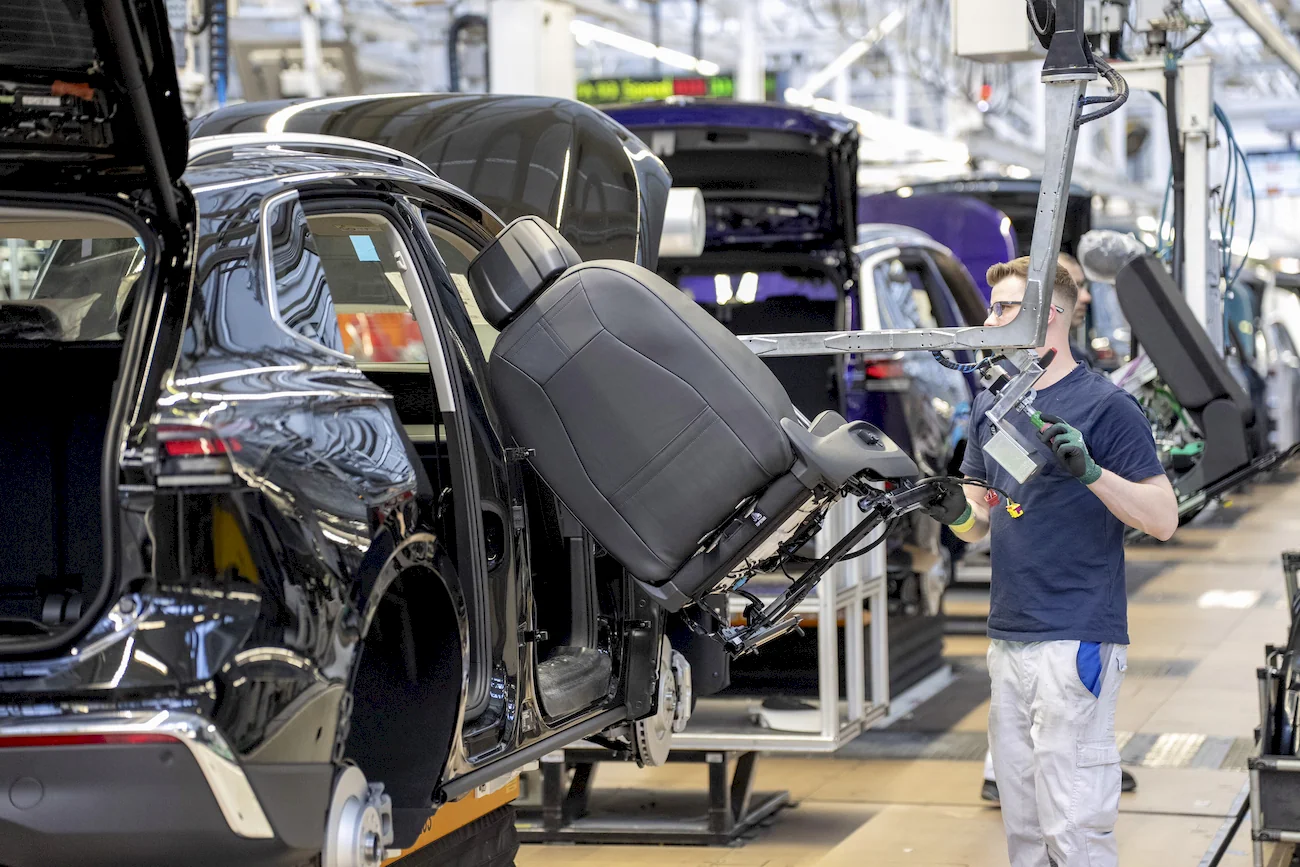
However, that may not be enough. The automaker is now reportedly considering additional steps to reduce costs by a further 20%.
German business publication Manager Magazin, citing internal sources at Volkswagen, reports that the additional cuts are planned to be implemented by the end of 2028. A new savings plan was reportedly presented in January during a closed-door meeting led personally by CEO Oliver Blume. While the details have not been made public, the strategy is believed to include further plant closures and workforce reductions. The company is expected to outline the plan in March during a press conference covering its annual financial results.
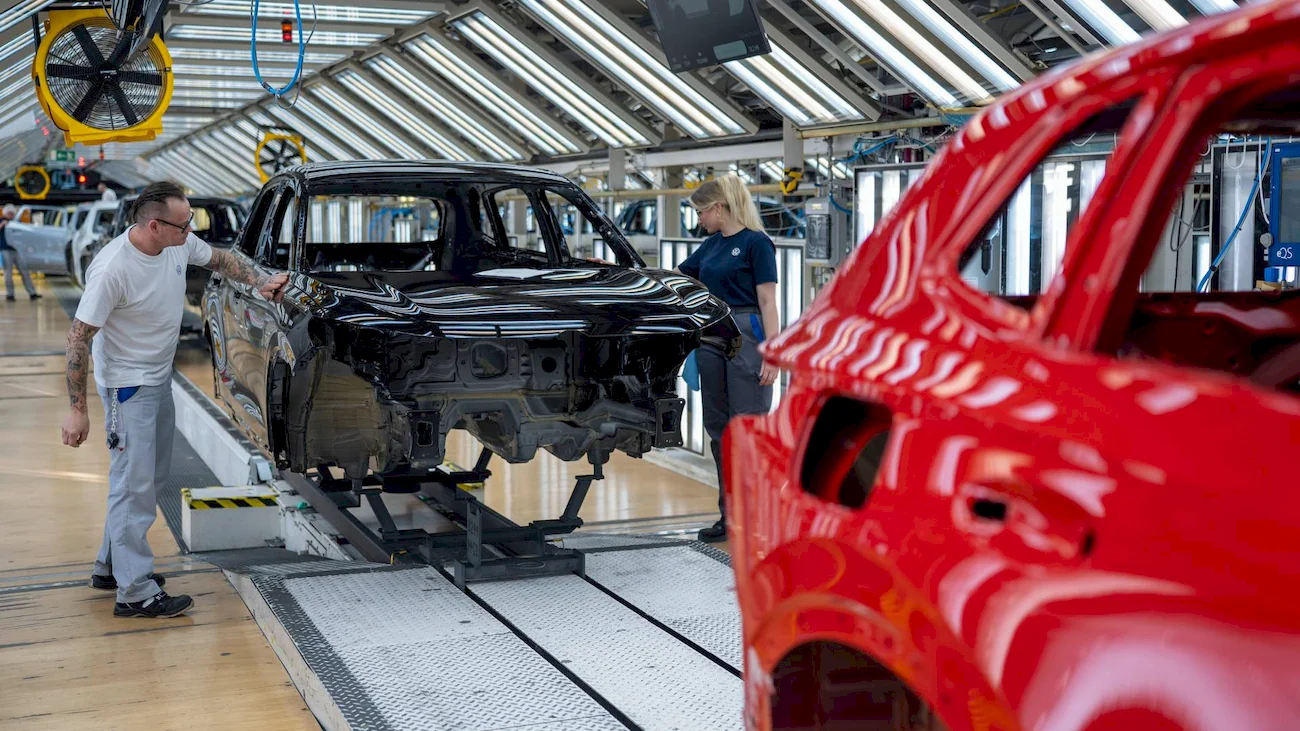
Seeking clarification, Reuters contacted Volkswagen’s press office but did not receive a direct response. A company spokesperson declined to comment on the reported new strategy — neither confirming nor denying it — but noted that previous measures had already saved “tens of billions of euros,” helping to offset the impact of new U.S. tariffs.
At the same time, Volkswagen is facing additional pressure beyond U.S. trade policy, including cooling demand in China and slower-than-expected growth in electric vehicle sales. Against that backdrop, further austerity measures may prove difficult to avoid.
You may also be interested in the news:
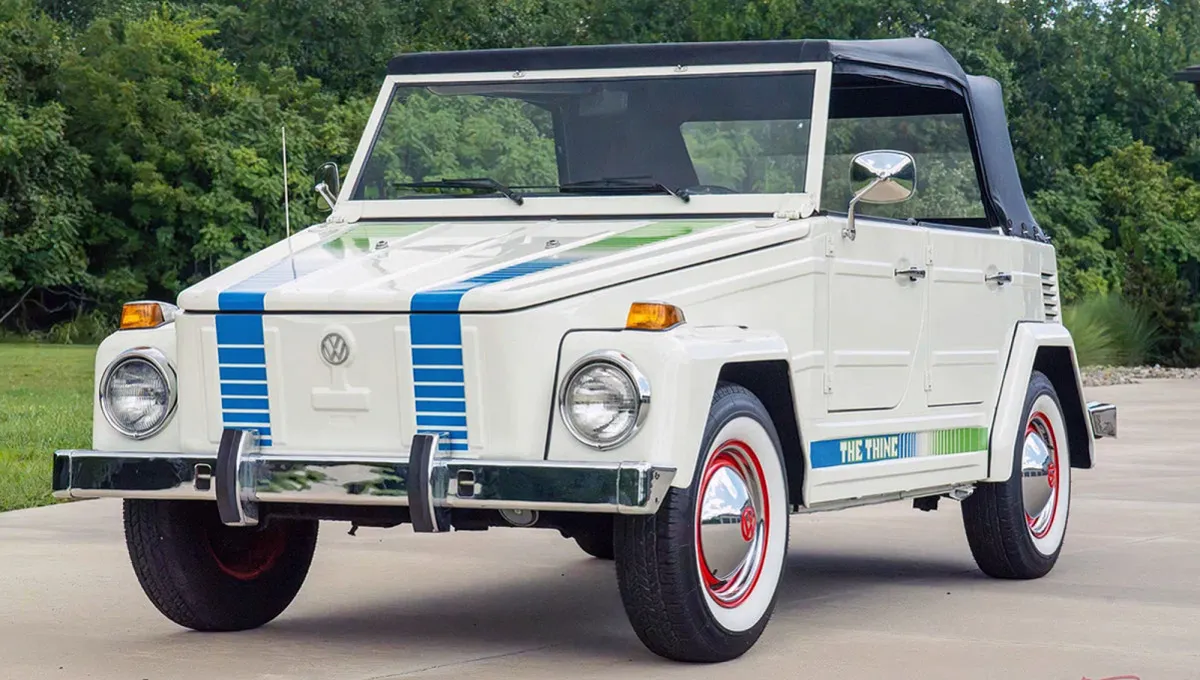
This Weird 1973 Volkswagen Has No Reserve—and It Could Sell for Thousands
A rare 1973 Volkswagen Thing will cross the auction block in the U.S. later this month with no reserve.
Suzuki Wants to Develop New Cars Twice as Fast—And AI Will Help Make It Happen
Suzuki is planning a major overhaul of vehicle development as it looks to bring new models to market faster.
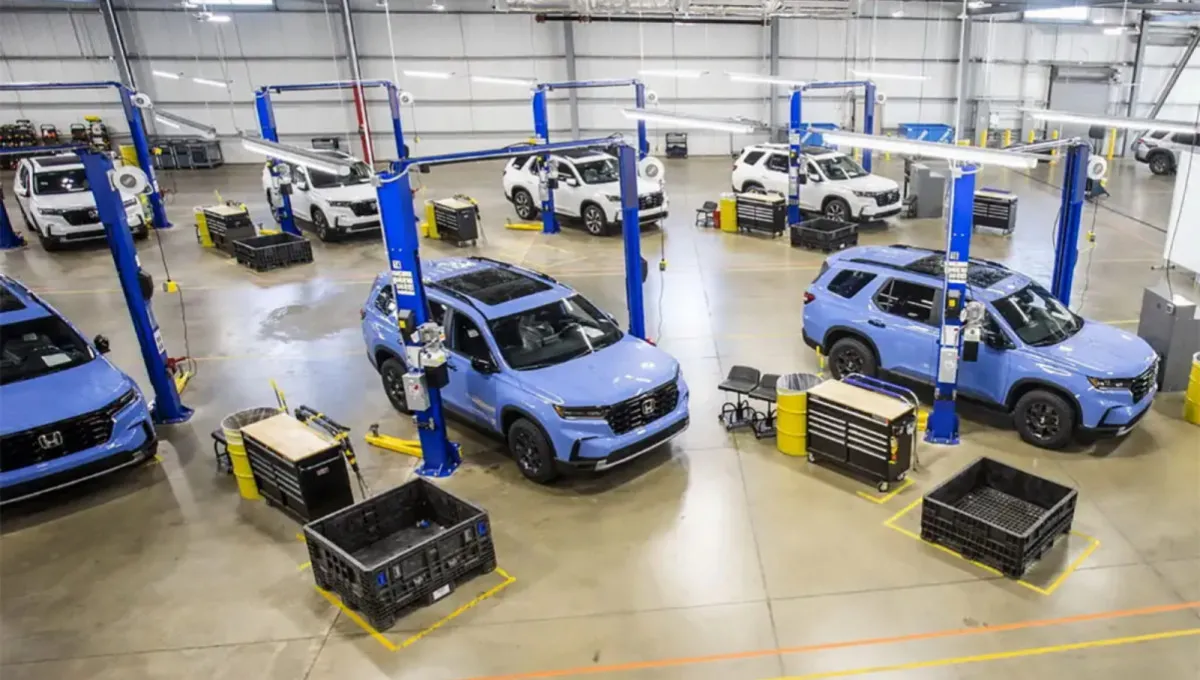
Honda Is Rethinking Its Future SUVs—and a Massive New Ohio Plant Is Coming
Honda is planning a major Ohio expansion as it shifts its future lineup toward larger hybrid SUVs.
A 100-Year BMW Legacy Is in Trouble as Germany’s Oldest Dealer Files for Insolvency
German dealers accuse Chinese automakers of poor payment practices as an iconic BMW dealer enters insolvency.
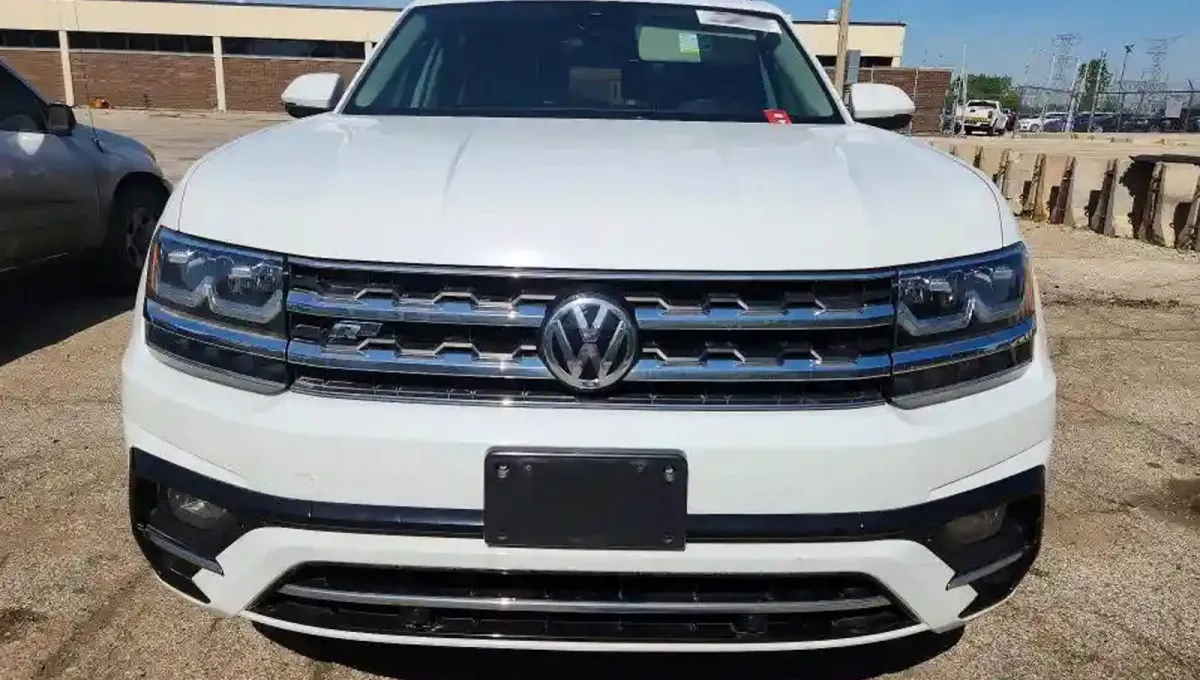
Volkswagen Recall Bombshell: 250,000+ Vehicles Hit by Steering Failure and Sudden Engine Stall Risks
Volkswagen is recalling more than 250,000 vehicles in the U.S. over steering, software and engine-stall concerns.