
Quarter Century on the Road: Who Invented the First True Crossover?
Today, crossovers are everywhere. But who created the very first one?
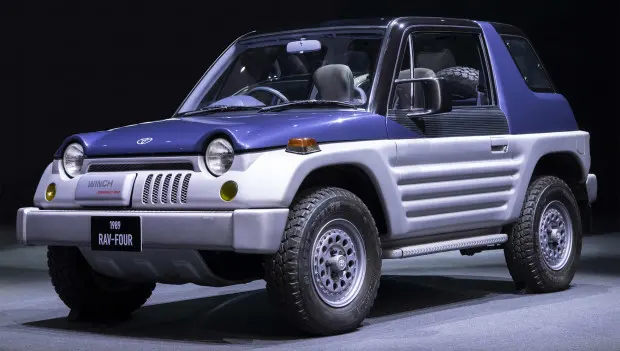
Today, crossovers are everywhere. According to market data, they are especially popular in the United States and across Europe. In the European Union, crossovers have accounted for more than 50% of all new-car sales for several years. Their popularity continues to surge worldwide, including in massive markets such as the U.S. and China. So who came up with the idea first, what did that vehicle look like, and how did it evolve?
The irony is that despite their dominance, there is still no universally accepted definition of what exactly qualifies as a crossover. Some consider them a subcategory of SUVs, while others see them as a distinct vehicle class. One of the more accurate descriptions came from a columnist at The Wall Street Journal, who described a crossover as “a wagon that looks like an SUV and drives like a passenger car.” Because of this ambiguity, some even trace the segment’s roots back to certain vehicles from the 1950s.
Still, within the automotive community, there is broad agreement about which model marks the starting point for the modern crossover era. It hardly needs an introduction: the Toyota RAV4. And no, that’s not a typo. The original concept was called the RAV Four before the name was shortened to RAV4 — a change that happened fairly quickly.
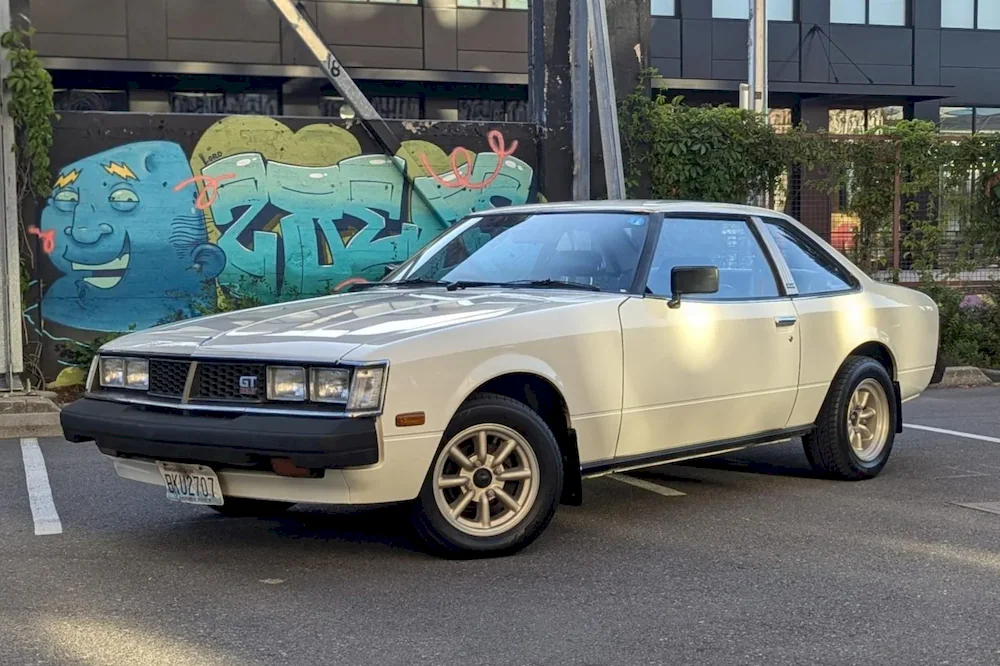
The story of the now-legendary Japanese model began in the mid-1980s, when engineers at Toyota set out to develop something entirely new. Interestingly, the foundation wasn’t an SUV but the sporty Toyota Celica.
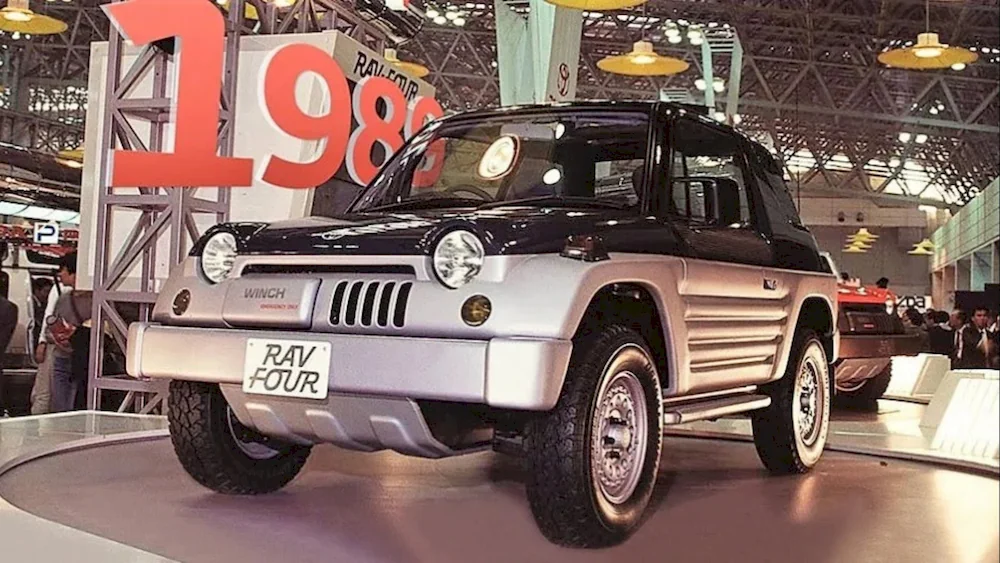
The RAV Four concept made its debut at the 1989 Tokyo Motor Show. While Toyota had hopes for the prototype, few expected the reaction it received. The vehicle caused a sensation, thanks largely to its unconventional approach at a time when buyers were gravitating toward large, rugged, almost military-looking SUVs. Toyota offered something different.
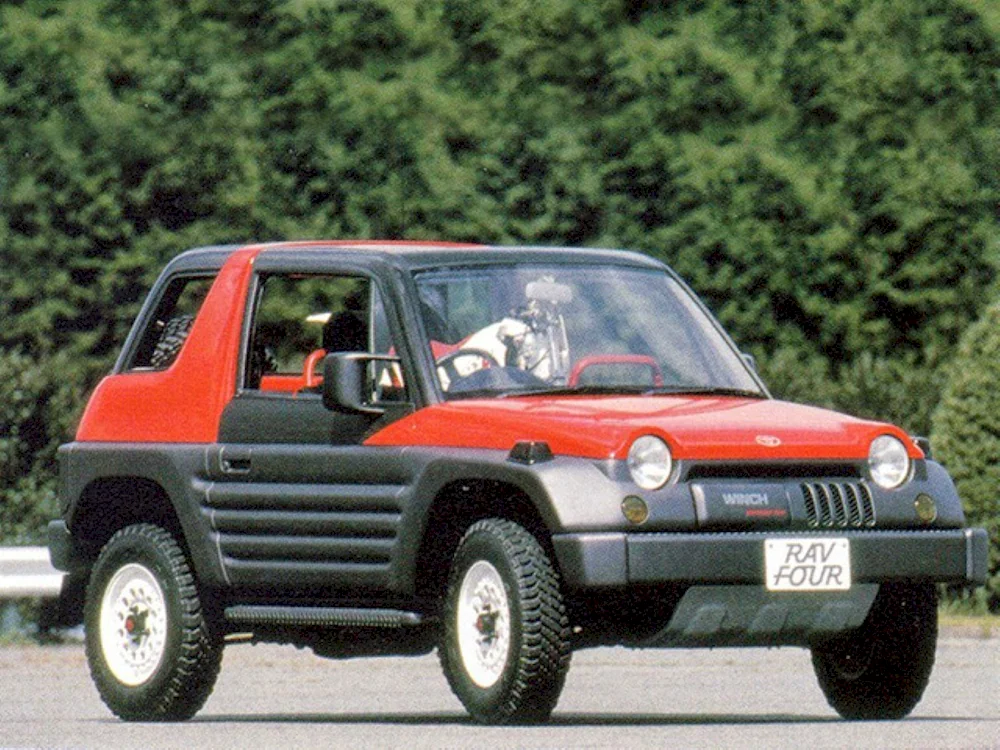
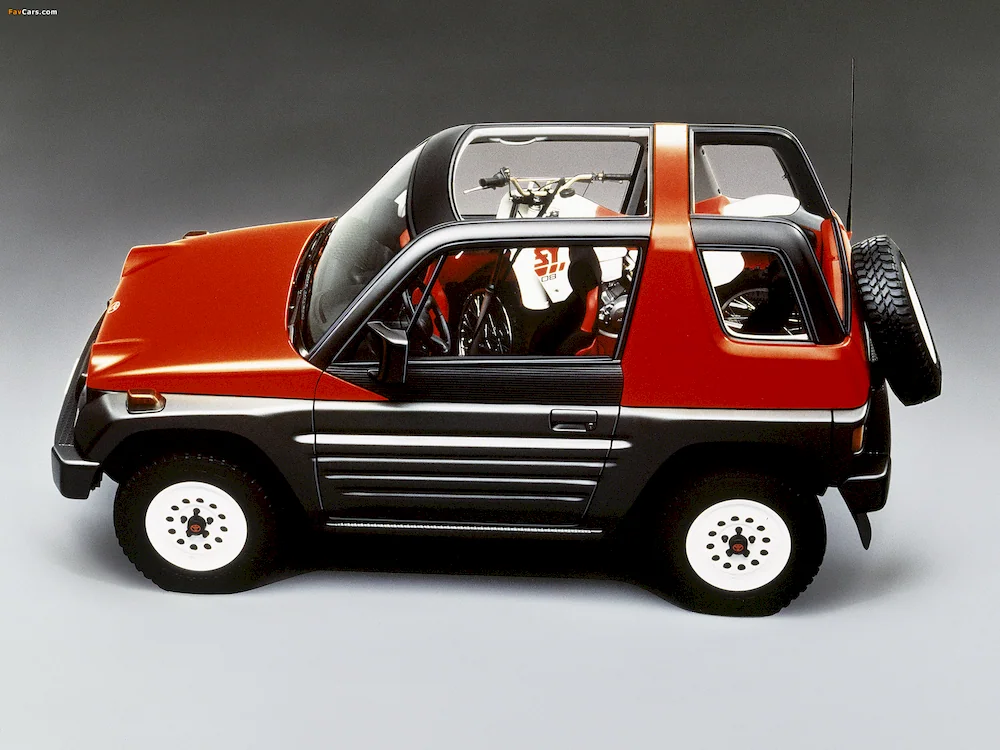
The first-generation crossover resembled a cross between a beach buggy and a wagon rather than a traditional SUV. It featured a lightweight three-door body, extensive plastic cladding, car-like proportions, a removable roof, and impressive ground clearance. The name itself spelled out the mission: Recreational Active Vehicle, with “Four” indicating four-wheel drive.
At a time when the market was dominated by big, heavy, fuel-thirsty SUVs, Toyota’s compact and efficient RAV Four struck a chord. Buyers were offered a vehicle that was easy to drive, comfortable, and relatively fuel-efficient, yet still more capable off-road than a typical passenger car. The SUV-inspired styling only added to its appeal.
The package included independent suspension, full-time all-wheel drive, and a choice between a manual transmission with a locking center differential or an automatic with a controlled viscous coupling and partial locking capability. It was a winning formula for the late 1980s.
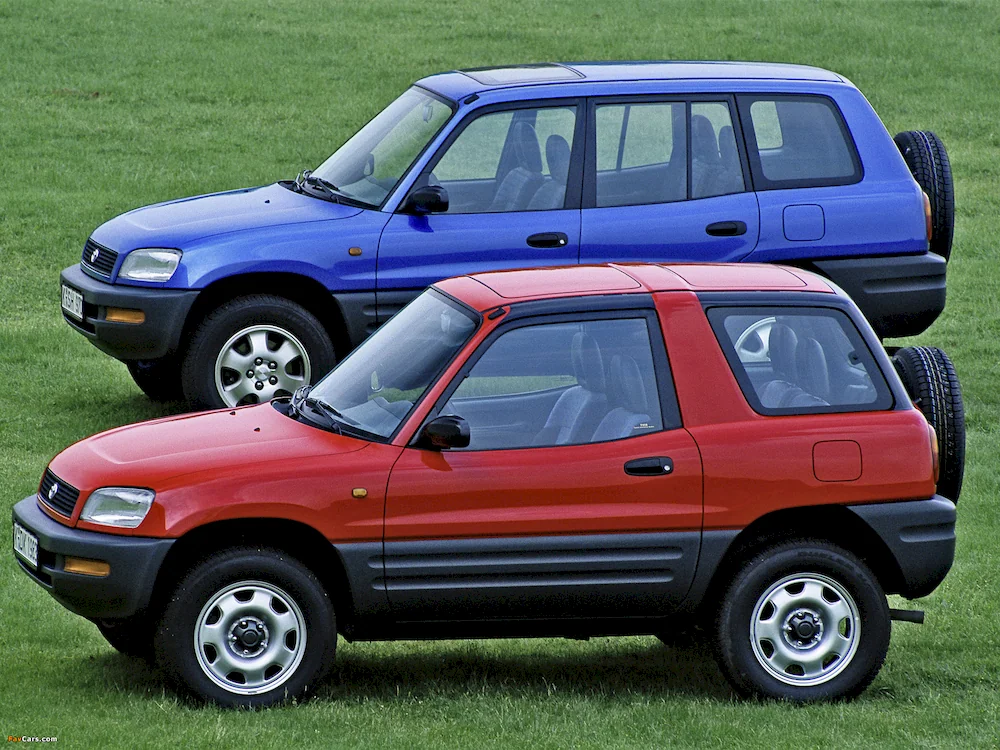
Toyota quickly realized the concept needed to reach production. However, building something so different presented challenges — no automaker had prior experience in this emerging category. As a result, the first pre-production RAV4 didn’t appear until 1993.
That was also when the name officially became RAV4, as the vehicle moved closer to full production. It was showcased again at the 1993 Tokyo Motor Show, once again drawing strong interest. In 1994, the first production RAV4 models went on sale in Japan.
Initially, the crossover was offered in a single configuration. By 1995, Toyota expanded the lineup to include additional variants, including a five-door version. Two years later, a more affordable front-wheel-drive model was introduced. Toyota had projected first-year sales of about 54,000 units, but demand exceeded expectations, with more than 55,000 vehicles sold in 1994 alone.
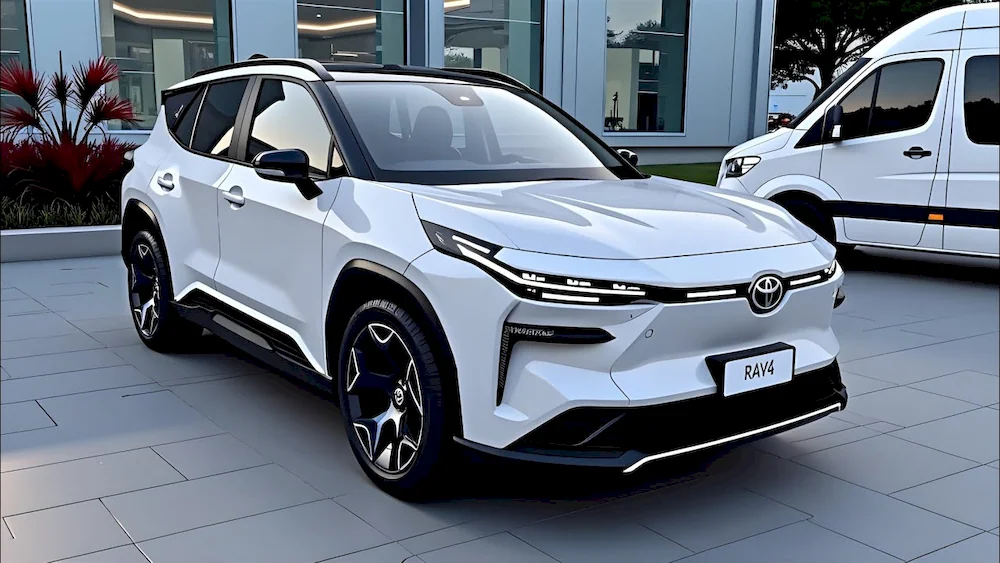
Just two years after production began, output had tripled. In 1997, Toyota launched a bold experiment: the limited-production Toyota RAV4 EV, an all-electric version with a range of about 124 miles (200 kilometers). Only a few thousand were built, and nearly all were sold within the first year.
Less than a decade after its debut, the RAV4 evolved from a niche experiment into a global bestseller in dozens of countries. More importantly, Toyota demonstrated to the rest of the industry exactly what modern drivers were looking for — practicality, efficiency, versatility, and a touch of adventure in one compact package.
You may also be interested in the news:
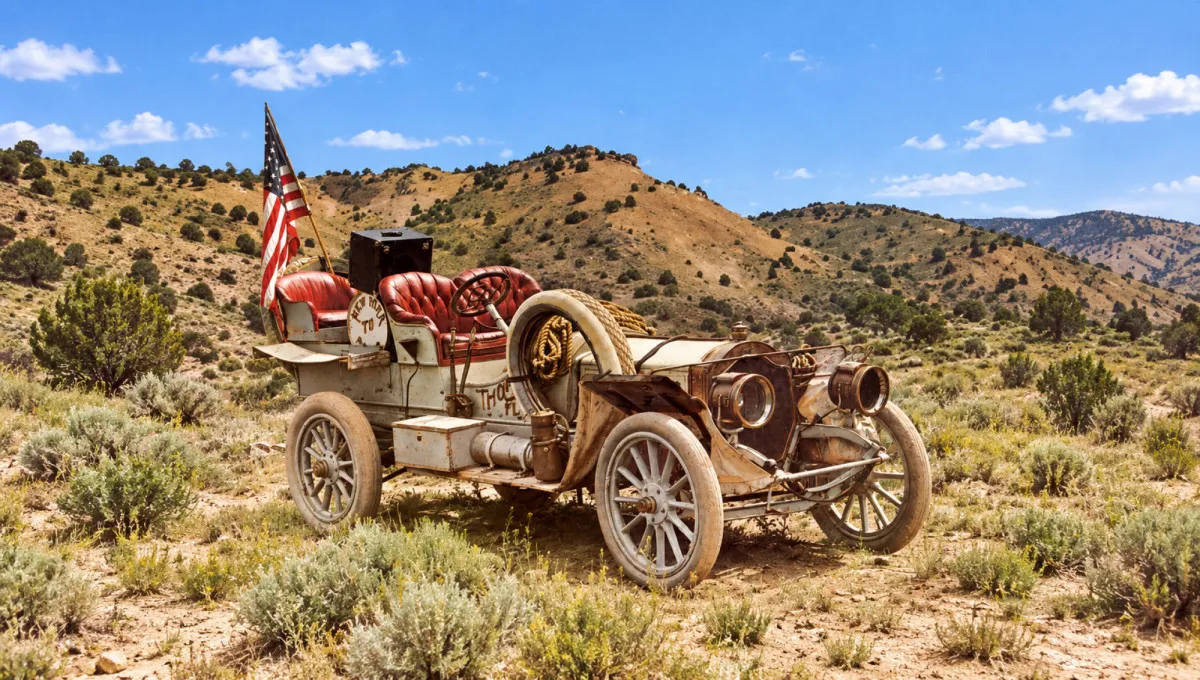
No Roads, No Map, No Car: The $50 Bet That Sent a Doctor Across America
In 1903, one doctor bet $50 he could drive from San Francisco to New York.
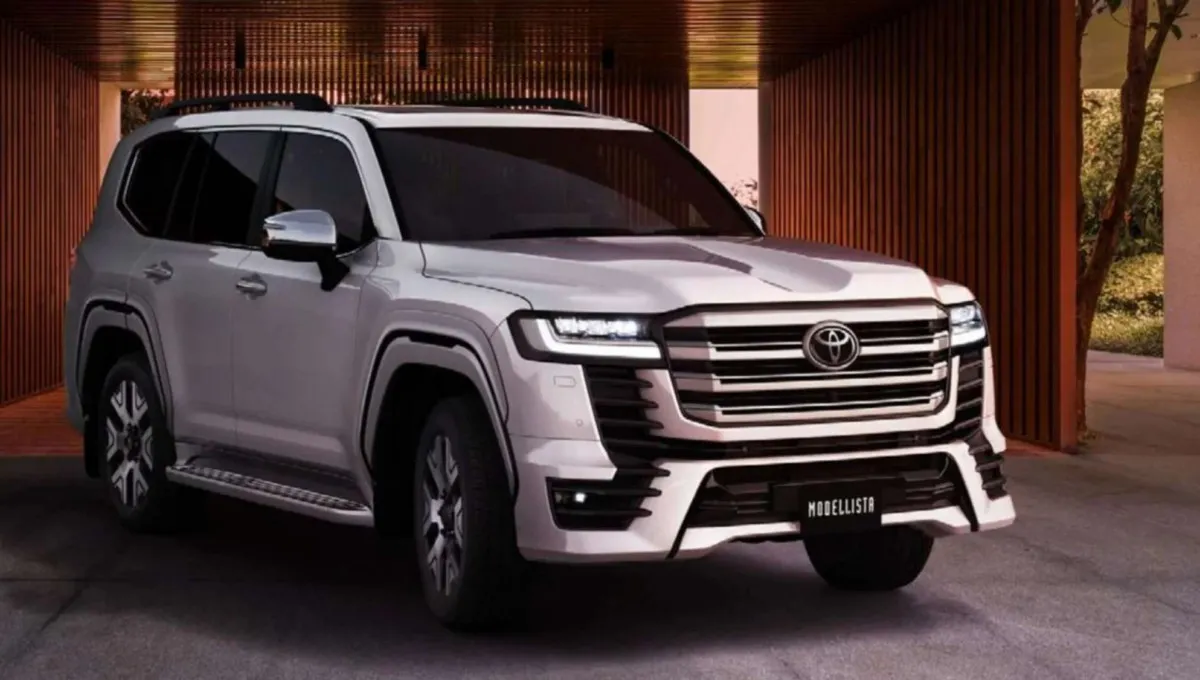
Toyota's Legendary Land Cruiser Just Got a Wild New Look — And Those 20-Inch Wheels Aren't Cheap
The updated Land Cruiser 300 looks tougher than ever after Toyota's Modellista division gave it a bold new appearance package.
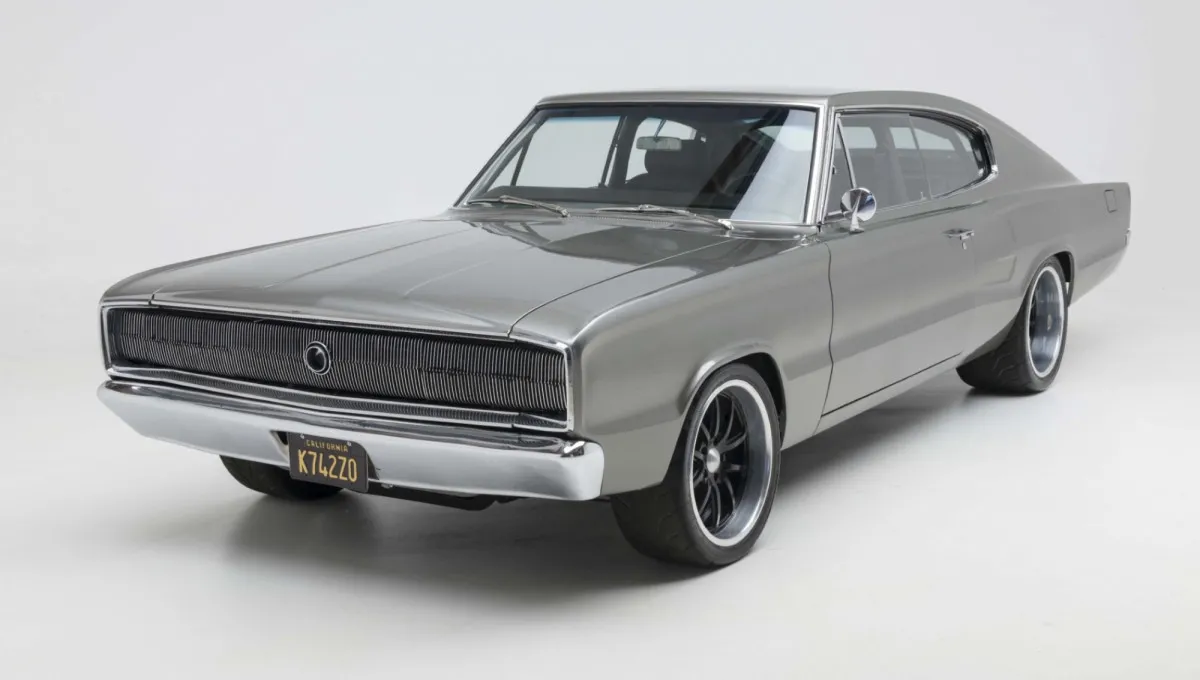
The “Leader of the Dodge Rebellion”: The 1966 Dodge Charger
The Dodge Charger has endured for 60 years, but its story began with an unlikely 1966 debut.
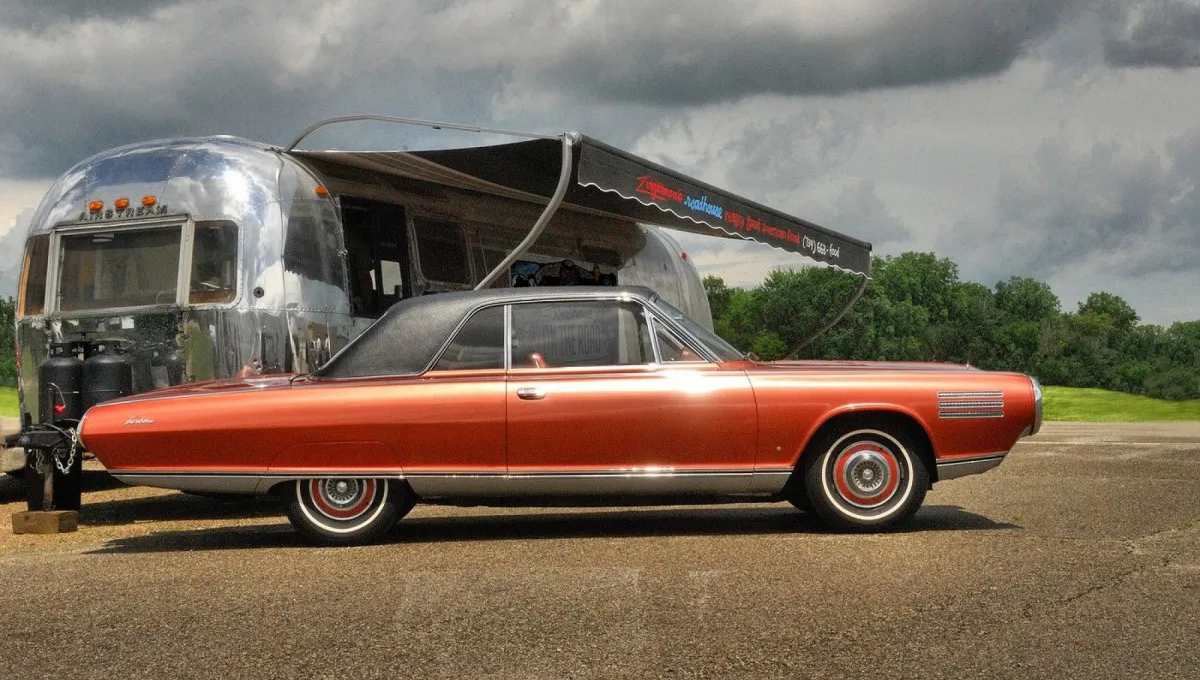
The Gas Turbine Chrysler Drove a Million Miles Across the U.S., Ran on Perfume, but Never Went Into Production
In late 1963, a strange new car hit American roads, turning heads with the unmistakable sound of a jet engine.

His Passenger Left a Bag With a Passport Inside—What This Uber Driver Did Next Touched Millions
An Uber driver drove back to return a forgotten bag, turning a ride into kindness.