
Frozen Windshield Squirters? Here’s How to Fix Them Yourself Easy DIY
When temperatures drop below freezing, even a healthy windshield washer system can suddenly stop working. Here’s why it happens — and how to fix it.
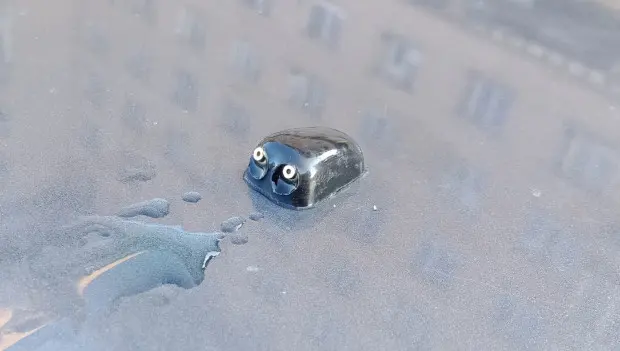
When it’s well below 32°F, even a properly maintained washer system can suddenly go blind. You pull the stalk, the wipers sweep across the glass — and nothing comes out. Instead of clearing the windshield, the blades just smear salt and road grime around.
What’s frustrating is that this can happen even if you’re using quality winter washer fluid rated for sub-zero temperatures. The nozzles still freeze. The good news? There’s a simple and inexpensive fix. But first, it helps to understand what’s really going on.
Many drivers blame cheap or diluted washer fluid — and sometimes that’s true. Low-grade fluid can freeze well before the temperature printed on the jug. A quick way to rule that out is to switch to a reputable brand with a clearly labeled freeze rating and leave a small sample in the trunk overnight. If the sample stays liquid but the system still freezes, the problem lies elsewhere.
And in many cases, the real culprit isn’t the fluid — it’s a small component under the hood.

The Hidden Cause: The Check Valve
Most modern vehicles use a small check valve (often built into a T-connector) in the washer fluid line. Its job is simple: keep a small amount of fluid in the hoses so that when you activate the washers, spray hits the windshield instantly instead of after a short delay.
It sounds like a smart design — and in warm weather, it is.
But in winter, that trapped fluid sits in the engine bay, where it warms up during driving. As it heats, some of the alcohol content (typically isopropyl alcohol) can evaporate slightly. Then, when you park the car overnight in freezing temperatures, that same fluid cools rapidly — now with a slightly reduced alcohol concentration — and can freeze inside the lines or right at the nozzles.
The washer pump may still run, but it’s pushing against an ice plug. The result: silence.
The Simple Fix
A practical solution is to replace the factory T-fitting with a basic connector that does not have a check valve during the winter months. Without the valve, washer fluid drains back into the reservoir after use instead of sitting in the warm engine bay. That prevents it from stagnating and later freezing in the lines.
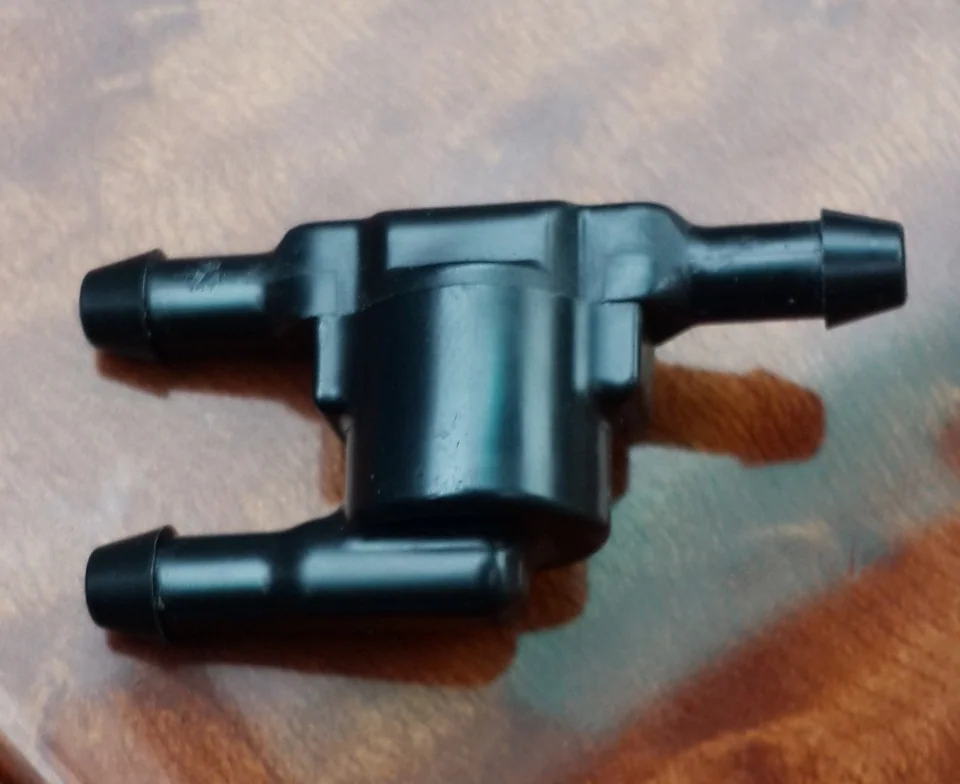
This type of setup was common on many vehicles built before the early 2000s. The part is inexpensive, hose diameters are typically standard, and installation takes just a few minutes. Loosen the clamps, remove the original valve assembly, install the simple T-connector, and check for leaks.
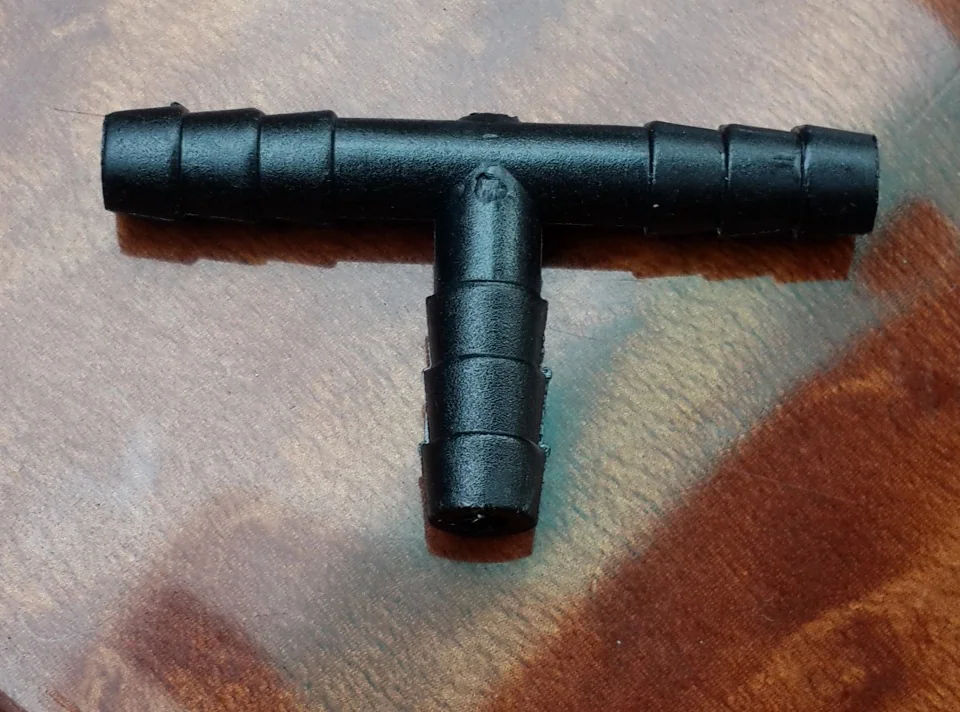
The difference can be dramatic. No more frozen spray nozzles, even in deep cold.
If you prefer the instant spray response in warmer weather, you can always reinstall the original check valve in the spring.
It’s a straightforward, low-cost solution — and far safer than pouring hot water over frozen nozzles or experimenting with questionable DIY hacks.
You may also be interested in the news:
When the First Freeze Hits, Put Newspaper Under Your Floor Mat: An Old Winter Driving Trick
Newspaper under a floor mat can help protect a car's floor from winter moisture, but it requires regular attention.
How a Repair Shop Can Overcharge You: What Every Driver Should Know
An experienced mechanic knows how to increase a repair bill, and drivers should know what to watch for before approving work.
How to Find the Source of a Car Interior Rattle in 15 Minutes
A simple trick can help drivers pinpoint an annoying interior rattle without taking apart half the cabin or visiting a repair shop.
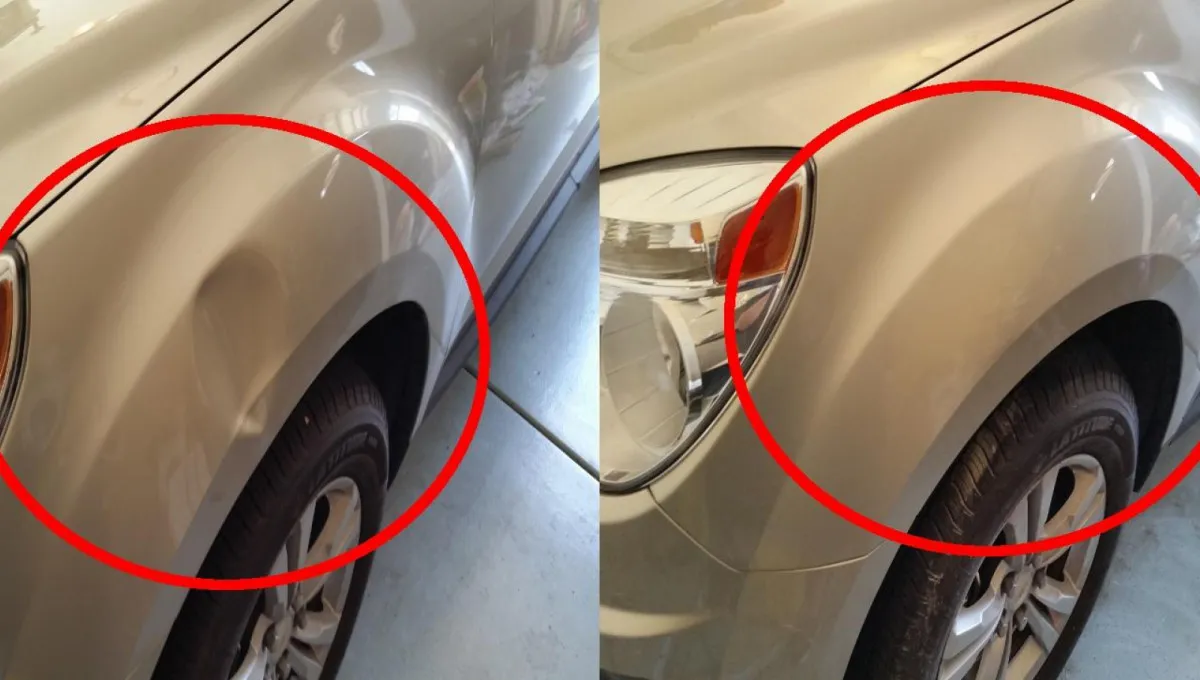
The Dent Can Disappear Without a Trace: How to Repair Car Body Damage Without Paint
Paintless dent repair can restore a damaged panel to its original shape, but only when certain conditions are met.

What Does a Flashing Red Traffic Light Mean? Can You Keep Driving?
Drivers must come to a complete stop at the stop line before deciding whether it is safe to proceed.