
Tesla Cybertruck Escorts Starship V3 for the First Time During Pre-Launch Testing
SpaceX gives the green light to electric support vehicles, using Tesla Cybertrucks to escort Starship V3 for the first time.
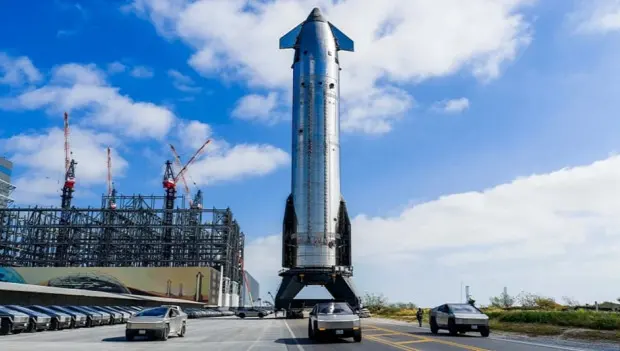
For the first time, electric Tesla Cybertruck pickups have been spotted escorting the latest iteration of SpaceX’s massive rocket system, Starship V3. The moment highlights not only SpaceX’s continued technological push, but also the growing role of electric vehicles in some of the world’s most advanced industries.
In late February 2026, both the automotive and aerospace worlds turned their attention to an unusual sight: Cybertrucks accompanying the rollout of Starship V3 from a SpaceX work site. Beyond the visual impact, the move carried symbolic weight, underscoring the increasingly close relationship between cutting-edge automotive engineering and space exploration.
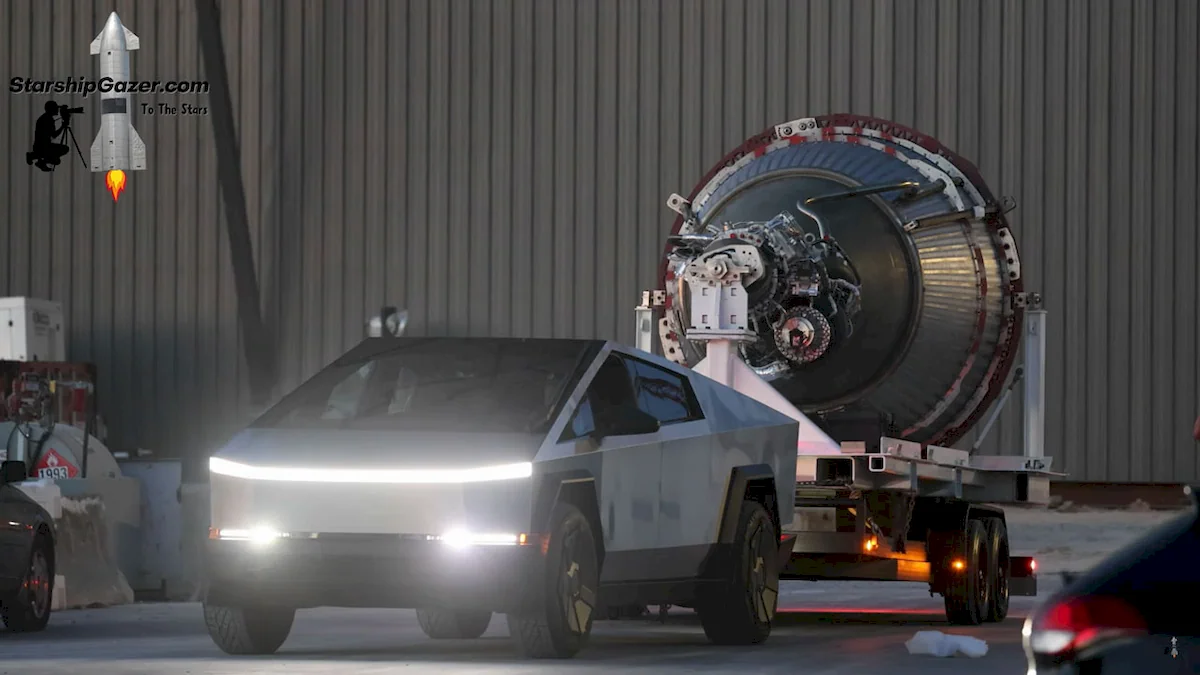
Starship V3 isn’t just another update to Elon Musk’s flagship rocket program. Industry observers believe this version could mark the transition from largely experimental testing to more routine operational use, paving the way for the next phase of deep-space missions. Notably, instead of the traditional diesel-powered heavy equipment typically seen supporting such operations, fully electric trucks were part of the convoy—signaling a shift in how complex logistics may be handled going forward.
The use of Cybertrucks in an escort role wasn’t merely a marketing stunt. It served as a real-world demonstration that modern EVs can perform in demanding environments historically dominated by conventional fuel-powered machinery. With substantial towing capability, strong torque delivery, and competitive range figures, Tesla’s electric pickups handled the task alongside specialized support vehicles. For the broader industry, it sends a clear message: electric transport is ready to operate in high-stakes, technically complex projects.
For SpaceX, integrating new technologies into day-to-day operations is nothing new. The company has long emphasized innovation and efficiency, and incorporating electric vehicles into critical ground operations fits that philosophy. As environmental standards tighten and pressure grows to reduce emissions across industrial sectors, solutions like this may become increasingly common.
According to experts, Starship V3 represents a significant step forward in reusable rocket design. Its engineering is centered on repeat flights, with the goal of lowering launch costs and making space access more affordable. Pairing that vision with electric ground support vehicles reflects a broader rethinking of how major technological systems are designed and executed—from manufacturing logistics to launch-day procedures.
The sight of Cybertrucks escorting Starship V3 isn’t just eye-catching imagery for social media feeds. It’s a tangible example of how technologies once viewed as futuristic are becoming part of everyday operations at leading global companies. If electric pickups can support rocket testing today, it’s not hard to imagine them playing an expanding role across industries tomorrow—from heavy manufacturing to large-scale logistics.
You may also be interested in the news:
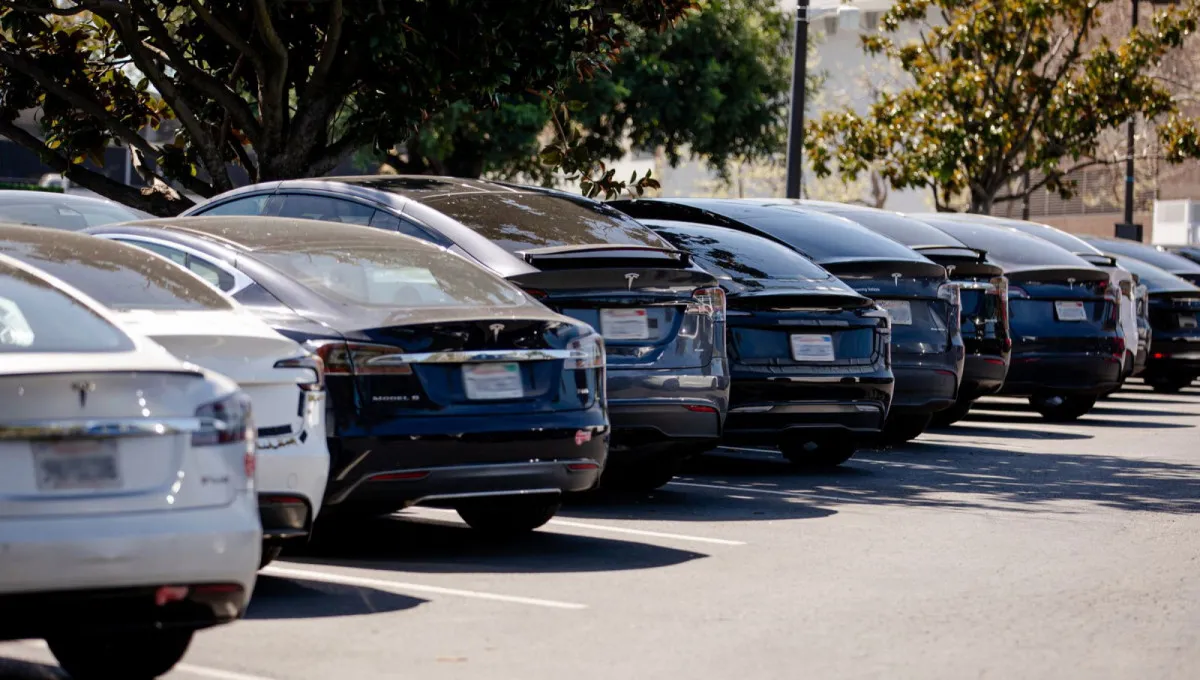
He Sold His House to Buy 20 Teslas—Then Sold 213 of Them in One Year
A car dealer admitted he briefly questioned his decision after betting his property money on a fleet of Teslas.
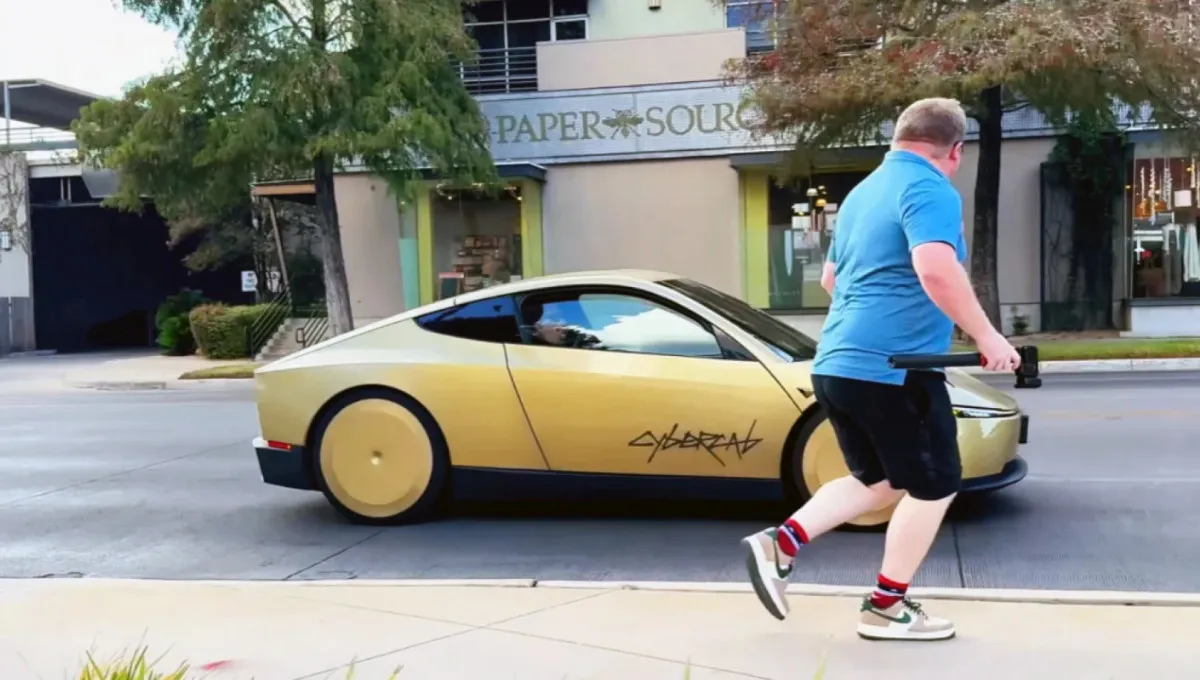
Washington Man Steps in Front of Tesla Cybercab to Test Its Self-Driving Response
Washington man stepped into a Cybercab’s path to test how quickly its autonomous system responded.
Tesla Patents Laser Windshield Wipers Again in 2026
Tesla is once again pursuing laser windshield cleaning, but the technology raises serious questions about cost, reliability and safety.
Tesla Will Unveil the Roadster on October 2. Teaser Hints at SpaceX Thrusters
Tesla has officially confirmed that the long-awaited second-generation 2026 Roadster will finally be unveiled on October 2.
She Thought Her Tesla Was Acting Strange. ‘I’m in Your Car’: Man Used a Tesla App to Harass His Ex
A man remotely controlled his ex-partner’s Tesla, changed its settings, and restricted how fast she could drive.