
Tesla Vision Safety System Will Predict Crashes Before Impact, Coming to All New EVs
Tesla’s next-generation Tesla Vision system can detect imminent crashes milliseconds before impact to improve passenger safety.

Tesla is preparing to roll out an upgraded version of its Tesla Vision system designed to detect potential crashes moments before they happen, giving the vehicle extra time to protect passengers during an accident.
The automaker says the new technology is aimed at reducing injuries in collisions by using the cameras already mounted around Tesla vehicles to identify an incoming impact before physical contact occurs.

According to Tesla, the latest version of Tesla Vision can trigger critical safety features fractions of a second earlier than conventional systems. That advance could make a major difference in real-world crashes.
Traditional automotive safety systems, including seatbelt pretensioners and airbags, typically rely on physical impact sensors positioned in areas such as bumpers and crumple zones. By the time those sensors activate, occupants may have already started moving inside the cabin.

Tesla’s updated camera-based system works differently. It can recognize an approaching collision just milliseconds before impact. The company says the technology can provide up to 70 milliseconds of additional response time.
That extra window allows the vehicle to begin tightening seatbelts and deploying airbags earlier, potentially improving occupant protection and increasing the chances of surviving a serious crash.
The feature will come standard on all newly produced Tesla vehicles. Existing Tesla models equipped with the company’s camera system will also receive the technology through a free over-the-air software update.
You may also be interested in the news:
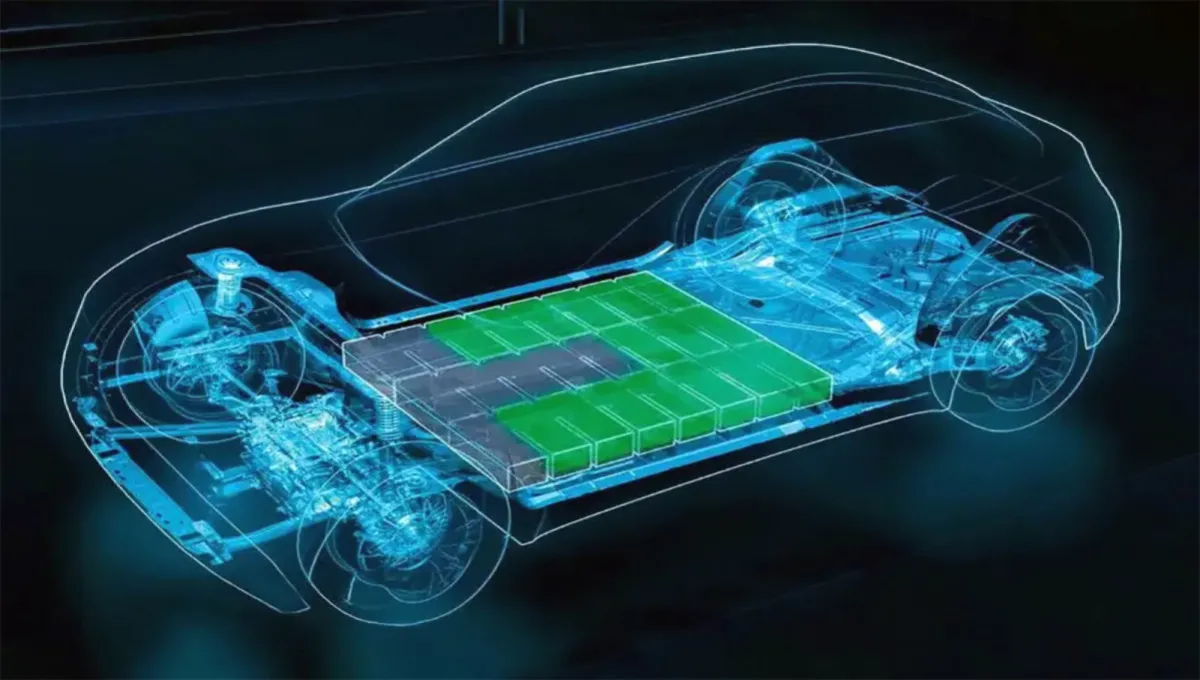
Stellantis Patents System That Lets an EV Drop Its Battery and Drive Away
A new patent details an emergency system that could let an EV disconnect its high-voltage battery and move away from danger.
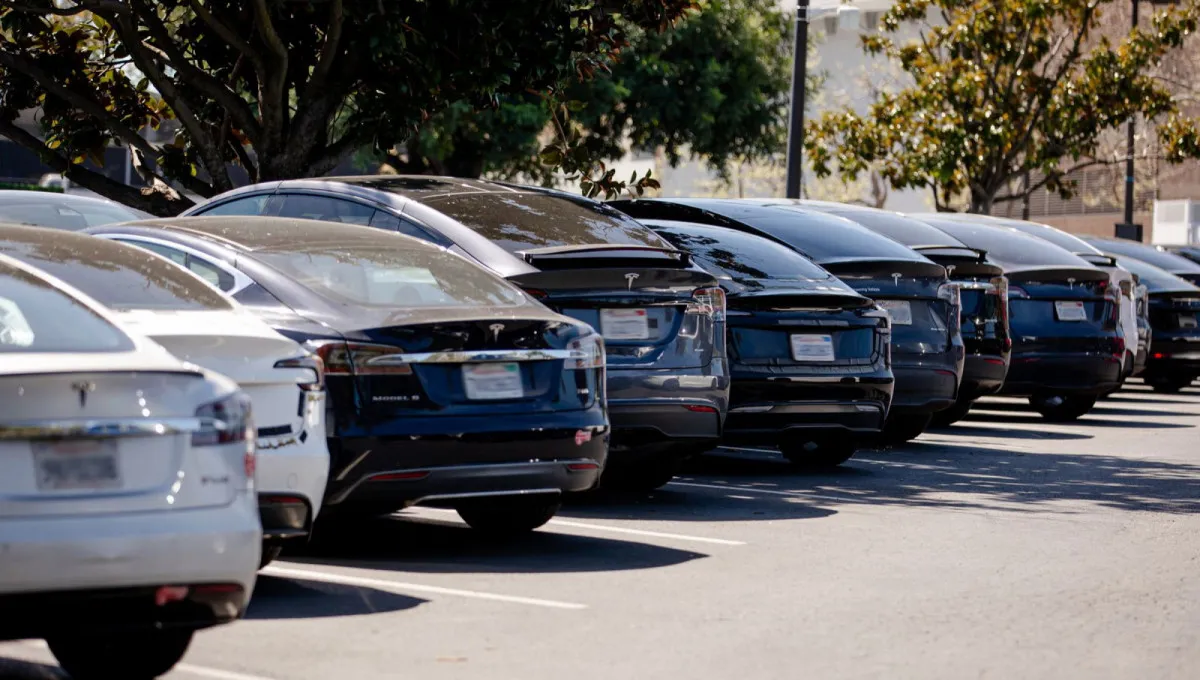
He Sold His House to Buy 20 Teslas—Then Sold 213 of Them in One Year
A car dealer admitted he briefly questioned his decision after betting his property money on a fleet of Teslas.
No Password Required: Hackers Remotely Took Control of Chinese EV Functions While the Vehicle Was Moving
An Australian investigation uncovered serious cybersecurity flaws that could expose connected Chinese vehicles to remote access.
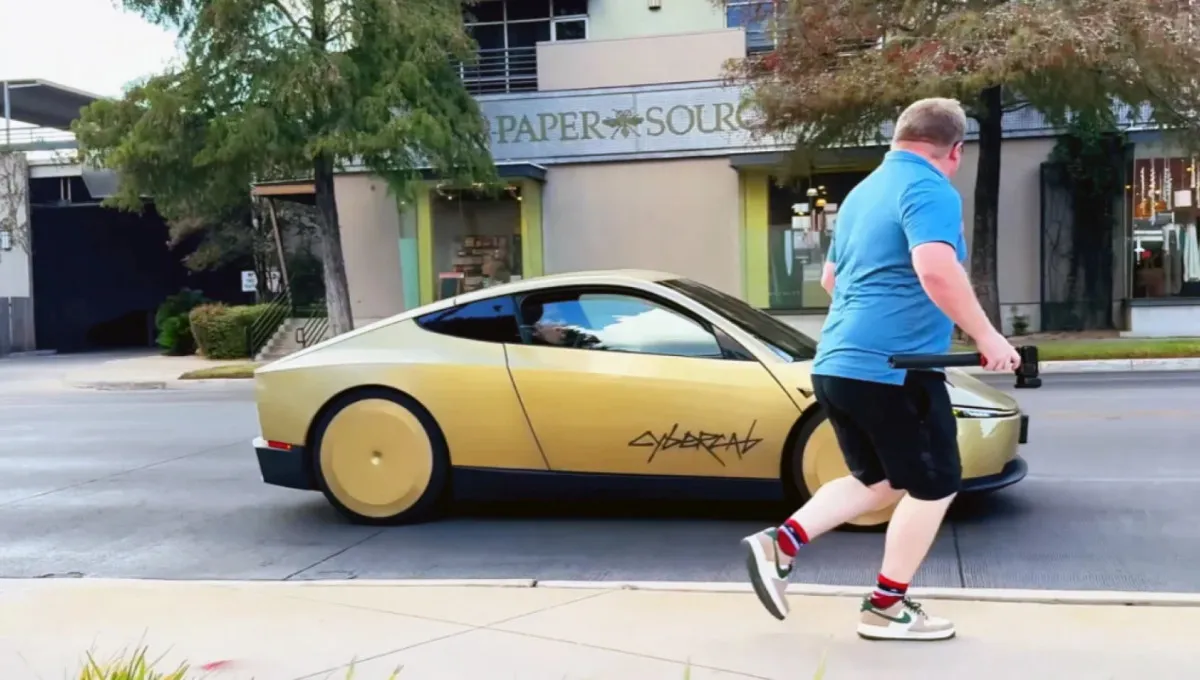
Washington Man Steps in Front of Tesla Cybercab to Test Its Self-Driving Response
Washington man stepped into a Cybercab’s path to test how quickly its autonomous system responded.
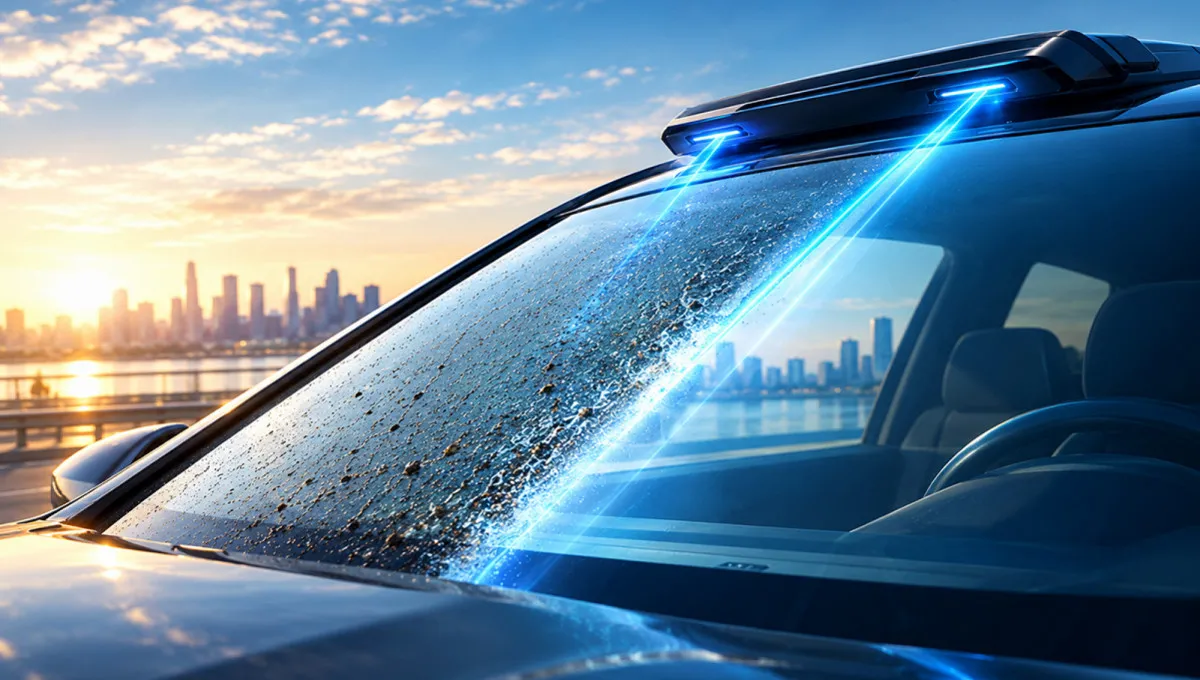
Tesla Patents Laser Windshield Wipers Again in 2026
Tesla is once again pursuing laser windshield cleaning, but the technology raises serious questions about cost, reliability and safety.