
1969 Mustang GT Convertible in Triple Black Brings Some Serious Pony Car Attitude
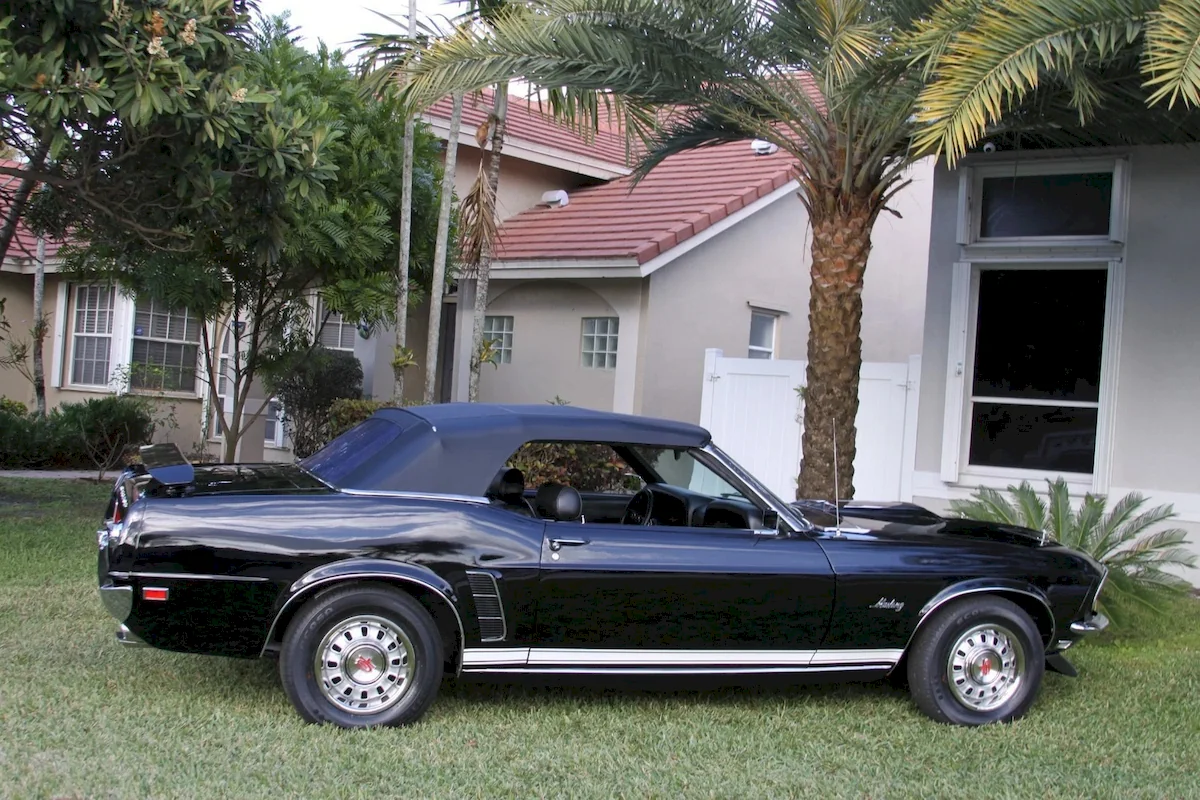
Black paint, a black interior, and a black convertible top that folds away.
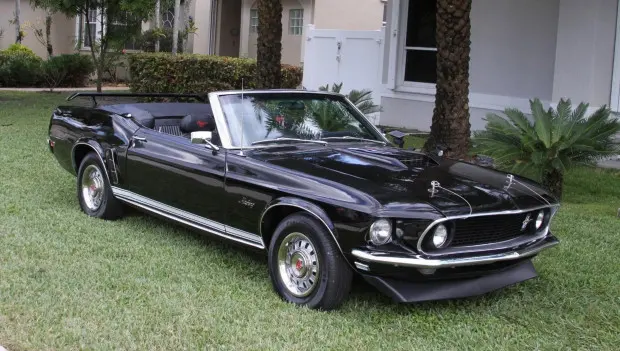
Black paint, a black interior, and a black folding roof. That specific combination of three elements tends to hit different for a certain generation—the kind of effect Santana had on the crowd at Woodstock back in ‘69 with that extended jam session. This Ford Mustang GT rolled off the line that same year, right around the time the first real muscle car wave was arguably peaking. Today, that very same triple black Mustang GT is up for grabs—a piece of history here to remind the new school Dark Horses and GTDs exactly where they get their looks from.
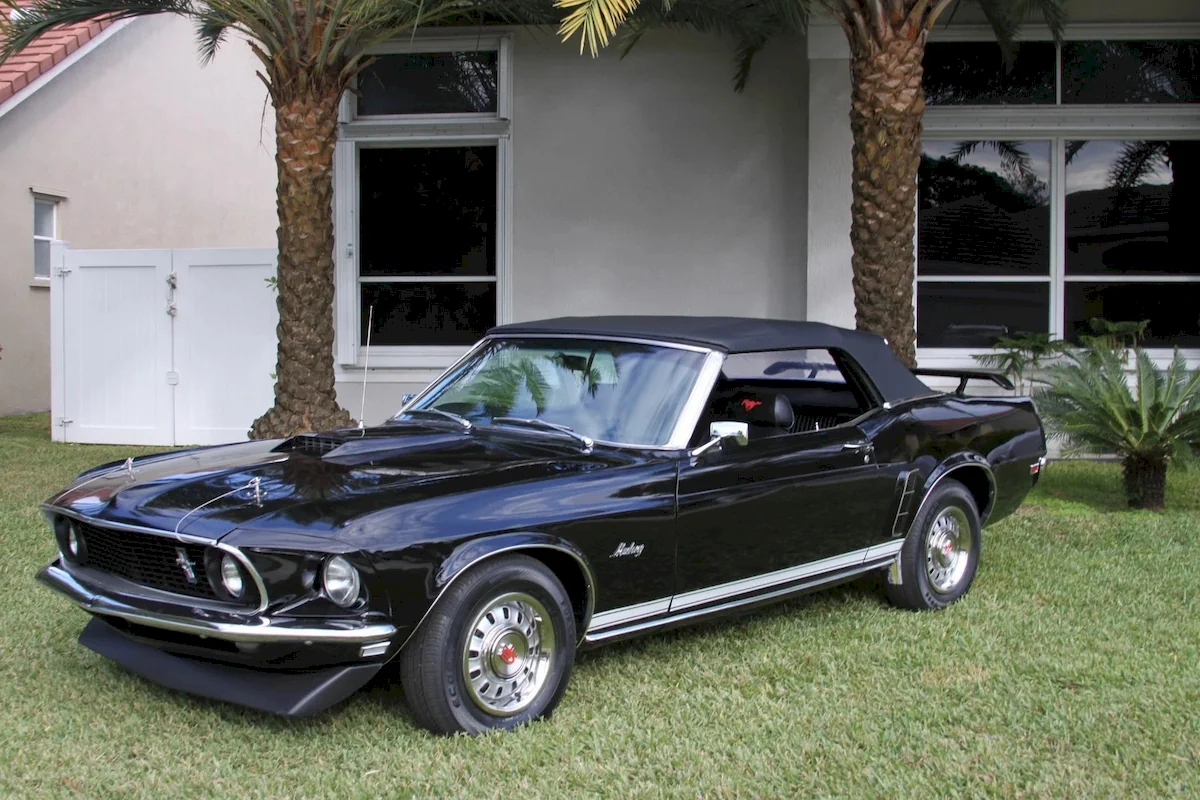
1969 was a massive year for the Mustang, and not just because of where it fell on the calendar. Neil Armstrong was still a few months out from stepping onto the lunar surface when this car first hit the scene in August of ‘68. But for the Mustang, it was the moment it stopped being just a stylish pony car and started handling like a legit sports car, too.
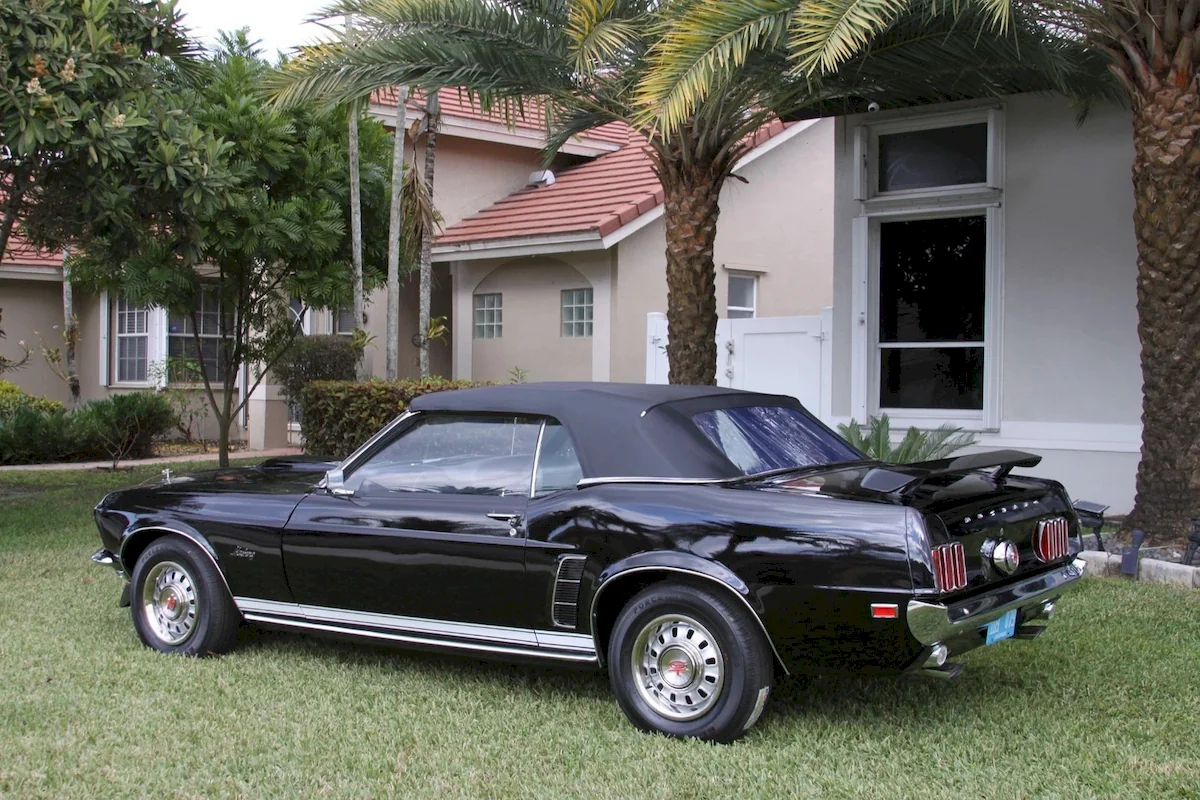
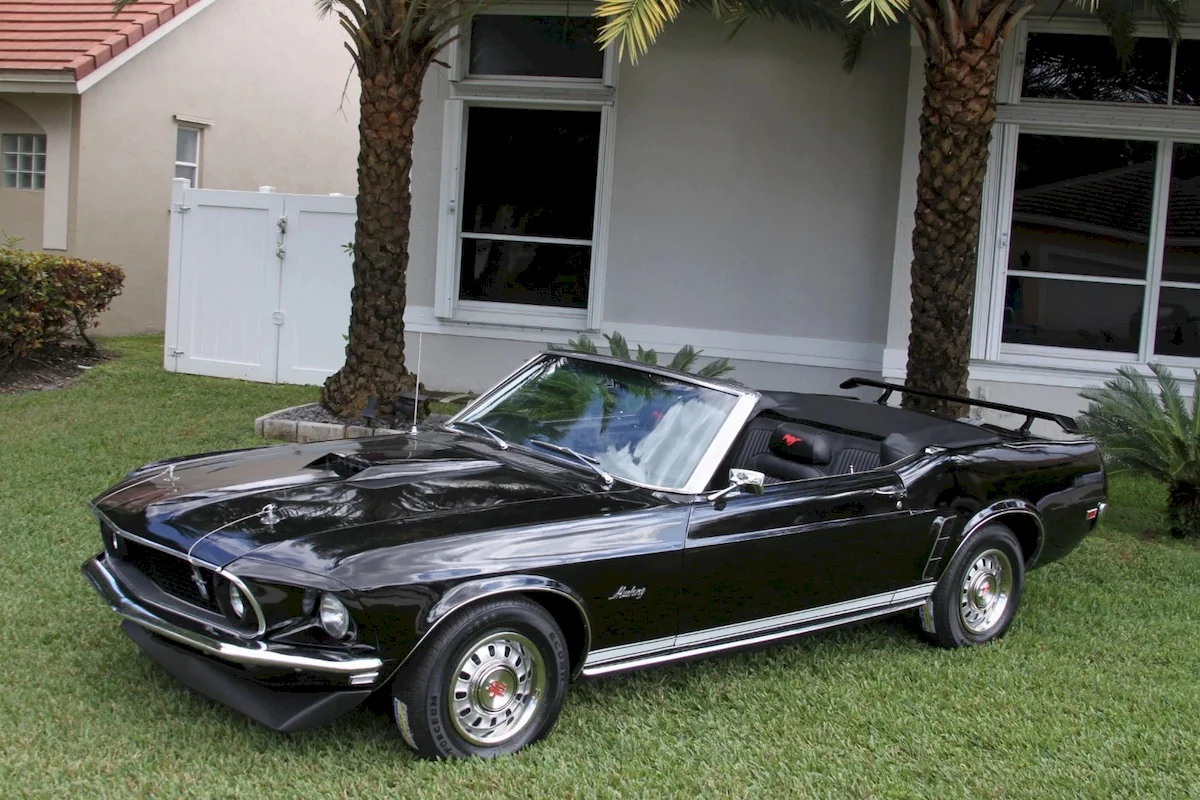
Ford gave it a solid mid-cycle makeover, stretching the length by almost four inches and adding some noticeable width. The wheelbase held steady at roughly 108 inches, which only pumped up that muscular stance. Visually, it was a total game-changer, but the size tweaks were just the beginning. They also introduced the quad headlight setup—one on each corner, with another recessed into either side of the grille. If you’re trying to spot a ‘69 from across a parking lot, that’s usually the dead giveaway. They kept the iconic fastback profile, though it got a new name: "SportsRoof."
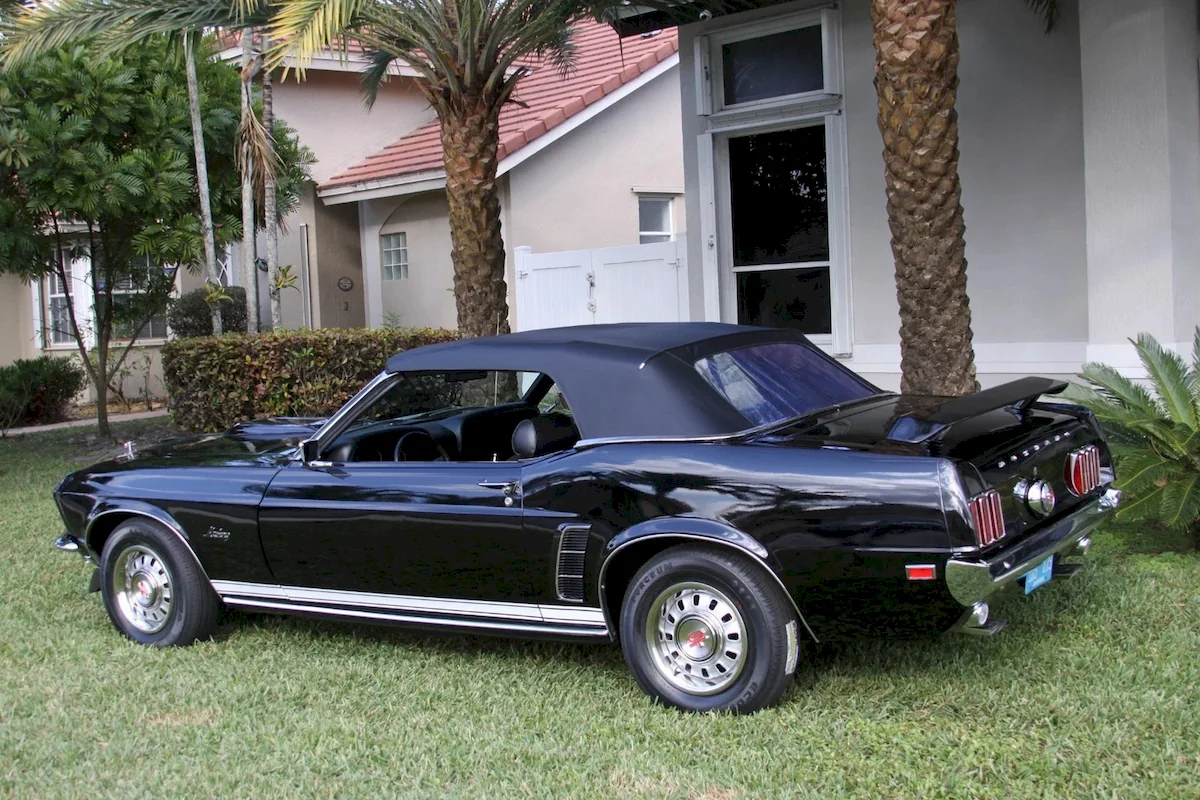
Up front, the grille got sharper and more angular, while the back end lit up with three vertical red lenses on each side. If the pre-‘69 Mustangs had that boy-next-door charm, the ‘69 model started looking like it was ready to throw hands. Not that Ford was only chasing the tough-guy crowd with this thing.
You could also spec it out as a luxury-focused Grande model, complete with extra sound deadening, softer seats, fake teak wood trim inside, and a steering wheel that made you squeeze a metal rim to honk the horn. And the powertrain options? There were at least ten different engine codes to choose from that year.
On the tame end, you had your economy-minded straight-sixes—the 200 and 250 cubic-inch versions with a single one-barrel carb. The base V8 was a 302 with a two-barrel setup, while the legendary Boss 302 stepped it up with a four-barrel and some other performance bits. The Mach 1 brought the Windsor-based 351 V8 to the table, available with either a two or four-barrel carb. Near the top of the food chain, the 390 big block delivered some serious muscle. And then there was the 428 Cobra Jet, which became an absolute legend on the drag strips of the late ‘60s, along with the monstrous 429 big block Boss engine.
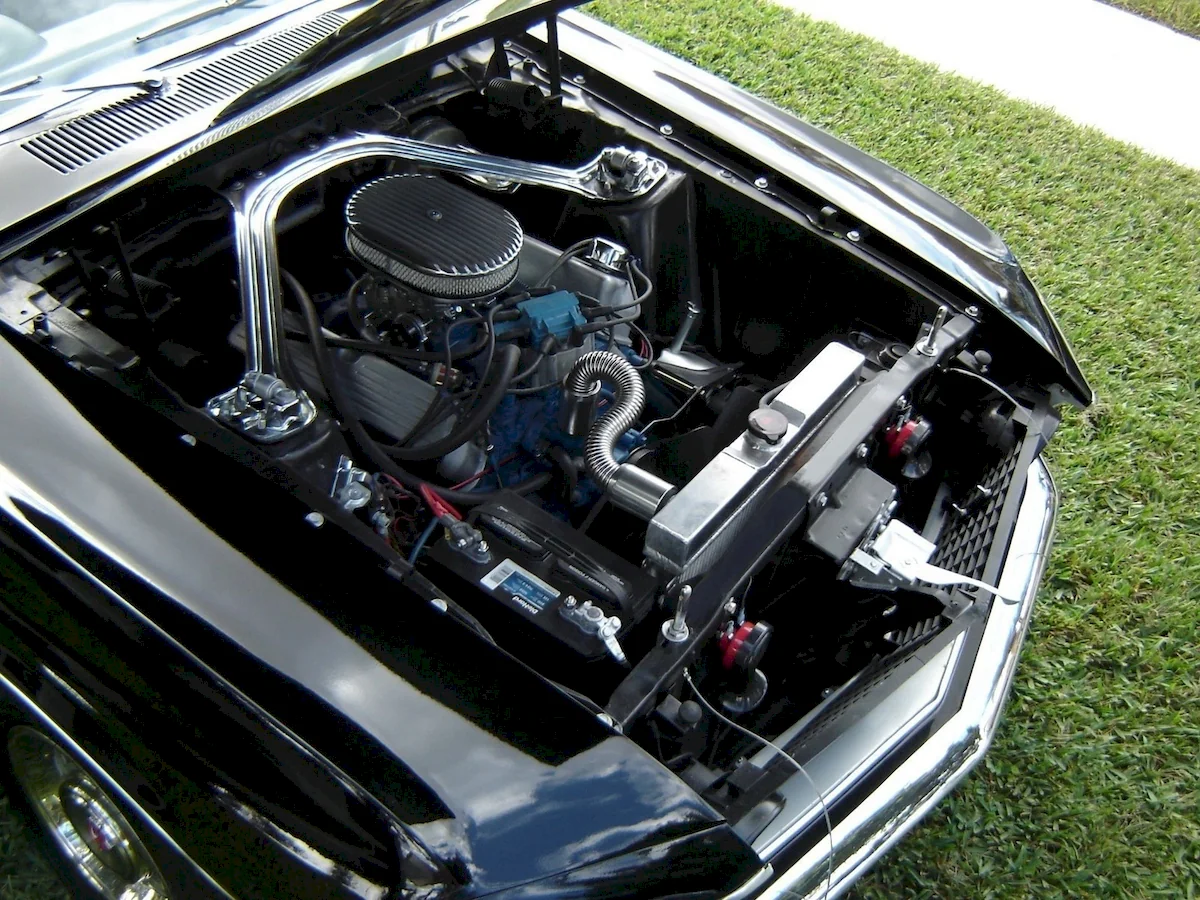
This particular GT is packing the Windsor 351 motor—kind of the sweet spot between the smaller 302 and the full-on big blocks. Back when they measured horsepower gross (engine out of the car, no accessories bolted on), it was good for about 290 horsepower and 385 lb-ft of torque. The GT shared similar engine specs with the Mach 1, but you could get the GT in all three body styles, whereas the Mach 1 was strictly a SportsRoof car.
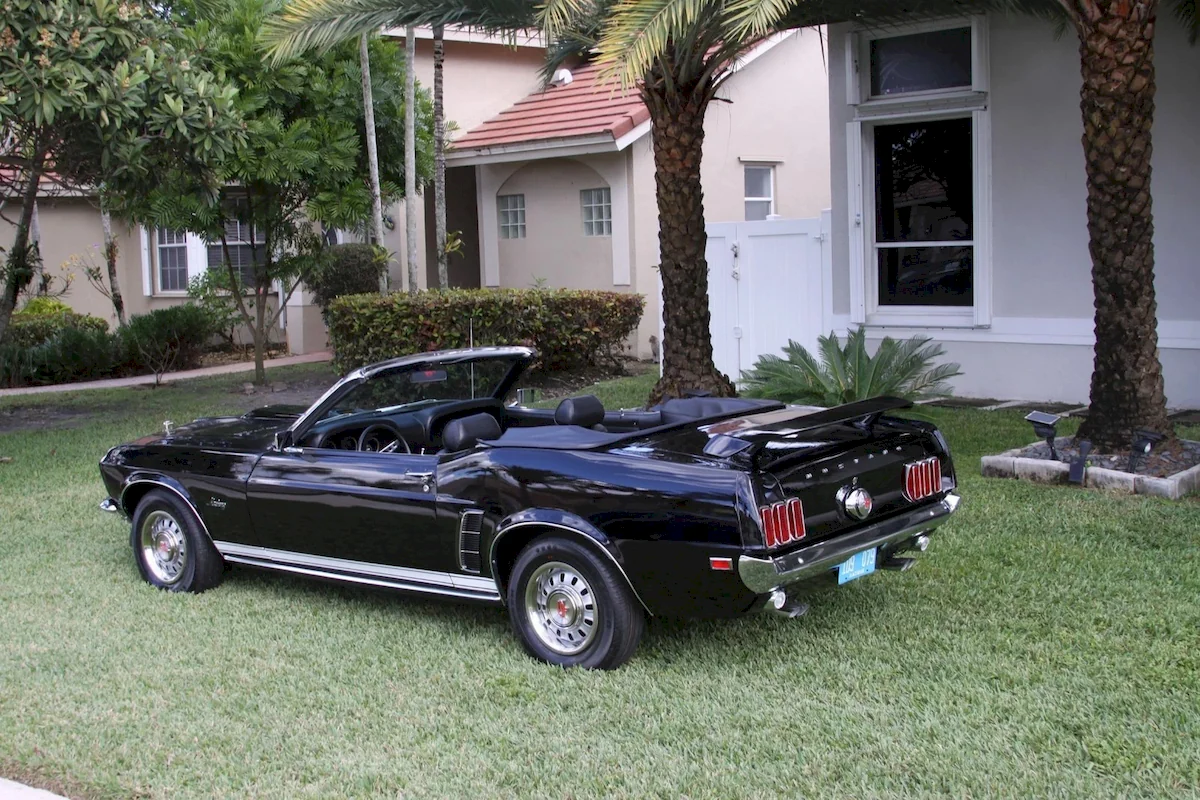
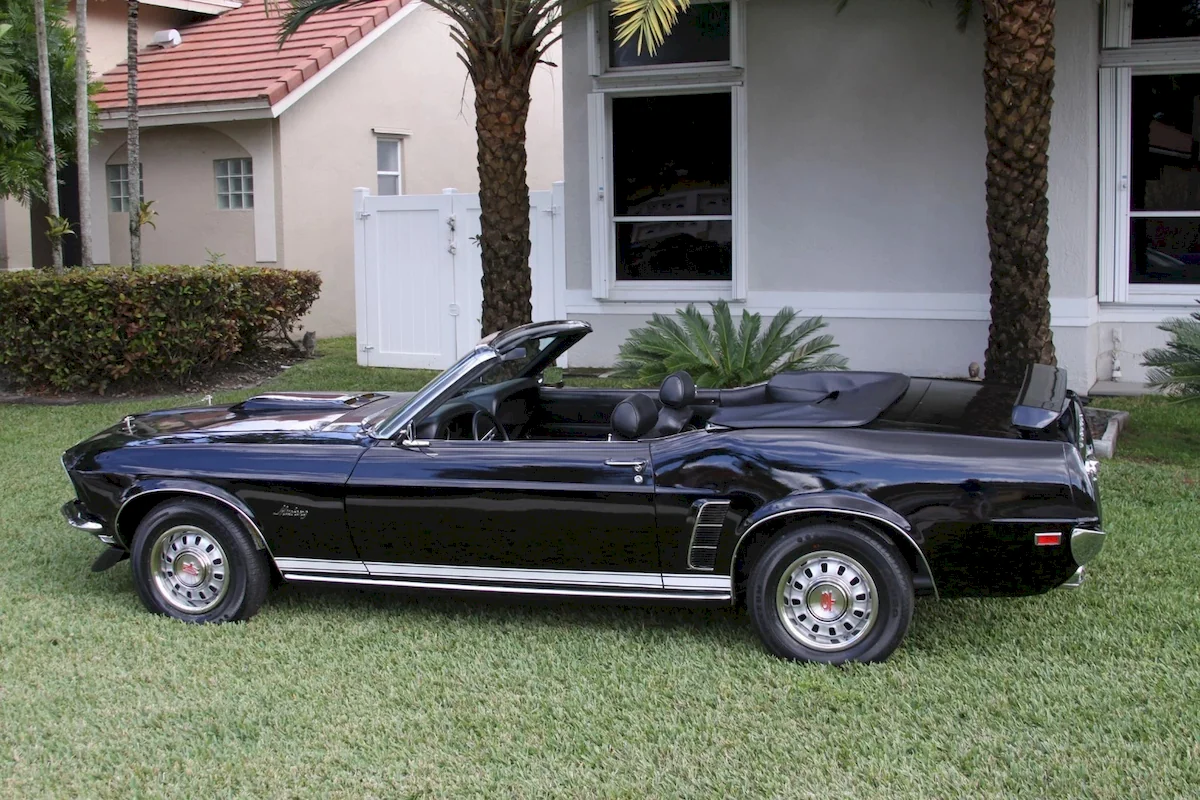
The Mach 1 came loaded with an upgraded interior as standard, basically borrowing a lot of the Grande’s luxury touches. The GT, though? That premium Deluxe interior was an extra-cost option. Where the GT sets itself apart visually is the branded emblem on the rear gas cap and the side stripes specific to the trim. That rear cap is your quickest way to know it’s a GT—the Mach 1 had its own chrome pop-up filler cap instead.
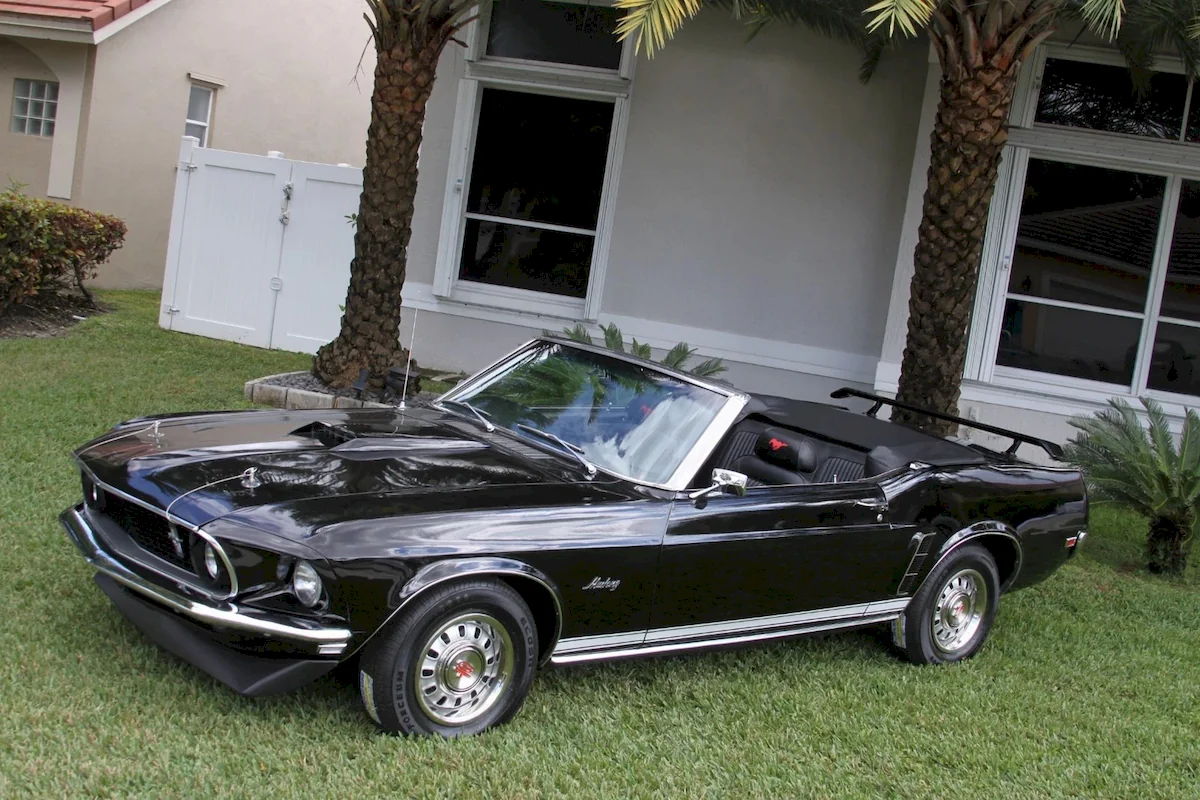
Both the Mach 1 and the GT came with upgraded suspension bits right out of the box. Beefier shock towers, heavier front spindles, and larger stabilizer bars meant these cars handled noticeably better than your standard Mustang. Funny enough, the Mach 1 ended up outselling the GT by a pretty wide margin, and Ford actually dropped the GT after ‘69 as a result.
On top of all that, 1969 was the year Ford took direct control of the Shelby Mustang lineup. For what it’s worth, all the 1970 Mustangs were actually built during the ‘69 calendar year. Production numbers for the genuine GT? Fewer than 5,400 total. Out of those, only about 1,100 were convertibles. Everything else you see running around these days is probably a tribute car built up from a cheaper base model. So from that already small batch, how many do you think are legit triple black cars like this one?
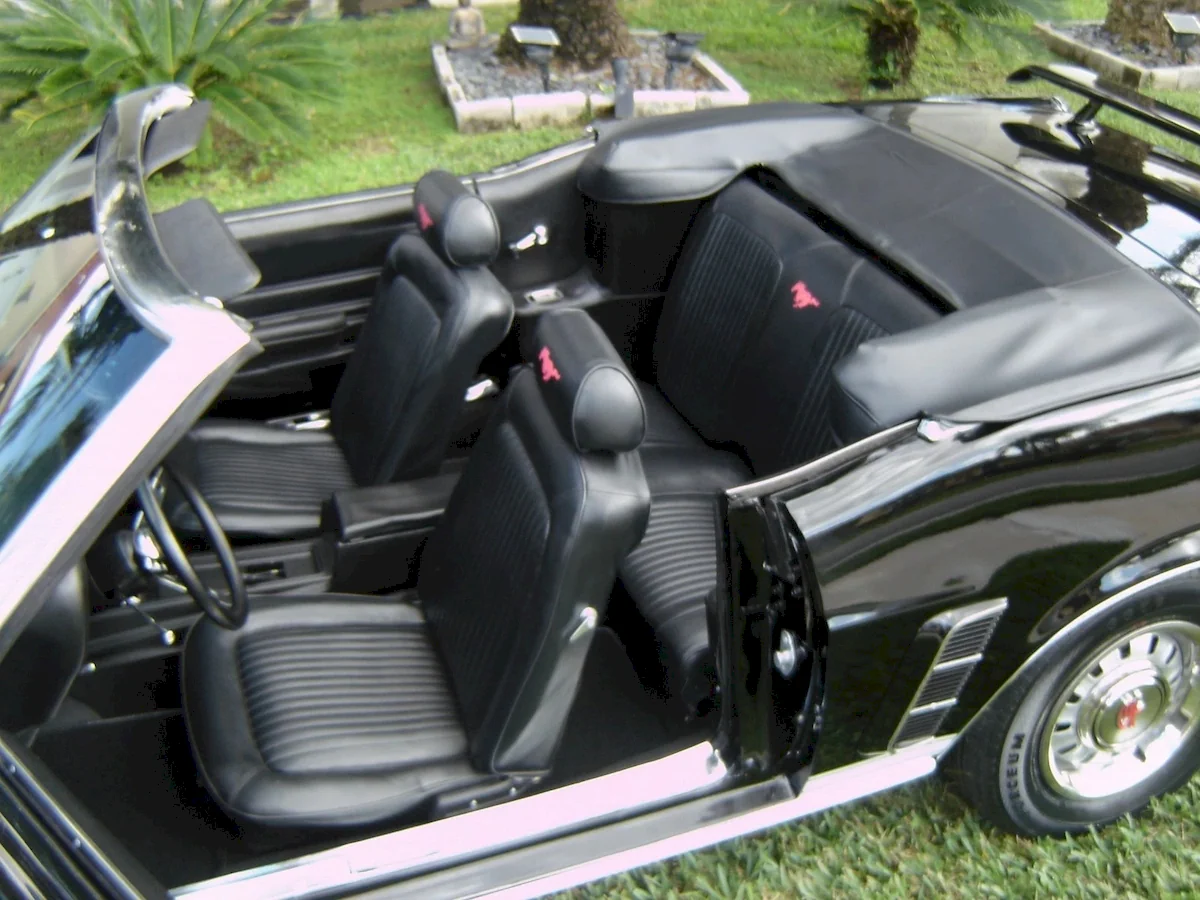
We’re talking about Mustang GTs spec’d with black vinyl interiors and finished in Raven Black (Code A). Not Black Jade—that’s basically a really dark green. And definitely not some aftermarket shade that doesn’t quite capture that "empty void" look. Anything leaning more gray than true black is just playing pretend. This one might actually be the real deal.
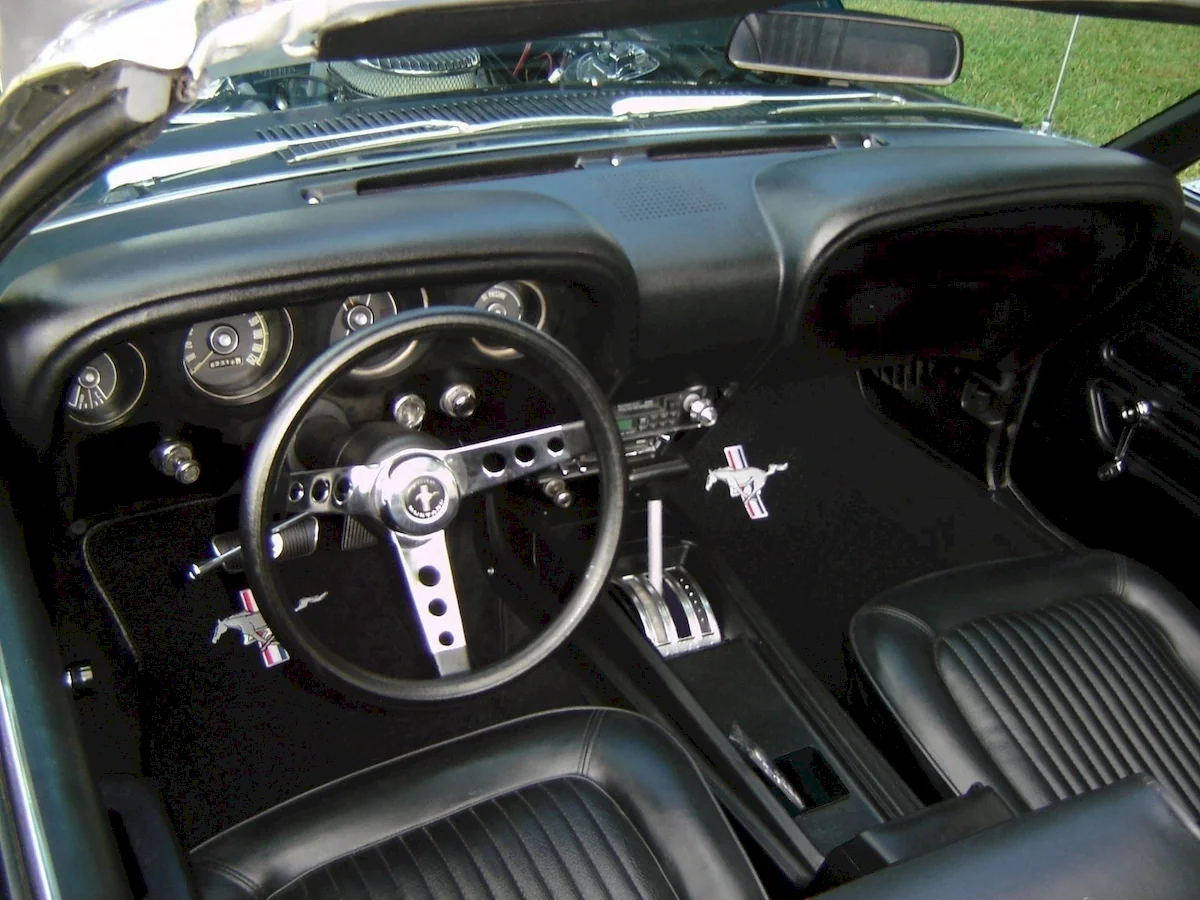
According to the eBay listing out of Hollywood, Florida, this Mustang GT is obviously mislabeled with 623,170 miles on the odometer. Realistically, it’s probably closer to 62,320 miles—unless somebody’s been daily-driving this thing for nearly 60 years and just finished a frame-off restoration. The former seems way more likely, especially looking at the interior. Those front bucket seats barely look sat in, the padded dash is clean and free of cracks, and the gauge cluster appears all original.
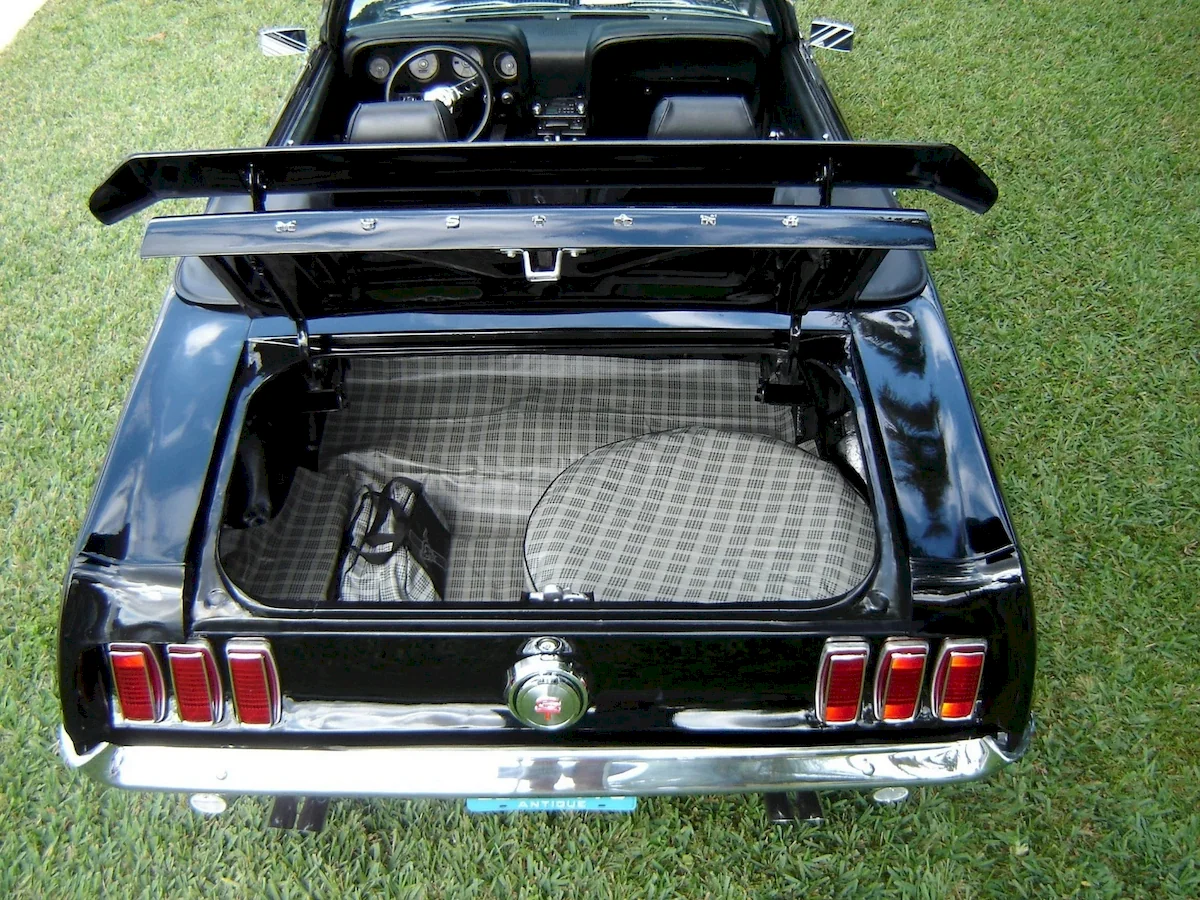
Okay, let’s keep it real—it’s probably not a 100% untouched interior. The Mustang logos on the vinyl headrests and the GT floor mats kind of give that away. And speaking of details, does that chin spoiler look a little oversized to you? Yeah, they’re usually prominent, but this one’s got almost an extra lip going on under the grille. Thing is, it’s not even supposed to be there—that’s a Mach 1 part.
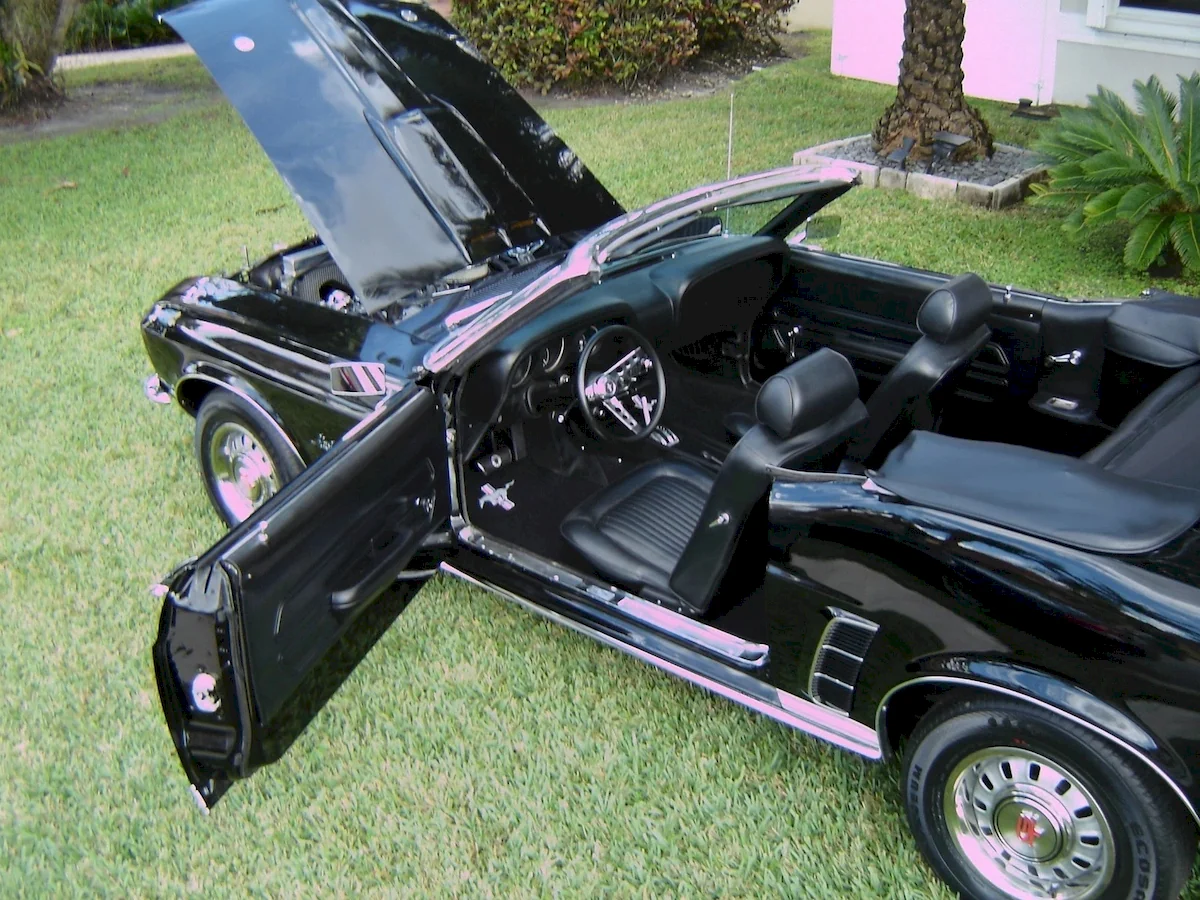
Same deal with the rear trunk spoiler. That was optional on the Mach 1 and standard on the Boss 302, but not really part of the GT package. And those hood pins? They look more like something you’d see on a nuclear launch panel than standard muscle car equipment. For a car this rare, that’s a fair number of tweaks. The eBay listing doesn’t mention anything about this being a tribute build, but you can’t help but wonder.
Pop the hood, though, and things start looking more correct. That’s the same 351 Windsor with the four-barrel carb you’d expect to find, wearing the proper Ford blue paint on the block. Looks like the original nine-inch rear end is still hanging in there, which is pretty much essential given the extra torque the 351W put out compared to the 302.
All told, this thing sits in a weird space between a lightly resto-modded cruiser and a painstaking restoration that’s toeing the line without fully committing to either side. Hard to say exactly what to call it, other than undeniably cool from just about any angle you look. Is it worth the $41,000 the seller on eBay is asking? Honestly, it’d probably fetch more without some of the cosmetic add-ons.
But as a fun, flat-out thrilling classic pony car that’s easy on the eyes and even easier to drive? Maybe it’s worth every penny of that asking price. What’s your take?
You may also be interested in the news:
Elegance for Everyone: How Chevrolet Made Its 1960 Cars Stand Out
Chevrolet toned down its extravagant 1959 styling for 1960, bringing a more refined look to its affordable full-size cars.
More Than a Car! More Than a Truck! The 1957 Ford Ranchero
The 1957 Ford Ranchero launched a new kind of American vehicle, blending passenger-car styling with pickup-truck utility years before the segment took off.
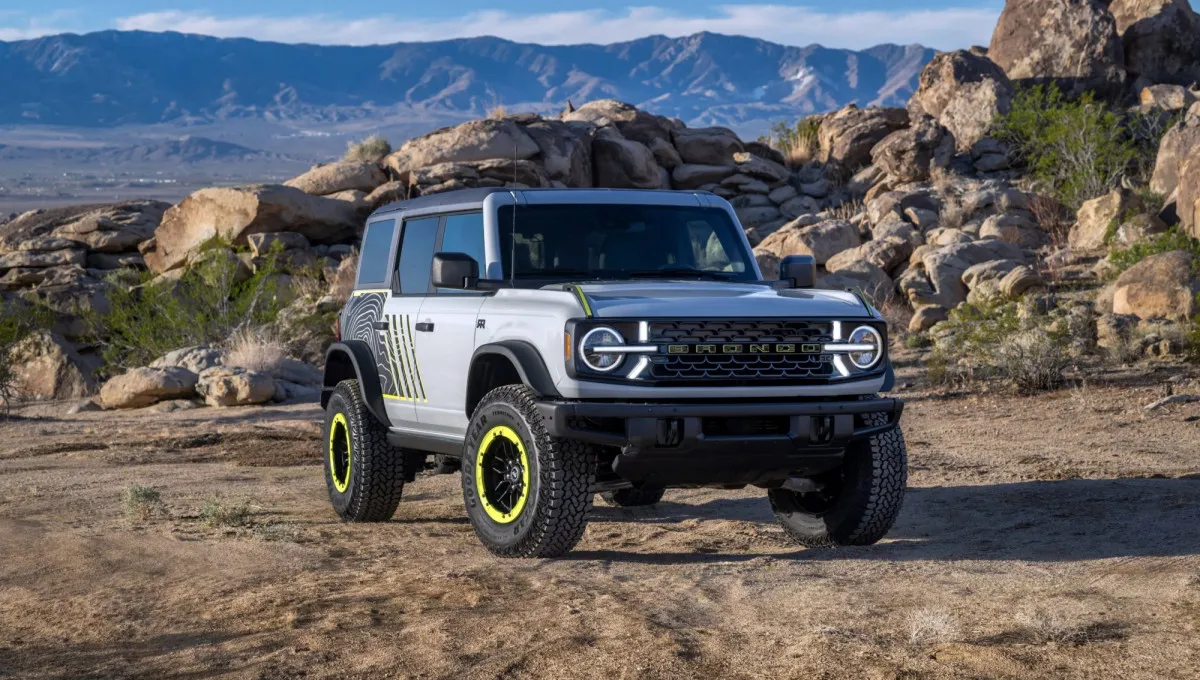
2027 Ford Bronco RTR Priced From $50,495—Undercuts Bronco Raptor by $31,500
Ford has set the starting price for the 2027 Bronco RTR, with orders expected to open later this year.
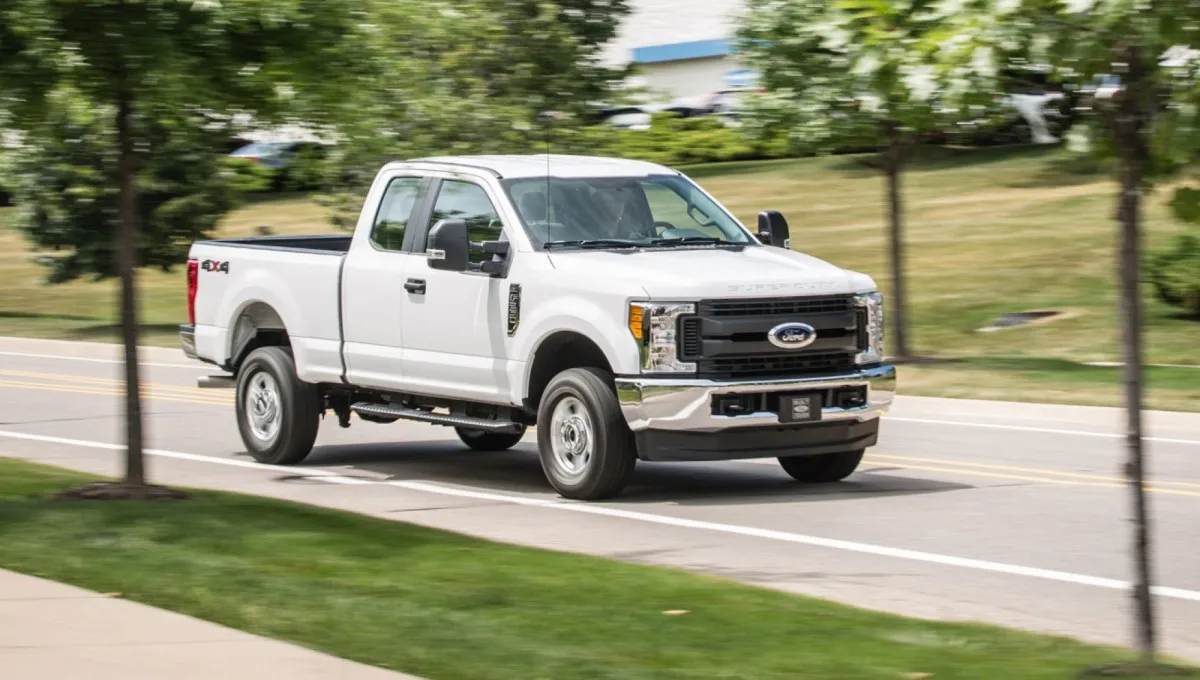
41,748 Ford SUVs and Trucks Recalled—Your Headlights Could Suddenly Stop Working
Ford recalls 41,748 vehicles after contaminated LED chips threaten required headlight performance on newer models.
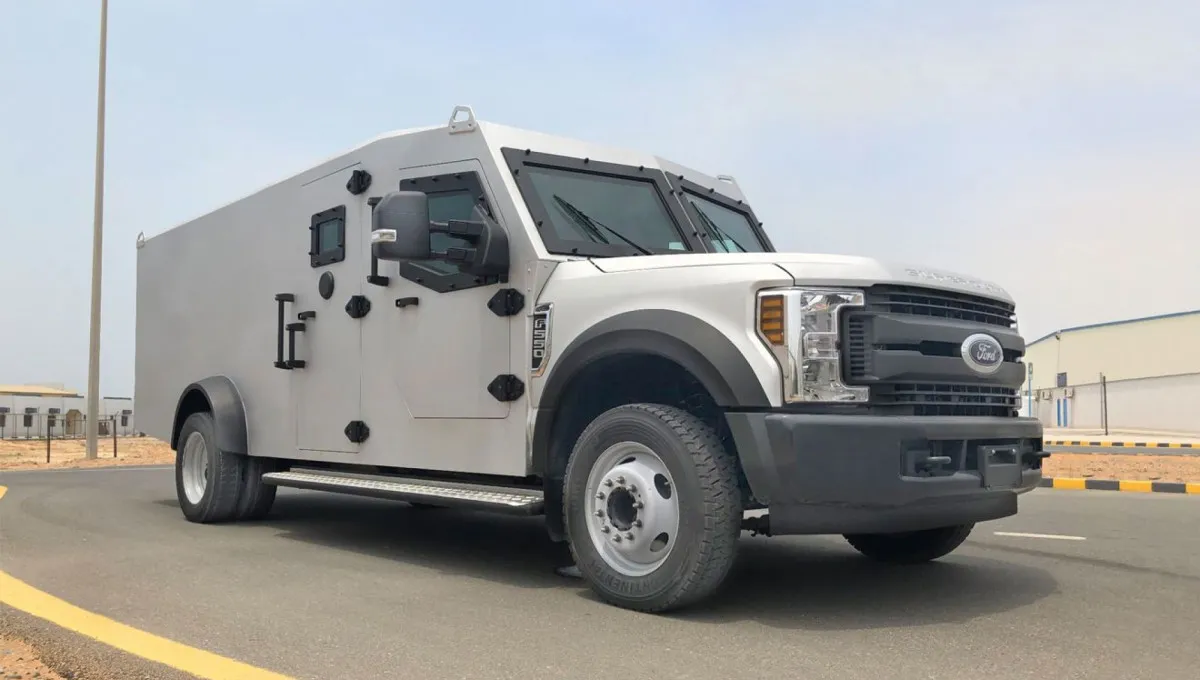
Armored Ford F-550 Is a Rolling Fortress Built to Carry Millions
TAG Dynamics has unveiled a new armored cash-in-transit vehicle based on the Ford F-550 pickup for security companies and financial institutions.